The key facts
- The AD-SMART platform trial tests several drugs simultaneously against a placebo; ineffective ones are quickly replaced with new candidates.
- The first two drugs are metformin and atomoxetine; they are thought to potentially reduce brain inflammation.
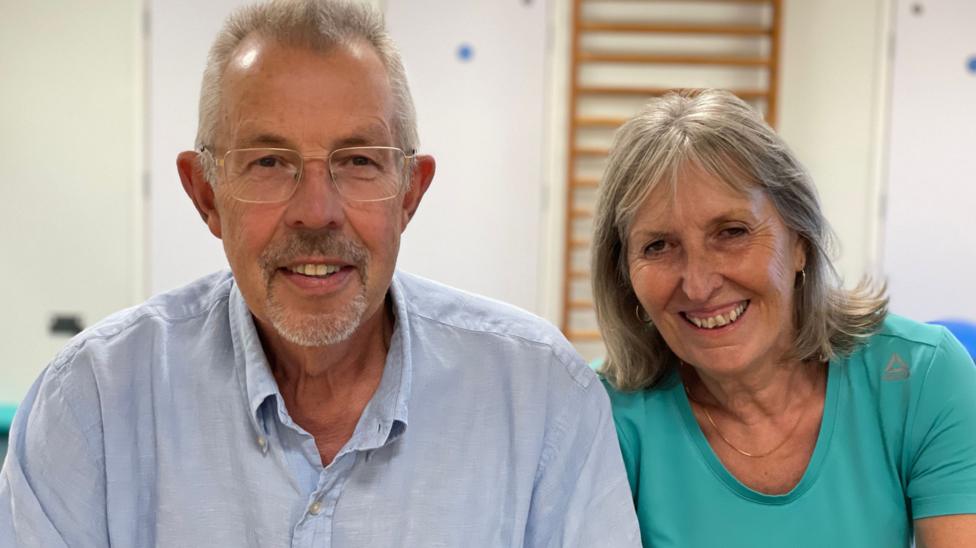
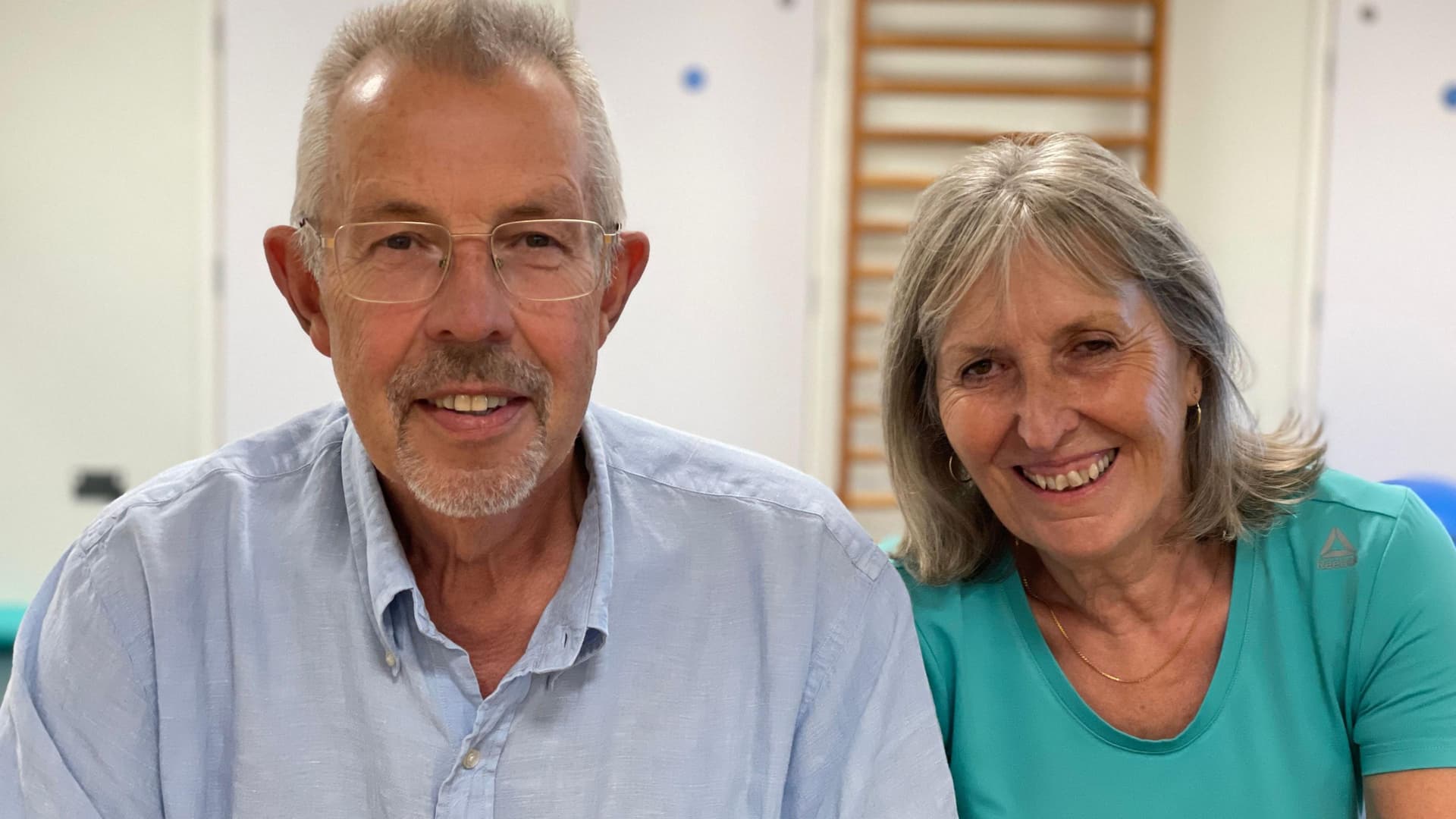
- The first participant was 67-year-old Angela Buxcey from Cambridgeshire, diagnosed in January; recruitment is 1,200 people, more than 30 centres, evaluation by 2030.
A new approach to trials
A clinical trial called AD-SMART has been launched in the UK which, scientists hope, could cut years off the search for new treatments for Alzheimer's disease. The study is built on a multi-arm multi-stage platform design: several drugs are tested simultaneously, and their results are compared with a group of participants receiving a placebo. This increases the likelihood of receiving an active treatment compared with traditional trials. If a drug shows no benefit, it is quickly dropped and a new one takes its place — an approach already used successfully in research on cancer and motor neurone disease. The trial is run by the UK Dementia Research Institute and Alzheimer's Research UK; partners include the National Institute for Health and Care Research, the Medical Research Council and Health Data Research UK, with funding from the UK government.
The first drugs and the rationale
The first two drugs, selected by an international panel of experts, are metformin, used for type 2 diabetes, and atomoxetine, used for attention deficit hyperactivity disorder (ADHD). Chief investigator Professor Parash Malhotra, who leads a group at the UK Dementia Research Institute Centre for Care Research & Technology at Imperial College London, explained that both drugs may help reduce brain inflammation — one of the factors in neurodegeneration. According to him, Alzheimer's research has for too long followed the 'one drug, one trial, one answer' model, which can sometimes take a decade or more, and now advances from oncology and other fields are being applied to speed up the testing of treatments. For the drugs to be deemed successful, the study must show a positive effect on thinking and the ability to carry out everyday activities — something that, Malhotra said, matters to patients and their carers.
Participants and the scale of the study
The trial plans to enrol about 1,200 participants with mild and moderate Alzheimer's disease at more than 30 sites across the UK. Centres in Cambridgeshire, Surrey, London, Southampton and Edinburgh are already open. All participants will undergo regular medical checks, including cognitive tests, which will help researchers assess the effectiveness of the treatments. Scientists expect to complete the evaluation of the first drugs by 2030, and additional treatments are likely to be added during that time. The first participant to begin treatment was 67-year-old Angela Buxcey from Cambridgeshire, who was diagnosed with Alzheimer's disease in January. She told the BBC that the disease had already occurred in her family — her mother and aunts — so the diagnosis was more of a disappointment than a shock, and that taking part in the trial gives her a sense of empowerment: 'at least you're doing something'. Her husband Steve, who is her study partner, said that joining the trial had brought them back 'from despair' after a diagnosis that everyone considers irreversible.
Reaction and context
Prime Minister Andy Burnham, whose father died of Alzheimer's disease last month, said he knows what it is like to lose a loved one to dementia and has seen the devastating impact of the disease on families. He expressed pride that the trial is being launched in the UK so that cutting-edge treatments 'can reach patients here as soon as possible'. Dr Sheona Scales, director of research at Alzheimer's Research UK, noted that for people living with Alzheimer's disease 'time is precious' and new treatment options are urgently needed. According to the BBC, Alzheimer's disease is the most common type of dementia, affecting around 600,000 people in the UK. People with a confirmed diagnosis who wish to take part can register their interest on the AD-SMART website.