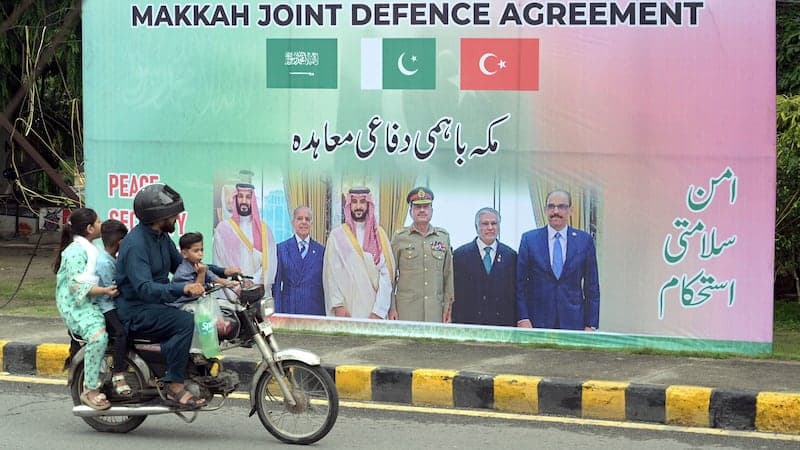
The key facts
- A bill approving the Mecca Joint Defense Agreement (signed on August 7, 2026) has been submitted to the Turkish parliament under the signature of Speaker Numan Kurtulmus.
- The agreement is exclusively defensive in nature, is not directed against any country, and does not override Turkey's obligations to NATO.
- Collective defense is not triggered automatically — any response depends on decisions taken by mutual consent after consultations between the parties.
Bill submitted to parliament
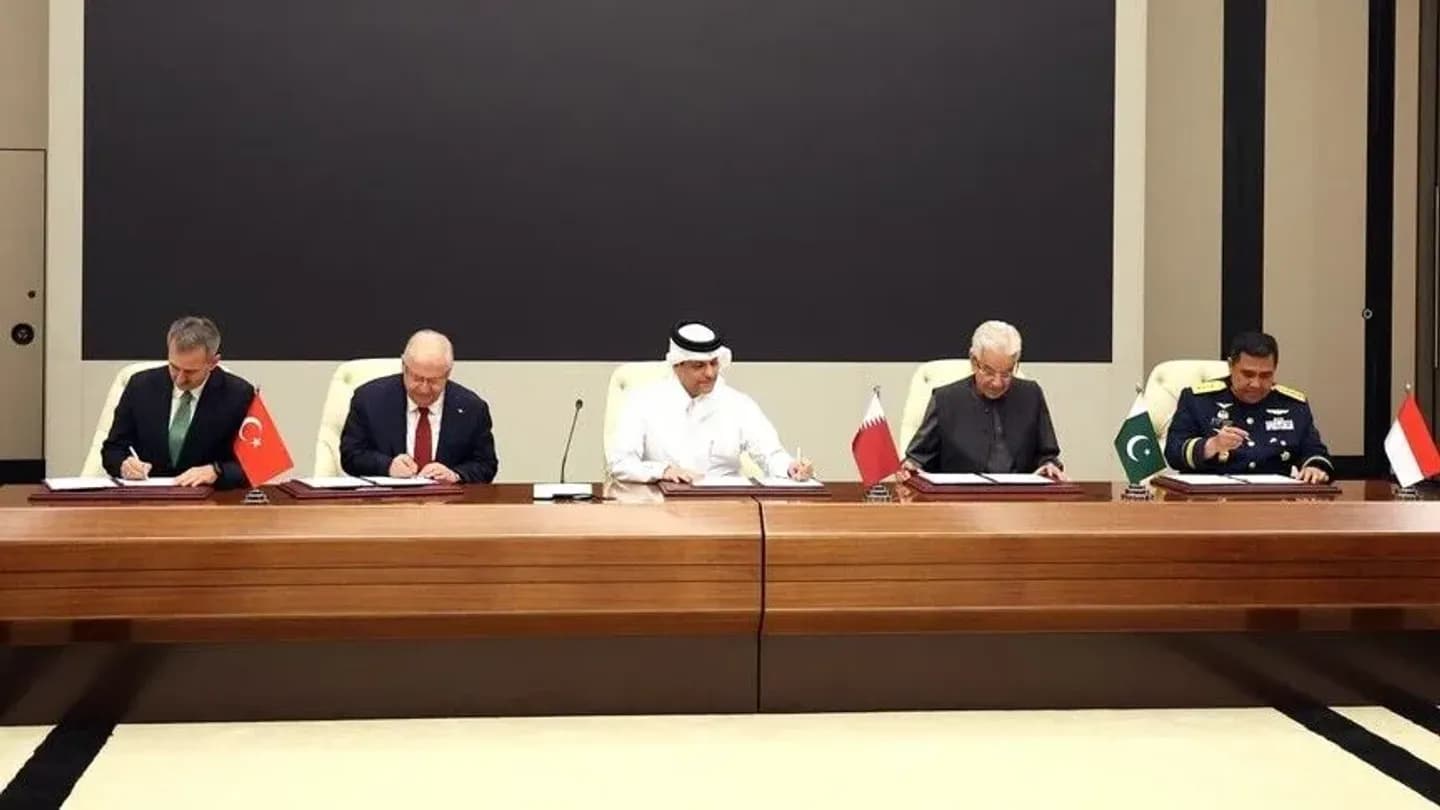
On Wednesday, a three-article bill providing for the approval of a joint defense agreement between Turkey, Pakistan and Saudi Arabia was submitted to the Turkish parliament. The document was submitted under the signature of parliament speaker Numan Kurtulmus and concerns the Mecca Joint Defense Agreement, signed by the three countries in Mecca on August 7, 2026.
Goals of the agreement
According to the explanatory note to the bill, the agreement is aimed at strengthening strategic dialogue and cooperation based on mutual trust between the countries of the region. It is intended to create a security structure based on cooperation and collective deterrence in the Middle East and beyond, and to contribute to developing regional solutions to security problems. The note states that deterring aggression and establishing solid regional stability will have positive socio-economic effects in the medium and long term.
Obligations of the parties
Under the agreement, the three countries undertake to cooperate to protect each other's independence, territorial integrity and sovereignty, and to provide mutual support in exercising the right of self-defense in accordance with the UN Charter. Such measures will be subject to each country's constitutional obligations, national legislation and decisions of competent authorities. The explanatory note clarifies that the collective defense provision is not activated automatically: any response will depend on decisions taken by mutual consent after consultations between the parties.
Military and defense-industrial cooperation
The agreement is aimed at strengthening collective deterrence against threats and attacks that the three countries jointly assess as affecting their security, including terrorism. It also provides for improving interoperability, cooperation and coordination between the parties' armed forces and deepening cooperation in the defense industry.
Attitude toward NATO and openness to other countries
The explanatory note emphasizes that the agreement is exclusively defensive in nature and is not directed against any country. It is based on regional belonging, cooperative security and inclusivity, and is open to countries of the region seeking to contribute to peace, stability and security while respecting international law, territorial integrity, sovereign equality and non-interference in internal affairs. It is noted that the agreement does not override or replace Turkey's existing bilateral and multilateral obligations, and its regional security goals are compatible with NATO's Euro-Atlantic security objectives; Turkey's rights and obligations within NATO will remain unaffected. The agreement is expected to deepen Turkey's bilateral relations with Pakistan and Saudi Arabia in the field of defense and security and to support an inclusive regional security mechanism.
Further procedure
The bill will be considered by the parliament's foreign affairs committee, designated as the lead committee. If approved by the committee, it will be placed on the agenda of a plenary session of the General Assembly of parliament.