The key facts
- Trump publicly criticizes Zelensky; the latter speaks of US 'decisions hard to explain'
- The US postponed sanctions under the Graham Act and, per media reports, struck a diesel deal with Russia
- Questions over intelligence and Starlink: Rubio denies restrictions, citing a 'software issue'
The situation after Oslo
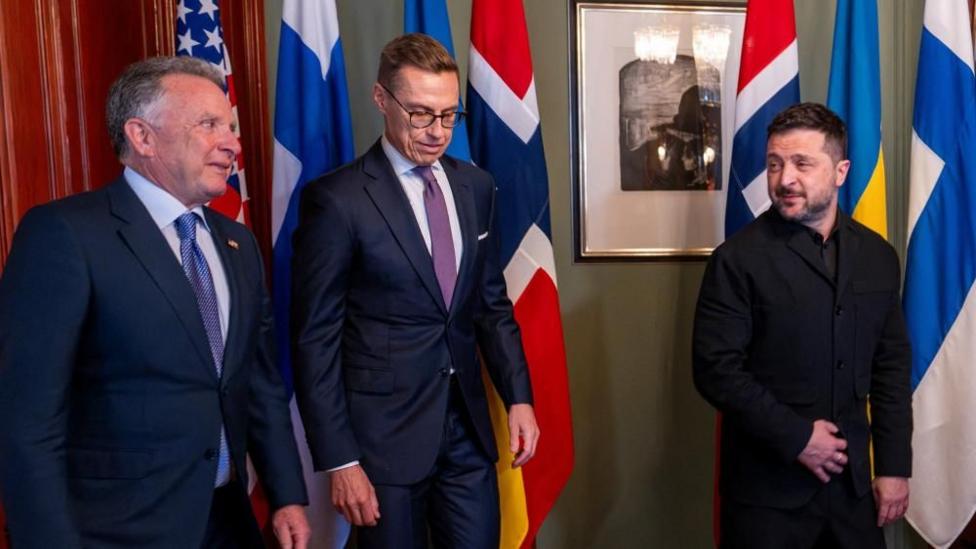
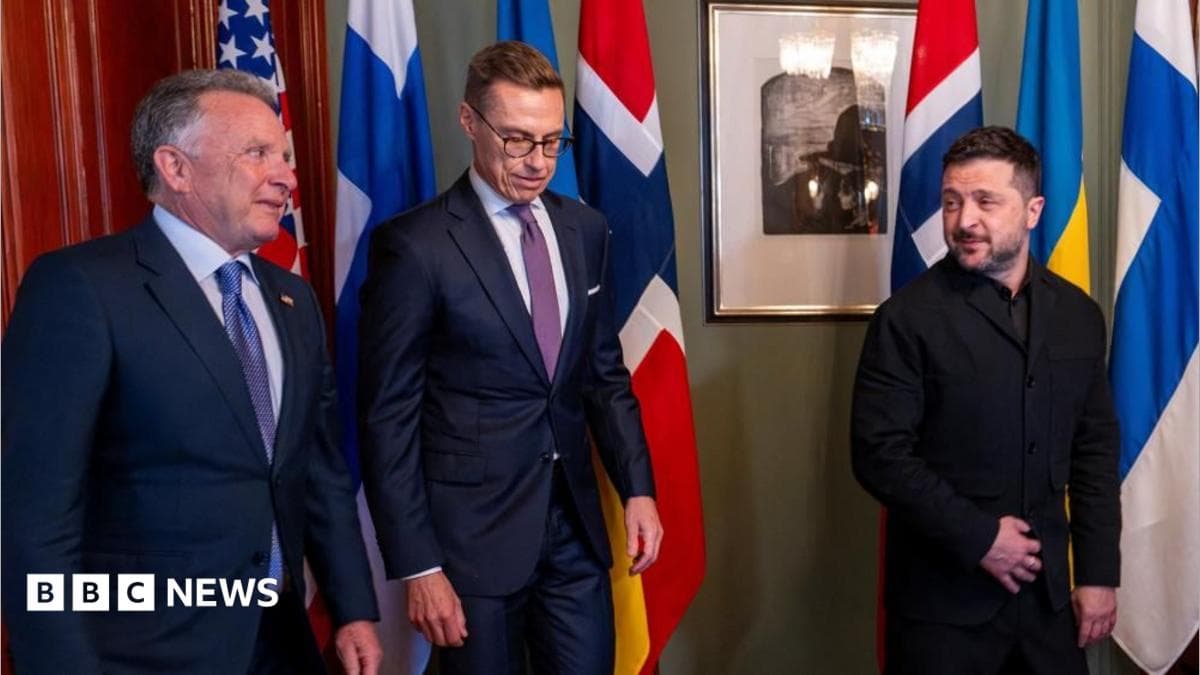
In Oslo, a meeting took place between US envoy Steve Witkoff and Ukrainian President Volodymyr Zelensky. Before the talks, Witkoff hugged Zelensky, who posted a video captioned 'Ukraine is working for peace. Thank you to our partners for their support!'. Norwegian Prime Minister Jonas Gahr Støre said the talks helped 'untangle several issues'. Zelensky reported a productive conversation with the secretary of state and said the early warning problem had already been solved, expressing optimism about Patriot missiles and Starlink. After the meeting, Witkoff is heading to St. Petersburg with updated proposals.
Mutual criticism
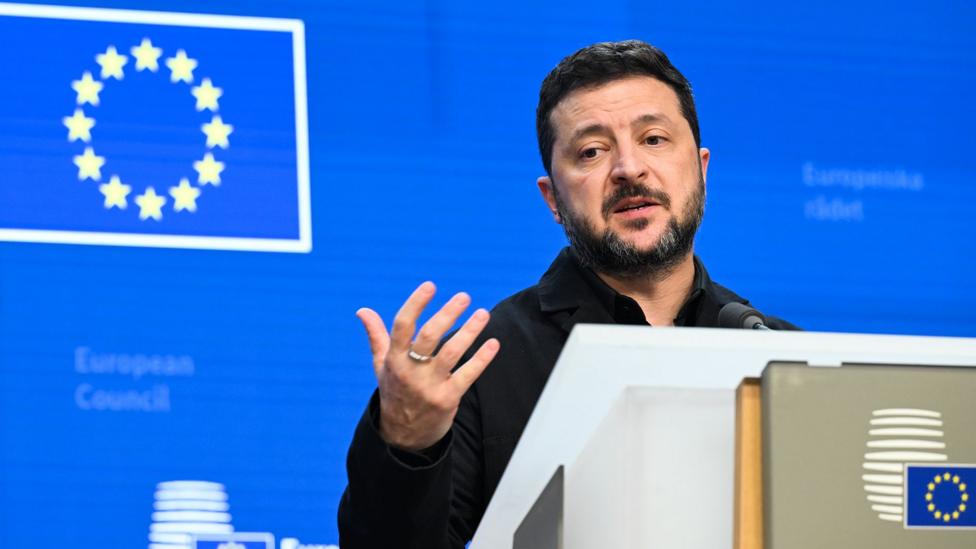
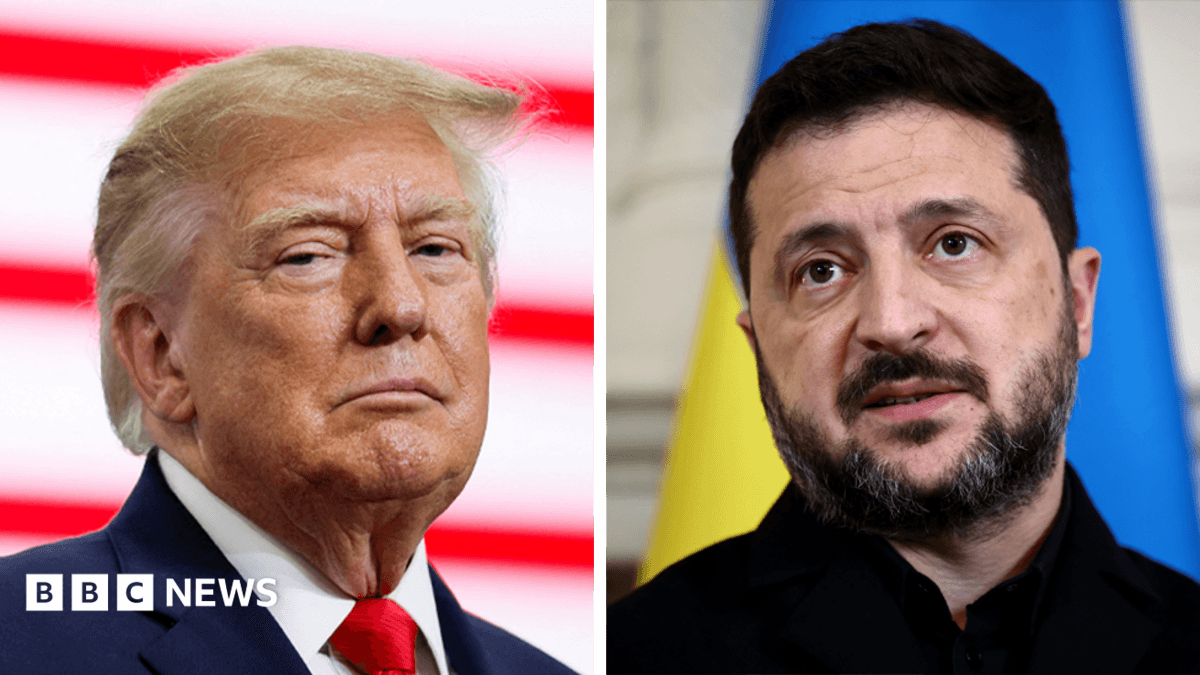
Despite the optimistic tone, the BBC notes signs of a deep rift. Last week Trump told Newsmax: 'It's not good to deal with Zelensky,' and on Monday he said Zelensky 'doesn't know what he's talking about,' responding to his criticism of the diesel deal with Russia. Zelensky, addressing a US congressional delegation, spoke of 'decisions by the American side that are hard to explain between friends' and voiced concern that 'a political decision has been made to slow down support.' On Telegram he wrote: 'We have supported literally EVERY attempt by our partners to bring this war to a dignified end.' Centre for European Reform expert Ian Bond noted that Trump 'can always do a 180-degree turn, but right now it looks bad.'
Sanctions and the diesel deal
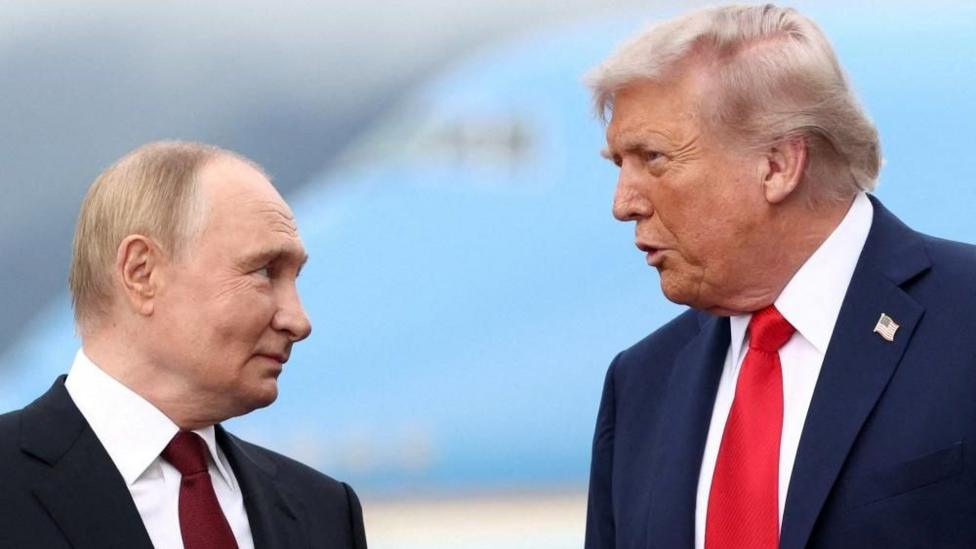
At the start of the month, when Ukrainian negotiators arrived in Miami for meetings with Witkoff and Jared Kushner, it became known that Trump had agreed with Vladimir Putin to open the US market to Russian diesel. Experts doubted the impact on gasoline prices ahead of the midterm elections, but for Kyiv it was a painful signal against the backdrop of its strikes on Russian refineries. On Friday, Trump suspended sweeping sanctions against Russia two days before they were to take effect, saying the sanctions under the Graham Act (named after Lindsey Graham, a supporter of Ukraine who died in July) would hinder his peace efforts. Former US Ambassador to Kyiv William Taylor told the BBC: 'The Trump administration is giving the Russians carrots and the Ukrainians sticks. It is inexplicable and regrettable.' Putin's senior envoy Kirill Dmitriev called the decision 'an important and truly historic moment,' and Russian officials spoke of an 'Alaska spirit' after the Anchorage summit in August 2025.
Intelligence and Starlink
According to the Washington Post, citing an unnamed Ukrainian official, Ukraine has only 'a couple' of Patriot interceptor missiles left in reserve, and the Trump administration has slowed the approval process for transfers from allies; the US has not confirmed this. Zelensky told NBC News that 'for three days during ballistic attacks we did not receive' warnings from American satellite intelligence; on October 12, five Russian S-400 missiles reportedly hit Kyiv before the sirens went off. Secretary of State Marco Rubio denied a pause in intelligence sharing, explaining the disruption as a 'software issue.' A week earlier, Ukrainian authorities reported a 'slowdown' of Starlink that hampered the interception of fast drones; Reuters wrote that the restriction came from the White House, but Rubio stated: 'Nobody in the White House ordered the internet to be slowed.' The origin of the directive remains unclear.
Historical context
The BBC recalls the long-standing mutual distrust: after the famous Oval Office clash in February 2025, the US suspended military aid and restricted intelligence sharing, but the crisis lasted only a week. Later, Europe began paying for American weapons; the scarce Patriot missiles remain the exception. The roots of distrust go back to 2019: Trump sought from Zelensky investigations into 'election interference' and Joe Biden, was refused, and the White House at the time withheld $391 million in military aid, which led to Trump's first impeachment. Whether this grievance affects current policy is an open question, but, according to the correspondent's conclusion, US-Ukraine relations are again experiencing a sharp downturn.
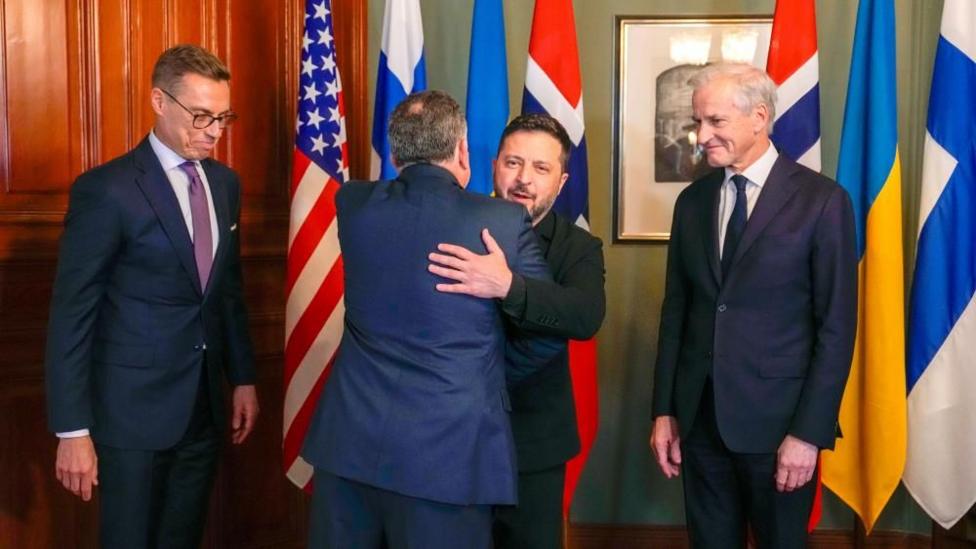 Image source, EPA
Witkoff and Zelensky met in the Norwegian capital
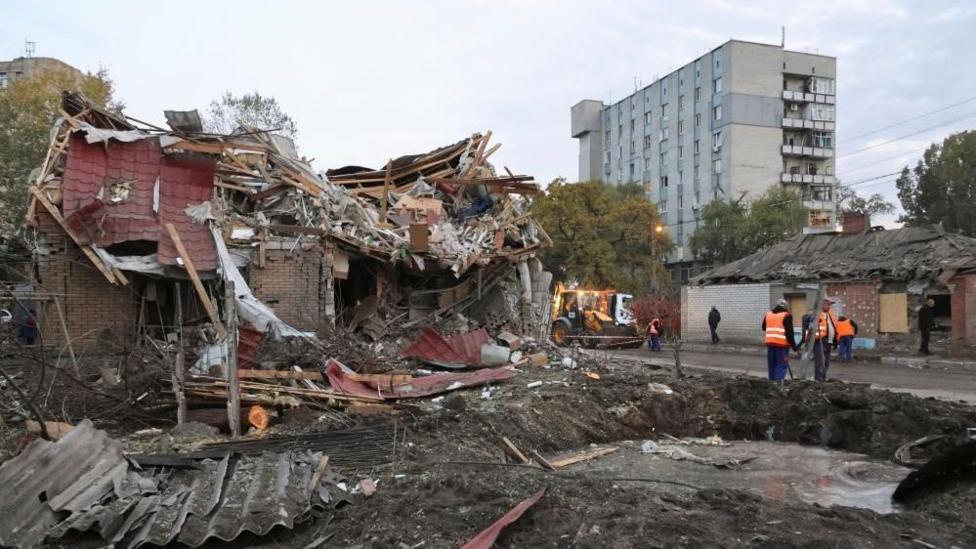 Image source, EPA
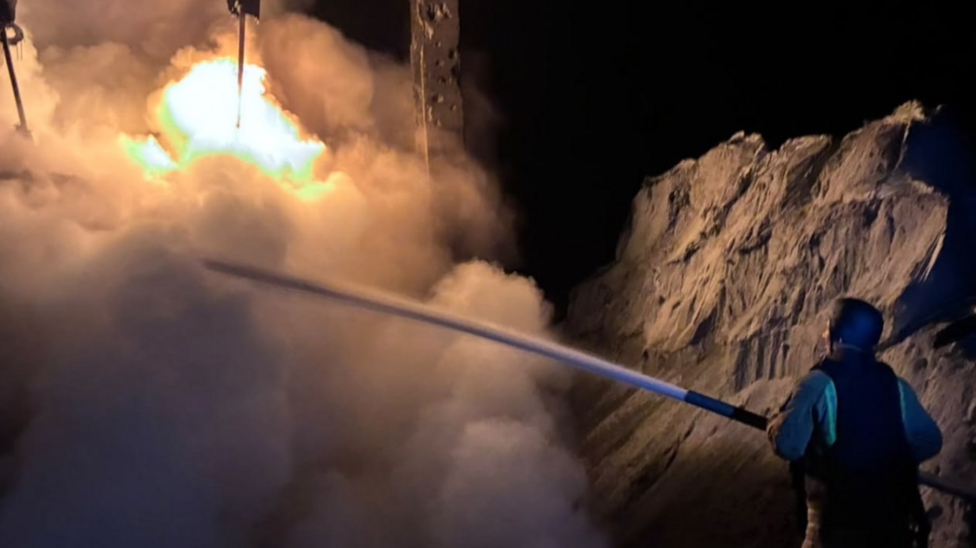
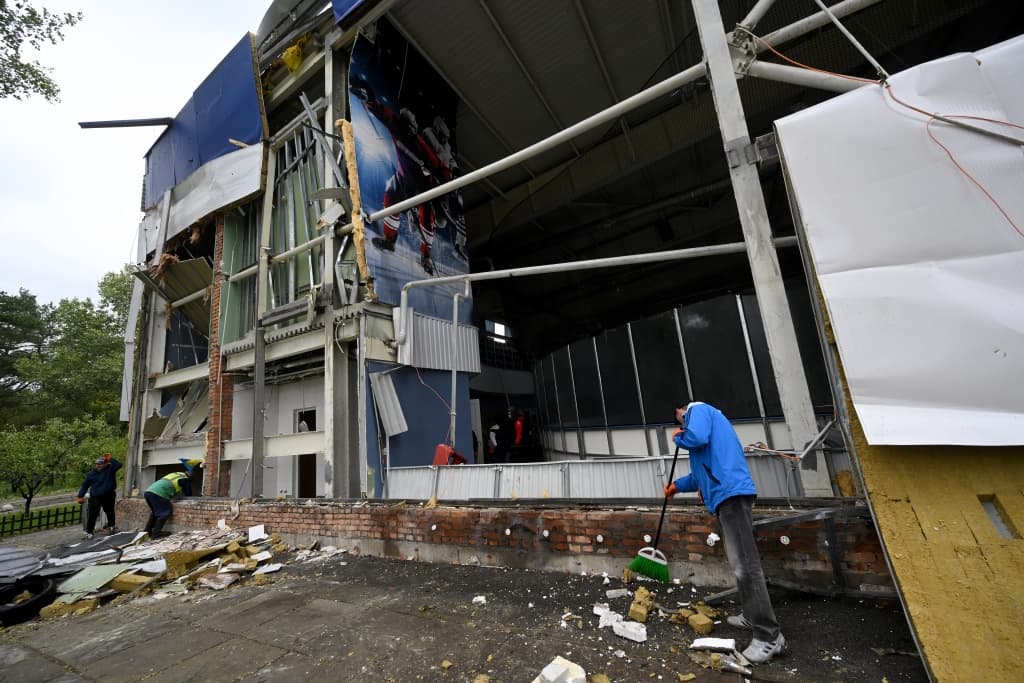
Russian strikes on Ukraine have continued unabated