The key facts
- Fuel levy cut: 3 rand/litre for diesel and 1.50 rand/litre for petrol, from 4 November to 1 December, costing 10 billion rand ($611 million)
- In October petrol prices exceeded 30 rand per litre; 2026 economic growth is forecast at 1.2% instead of 1.6%
- Public debt is forecast to stabilise at 78.4% of GDP in 2025/26 — the first such pause in almost two decades
Temporary fuel levy cut
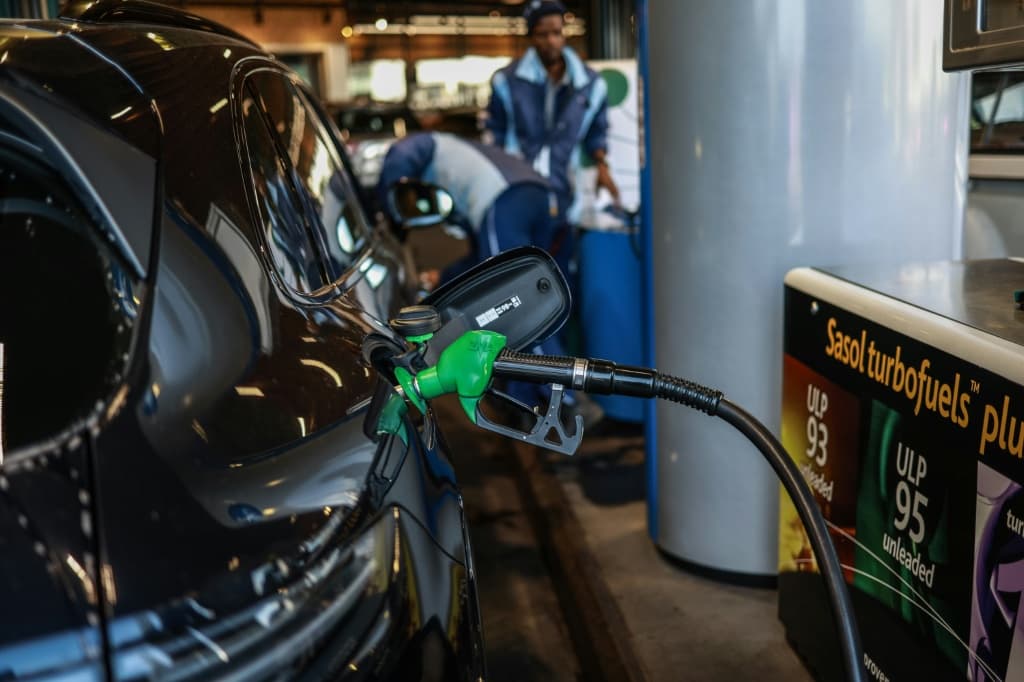
South Africa has announced new measures to ease fuel prices amid record costs at the pumps and instability on global energy markets. Finance Minister Enoch Godongwana, delivering the mid-term budget statement, said the general fuel levy will be cut by 3 rand ($0.18) per litre of diesel and by 1.50 rand per litre of petrol. The relief takes effect on 4 November and will run until 1 December; in the new year, according to him, a smaller reduction will remain in place.
Cost of the measure and its funding
The measure will cost the treasury 10 billion rand ($611 million) in forgone revenue. Compensation is planned through the return of funds previously transferred to the state-owned Central Energy Fund, which supports the country's energy security.
Context of record prices
In October pump prices reached record levels: petrol exceeded 30 rand per litre, diesel was even more expensive, and paraffin (kerosene), which low-income households rely on for cooking and heating, also rose in price. South Africa, which imports most of its fuel, has been hit hard by price swings and supply disruptions caused, according to AFP, by the US and Israel's war against Iran and the blockade of the strategic Strait of Hormuz. The new levy cut follows a similar measure in March; the government seeks to contain the impact of the rising cost of living ahead of local elections next month.
Budget picture and growth forecast
Godongwana said: 'Despite global volatility, South Africa is weathering the storm far better than our peers because we have been able to consistently take tough decisions over the past five years, which has allowed us to build budget reserves and strengthen resilience.' Corporate tax, dividends and VAT collections came in above expectations, improving the revenue forecast for 2026/27. However, a significant part of the improvement is linked to high commodity prices and, as expected, will fade in the medium term.
Economic slowdown and debt
The growth forecast for 2026 has been lowered to 1.2% from the 1.6% expected in February. In 2027 growth is forecast to reach 1.6%, and by 2029 — 2%. Public debt is expected to stabilise at 78.4% of GDP in 2025/26 — the first such pause in almost two decades.