The key facts
- The law was passed by the lower chamber on June 10, 2025, and approved by the Senate on April 8, 2026
- The Committee on Innovations and IT deemed the president's proposals justified and proposed removing the law from consideration
- It was not disclosed which norms drew objections from the head of state
Law removed from consideration
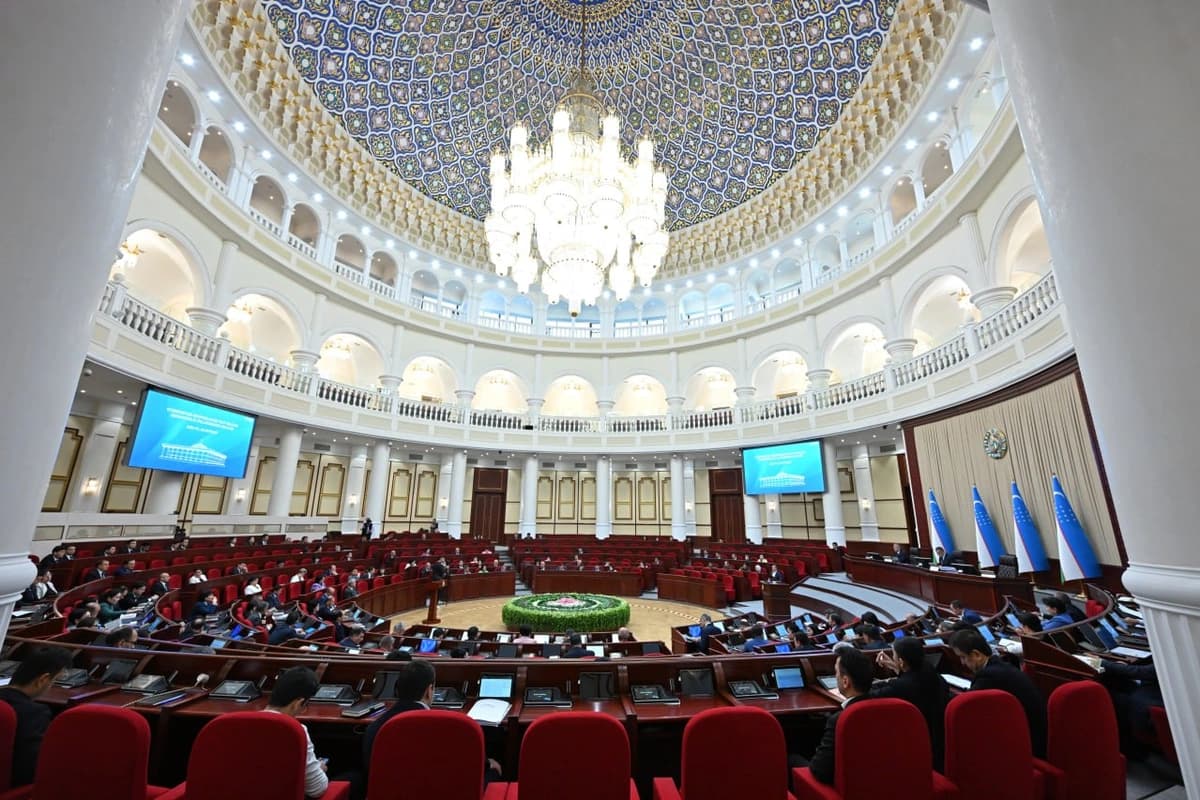
Uzbekistan's President Shavkat Mirziyoyev returned for repeated consideration the law on improving the activities of payment system operators and payment organizations, previously adopted by parliament. This became known on October 13 at a session of the Legislative Chamber of the Oliy Majlis, Gazeta reported. The lower chamber adopted the law on June 10, 2025, and the Senate approved it on April 8, 2026.
Committee decision and vote
Member of the Committee on Innovative Development and Information Technologies Atkham Nazirkulov said the committee had studied the head of state's proposals and concluded that they were justified, so further consideration of the law in the Legislative Chamber was inexpedient. The presiding officer put the draft resolution to remove the document from consideration to a vote, and the deputies supported it. No discussions or questions to the speaker followed.
What remained unclear
At the session, it was not disclosed which specific provisions of the law drew the president's objections and why it was decided to abandon further consideration instead of introducing amendments. It was also not clarified whether a new bill regulating the activities of payment organizations and payment system operators is planned.
What the law provided for
The law was aimed at improving the regulation of payment system operators and payment organizations, enhancing payment security and protecting users from financial fraud. It enshrined the concepts of an 'anti-fraud system' and a 'virtual payment terminal', as well as requirements for information security, risk management and fraud prevention.
Capital and investor requirements
Payment organizations were to be created exclusively in the form of joint-stock companies with a minimum charter capital of 20 billion soums, and for payment system operators — 50 billion soums. The capital had to be fully formed and placed in a bank account before submitting a license application; the use of credit, pledged and other encumbered funds, as well as funds suspected of criminal origin, was prohibited. The aggregate share of non-residents not belonging to international financial institutions, foreign banks and specialized payment and credit organizations, as well as those falling under the restriction of individuals, was not to exceed 50%. It was proposed to remove the setting of minimum charter capital amounts from the powers of the Central Bank, since these requirements were enshrined in the law. According to the explanatory materials, the changes were intended to reduce the risks of financial fraud, untimely fulfillment of obligations and violations of users' rights. Which of these provisions became the subject of the president's objections is unknown.