The key facts
- The conflict between Pakistan and the Afghan Taliban has continued since February 2026; in March Pakistan's defense minister spoke of an 'open war'
- Kabul denies providing sanctuary to the TTP; Pakistan accuses India of supporting the Taliban and the TTP, which India rejects
- Experts: India may expand its influence, but the Taliban will pursue a diversified policy, and trade routes through Pakistan and Iran are limited
Timeline of the Escalation
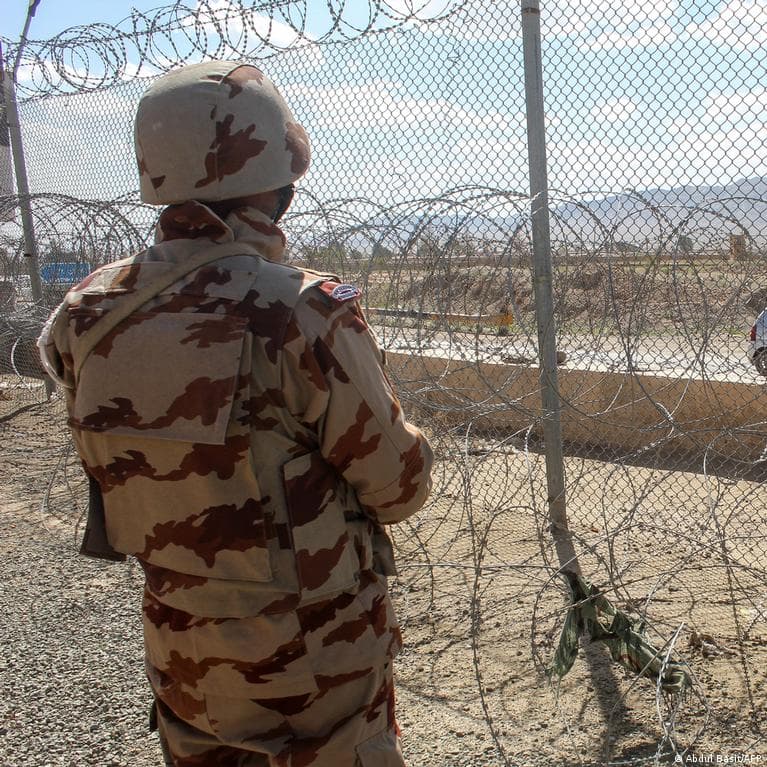
The current round of tension between Pakistan and Afghanistan began in February 2026, when Pakistan carried out strikes on Afghan territory targeting Taliban militants. In March, Pakistan's defense minister said the country was in a state of 'open war' with Afghanistan. Periodic flare-ups of violence have continued since then; in early October, new Pakistani strikes on 'terrorist centers' of the Afghan Taliban were reported. At the core of the dispute are Islamabad's accusations against the Kabul authorities of allowing the Tehrik-i-Taliban Pakistan (TTP) to attack Pakistan from Afghan territory. Kabul denies providing the group sanctuary.
Opportunities for India — With Caveats
Afghanistan expert Shanthie Mariet D'Souza, founder of the Indian Institute of Strategic Studies Mantraya, believes the conflict 'presents a significant diplomatic and strategic opportunity for India': it has weakened Pakistan's traditional influence in Afghanistan and pushed the Taliban to expand external ties. India, she says, can expand its diplomatic presence, humanitarian aid, development projects and trade, seeking guarantees that Afghan territory will not be used by anti-India groups. At the same time, she cautions against interpreting what is happening as a fundamental realignment: there is no ideological affinity between India and the Taliban, and Kabul will likely pursue a diversified foreign policy. India lacks the geographic advantages, economic leverage and security presence to replace Pakistan's influence; 'the scenario of the Taliban turning into a strategic ally remains unlikely,' she noted.
Caution From Former Diplomats
Former Indian ambassador to Afghanistan Amar Sinha objects to viewing the conflict as an opportunity for New Delhi at Pakistan's expense: 'These issues have very little to do with India,' he told DW, adding that India is not seeking strategic gains from the fighting, and pointing to the consequences of Pakistani strikes for Afghan civilians. In his view, the rupture in relations has made Kabul's search for alternative partners more pressing, but this opens opportunities, not a strategic rapprochement: the Taliban may turn to India for assistance while maintaining ties with China, Russia, Iran and the Gulf states. Another former ambassador, Gautam Mukhopadhaya, sees the crisis as a chance to regain positions lost after the Taliban's return to power in 2021, but warns that India's treatment of Afghans — restrictions on visas for study, scholarships, work and medical treatment — could undermine its efforts. 'Essentially, the Indian security establishment views Afghans as proxy Pakistanis and by default as