The key facts
- Houthi attack on Riyadh airport on October 10: 13 killed, more than 300 wounded, airport closed
- Future Investment Initiative ('Davos in the Desert') cancelled, the Neom megaproject scaled back
- IMF revised its forecast: a 3.3% economic contraction instead of the 1.7% growth expected in July
The country is effectively paralyzed
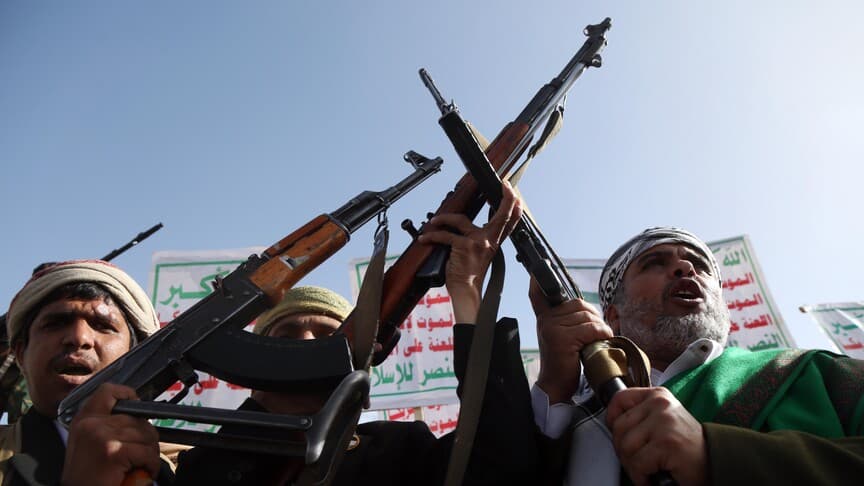
Houthi attacks from Yemen on Saudi Arabia have led to airport closures and the effective shutdown of the capital, dealing a blow to the kingdom's ambitious plans to restructure its economy and attract foreign investment. Ten years ago, the country's de facto ruler, Crown Prince Mohammed bin Salman, launched the Vision 2030 program aimed at diversifying the economy away from oil and turning the monarchy into a hub for tourism, international events, and multinational companies. The plan, already weakened by Iranian attacks on US allies in the Persian Gulf during the broader Middle East war, has now, according to AFP, faced unprecedented Houthi attacks, primarily on oil infrastructure and airports. H.A. Heller, an analyst at the Royal United Services Institute (RUSI), said he could not recall another period when the challenges facing the crown prince were more acute: Iran on one side, and the Houthis allied with it on the other.
Airport strike and event cancellations
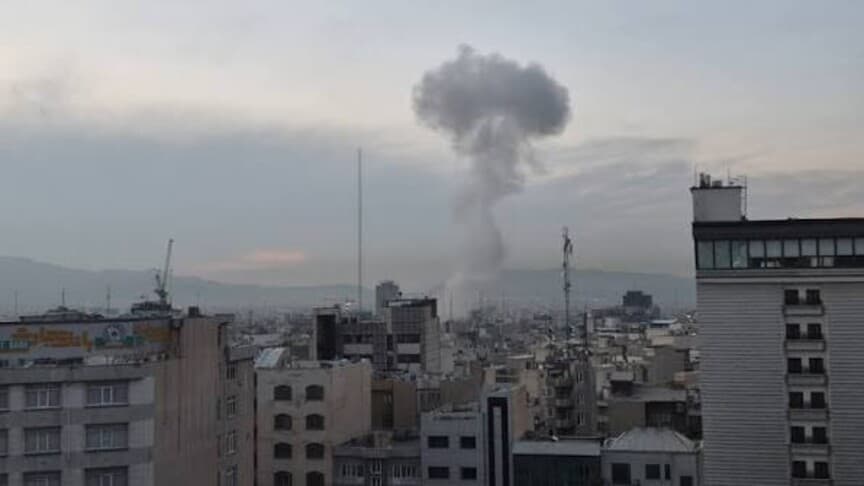
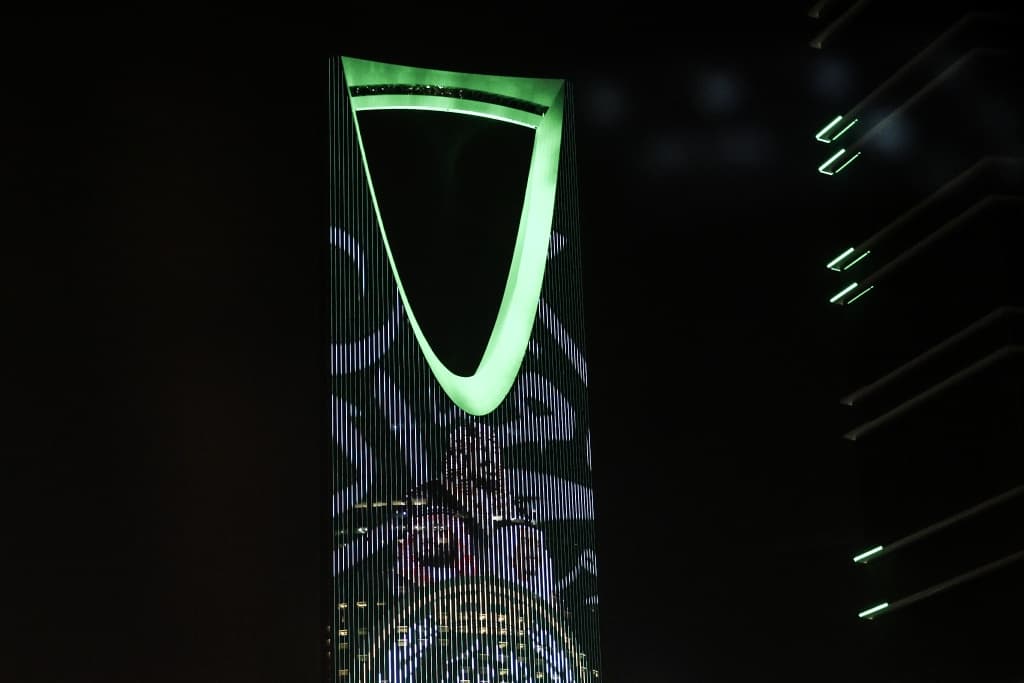
On October 10, a Houthi attack on Riyadh's international airport killed 13 people and wounded more than 300 — the deadliest strike on the kingdom in more than a decade; the airport has been closed ever since. An anonymous consultant to the Saudi government told AFP that the deeper risk is that boards of directors will begin to perceive Saudi Arabia as an active conflict zone: if such a perception becomes entrenched in risk models and insurance premiums, it will take many years to eliminate. A number of major events have been cancelled, including the Future Investment Initiative (FII), dubbed 'Davos in the Desert' and considered a pillar of the diversification drive. The uncertainty has increased pressure on Vision 2030: several megaprojects, above all the hyper-futuristic megacity Neom, have been scaled back. In Riyadh, the famous Kingdom Centre skyscraper instructed its office tenants, including the International Monetary Fund, to work remotely until further notice.
Economic consequences and the US position
The world's largest exporter of crude oil, according to the latest IMF forecasts, will face a 3.3% economic contraction — a forecast revised from the 1.7% growth expected in July. The kingdom faces a new reality in which US protection is no longer guaranteed: President Donald Trump, preparing for the midterm elections, showed reluctance to provide support in Yemen. Laurence Bonnua, a researcher at CERI/Sciences Po in Paris, noted that Saudi Arabia finds itself in a delicate position in the face of Houthi attacks and US hesitancy, which, he said, have so far refused to provide the necessary military support. According to Verisk Maplecroft analyst Torbjorn Soltvedt, Riyadh has secured the support of allies including France, the United Kingdom, Turkey, and Pakistan to mitigate the Houthi threat, but all of them are reluctant to go beyond defensive measures and are unwilling to send troops to Yemen.
The conflict and assessments of the future
The Houthis rely on an extensive arsenal accumulated over years with Iranian support. After a shaky four-year truce, fighting resumed in July when Sanaa airport was attacked after Iran sent a plane in violation of Saudi control — the Houthis blamed Riyadh for the strike. The group possesses a large number of long-range missiles and drones, and has taken control of the Bab el-Mandeb strait leading to the Suez Canal. Bonnua recalled that after the course of 'strength and regional projection,' Riyadh around 2019, faced with a 'stalemate' in Yemen, changed course and focused on economic goals. Saudi analyst close to the government Ali Shihabi stated that the kingdom 'has faced recurring challenges for decades' and will survive this crisis too, relying on global supply chains and a network of allies, whereas the Houthis 'ultimately have only Iran, and Iran itself is under serious strain.' Soltvedt, however, pointed out that the risks arose before the current conflict: reassuring investors about geopolitical risks has long been a problem for Riyadh — from the attacks on the heart of the energy sector on the eve of the Saudi Aramco IPO in 2019 to the start of the regional conflict this year. In his words, absent a resolution to the conflict, the threat of drones and missiles from various directions and from various sides will continue to weigh on investors.