The key facts
- Russia and China hope to agree on the commercial terms of the 'Power of Baikal' gas pipeline by the end of 2026 — Deputy Prime Minister Alexander Novak announced this.
- The project, with a capacity of up to 50 billion cubic meters per year, will link Western Siberia and Yamal with China through Mongolia, where the 'Soyuz Vostok' transit gas pipeline will be built.
- The pipeline was renamed to distinguish it from the operating 'Power of Siberia' and to reflect the route along the southern shore of Lake Baikal.
Talks between companies are underway; agreements are expected by the end of the year
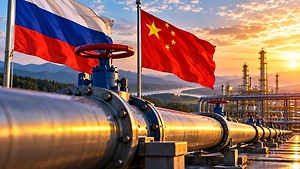
Russia and China expect to agree on the commercial terms of building the 'Power of Baikal' gas pipeline, previously known as 'Power of Siberia — 2', by the end of 2026. Russian Deputy Prime Minister Alexander Novak told journalists about this. According to him, further progress on the project depends on the results of negotiations between Russian and Chinese companies. 'We are waiting for our companies to hold commercial negotiations. We hope that by the end of the year they will reach the relevant agreements,' Life.ru quotes Novak as saying.
Why the project was renamed
The Deputy Prime Minister also explained the name change: the new name makes it possible to distinguish the future pipeline from the operating 'Power of Siberia' and at the same time points to the geography of the project. The route is expected to run along the southern shore of Lake Baikal.
Project parameters
The project provides for the transportation of up to 50 billion cubic meters of Russian gas per year from Western Siberia and Yamal to China through Mongolia. For this purpose, the 'Soyuz Vostok' transit gas pipeline is planned to be built on the territory of Mongolia. Novak previously suggested that the construction of the new pipeline could become one of the topics of Russian-Chinese talks at the APEC summit in November.
Context: the operating 'Power of Siberia' and the 2025 memorandum
'Power of Siberia' is a trunk gas pipeline connecting fields in Eastern Siberia with the Chinese gas transmission system; it has been operating since December 2019, and its design capacity is 38 billion cubic meters of gas per year. In contrast, 'Power of Baikal' is to deliver gas from Western Siberia and Yamal through Mongolia with a capacity of 50 billion cubic meters annually. Life.ru previously reported on the signing of a legally binding memorandum on the construction of 'Power of Siberia — 2': the document was drawn up in September 2025 following agreements between Russia, China and Mongolia, and then Gazprom head Alexey Miller confirmed plans to lay the new route through Mongolian territory.