The key facts
- Araghchi: the strait remains closed until an agreement with the US, but diplomacy is possible; talks are going through Pakistan and Qatar
- FT: Netanyahu prepared a multi-day strike campaign for the weekend of October 10, cancelled due to Trump's position ahead of the November 3 elections
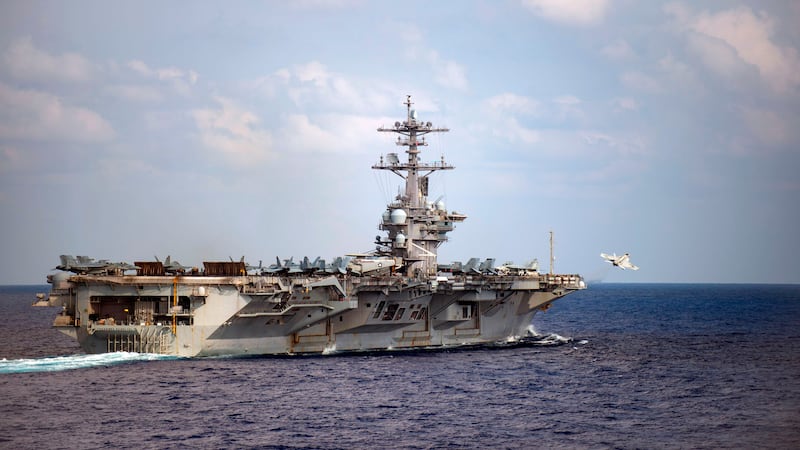
- The US is sending USS Theodore Roosevelt and the 13th Marine Expeditionary Unit; Brent reached $111.99 — the highest since May 20
Tehran's position
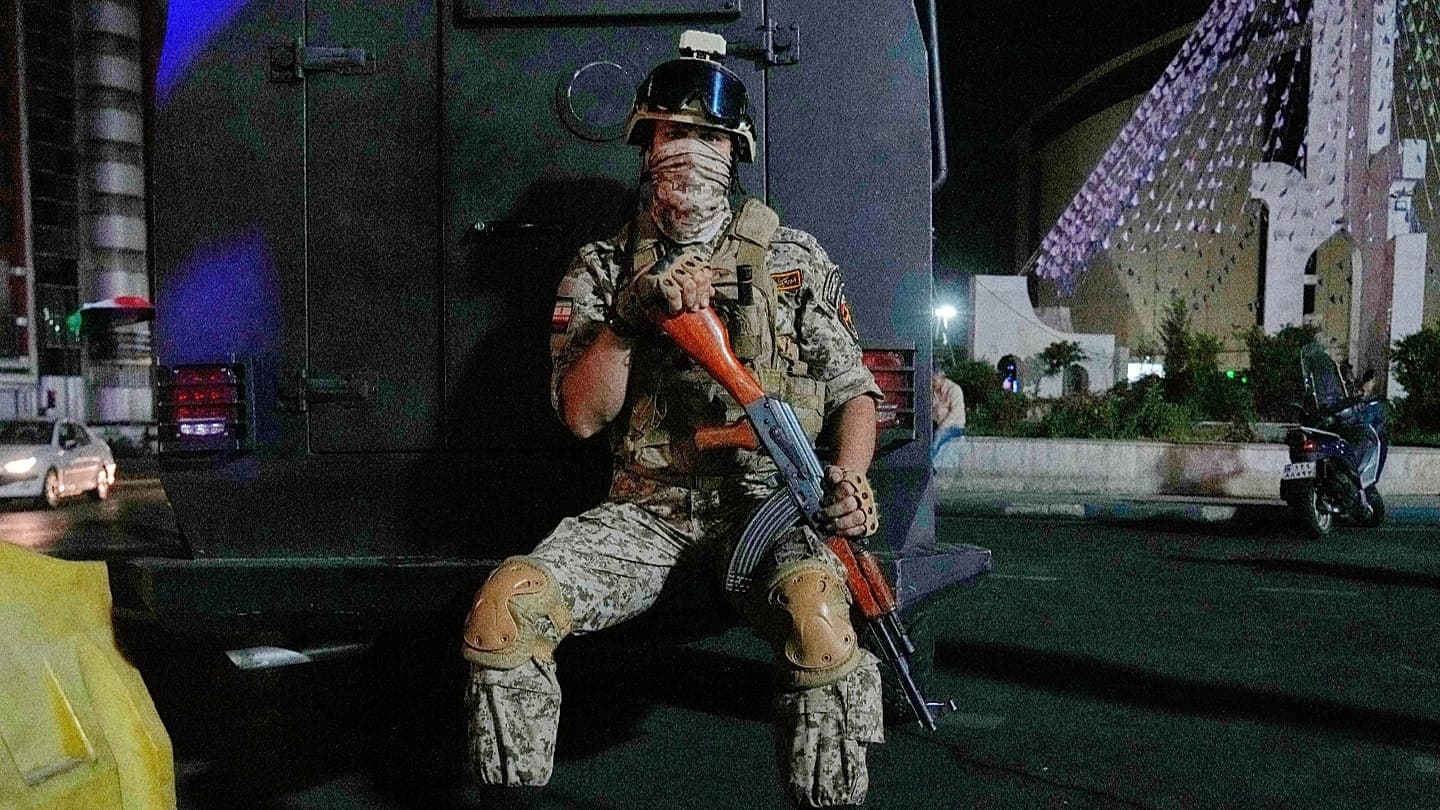
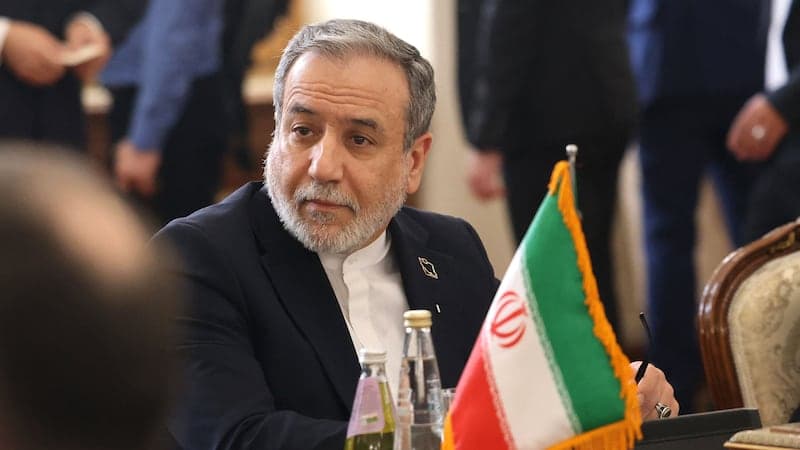
Iranian Foreign Minister Abbas Araghchi said in an interview with Iraqi state television that the Strait of Hormuz will not be opened to everyone until an agreement or mutual understanding on it is reached. According to him, indirect talks between Iran and the US continue through intermediaries — Pakistan and Qatar. Araghchi allowed that 'every possibility exists in the future,' including a new war by the US and Israel, but stressed that diplomacy remains possible. He also called the nuclear issue merely a 'pretext' and repeated that Iran is preparing for possible new strikes.
FT article and accusations against Washington
In a column for the Financial Times, Araghchi accused Washington of threatening new violence while showing no readiness for diplomacy. 'Any further escalation around the Strait of Hormuz or elsewhere in the region will endanger the lives of civilians and the well-being of all states of the region and the global economy,' he wrote. In his view, 'there is little reason to expect progress now,' since the White House has shown no readiness for understanding.
Tanker incident
The Islamic Revolutionary Guard Corps (IRGC) said an oil supertanker carrying more than two million barrels exploded after hitting a naval mine near the Strait of Hormuz late on Tuesday. This claim, like a number of previous similar IRGC claims, remains unconfirmed.
Mediation by Pakistan and Qatar
On Tuesday, Pakistan's army chief of staff, Field Marshal Asim Munir, arrived in Tehran with an official delegation to mediate between the parties. Qatar said that communication between Washington and Tehran 'has not stopped' and that the goal is to find a solution as soon as possible. Qatar also warned that threats to undersea cables, naval mines and oil spills in the strait would harm countries across the entire region.
Israel's and the US's military plans
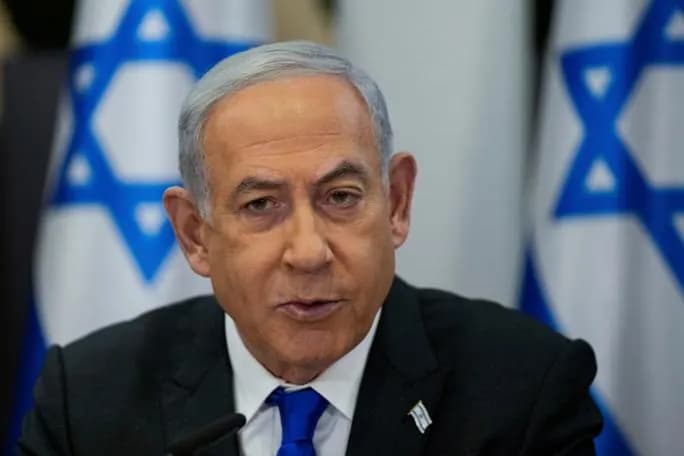
According to the FT, citing three sources, Israeli Prime Minister Benjamin Netanyahu earlier this month ordered the army to prepare for a major new offensive. The military prepared a multi-day bombing campaign for the weekend of October 10, which was to hit civilian infrastructure, including power plants, as well as nuclear facilities and sites linked to Iran's leadership. The operation was postponed due to objections from Donald Trump, who did not want to renew the conflict before the US midterm elections on November 3. According to the FT, the campaign was to be more intense than the joint US-Israeli offensive on Iran in February. Netanyahu and Trump continue to threaten a resumption of military action, stating that the US and Israel must 'finish' the job against Iran.
US force redeployment
Fox News, citing two American officials, reported that the US is sending the USS Theodore Roosevelt carrier strike group and the 13th Marine Expeditionary Unit to the region — about 10,000 sailors and marines by the end of November. This will be the third American aircraft carrier in the region. CNN previously reported that the US has developed strike plans that may include the use of the GBU-43/B Massive Ordnance Air Blast ('Mother of All Bombs') — the largest non-nuclear bomb in the American arsenal — against Iran's energy and nuclear infrastructure, including the deeply buried Pickaxe Mountain site near the nuclear complex in Natanz. On Monday, US Defense Secretary Pete Hegseth made an unannounced visit to Israel and met with Netanyahu amid discussions of the possibility of resuming major combat operations before the American vote. The visit took place a day after Trump publicly endorsed Netanyahu's candidacy in the Israeli elections.