The key facts
- Deforestation around Boali for charcoal is lowering the water level and oxygen in the Mbali River, making it difficult for fish to reproduce
- Fishermen report meager catches and smaller fish; the Boali market is experiencing shortages
- WWF: Africa has the world's highest per capita freshwater fish catch — 2.6 kg per year
The Mbali River is losing its fish
Fisherman Jean-Romeo Sengemboli on the Mbali River in the southwestern part of the Central African Republic, near the town of Boali, pulls up his nets almost empty. “The fishing is terrible,” he told AFP, adding that the main problem is massive tree felling. According to him, if the trees disappear, the land will burn out, the water will dry up even more, and there will be no fish left.
The mechanism of deforestation's impact
Experts note that deforestation lowers the river's water level, makes it more turbid and reduces oxygen content, which makes it difficult for fish to reproduce. Yves Kaengonza, an expert at the ministry of water and forestry, explained that felling trees around the riverbed leads to increased water turbidity, lower oxygen levels and the destruction of spawning grounds: “When the depth is insufficient, fish lose their shelter. They cannot reproduce. As a result, fish numbers decline.”
Shortage at the market
Sellers at the Boali market increasingly cannot find fish for their stalls. “Fish is becoming scarce, and demand is growing. Buyers even come from Bangui to stock up. As a result, even we, the residents of Boali, do not have enough fish,” said seller Flor Waguebele, adding that the shortage has become a serious problem. Fishermen also report that fish are getting smaller: Sengemboli links this to heat waves and climate change — carp used to be bigger.
Charcoal as a source of income
Charcoal production is a growing business in the forests around Boali: charcoal is sold across the country, one of the poorest in the world, and especially in the capital Bangui, where demand for household fuel is high. Charcoal producer Saint-Cyr Gaba from the village of Gbaho acknowledged the consequences: from August, a dry period often sets in, waters dry up, and residents have to struggle for basic needs. “As long as we have no choice but to produce charcoal in order to survive,” he said.
WWF context and the global agenda
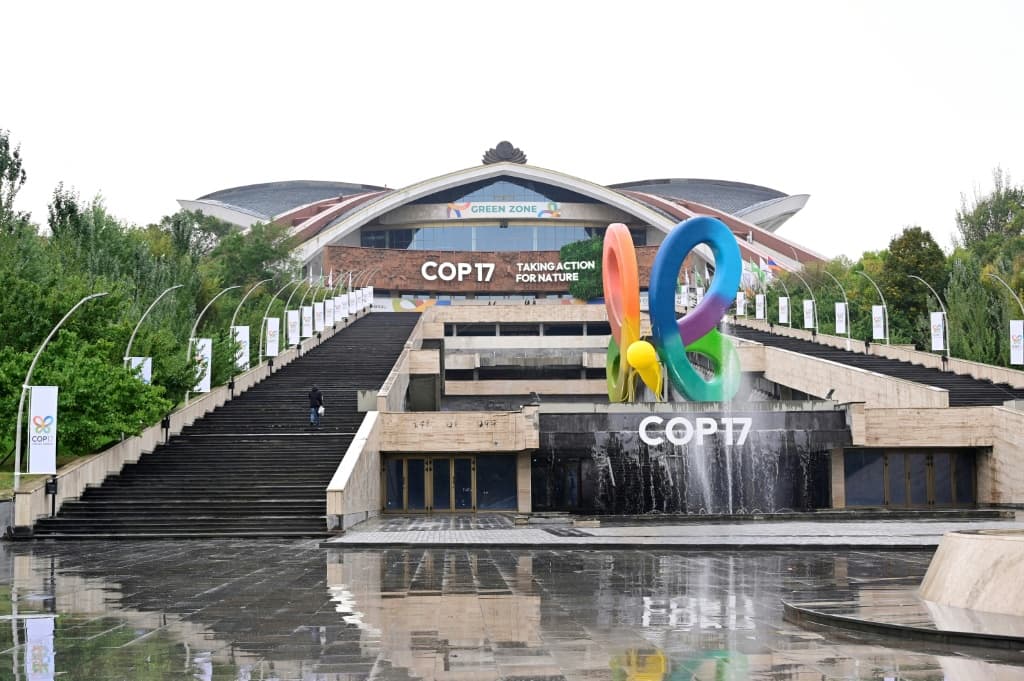
According to a WWF report from last year, Africa has the world's highest per capita annual freshwater fish catch — an average of 2.6 kg. The organization noted that deforestation affects runoff patterns and water temperature and increases silting due to soil erosion, and that risks to freshwater fish are often invisible and ignored, unlike threats to land species. WWF also pointed out that Africa's freshwater ecosystems are harmed by the construction of dams and irrigation canals, the conversion of land and wetlands to agricultural use, urbanization and mining. Meanwhile, nearly 200 countries at the UN biodiversity summit in Armenia are discussing combating deforestation, pollution and overexploitation of natural resources.