The key facts
- De Wever is confident the EC will not propose a new scheme using Russian assets at Euroclear
- Last year, EU leaders agreed on a €90 billion loan instead of confiscating around €185 billion in assets
- Zelensky requested an additional €70 billion for next year; De Wever criticizes Dutch PM Rob Jetten for supporting confiscation
Statement by the Belgian Prime Minister
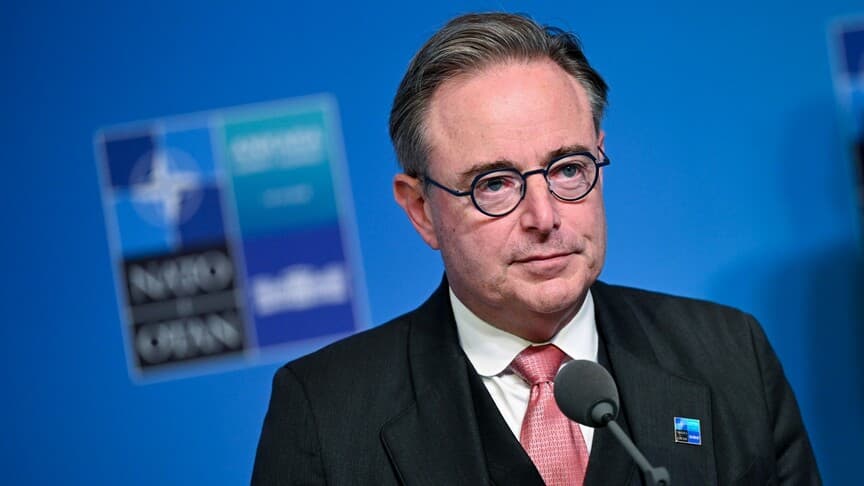
Belgian Prime Minister Bart De Wever said on Wednesday, speaking before the Federal Consultative Committee on European Affairs, that he is confident the European Commission will not propose financing Ukraine's needs through a new operation involving frozen Russian assets. According to the Belga agency, he referred to the discussion of the topic at the previous EU summit, where the commission, in his words, assured leaders that it would not return to the question of the assets held at Brussels-based Euroclear. “I am confident that the European Commission will not put forward proposals to meet Ukraine's financial needs through a new operation related to Russian assets. I am confident of this because that is exactly what was said,” Anadolu quotes him as saying.
Context: a €90 billion loan and Zelensky's request
Last year, De Wever strongly opposed a proposal to use about €185 billion ($207 billion) in frozen Russian assets at Euroclear to support Ukraine. Instead, EU leaders agreed on a €90 billion loan for Ukraine for this year and the next, however, as the outlet notes, these funds are expected to be insufficient to cover Kyiv's needs. At the previous summit, Ukrainian President Volodymyr Zelensky requested an additional €70 billion for next year.
Criticism of Jetten and a warning about legal risks
De Wever did not rule out that other EU countries may raise the question of using the frozen assets again. He criticized Dutch Prime Minister Rob Jetten for publicly supporting the confiscation of the funds: “Not everyone took part in last year's discussion. New leaders have emerged who are developing a line of argument that I nipped in the bud last year.” The Belgian prime minister also warned that even public statements in support of confiscating Russian assets could have legal consequences. According to him, this warning influenced other leaders during the summit, and there is no longer any “overwhelming enthusiasm” among them for advancing the proposal.