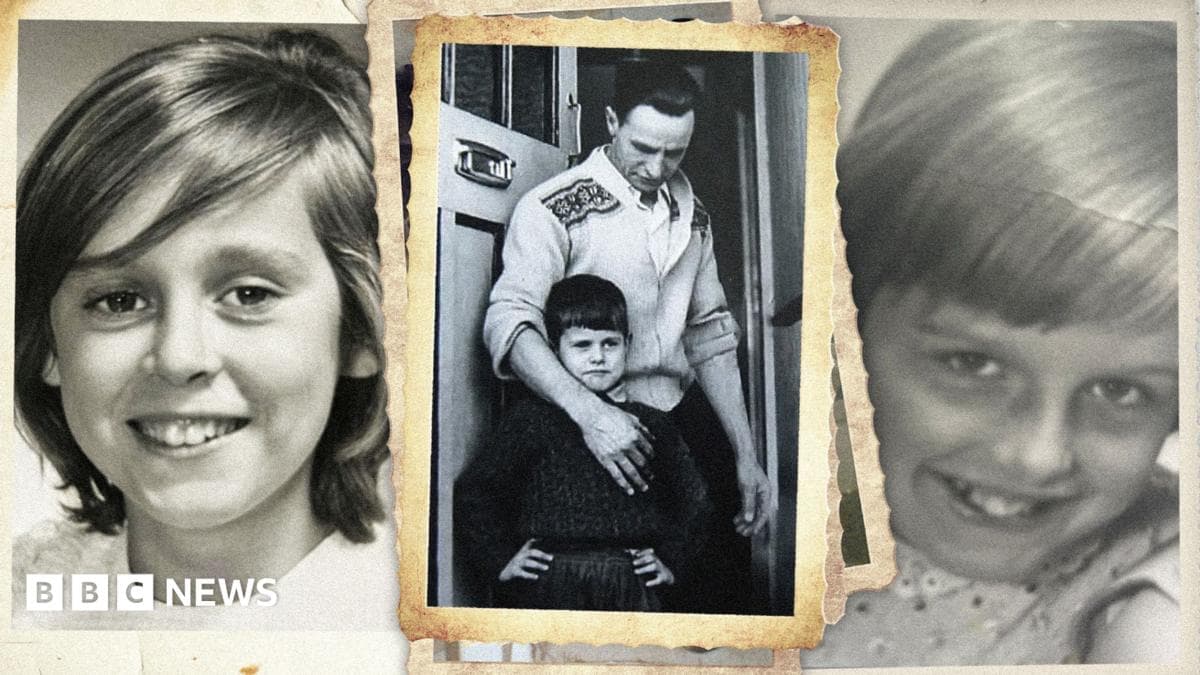
The key facts
- On 21 October 1966 at 09:15 a coal-tip landslide engulfed Pantglas school and houses on Moy Road in Aberfan; 144 people died, including 116 children.
- It was the last school day before the half-term break.
- For the 60th anniversary, the BBC publishes recollections of surviving pupils, teachers, rescuers and parents who lost children.
The disaster that changed Wales
According to the BBC, few events have left such a deep mark on Wales's memory as the Aberfan disaster. On the morning of 21 October 1966 at 09:15, the coal tip above the small town collapsed, and black slurry surged down the slope, engulfing Pantglas Junior School and neighbouring houses. Within minutes, 144 people were killed, including 116 children — on the last school day before the half-term break. The tragedy changed attitudes to industrial safety across Britain. For the 60th anniversary, the BBC publishes testimony from those who were there.
The teacher and the rescued children
Mair Morgan, then a 25-year-old teacher who had worked at Pantglas for a year, recalled the drizzle and fog: she rang the bell at about 08:50, heard a terrible noise, saw a wall collapse and led the pupils outside. The Bethania chapel was later used to house the dead children; she had to identify bodies before parents were informed. Six-year-old Gareth Jones, one of the first to be rescued, described a growing rumble, water seeping through the floor, and the teacher who, climbing onto a desk and chair, smashed a window and pulled the children out — 'she saved our lives'. Eight-year-old Jeff Edwards, the last child pulled out alive (at around 11 o'clock), came to under a collapsed roof next to a dead girl; the cries around him gradually faded because children were dying from injuries and lack of air. A 'pocket' of air around him saved him; firefighters broke through a window and passed him along a chain of hands; the local grocer Tom Harding drove him to St Tydfil's Hospital. David Davies, who lost consciousness under debris on the western side of the school, was presumed dead and covered with a blanket — until someone noticed his leg moving; a doctor examined him again, and the boy was taken to hospital.
'My life changed forever'
Eight-year-old Gaynor Madgwick went to school with her brother Carl (7) and sister Marilyn (10). She described a sound 'like a hurricane', a black mass bursting through the window, the collapsed roof and her broken hip. Her grandfather found her alive; her mother promised to buy her 'as many shoes as she wanted'. Carl and Marilyn died. Jeannette Beakley, who had almost stayed home after pneumonia, noticed smoke above the tip — the teacher said it was steam from the canteen, although the junior school had none. Coming to under coal and water, she was dug out by a classmate; she later learned that a boy standing nearby in shock had died of a heart attack before he could be rescued.
Parents and witnesses
Ray Lee lost his only daughter Ann, aged eight: he wandered the roads until ten in the evening hoping, and learned of her death when he saw her in the mortuary at Bethania chapel. David Evans, who had one of the few telephones in Aberfan, called the fire brigade, heard the cry 'the school has collapsed' and saw houses on Moy Road flattened 'like an accordion'; lorries arrived carrying miners from Merthyr Vale colliery with shovels and picks. Mel Parry, an 18-year-old trainee photographer for the Merthyr Express newspaper, photographed the destruction. Journalist Calvin Pugsley, writing for the Birmingham Evening Mail, described the minutes of silence at a whistle, when the diggers listened for signs of life, and the story of deputy head Dai Beynon, who shielded children with his own body — he was found still holding them; teacher Bill Evans lost his wife, two children and his home.
Families' losses
Janette Keen, a pupil at Quakers Yard Grammar School, recounted how her father, digging at the site, found her sister Edwin alive but could not pull her out because of the threat of the roof collapsing — he lay beside her and held her hand until she suffocated. Eleven-year-old Denise Morgan recalled how her father brought the purse and a piece of dress belonging to her sister Annette, identified in the makeshift mortuary in the chapel: 'as if she were asleep,' he said. 'Ever since, her absence beside me has been a huge loss,' said Denise.
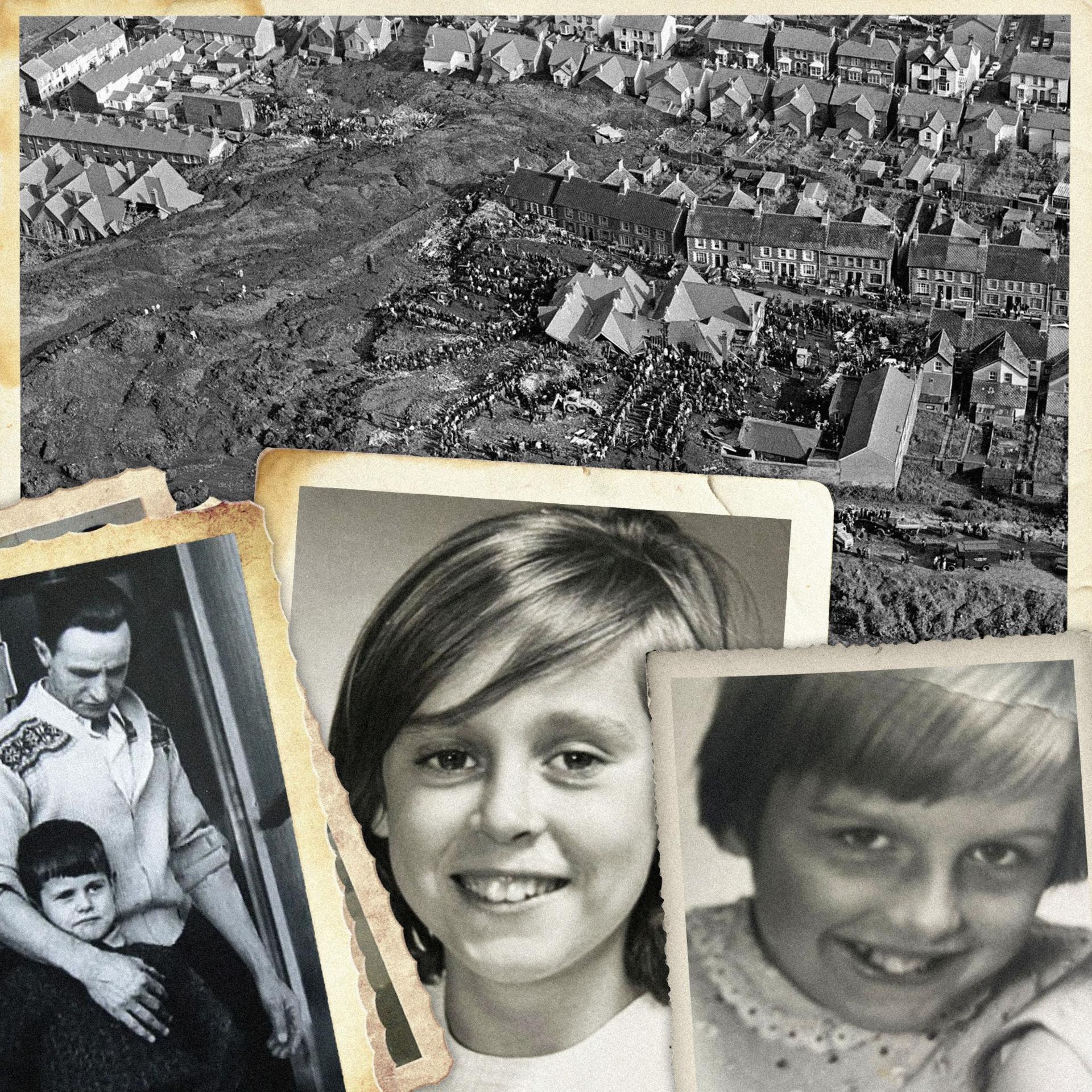 Image source, Getty Images/ Family photos
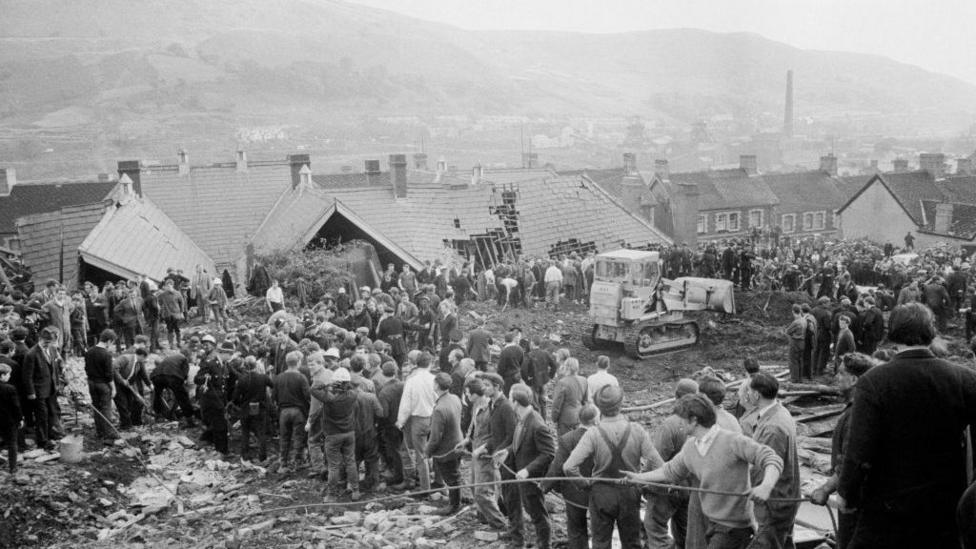 Image source, Staff/Mirrorpix/Getty Images
144 people died following the Aberfan landslide in October 1966
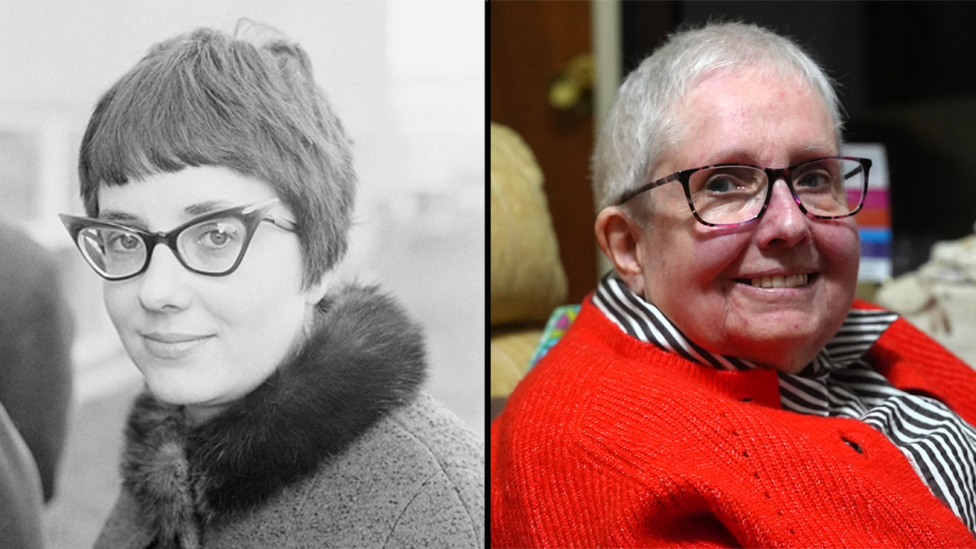 Image source, Getty Images/ BBC
Mair was a 25-year-old teacher and had worked at Pantglas School for a year
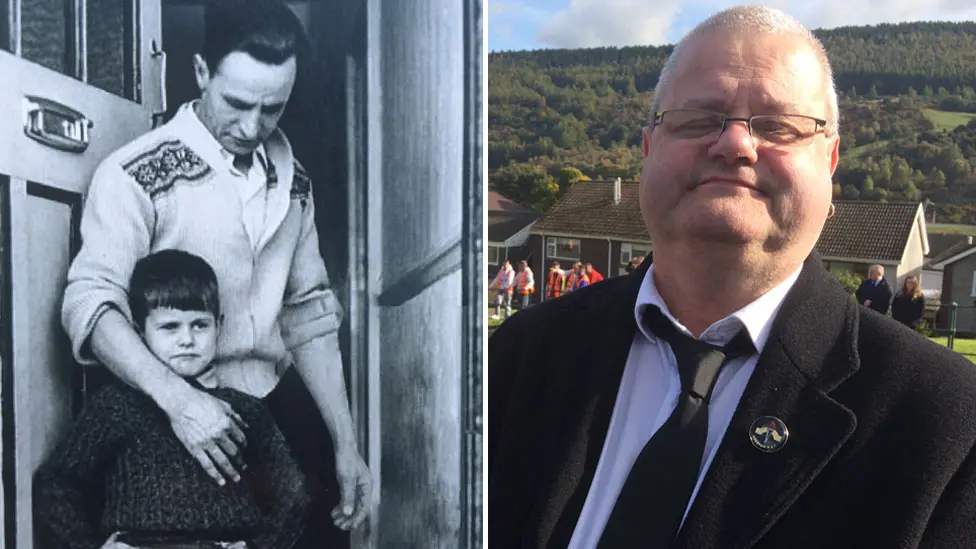 Image source, Family photo/ BBC
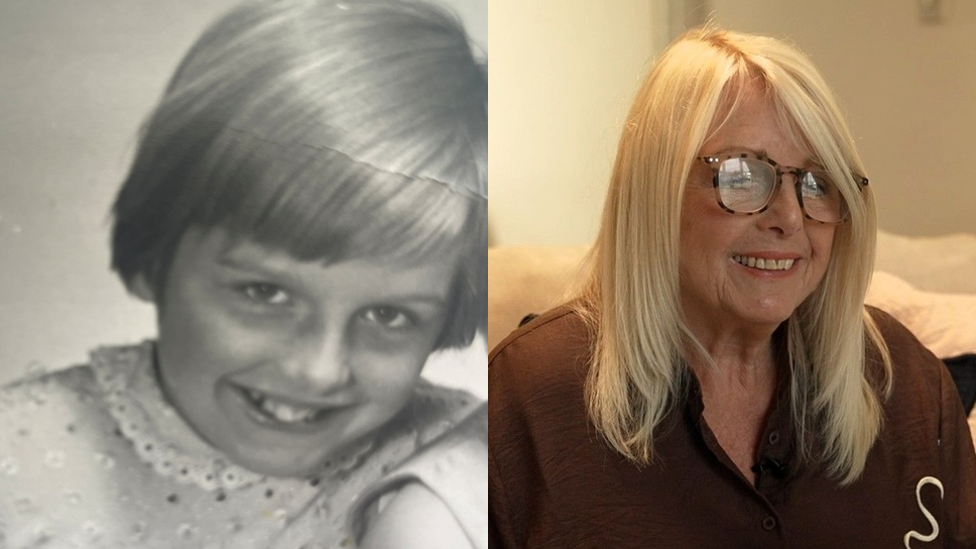 Image source, Family photo/ BBC
Gaynor Madgwick was eight and went to school that day with her brother Carl, seven, and sister Marylyn, 10
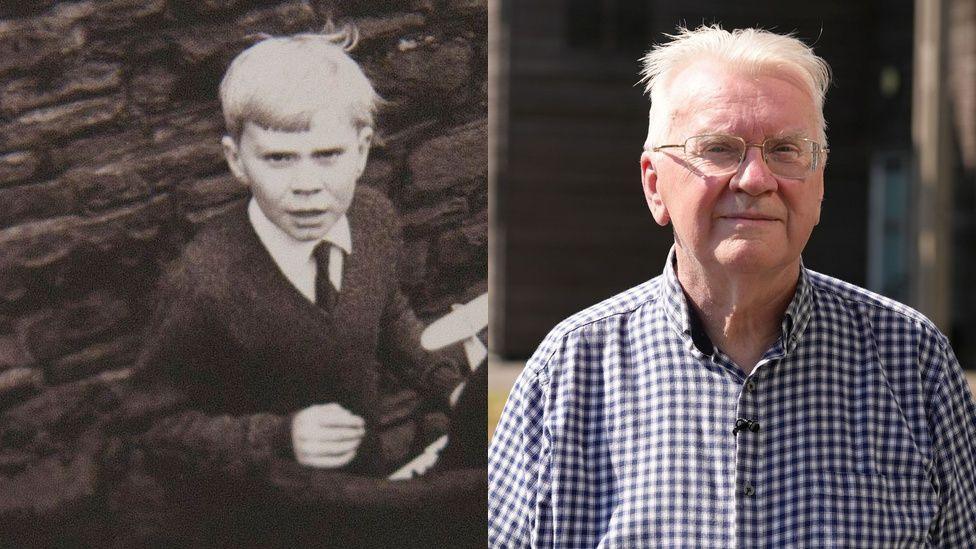 Image source, Getty Images/ BBC
Jeff Edwards was the last child to be pulled out alive
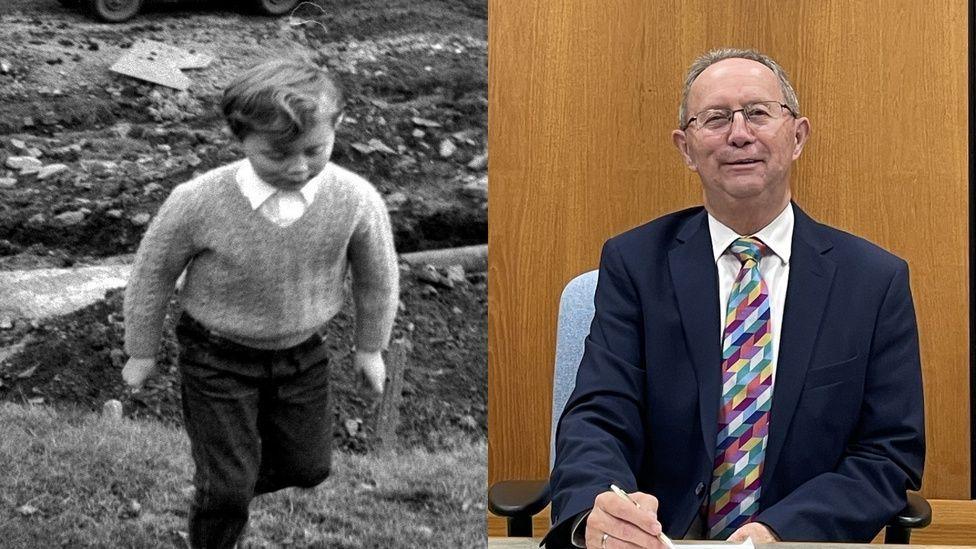 Image source, Getty Images/ Family photo
David Davies was presumed dead and placed with other bodies before somebody noticed his foot moving
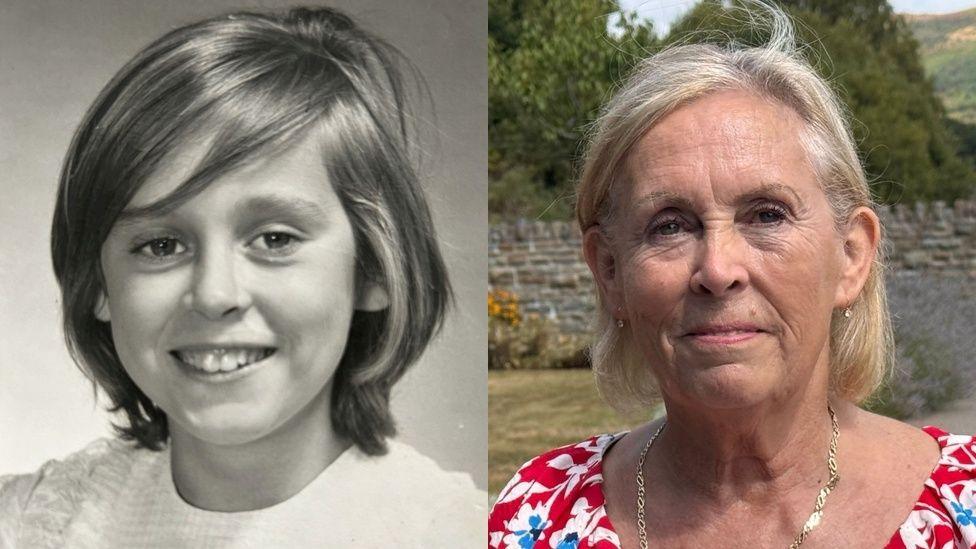 Image source, Family photo/ BBC
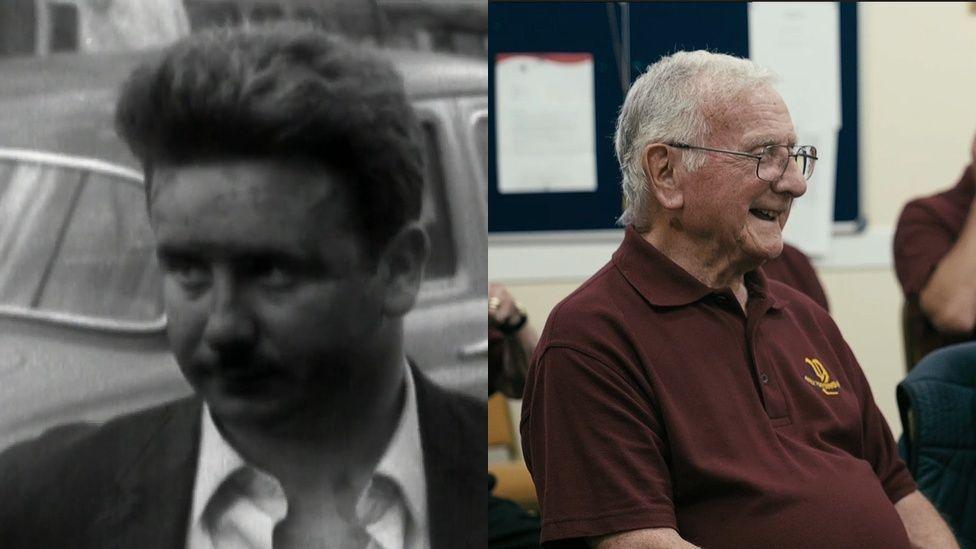
Ray Lee hoped to find his only child Anne, who was eight
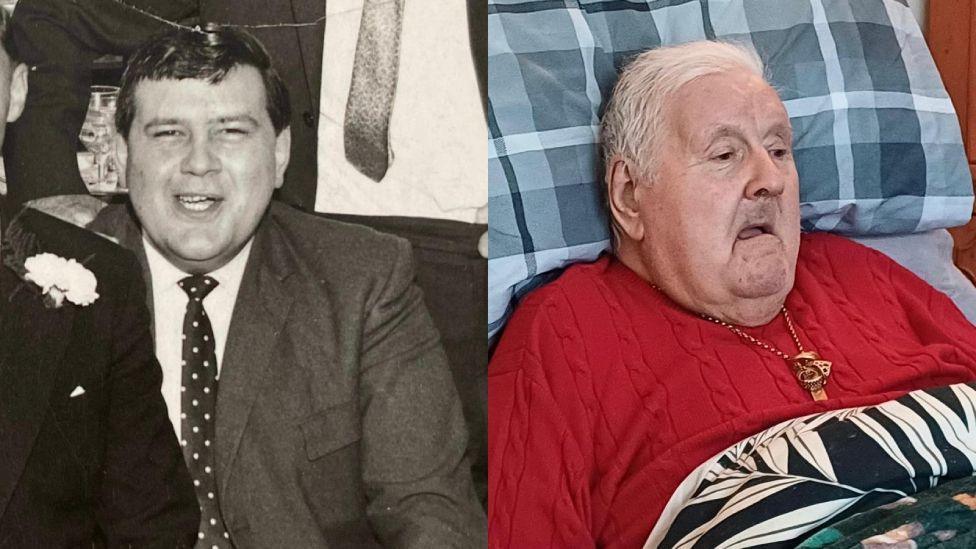 Image source, Family photo/ BBC
David Evans was one of the few people in Aberfan with a telephone, and called emergency services
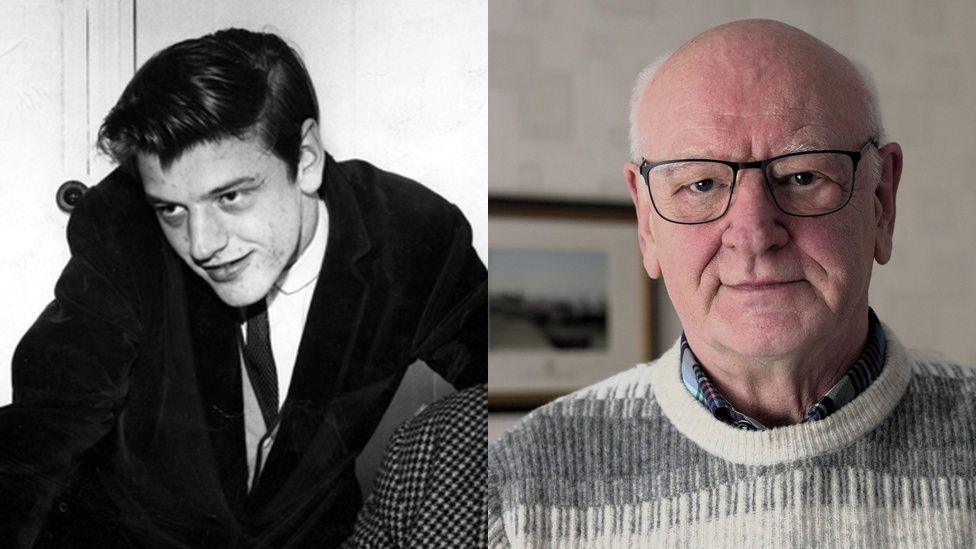 Image source, Mirrorpix/ BBC
Mel Parry was an 18-year-old apprentice photographer with the Merthyr Express newspaper
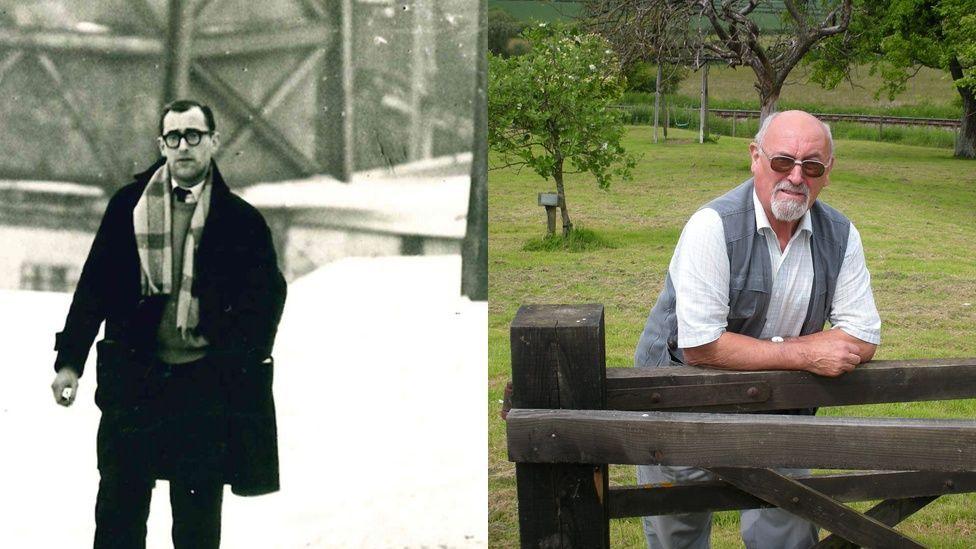 Image source, Family photos
Calvin Pugsley, originally from Merthyr Tydfil, covered the story for the Birmingham Evening Mail. He described his experiences before his death
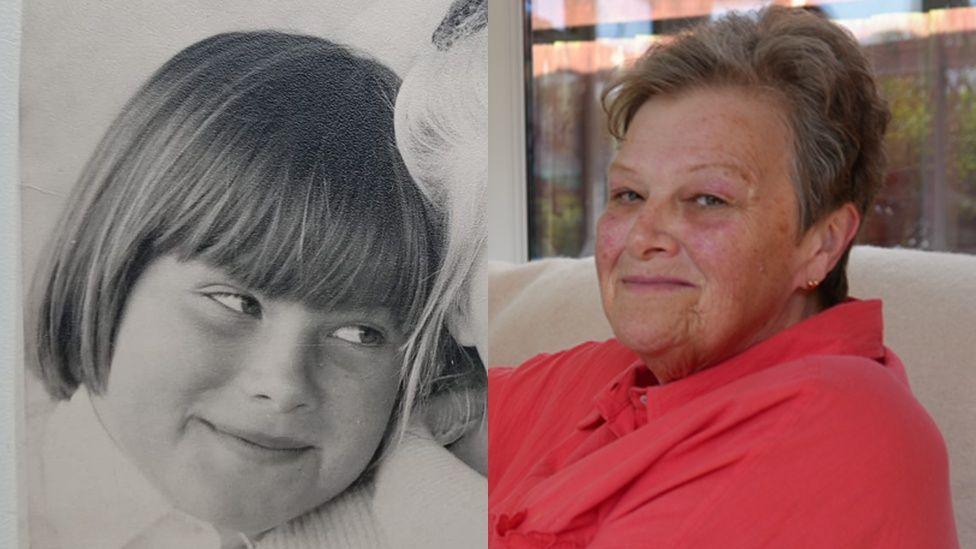 Image source, Family photo/ BBC
Jeanette Keane was in a nearby grammar school when she heard her sister Edwina was in danger
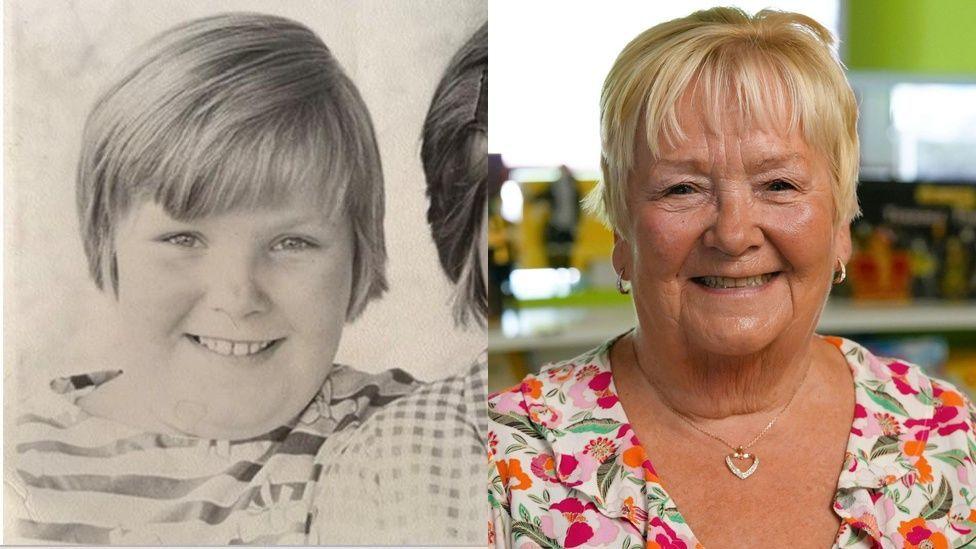 Image source, Family photo/ BBC
Denise Morgan remembers it being very hard after losing her sister