
The key facts
- Lichen sclerosus is a lifelong inflammatory condition of the genital area; according to a University of Bristol estimate about 1% of women have it, but researchers consider this an underestimate
- Monica Thomas from Suffolk says she was examined 28 times over six months before a biopsy; Claire Baumhauer from Kent waited 38 years for a diagnosis and received it alongside a diagnosis of vulvar cancer
- A doctor and the patients point to a taboo around gynaecological health and urge seeking second opinions if doctors refuse
Years without a diagnosis
Monica Thomas, 34, from Suffolk told the BBC that her symptoms — itching and soreness in the intimate area — began in her teenage years, but doctors attributed them to thrush. Over time, ulcers and blisters appeared, and due to the pain she was, in her words, bedridden and unable to walk. She says she was examined 28 times over six months before being referred for a biopsy. The diagnosis — lichen sclerosus — was made only years later. She says the misdiagnoses seriously affected her mental health: she was prescribed herpes medication, a dermatologist, according to Thomas, became angry at her disagreement and referred her for HIV tests, and doctors said she was 'too young' for lichen sclerosus.
What is known about the condition
Dr Nighat Arif, a general practitioner specialising in women's health, explained on the BBC Radio 5 Live podcast 'That Time of the Month' that lichen sclerosus is a lifelong inflammatory condition affecting the genital area: it can cause white patches, itching, soreness, and cracks and splits in the skin. The condition occurs in both men and women, but more often in women over 50; there is a small risk of vulvar cancer. According to Arif, the condition makes sex and urination painful, it is confused with sexually transmitted infections, but it is not contagious. According to the NHS website, the cause is unknown; possibly the immune system mistakenly attacks the skin. The condition is not contagious and is not caused by infection or poor hygiene; friction or skin damage can trigger it or make it worse.
Prevalence estimates
Research on the prevalence of vulvar lichen sclerosus is limited. An analysis of data on residents of the West Midlands and Warwickshire, conducted by the University of Bristol, estimated the incidence at roughly 1% of women. Dr Sophie Rids, who took part in the study, told the BBC that this is 'almost certainly an underestimate', because diagnosis is often severely delayed and some people probably live with the condition without a diagnosis. She noted that there is shame and embarrassment around seeking help for vulvar symptoms, that a lack of awareness exists even among healthcare workers, and said more research into the true prevalence is needed.
Claire's story: 38 years to a diagnosis and cancer
Claire Baumhauer, 53, from Kent said her first symptoms appeared at age five, but adults scolded her for scratching without understanding what was happening. In adulthood, splits, blisters and ulcers appeared; she says she had eight cervical cancer smears and nothing was detected. In 2016, a split would not heal, and a GP, she says, diagnosed 'herpes' and referred her to a sexual health clinic — which shocked her, as she had been married for 25 years. After a biopsy she was diagnosed with lichen sclerosus and vulvar cancer. She says it was then that she first heard the word 'vulva' from healthcare workers. After seven years in remission, a routine check-up revealed a recurrence; she had surgery three years ago, precancerous cells were found in June, and she underwent her sixth operation. Baumhauer believes that with earlier diagnosis of lichen sclerosus, the cancer could have been detected before stage three. Two rounds of radiotherapy, she says, left her with early menopause, lymphoedema and nerve damage.
Patients' advice and gaps in support
Thomas, founder of the charity Women's Health Hope, says that even after diagnosis, support is insufficient: she does not receive regular check-ups and manages the condition herself with steroid cream. She advises women to keep a diary of changes in their bodies, to know what is normal for them specifically, and to seek second opinions if doctors refuse. She also recommended the Lichen Sclerosus Guide — a resource with a diagram and a template for talking to doctors. Baumhauer urged everyone with symptoms to insist on being examined by a doctor. Both interviewees link late diagnosis to the taboo around gynaecological health: Thomas notes that society 'doesn't really talk' about these topics, and embarrassment about examinations prevents people from seeking help, even though living with pain and discomfort is no better.
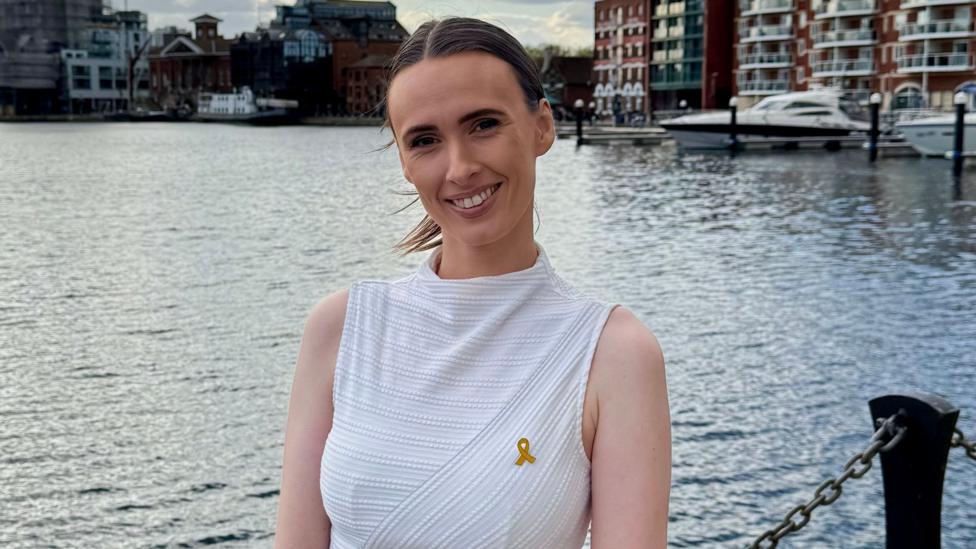 Image source, Monica Thomas
Monica is the founder of charity Women's Health Hope
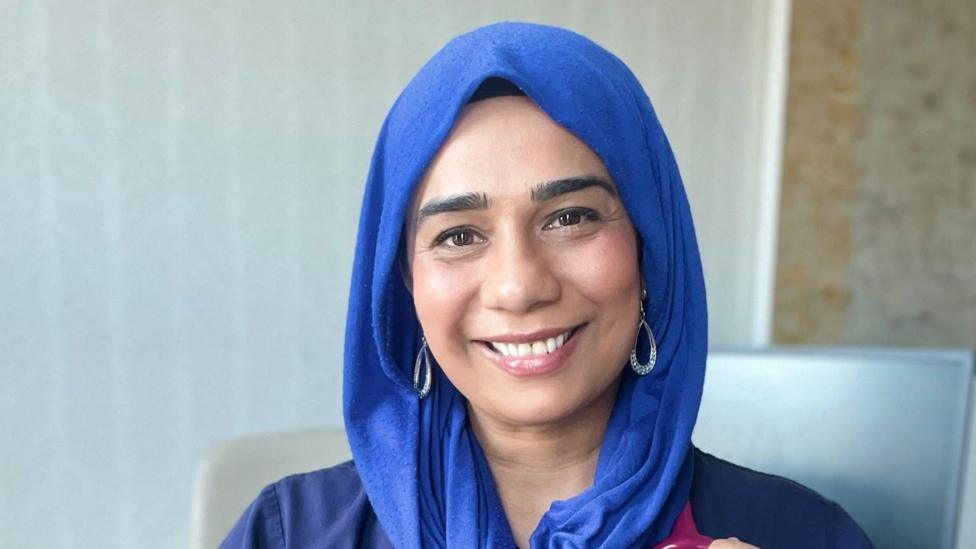 Image source, Dr Nighat Arif
Dr Nighat Arif is author of The Knowledge: Your guide to female health – from menstruation to the menopause
 Image source, Clare Baumhaeur
Clare urged anyone with any symptoms to make sure they were examined by a doctor