The key facts
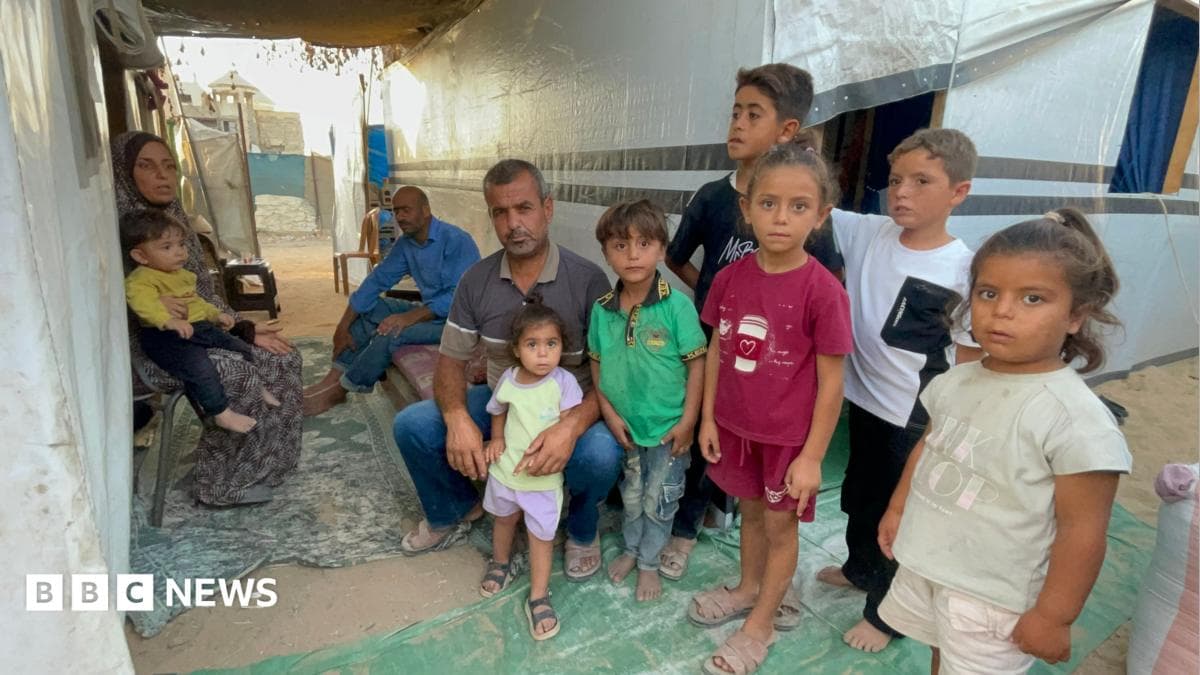
- More than 90% of Gaza's residents live in tents or half-destroyed homes; with the rains coming, people risk 'sleeping in water'
- UNRWA's budget deficit stands at about $70 million, threatening cuts to services for millions of Palestinians
- Saunders called on Germany and other European countries to step up pressure on Israel; the agency is ready to support Trump's peace plan
Warning of a winter crisis
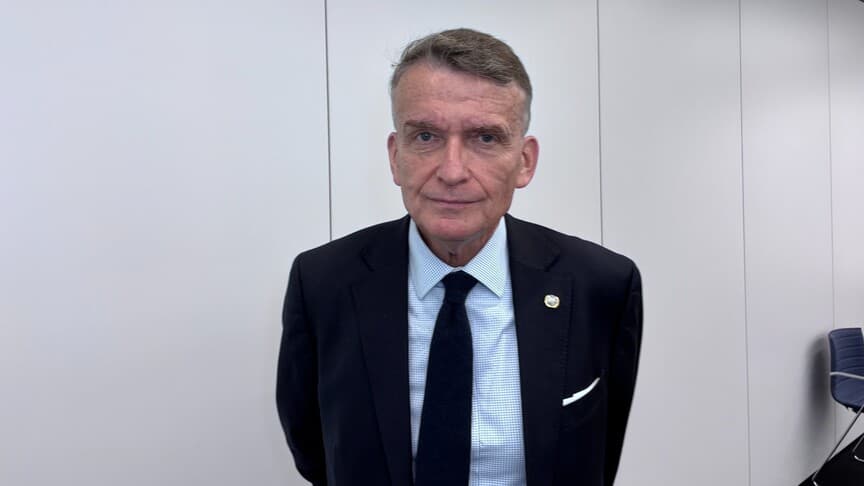
Acting head of the UN agency for Palestinian refugees (UNRWA) Christian Saunders warned in an interview with Anadolu of an 'alarming' humanitarian situation in Gaza on the eve of winter. According to him, more than 90% of the population live in tents, under plastic sheeting or in half-destroyed homes. 'Infrastructure is destroyed, water will accumulate where people live, and people will be sleeping in water, and it is getting colder. We cannot allow these conditions to persist,' he said, stressing the need to accelerate reconstruction before winter arrives.
Call to Europe and the ceasefire context
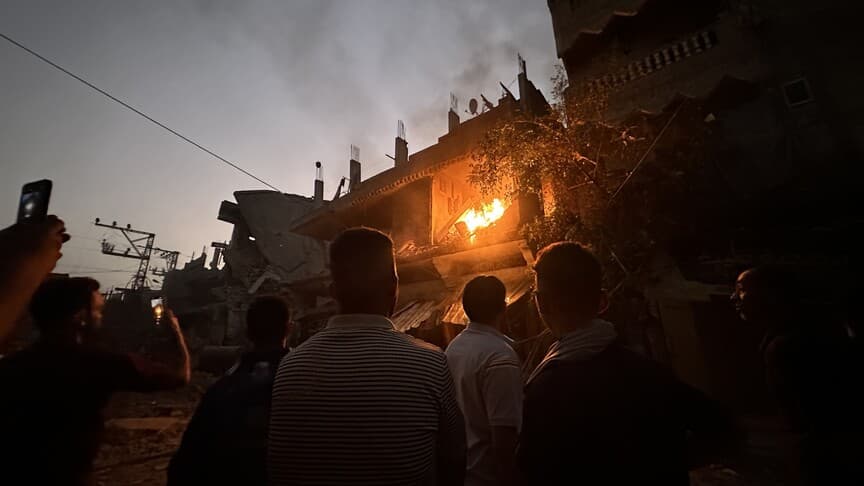
Saunders called on Germany and other European countries to increase pressure on the Israeli government to lift restrictions on humanitarian supplies and allow reconstruction work to move forward. The warning came against the backdrop of stalled ceasefire progress: despite the agreement reached in October 2025, Israeli forces continued bombardments and military operations. According to humanitarian organizations and local health authorities, more than 1,400 Palestinians have been killed since the ceasefire took effect, and import restrictions are slowing reconstruction.
Hunger and the destruction of agriculture
Saunders noted that since the start of the war in October 2023, virtually the entire population of Gaza has suffered from destruction and displacement. Housing problems are compounded by food shortages: fresh fruits and vegetables are mostly unavailable, and where they are available, prices are out of reach for most of the population, leading to widespread malnutrition. According to him, only 3% of the land can be cultivated. More food is entering Gaza than before the ceasefire, but delays, a limited number of crossings and remaining restrictions are holding back supply volumes. Saunders also criticized restrictions on medicines and medical equipment and expressed concern that the world's attention is shifting to other conflicts: 'The main worry is that this is becoming the norm.'
Financial deficit and service cuts
UNRWA provides assistance to more than 1.7 million Palestinians in Gaza: medical services at 11 centers, schooling for 300,000 children (mostly in tents) and drinking water for approximately 820,000 people. Outside Gaza, the agency serves nearly 6 million Palestinian refugees in Jordan, Lebanon, Syria and the West Bank. After Israeli accusations against UNRWA, a number of donor countries cut or suspended funding. 'The deficit now stands at about $70 million. If we do not receive money soon, I will have to take some regrettable actions to finish the year and pay staff salaries,' Saunders said. He warned that cuts are inevitable, since most of the funding goes to salaries, and a smaller workforce means reduced quality and coverage of services.
Dispute over Israel's accusations
The Israeli government has long accused UNRWA of Hamas infiltration and uses these accusations as a pretext for strikes on the agency's facilities; according to the publication, nearly 400 agency staff have been killed. Saunders rejected the accusations, emphasizing that UNRWA is strictly a humanitarian organization that relies on security information from UN member states. If credible information emerges about an employee's ties to Hamas's military wing, the agency acts immediately, but Israel, he said, has provided no evidence despite public statements. 'I think the Israeli authorities criticize UNRWA because they would like to see it dissolved,' he said, linking this to the fact that Israeli politicians see the agency as a reminder of Palestinian refugees' right of return and compensation claims. In his view, some Israeli officials believe that dissolving UNRWA would deprive Palestinians of basic medical and educational services and force them to leave.
Readiness to support the peace plan
Saunders stated that UNRWA is ready to play a key role in ceasefire, recovery and reconstruction efforts, calling Israeli opposition politically motivated and short-sighted. He described the agency as a ready-made 'civil service' — the only operational structure capable of delivering aid at scale: 'We have the staff, the infrastructure and, most importantly, the trust of the people.' Acknowledging that Israel and the US are unlikely to publicly support UNRWA after the recent friction, he said the agency needs only operational space. 'The 20-point plan of US President Trump, UN Security Council resolution 2803, the Board of Peace and the National Committee for the Governance of Gaza — we fully support these efforts,' Saunders said, adding that the agency has 10,500 staff in Gaza ready to help ensure their success.