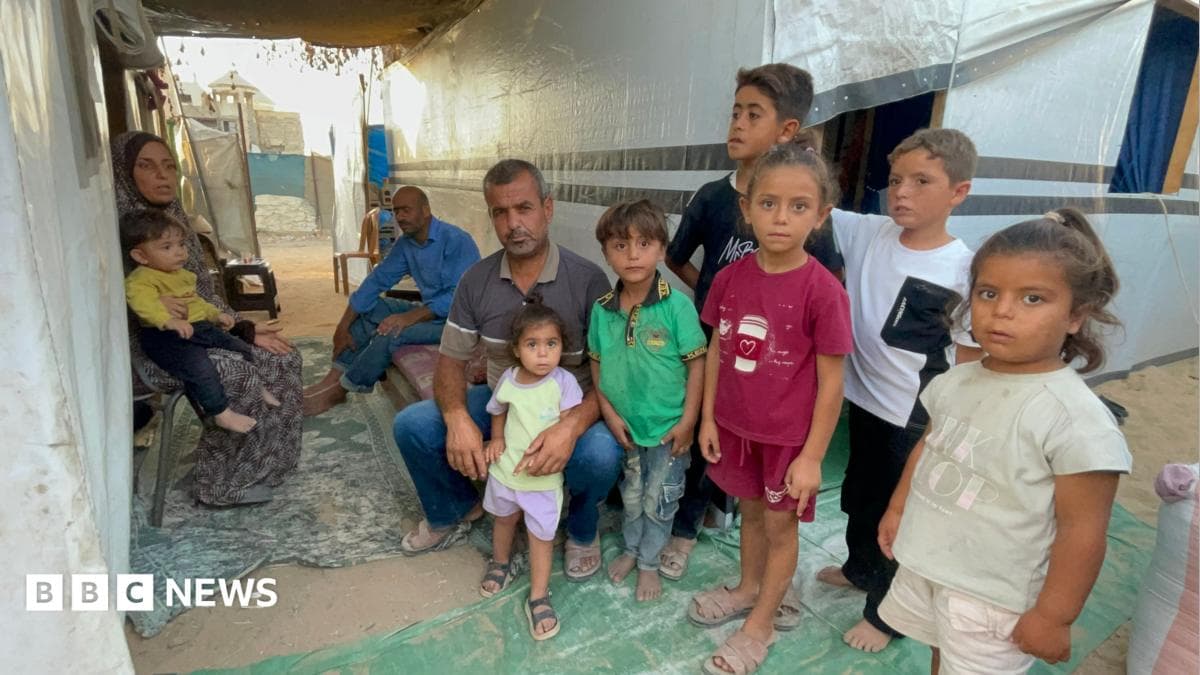
The key facts
- The number of WFP aid recipients in Gaza will fall from 1.6 million to 1.1 million people — around 500,000 will be left without support
- Rations have been halved, hot meals cut from 250,000 to 150,000 per day, and payments for 75,000 families reduced from 1,250 to 750 shekels
- The WFP urgently needs $450 million for operations in Gaza and the West Bank until March 2027
Aid cuts due to lack of funds
The UN World Food Programme (WFP) announced on Monday that it is forced to 'drastically scale back life-saving assistance' to Gaza due to a funding shortfall. The number of people receiving monthly assistance will drop from 1.6 million to 1.1 million — around 500,000 people will be left without support. WFP Director in Palestine Antoine? No — Sean Hughes stressed that the cuts are solely financial: 'not because needs are decreasing, and not because we lack access — we have it.' Acting Executive Director Carl Skau told Reuters that the programme's traditional donors — the US and European countries — have sharply cut funding, while WFP needs in Gaza, Sudan and Yemen have grown. According to euronews, the agency's resources have shrunk partly because US President Donald Trump significantly slashed contributions to UN agencies.
What exactly is being cut
Families that received two food parcels will now receive one, as well as a smaller bag of flour. The number of hot meals from community kitchens will fall from 250,000 to 150,000 per day. Residents of hard-to-reach areas, including near the 'yellow line' demarcating the zone of Israeli military control, will receive meals every other day instead of daily. Cash payments for 75,000 families will drop from 1,250 to 750 shekels (from $400 to $240) per month. The number of recipients of flour bags and food boxes will fall from 1.1 million to 600,000 per month. Cuts in cash transfers for around half a million people began back in July. According to ABC, the volume of food parcels has shrunk by 40%.
Humanitarian situation
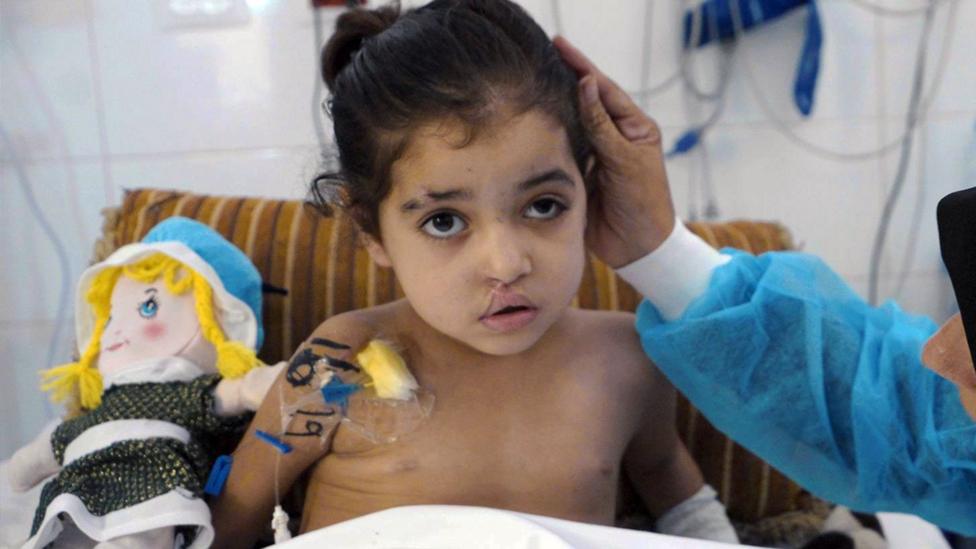
According to WFP estimates, 1.4 million people — two-thirds of Gaza's population — face acute food shortages at crisis level or worse, including about 200,000 people in catastrophic conditions who need immediate assistance to prevent deaths from hunger. Only one in five children receives sufficiently varied nutrition, and unemployment exceeds 80%. In August 2025, the IPC classification declared famine in Gaza — Israel called this finding a lie; the classification was withdrawn in December, two months after the US-brokered ceasefire. The WFP warns that the 'modest' improvements since the October 2025 ceasefire remain 'fragile' and could be quickly reversed. Hughes noted: 'Are people safe? No. Airstrikes continue daily. People continue to be displaced.'
Living conditions and Israel's position
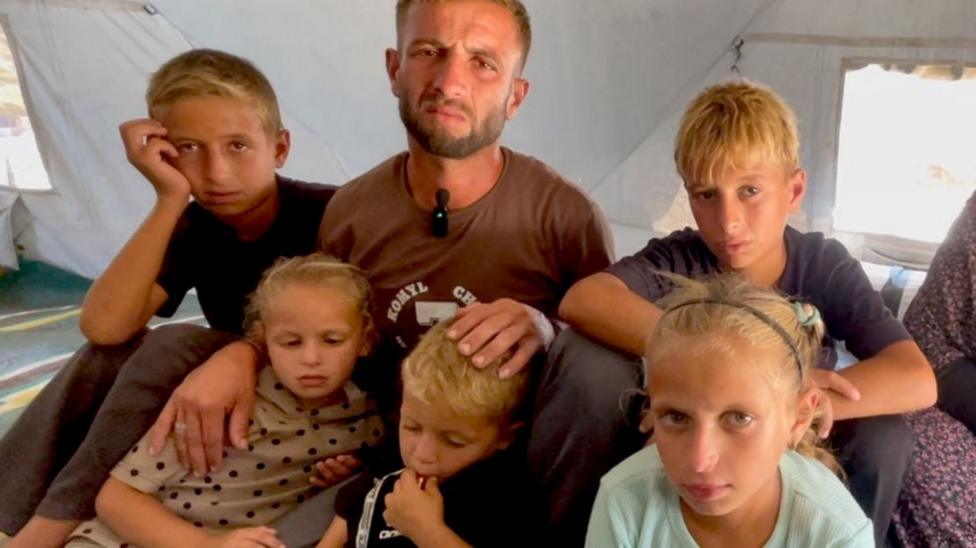
Almost the entire population of Gaza, 2.1 million people, remains displaced, with most living in tents without proper housing, access to water, sanitation and healthcare. Reconstruction has not begun, and Israel tightly controls the entry of goods: 'dual-use' items are banned, including, according to the UN, prosthetic limbs; cooking gas is unavailable, so families burn plastic and cardboard to cook. Markets are full of food, but most people cannot afford to buy it. Meanwhile, the Israeli body COGAT, responsible for the Palestinian territories, claims that aid deliveries exceed demand for food and that there is no acute food insecurity in Gaza. Skau told Reuters: 'A year has passed since the ceasefire agreement. Life here is still brutal. There is no proper shelter, no basic services, no safety.'
West Bank and funding needs
The WFP urgently needs $450 million (about £338 million according to the BBC, about €400 million according to DW) to sustain critical operations in Gaza and the West Bank over the next six months — until March 2027. In 2026, the agency has received less than half of its usual funding for its Palestinian operations. In the West Bank, the WFP halved the number of aid recipients in September — from 400,000 to 200,000 people; the agency links the rise in food insecurity there to increased violence by Israeli settlers and the displacement of Palestinians. For now, the WFP continues to support bakeries that provide a third of Gaza's bread needs, food assistance to about 300,000 women and children, and nutritious snacks for roughly 200,000 children.
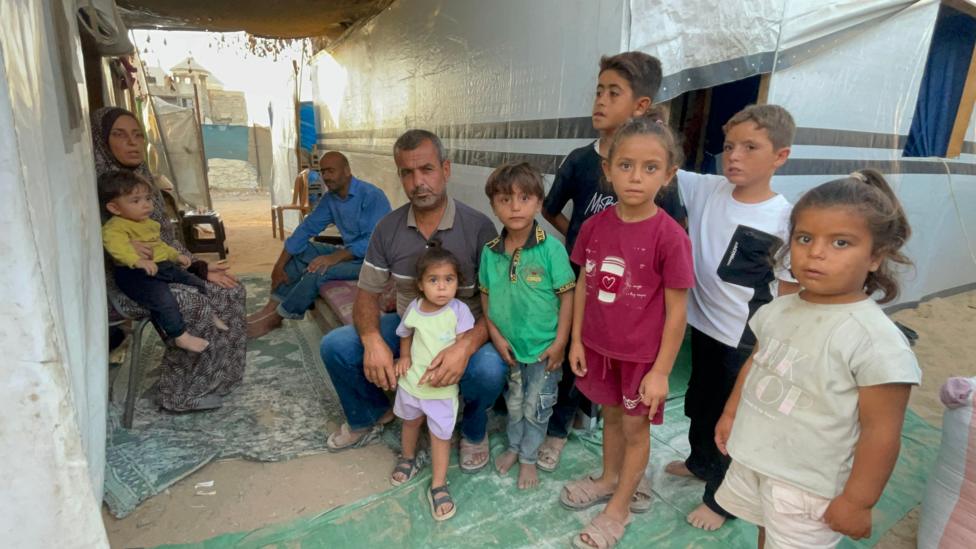
Dalal al-Dahdouh said the WFP food handouts her family received were insufficient even before the cuts
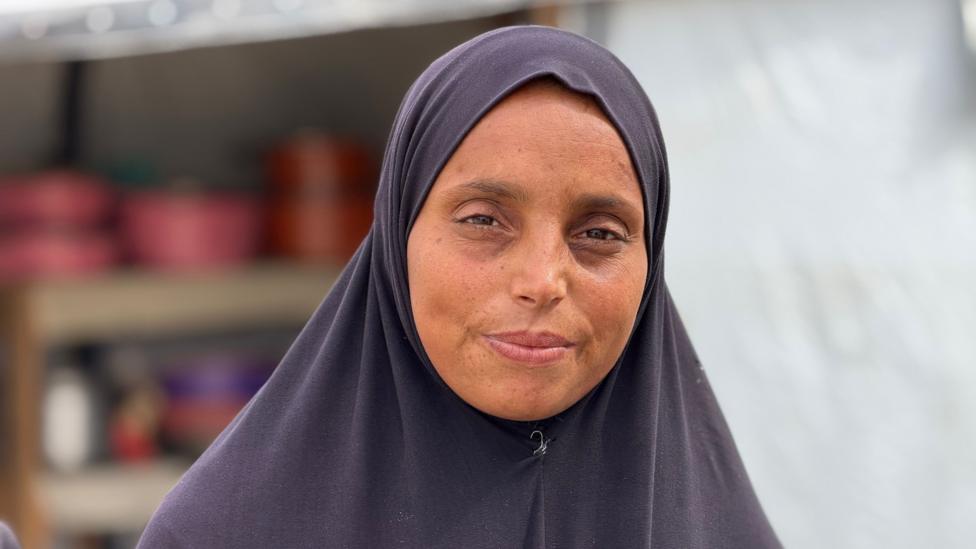
Mervat al-Satari, a mother-of-five, says the cuts are a
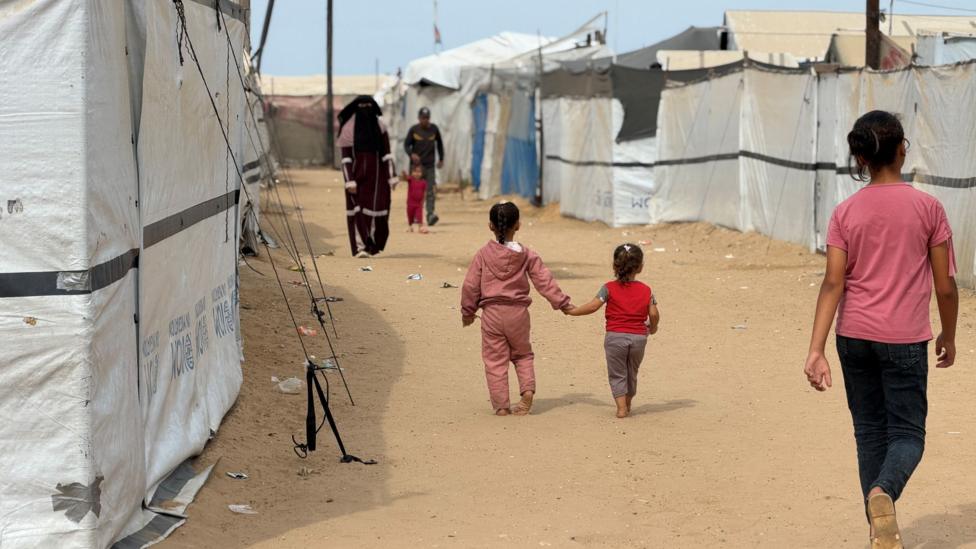
Nearly all of Gaza's 2.1 million people are displaced, with many living in camps like those in al-Mawasi
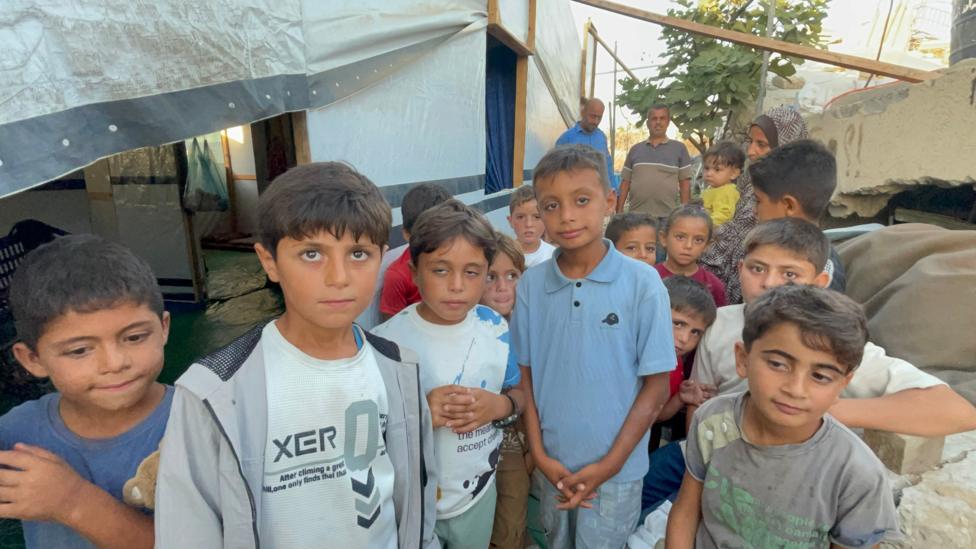
Two-thirds of the population relies on food aid to survive, according to UN-backed experts
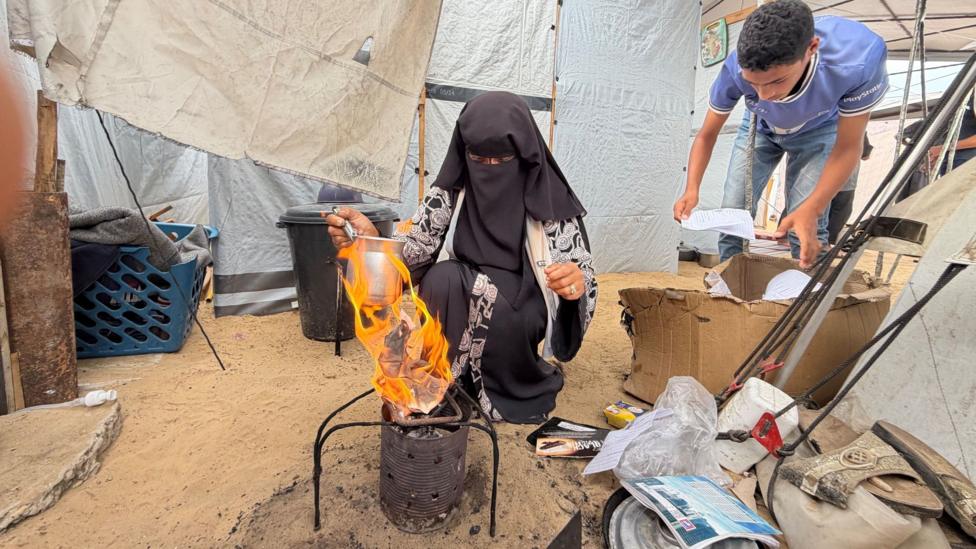
Families, including Sawsan Bahloul's, are forced to burn plastic and cardboard as fuel for cooking