The key facts
- Strike on the al-Alam training centre near the city of Ataq: 53 killed and more than 200 wounded according to a preliminary assessment by Shabwa authorities
- The Houthis claim they attacked 'gatherings of the Saudi enemy'; Saudi Arabia has not commented
- Since early October at least 19 people have been killed in Houthi attacks on airports in Saudi Arabia; the Houthis report 141 killed by Saudi strikes over seven weeks
Attack on a training centre in Shabwa
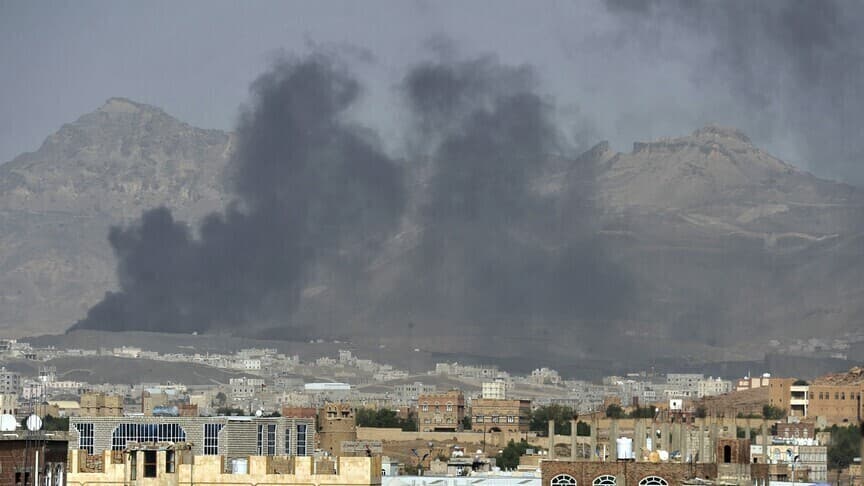
A missile strike on a training centre of the internal security forces in the southern (described by the BBC as central) province of Shabwa in Yemen on Monday, according to local authorities, caused mass casualties. Officials reported more than 50 killed and around 200 wounded; the Shabwa health office gave a preliminary figure of 53 dead and more than 200 injured. The strike hit the 'Martyr Ahmed al-Sulaimani' training centre (the al-Alam camp near the city of Ataq), where recruits from several provinces were being trained to serve in the internal security forces and police.
The parties' versions
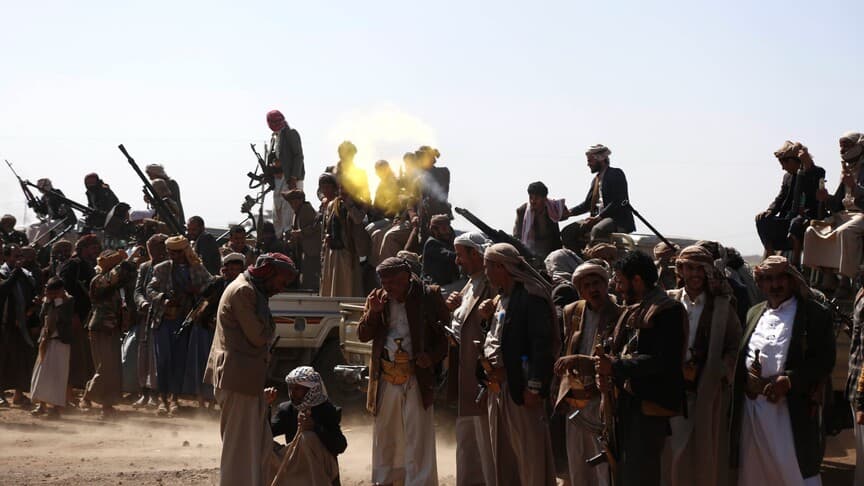
A spokesman for the Saudi-backed Yemeni armed forces said the Houthis fired three ballistic missiles at the camp. The Houthi military spokesman Yahya Saree, on the contrary, said the missiles were aimed at 'gatherings of the Saudi enemy' at the al-Alam camp, which, according to him, was run by Saudi officers. Saudi authorities did not comment on the statement. The Houthis also did not respond to the statement by the Shabwa authorities.
Officials' reaction
The head of Yemen's Presidential Leadership Council, Rashad al-Alimi, condemned the 'criminal attack' and promised a 'firm response'. The Shabwa authorities said condemnation was not enough for the scale of the tragedy and that urgent military measures and strengthened defences for the province were needed. Information Minister Muammar al-Iryani called the strike a war crime because, in his words, the training centre was not a military target, and accused the Houthis of trying to 'fabricate a false media victory' against the backdrop of defeats on the fronts. Shabwa's deputy governor Fahd al-Khalifi told AFP that hospitals were overcrowded and the most seriously wounded were being transferred to Hadhramaut and Aden.
Context of the escalation
The attack was one of the deadliest since the recent escalation began. In early October, pro-government forces, backed by the Saudi-led coalition, launched an offensive in western Yemen and regained control of territory on the Red Sea coast near the strategic Bab al-Mandeb strait, which the Houthis had captured in September; fighting continues there, as well as around Taiz, in Marib and al-Jawf.
Mutual strikes and casualties
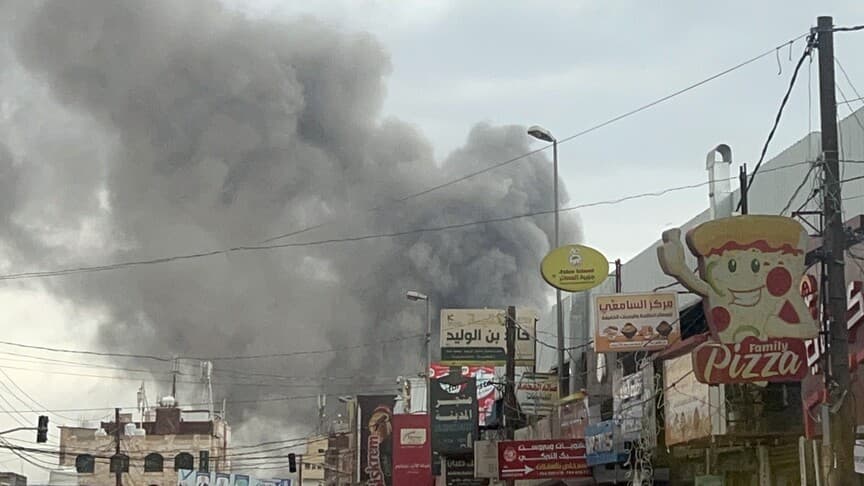
Houthi media reported that a Saudi airstrike on a house in the Sahar district of Saada province on Sunday killed at least 10 people and wounded 23, mostly women and children; according to the Houthi health ministry, Saudi strikes have killed 141 people over seven weeks. Yemen's government health ministry, for its part, said last week that at least 1,282 people had been killed in the conflict since 6 August. In Saudi Arabia, at least 19 people were reportedly killed in Houthi attacks on airports since the beginning of October.
Background to the conflict
The civil war in Yemen has been going on since 2014, when the Houthis seized Sanaa and most of the north of the country; in 2015 the Saudi Arabia-led coalition intervened in the conflict. An informal truce that had held for about four years began to collapse in July, when the Houthis declared a 'naval blockade' of Saudi Arabia and began attacking airports, oil facilities and tankers in the Red Sea with missiles and drones, calling it a response to the 'blockade' of their territory and the strike on Sanaa airport, which they attribute to Riyadh.