The key facts
- More than 43,000 Covid-related deaths in care homes from March 2020 to July 2022; the report runs to 287 pages
- Matt Hancock's claim of a 'protective ring' around care homes rejected by the inquiry
- The number of DNACPR orders rose from 16,800 to 26,500 in the first nine months of the pandemic
Inquiry report: protection came too late
The sixth report of the UK Covid public inquiry is highly critical of the authorities' actions to protect people in care settings. At the start of the pandemic, around 500,000 people lived in care homes, and about another million received care at home. According to the inquiry, protective measures were taken too late, leading to severe consequences: from March 2020 to July 2022, more than 43,000 Covid-related deaths were registered in care homes. The report runs to 287 pages.
There was no 'protective ring'
At the start of the pandemic, England's Health Secretary Matt Hancock claimed that a 'protective ring' had been thrown around care homes. The inquiry concludes that this did not correspond to reality and describes the care sector as 'something of an afterthought' for the authorities. Due to a shortage of PPE, staff used improvised substitutes: bin bags, waterproof festival ponchos, and painter's coveralls. The report also criticises the transfer of potentially infected patients from hospitals to care homes to free up beds: the decision itself is understandable, but without sufficient testing such patients should have been isolated. Official guidance in March 2020 in England, Wales and Northern Ireland did not require this — the inquiry calls this a significant failing.
Sector weaknesses deepened the crisis
By the start of the pandemic, the social care sector suffered from high turnover and vacancies — the workforce was 'fragile and lacking resilience'. Care homes relied on agency staff who worked across different settings; the drive to prevent staff movement between homes worsened staffing shortages. Providers faced financial difficulties due to a falling number of clients, and with zero-hours contracts widespread, staff lacked financial support to stay at home if they suspected infection. The fragmentation of the system — thousands of providers, services overseen by councils — made the sector more distant from government than the NHS. The pandemic, the inquiry concludes, exposed and exacerbated these long-standing problems.
Visiting restrictions caused harm
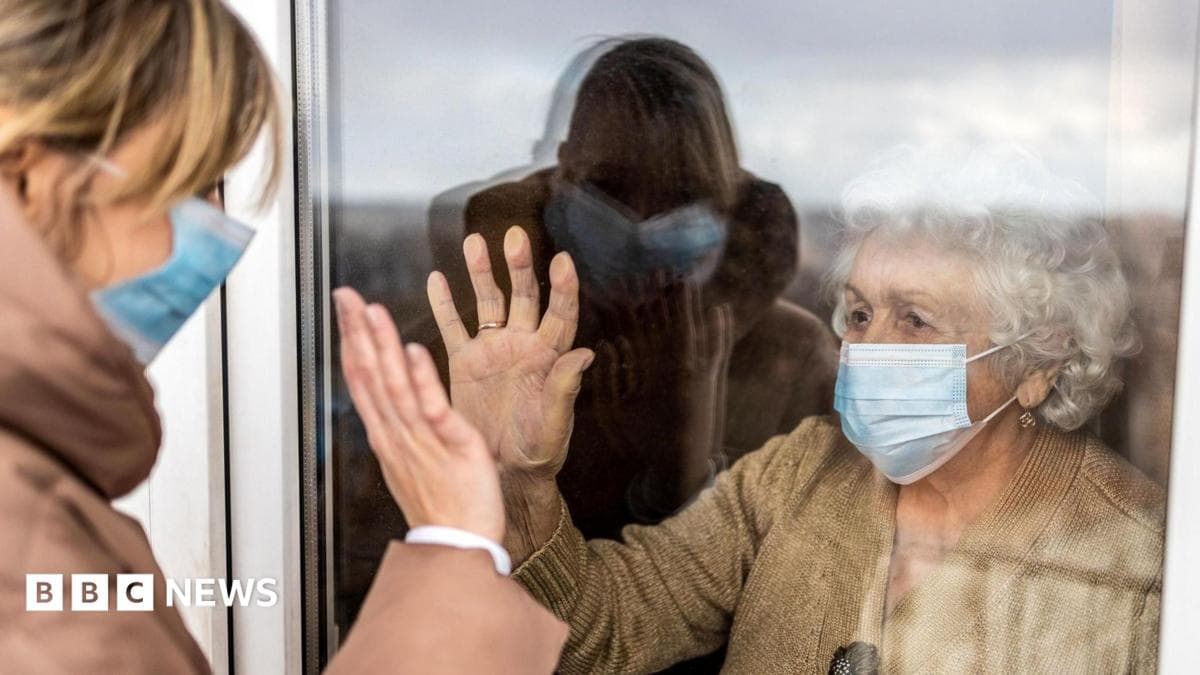
The inquiry acknowledges that the ban on visits at the start of the pandemic was rational, but as the pandemic progressed the balance of benefit and harm of the restrictions changed: visits are important for residents' personal care and mental health. By September 2020, data indicated that visitors posed a 'minimal risk', with staff considered the main route of infection. The four UK nations began easing the guidance, but many care homes did not follow it, and visits remained tightly restricted. This, the inquiry concludes, led to significant deterioration in residents' health and wellbeing.
Alarm over 'blanket' do-not-resuscitate orders
The inquiry heard evidence that GPs applied 'blanket' do-not-attempt-cardiopulmonary-resuscitation (DNACPR) orders to care home residents, although such orders must be made individually and blanket ones are considered unlawful. The number of orders rose from 16,800 to 26,500 in the first nine months of the pandemic. This echoes an earlier Care Quality Commission investigation which found unacceptable and inappropriate DNACPRs.
Staff in a dire state
The inquiry notes the enormous impact of the pandemic on the mental health of care home staff. Some moved into the settings where they worked in order to protect residents: the owner of a care home in Wales said that 39 staff lived there for two weeks at the start of the pandemic. Staff often had to provide palliative care to several people at once; in one home, half the residents died within three weeks. Staff told the inquiry of deep emotional trauma: 'Staff sat on video calls with families, saying final words to loved ones. It was awful… we cried along with the residents because it was too emotional,' the inquiry quotes one of them as saying.
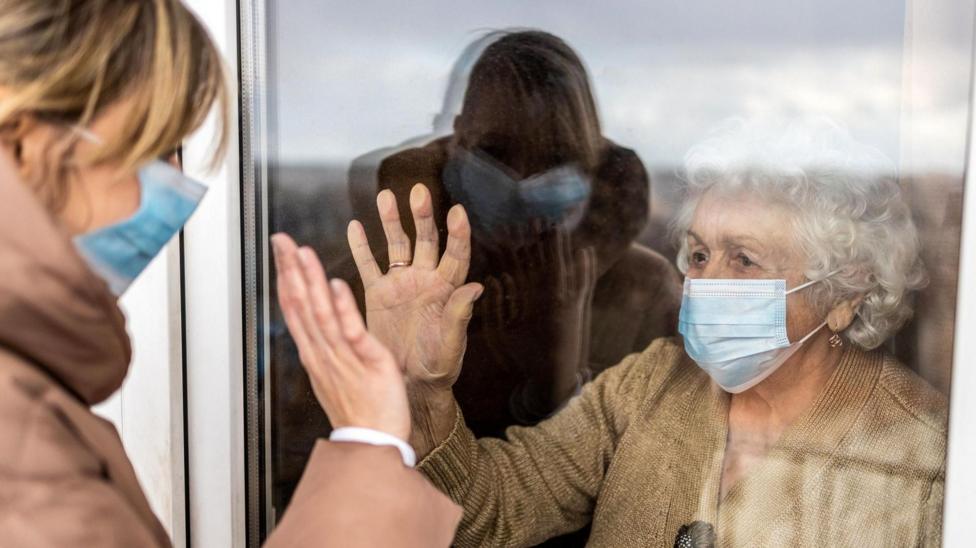 Image source, Getty Images