The key facts
- A meeting of the foreign, justice and interior ministers of Turkey and Belgium took place in Brussels
- Turkey called on Belgium to take concrete measures against FETO and PKK, including extradition and the closure of affiliated institutions
- The fight against cross-border crime and irregular migration was also discussed
Meeting in Brussels
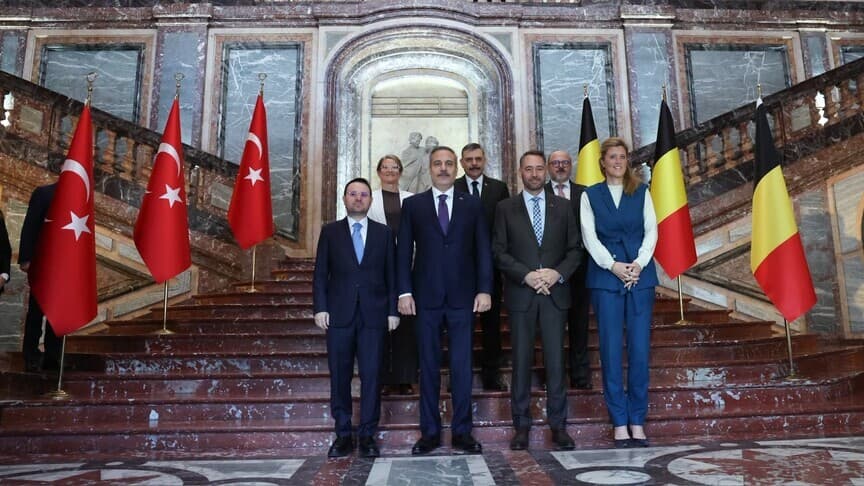
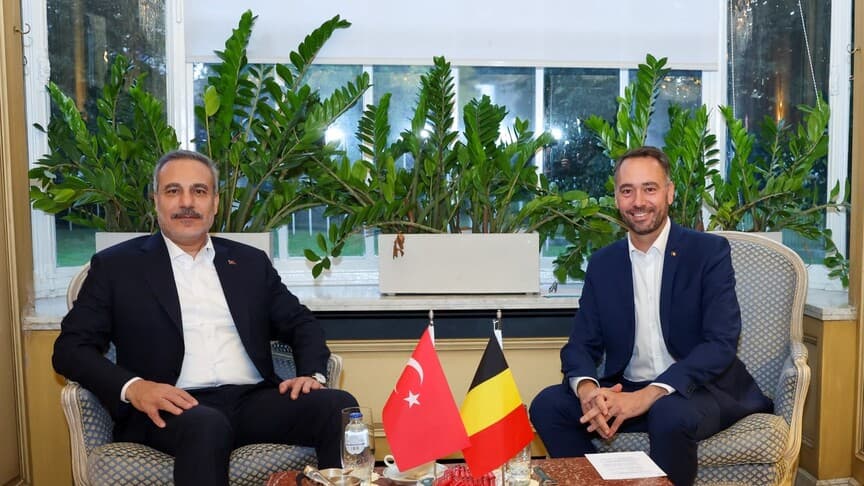
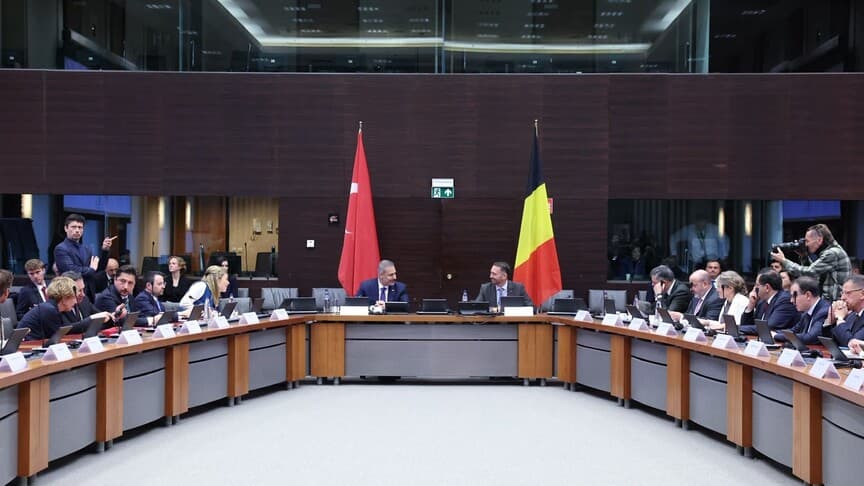
Turkey on Tuesday called on Belgium to take concrete measures against terrorist groups operating on its territory, strengthen judicial cooperation and intensify the fight against organized crime and irregular migration. These issues were discussed at a meeting in Brussels between Turkish Foreign Minister Hakan Fidan, Justice Minister Akin Gurlek and Interior Minister Mustafa Ciftci and the Belgian side: Deputy Prime Minister and Foreign Minister Maxime Prevot, Justice Minister Annelies Verlinden, Minister of Security and the Interior Bernard Quintin and Minister for Asylum and Migration Anneleen Van Bossuyt.
Demands Regarding FETO
Gurlek emphasized the importance of cooperation against the FETO organization, which stands behind the 2016 coup attempt in Turkey that killed 253 people and wounded thousands. 'We expect our ally Belgium to take concrete and effective measures against the FETO organization in its country,' he said, calling on the Belgian authorities to carefully examine structures linked to the group operating through front associations, educational institutions and civil society organizations. He also demanded the extradition of FETO members to Turkey and the timely handling of requests for legal assistance, noting that international protection mechanisms should not obstruct the extradition of persons wanted for serious crimes.
'Almost a Safe Haven'
Interior Minister Ciftci called for a coordinated international response to terrorism: 'Our expectation from the international community and our friends is that no distinctions should be made between terrorist organizations and no tolerance should be shown toward them.' According to him, no country should allow its territory to become a safe haven for groups acting against another country. He called on Belgium to take concrete action against structures linked to the PKK and FETO, including the closure of affiliated institutions and a positive response to Turkey's extradition requests. 'We see that this group, unfortunately, uses Belgium almost as a safe haven,' Ciftci said about FETO, calling on the Belgian authorities to monitor the group's schools and NGOs and to prevent abuse of the asylum system through false information and documents.
Organized Crime and Migration
Gurlek noted the need for closer cooperation against cross-border organized crime — drug trafficking, human trafficking, migrant smuggling and money laundering. As an example of practical interaction, he cited the September operation coordinated by the prosecutor's office of the Turkish city of Izmir against a criminal organization that, as established, was engaged in drug trafficking and operated from Belgium. 'Solid and effective results in the fight against terrorism can only be achieved through strong international cooperation,' he added. After the meeting, Gurlek held bilateral talks with Verlinden and invited her to visit Turkey, noting the importance of closer ties between the ministries and more effective use of existing legal instruments.
ISIS Militants and Resettlement Quotas
Ciftci also emphasized the importance of repatriating foreign terrorist fighters to their countries of origin so that ISIS (Daesh) does not regain positions in the region. On the organized crime front, he proposed closer cooperation between the justice ministries of the two countries and Interpol units to locate and extradite suspected leaders and members of criminal groups believed to be in Belgium. In the field of migration, Ciftci said Turkey had strengthened measures on land and at sea to curb migration flows and dismantle smuggler networks. He called for greater cooperation with EU countries, support for voluntary returns and an increase in resettlement quotas, stressing that sustainable progress requires international solidarity and a fairer sharing of responsibility.