The key facts
- Merz called Turkish guest workers the builders of West Germany's industrial foundation after the agreement of October 30, 1961.
- According to the agreement's data, by 1973 867,000 Turkish workers had come to the FRG, about 500,000 later returned; today the Turkish community numbers around 3 million people.
- Merz condemned racist violence (Mölln, Solingen, NSU, Hanau) and called 'remigration' an attack on modern Germany.
65 years of the agreement on recruiting Turkish workers
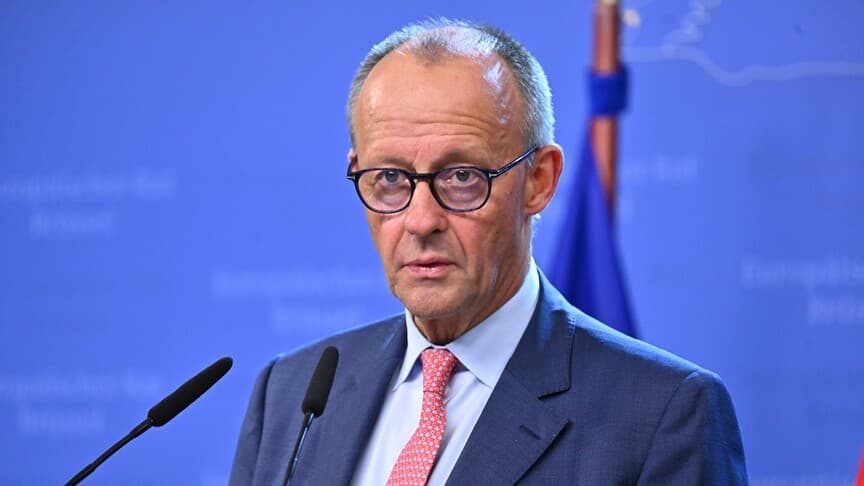
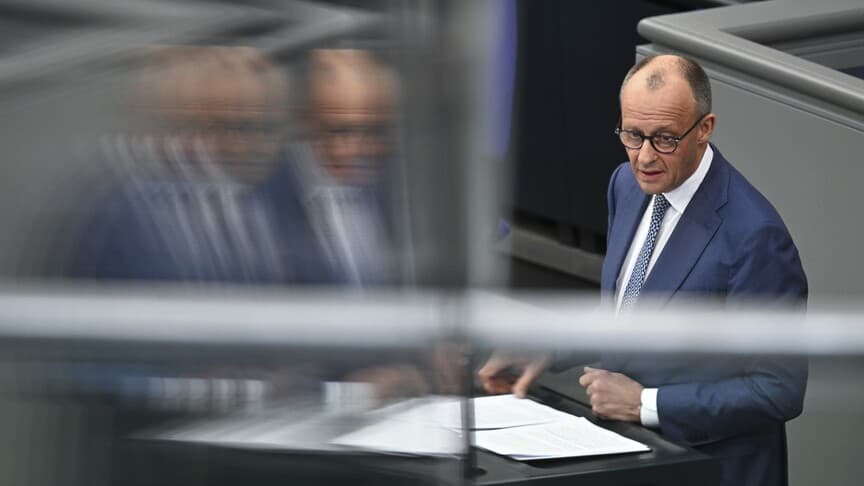
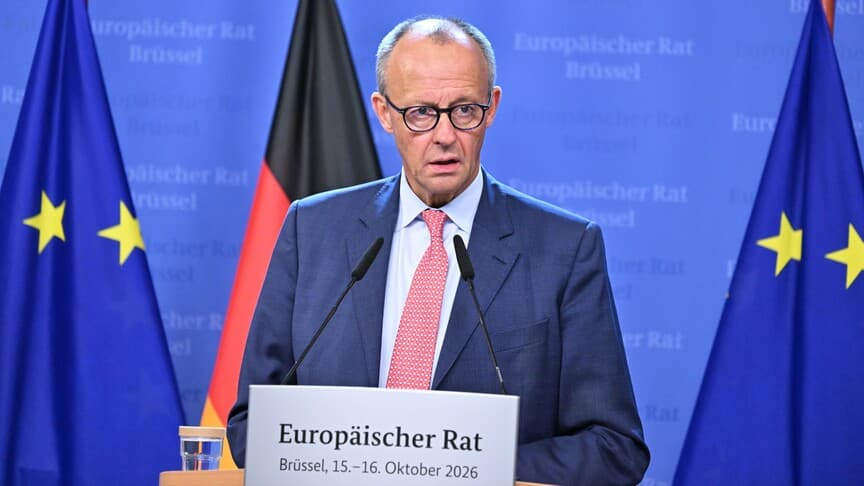
German Chancellor Friedrich Merz spoke on Tuesday at a ceremony in Berlin dedicated to the 65th anniversary of the agreement on recruiting labor from Turkey, concluded on October 30, 1961. He stated that Turkish labor migrants helped build the country's industrial foundation and created the prosperity infrastructure that Germany enjoys today. The agreement brought hundreds of thousands of Turkish workers to West Germany during the postwar economic boom. Most planned to return home after a few years, but about half stayed, brought their families over, and gradually became part of German society. By the time recruitment ended in 1973, 867,000 Turkish guest workers had come to the FRG, about 500,000 of whom later returned to Turkey; many others arrived afterwards through family reunification. Today a Turkish community of around 3 million people lives in Germany, mostly descendants of the first settlers.
The community's achievements
Merz listed well-known Germans of Turkish origin: footballer Ilkay Gündogan, director Fatih Akin, BioNTech founders Ugur Sahin and Özlem Türeci, whose work in oncology and immunology has received international recognition, as well as writers Aras Ören and Deniz Utlu. According to him, these are only widely known examples, and thousands of other successful people exist in every federal state, in all spheres of society, in parties, trade unions, and employers' associations. The Chancellor called integration a permanent task of any modern pluralistic society, requiring mutual effort in workplaces, schools, and sports clubs. Newcomers, in his words, must respect Germany's democratic rules, and in return are entitled to expect equal opportunities and a sense of belonging regardless of migrant background.
Warning against xenophobia
Merz acknowledged that many members of the first, second, and even third generations faced being treated as strangers. He recalled the racist violence in the 65-year history: the attacks of the 1990s in Mölln and Solingen, the murders committed over years by the neo-Nazi terrorist group NSU, whose victims included eight people of Turkish origin, and the 2020 attack in Hanau. 'Fear of the other is a poison for any free society,' the Chancellor warned, noting that such fears appear to be growing and are once again being ideologically charged and exploited. On the term 'remigration', used by politicians of the anti-immigrant party Alternative for Germany (AdG), Merz said it represents 'an attack on the modern Germany that we have been building together for the past 65 years.' The ceremony was attended by representatives of the first generation of Turkish guest workers, as well as their children and grandchildren.