The key facts
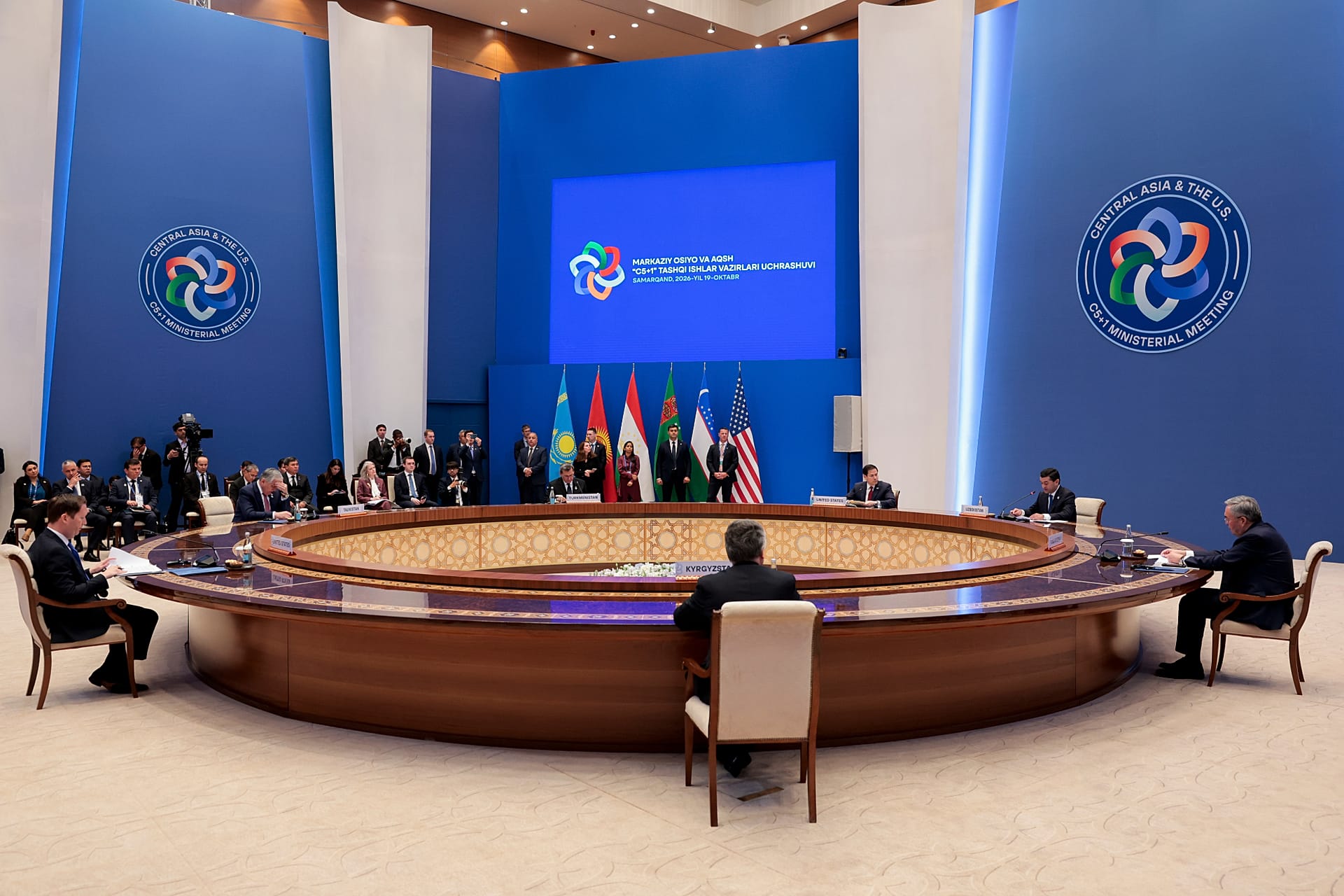
- C5+1 meeting in Samarkand: the US and five Central Asian countries supported investment in the Trans-Caspian route (Middle Corridor) bypassing Russia.
- Priorities: critical minerals, processing, energy, cybersecurity; funding amounts were not named in the statement.
- Uzbekistan signed the Artemis Accords, becoming the 77th participating country; Rubio expressed interest in visiting Kazakhstan after the G20 summit in Miami in December.
Joint statement following the meeting in Samarkand
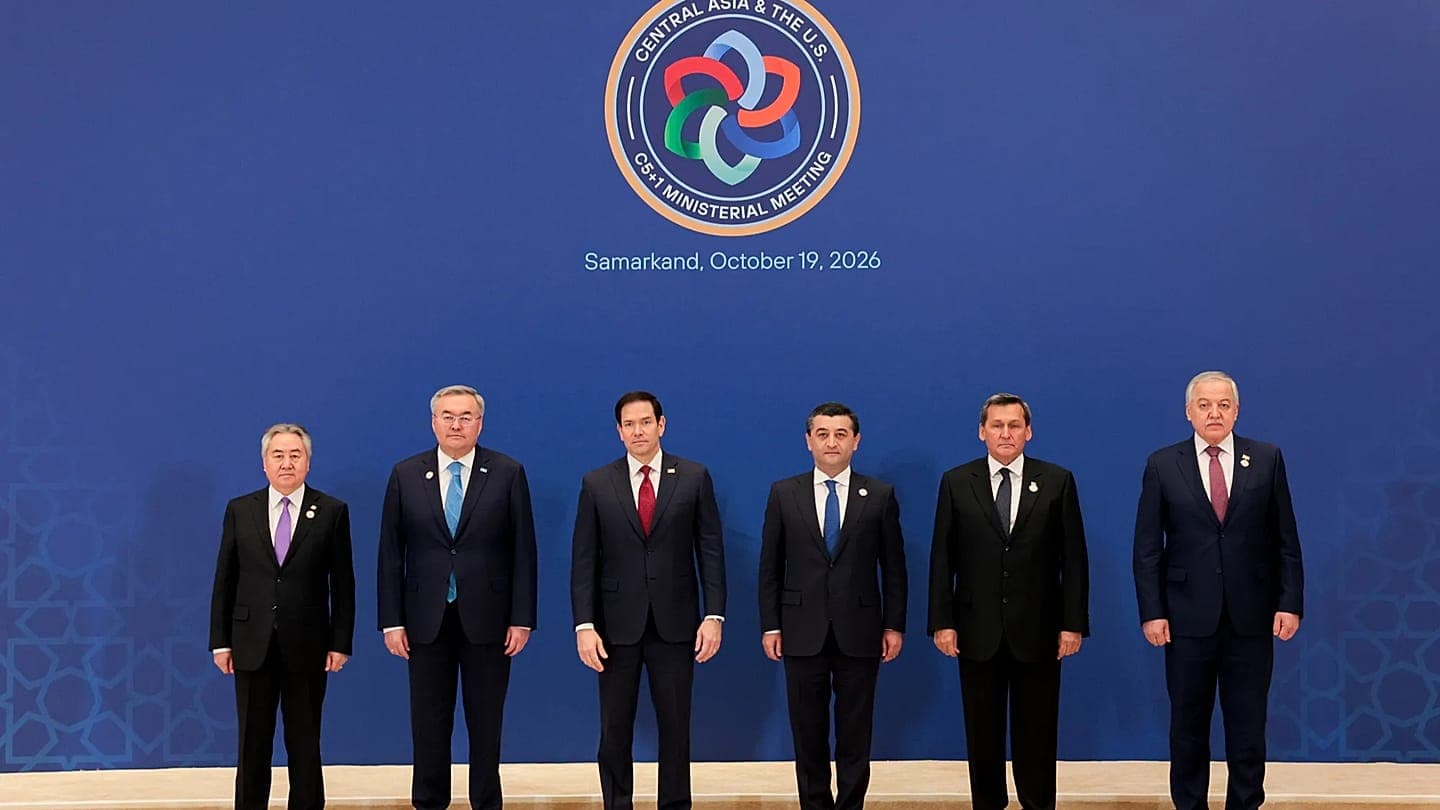
US Secretary of State Marco Rubio and the foreign ministers of Kazakhstan, Kyrgyzstan, Tajikistan, Turkmenistan and Uzbekistan on Monday agreed to deepen cooperation in transport, critical minerals and security at a C5+1 meeting in Samarkand. In a joint statement, the parties supported investment in the Trans-Caspian trade route, closer industrial cooperation and the simplification of customs procedures.
The Trans-Caspian route and minerals
The Trans-Caspian route, also known as the Middle Corridor, connects Central Asia with European markets via the Caspian Sea, the South Caucasus and Turkey, bypassing Russia. “We will develop the infrastructure of the Trans-Caspian trade route and give our partners more opportunities to access American and Central Asian markets,” Rubio said. Washington also seeks to diversify supplies of critical minerals used in energy technologies and advanced manufacturing. The six governments named mineral processing, energy cooperation and cybersecurity as priorities, but the joint statement contained no figures on new infrastructure funding.
Uzbekistan's proposals and the US position
Uzbek Foreign Minister Bakhtiyor Saidov proposed cooperation ranging from mineral exploration to processing and the creation of local industrial clusters, and also called for strengthening ties between the C5+1 diplomatic forum and the B5+1 business platform to attract companies to project identification. The five Central Asian states maintain extensive economic ties with Russia and China. In a separate conversation with Euronews in Samarkand, Rubio said that Washington seeks competition, not exclusivity: “It's not about coming here and saying: stop talking to someone else or working with some other country.”
Bilateral meetings
Rubio also held separate meetings with each of the ministers. Kazakh Foreign Minister Murat Tleuberdi discussed trade, energy, critical minerals and technology with him. Kazakhstan's Foreign Ministry said the secretary of state expressed interest in visiting the country after the G20 summit in Miami in December, although no date was announced. According to the US State Department, the parties also discussed Kazakhstan's intention to join the Abraham Accords — a US-backed framework for normalizing relations with Israel. Bilateral cooperation was discussed with Kyrgyz Minister Zheenbek Kulubaev. Tajik Minister Sirojiddin Muhriddin, according to his ministry, raised trade, investment and regional security. At the meeting with Turkmen Foreign Minister Rashid Meredov, the parties are preparing another round of political consultations in Ashgabat in November.
Uzbekistan and Artemis
Uzbekistan and the US held the first session of the Enhanced Strategic Partnership Dialogue, covering trade, energy, technology and security. Following the talks, Minister Saidov, in Rubio's presence, signed the Artemis Accords — an international framework for the peaceful exploration of space — making Uzbekistan the 77th participating country.