The key facts
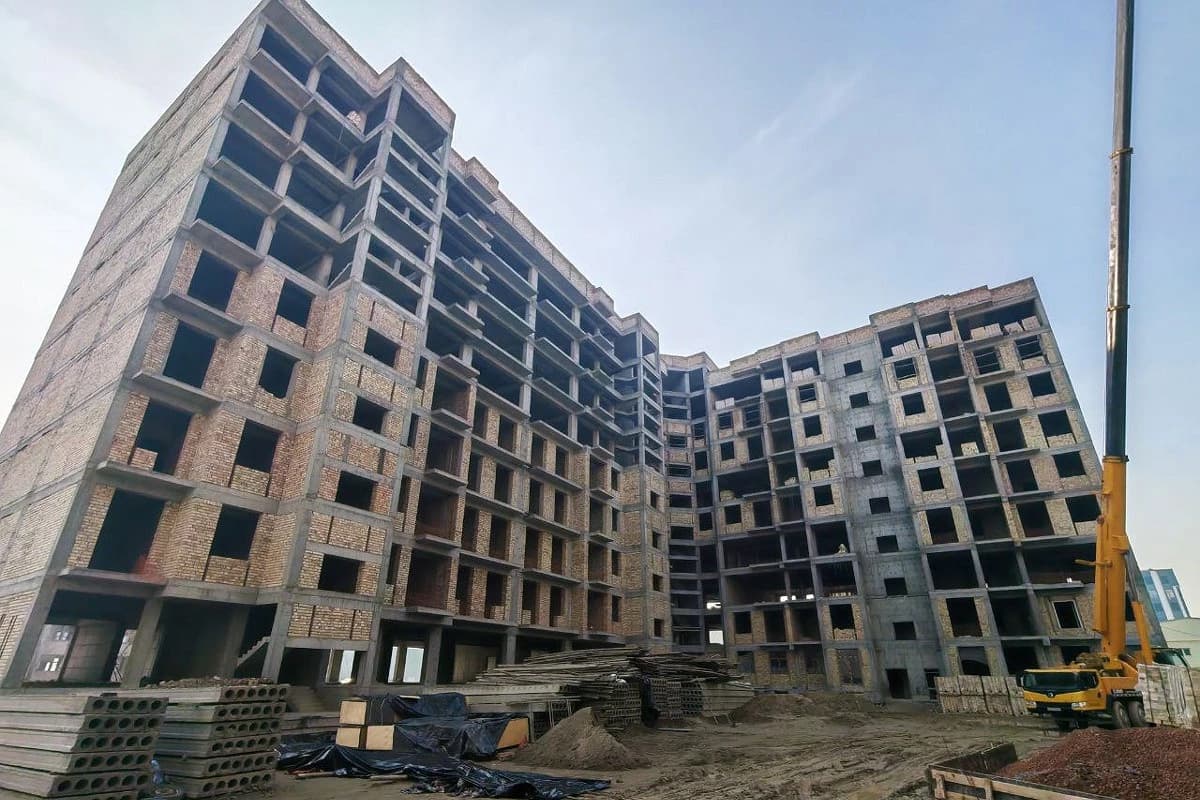
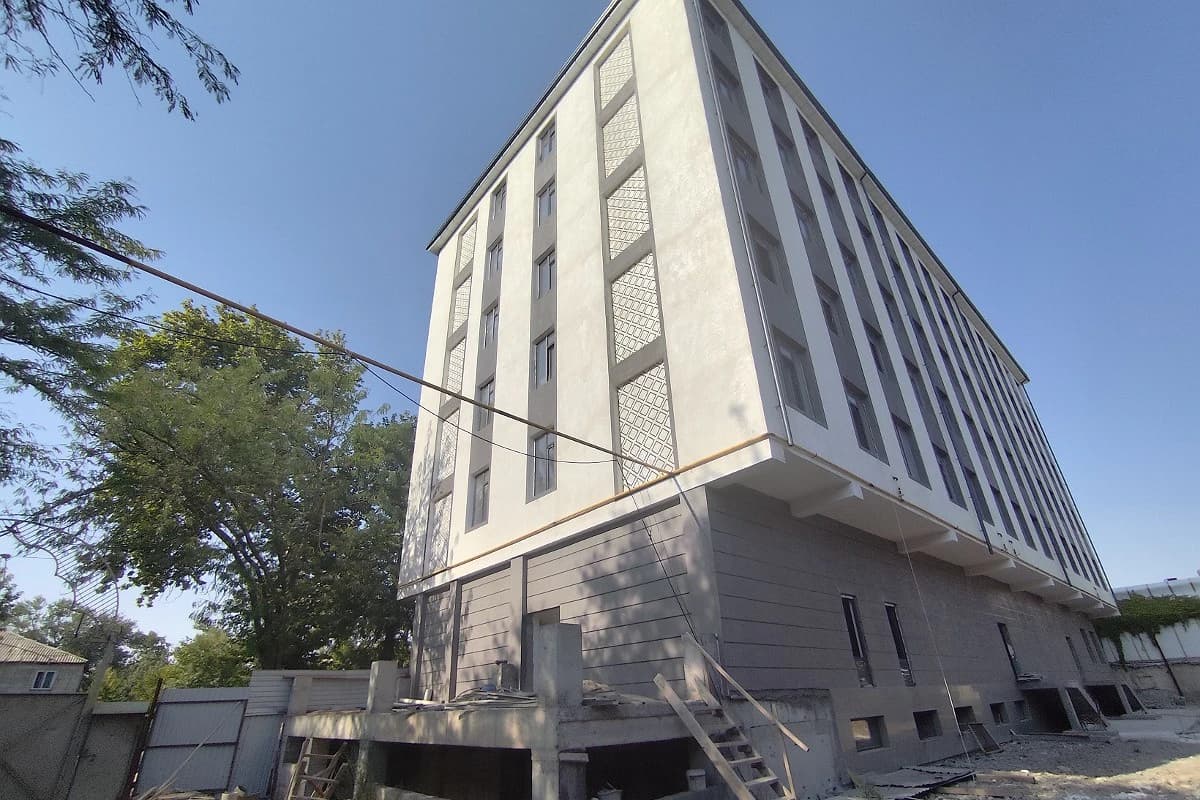
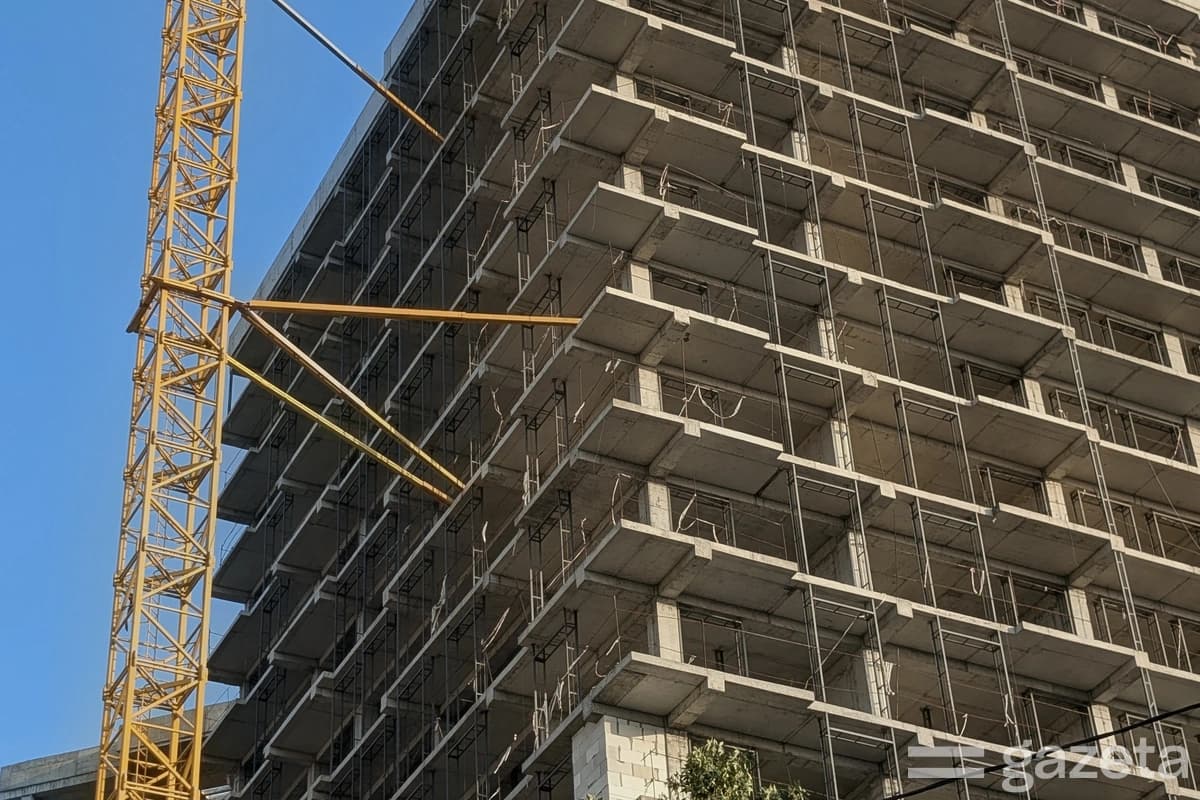
- Over 720 apartment buildings in Tashkent were built without architectural approval — data from Minister Sherzod Khidoyatov as of October 13
- The Prosecutor General's Office is handling the problem facilities; buildings can be accepted for operation only after playgrounds, parking lots are created and structural strength is verified
- 520 billion soums have been allocated for infrastructure construction and repairs; liability for illegal construction is tightened from late December 2026
Scale of the problem
More than 720 apartment buildings built without permission from architectural authorities have been identified in Tashkent. Construction and Housing and Communal Services Minister Sherzod Khidoyatov announced this on October 13 during the 'Government Hour' in the Legislative Chamber of the Oliy Majlis. According to him, all multi-storey buildings constructed across the republic have undergone khatlovka (registration), but are 'problematic' — built without permission. 'Many entrepreneurs built housing on plots put up for auction before the Tashkent general plan was approved. This is now a very painful issue,' the minister said. The Prosecutor General's Office is currently dealing with the problem facilities.
Deputies' remarks and the ministry's response
Deputy Dilmurod Ismoilov pointed to a shortage of children's and sports playgrounds and parking lots around apartment buildings, as well as the fact that in some districts there are no free plots left for the necessary infrastructure. In addition, there are cases where developers failed to fulfill their obligations to build playgrounds stipulated in residential complex designs. In response, Khidoyatov explained that under the Tashkent general plan approved at the end of 2024, the city's territory is divided into three categories: conservation, renovation and reconstruction zones. The document has been converted into electronic format and made available for use. The minister acknowledged that before the general plan was approved, apartment buildings were built on plots put up for auction, including without the necessary permits.
Control and acceptance of buildings
According to the minister, after strengthened control and digitalization of the permit issuance process, cases of unauthorized construction are being prevented. Under urban planning standards, requirements for the number of playgrounds and parking lots are set for each facility; buildings can be accepted for operation only after the necessary conditions are created. 'The renovation program has been expanded, and these buildings can be accepted for operation only after the necessary infrastructure is created around them. At the same time, not only the presence of playgrounds or parking lots will be examined, but also the structural strength of the buildings — with control through instrumental inspections,' Khidoyatov noted.
Artificial intelligence and funding
Artificial intelligence has been introduced into the design review system, helping to identify non-compliance with established requirements. If a design does not provide for parking lots, children's and sports playgrounds, or areas for waste containers, it must not pass the expert review. Under a presidential decree, 520 billion soums have been allocated for the construction and repair of playgrounds, pedestrian paths and other infrastructure. The work is carried out together with local customers under the ministry's supervision.
Tightening of liability
On September 28, a law was adopted to strengthen liability for illegal construction of apartment buildings. Repeated construction without a permit after an administrative penalty entails imprisonment for a term of three to five years. If a violation of urban planning legislation leads to a person's death or other grave consequences, the penalty is five to seven years of imprisonment. The law enters into force three months after official publication — at the end of December 2026.
Context
In August, the Prosecutor General's Office of Uzbekistan launched the Telegram bot 'Noqonuniy qurilish' (@noqonuniy_qurilish_bot), through which Tashkent residents can report cases of illegal construction. Earlier, Minister Khidoyatov urged citizens, before buying housing, to check whether the facility is registered in the 'Shaffof qurilish' system — according to him, in that case no questions of seismic safety or legality will arise.