The key facts
- Referrals to the Kaleidoscope centre grew from 2 in 2021 to 112 in 2026; half of clients are being treated for ketamine
- Estimated number of ketamine users in the UK (aged 16–59) is around 264,000 in 2024–25; treatment referrals rose twelvefold over a decade
- The University of South Wales is researching what help works for young users, as the group's needs differ from traditional services
Megan's story: from first dose at 14 to nappies at 22
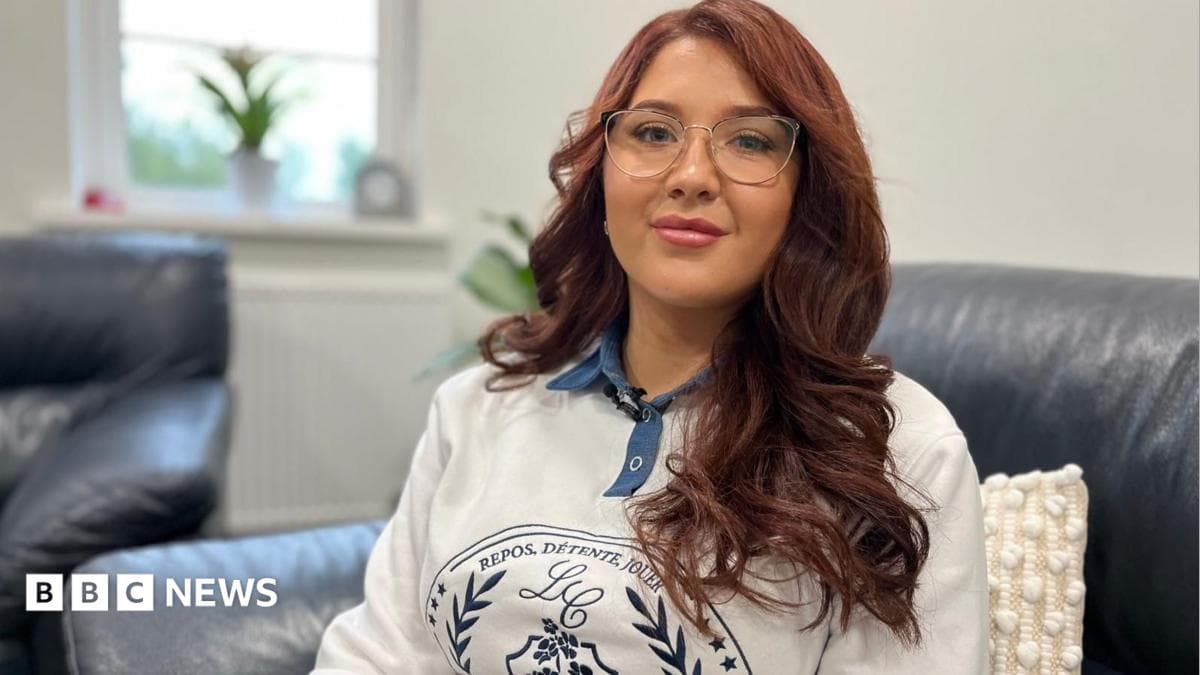
Megan Harmes from Flint in North Wales first tried ketamine at 14. Use became widespread among her peers during lockdown: working from home as an aerospace engineering apprentice on a full salary, she encountered the drug, whose price had fallen sharply. At her worst, she said, she used it 'all day, every day'; ketamine, she said, suppressed symptoms associated with ADHD and borderline personality disorder. Her use cost her the apprenticeship, and four years of night shifts at another job cemented the addiction. For the last two years she experienced severe pain, could not stand upright and needed urological pads. After four weeks of rehabilitation, she says she is returning to her former self, although the extent of her bladder damage will not be known for some time.
Rising referrals and demographics
Jo Moore, who runs the Birchwood rehabilitation centre operated by the organisation Kaleidoscope, said that five years ago the centre received just one referral for inpatient ketamine detox, while since January 2026, 112 people have come through the centre; half of clients are now receiving help specifically in connection with ketamine. According to her, the drug is 'very cheap and very accessible', allowing frequent use in large quantities. Most clients are people aged 18–24, but over the past year the number of referrals among adults aged 25–34 has grown, especially in Cardiff and south-east Wales. Ketamine is used in medicine as a dissociative anaesthetic and in veterinary practice, but in 2014 it was reclassified as a Class B drug: its possession, manufacture and sale are illegal. According to figures cited by the BBC, in 2024–25 around 264,000 people aged 16–59 used ketamine in the UK, and the number seeking treatment for ketamine disorders grew twelvefold over the decade.
The specific needs of the young group
Darren Quelch from the University of South Wales said that interviews with Birchwood clients showed use begins at 13. Physical harm from constant use ranges from memory problems and chronic pain to bladder damage and kidney failure, with harm from 'chronic, escalating use' developing faster than from alcohol or Class A drugs. Services traditionally oriented towards older adults are having to adapt to young clients with different needs, whose habits were often formed while still at school. 'Their core work is not dealing with very complex medical cases,' Quelch said. 'And even if it were, we actually don't yet know what the right response is.' He is conducting research jointly with Kaleidoscope to determine what kinds of support work for this group.
Mark's story: 'at 25 I had the body of an 80-year-old'
Mark from Liverpool, who asked for anonymity, began using drugs at 18, and by 21, he said, was taking 'huge amounts of cocaine and ketamine'. He regularly passed clots and experienced pain when urinating; the destruction of his nose from intranasal use badly damaged his self-confidence, which, he said, led to further use. He was ashamed to admit to a doctor that he used ketamine, fearing judgement. Quelch noted that young people find it difficult to interact with emergency services and GPs: symptoms are not always linked to ketamine or the relevant question is not asked. 'It's not necessarily that people aren't asking the right question,' he said, 'it's just that we don't yet know what works well.'
Signs of improvement and open questions
Jo Moore said the situation is improving: early community-level intervention reduces the need for detox, and the number of people presenting with ketamine use for the first time is falling — education in schools, colleges and universities is working, she said. However, the number of those who have been using for several years and need support is growing. Quelch noted that the scale of the problem and the long-term health consequences are still unclear. 'Anecdotally, relapse is a big problem in this group,' he said. 'We don't know how much their bodies recover, but we have seen that when people resume use after a period of abstinence, harm appears much faster than the first time.' He highly praised Kaleidoscope's peer mutual support work as 'unique and effective', noting the absence of judgement and stigma.
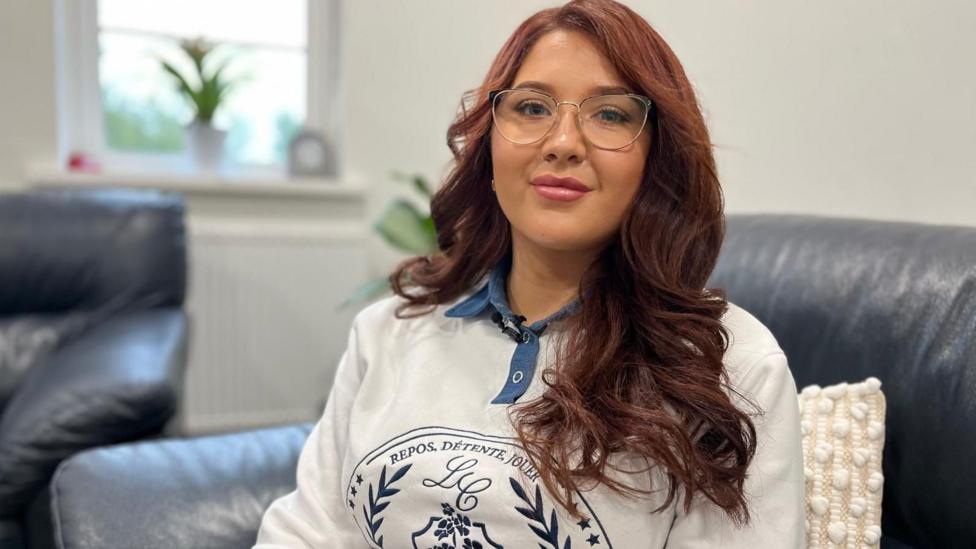
Megan says four weeks in rehab for ketamine use is already helping her feel physically better, though it's unclear if her bladder damage can be reversed
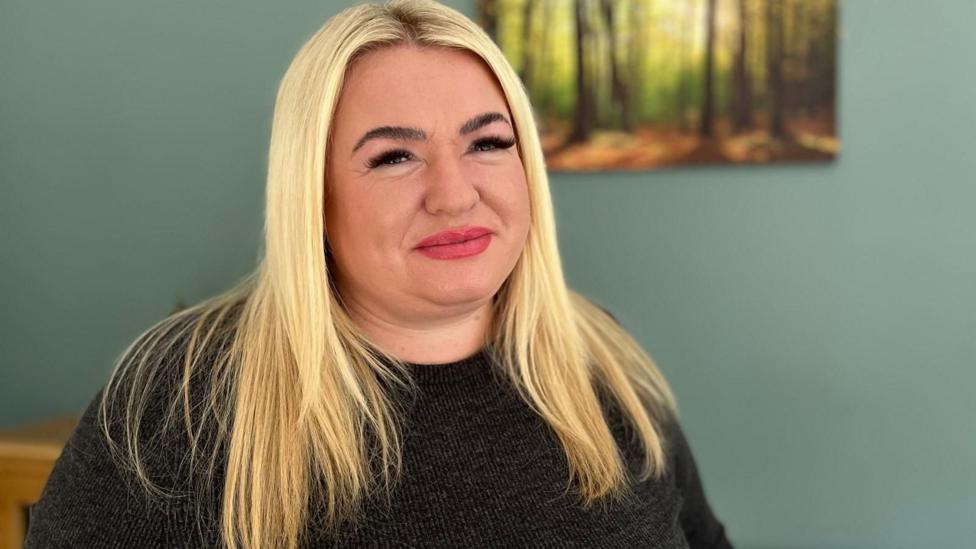
Jo Moore said support sessions are also provided for the families of young people who have become dependent on ketamine
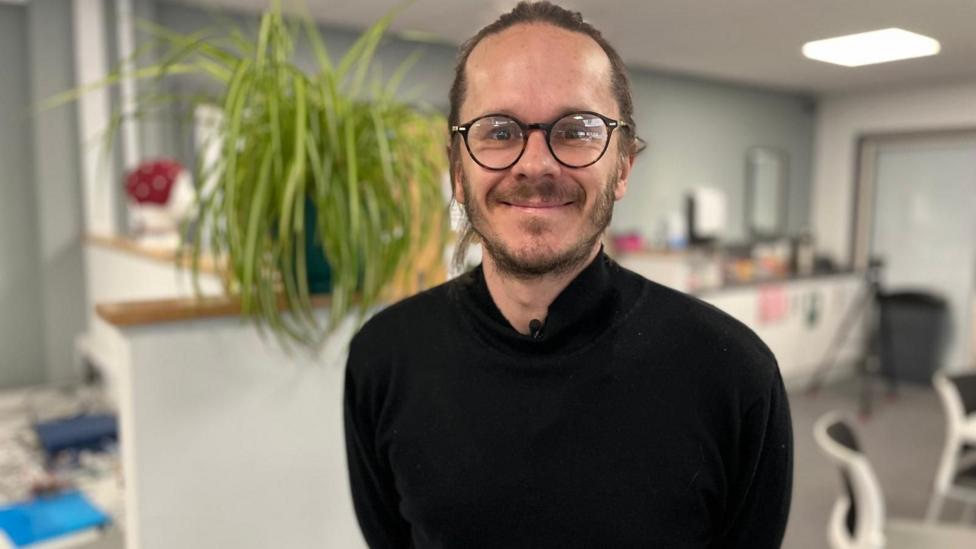
Dr Darren Quelch says rehabilitation for ketamine dependence differs from traditional drug and alcohol services
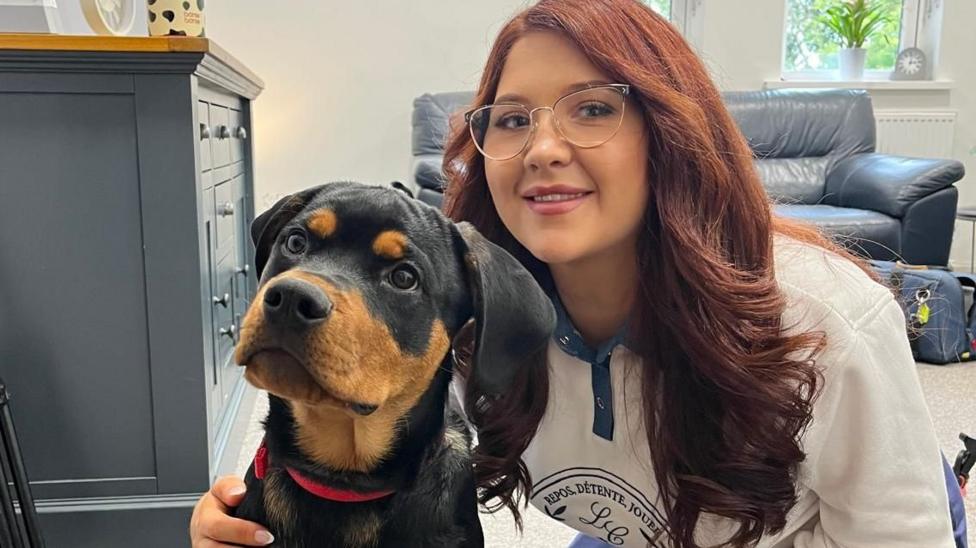
The Birchwood detox and rehabilitation centre has three therapy dogs that have proved popular among service users like Megan
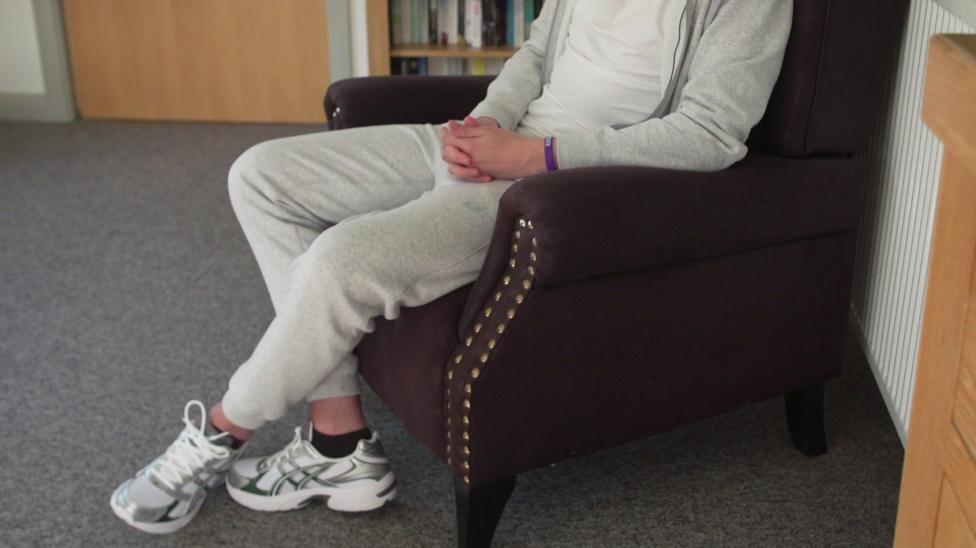
Mark's