The key facts
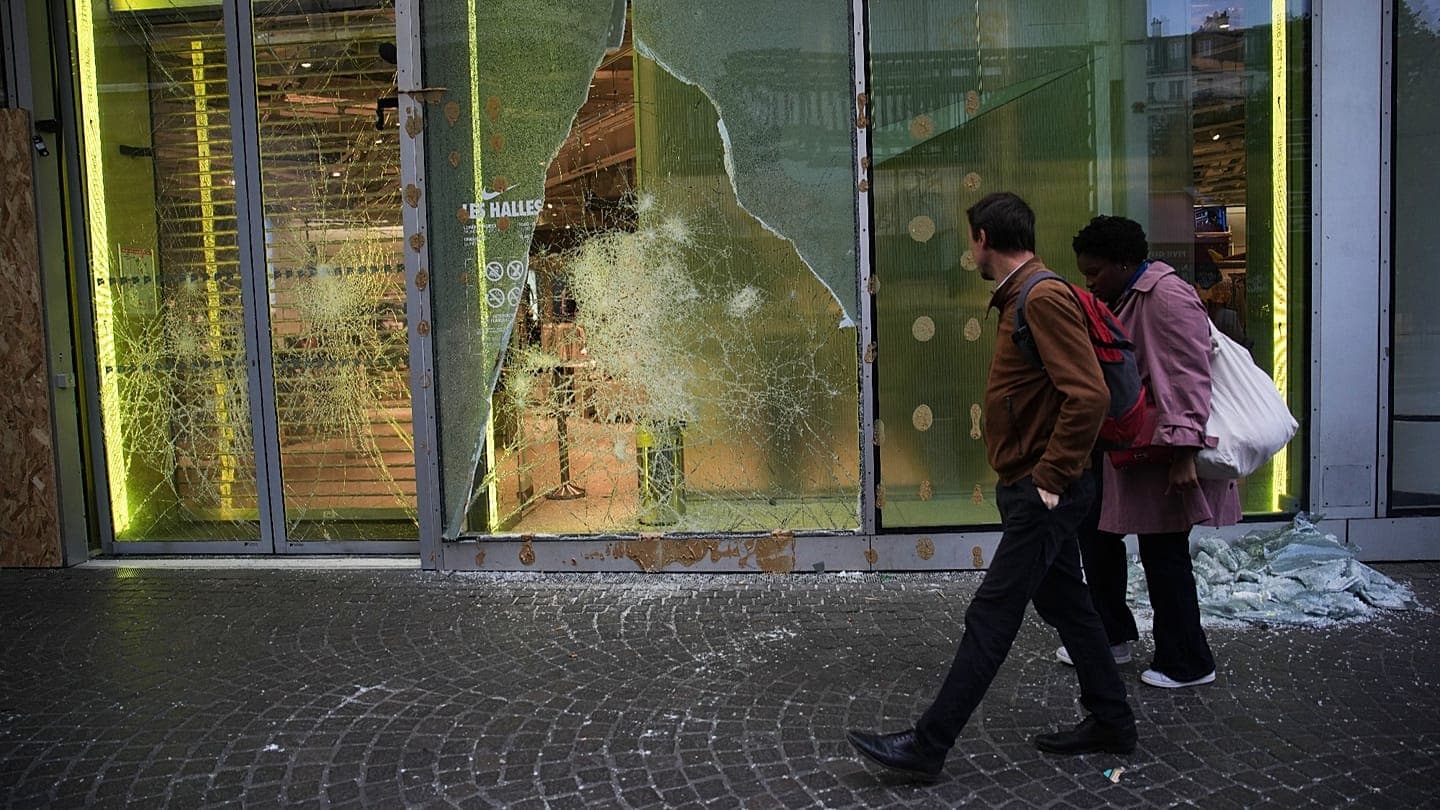
- More than 500 businesses damaged, most of them looted; 118 police officers injured, 101 arrests, a quarter of them minors.
- UN1TE union: 4,000 tear gas grenades used, after which police 'ran out of ammunition'.
- Mayor Benoît Payan called the situation a 'failure' and warned of a repeat of the looting without a change in police tactics.
Marseille after Saturday's chaos
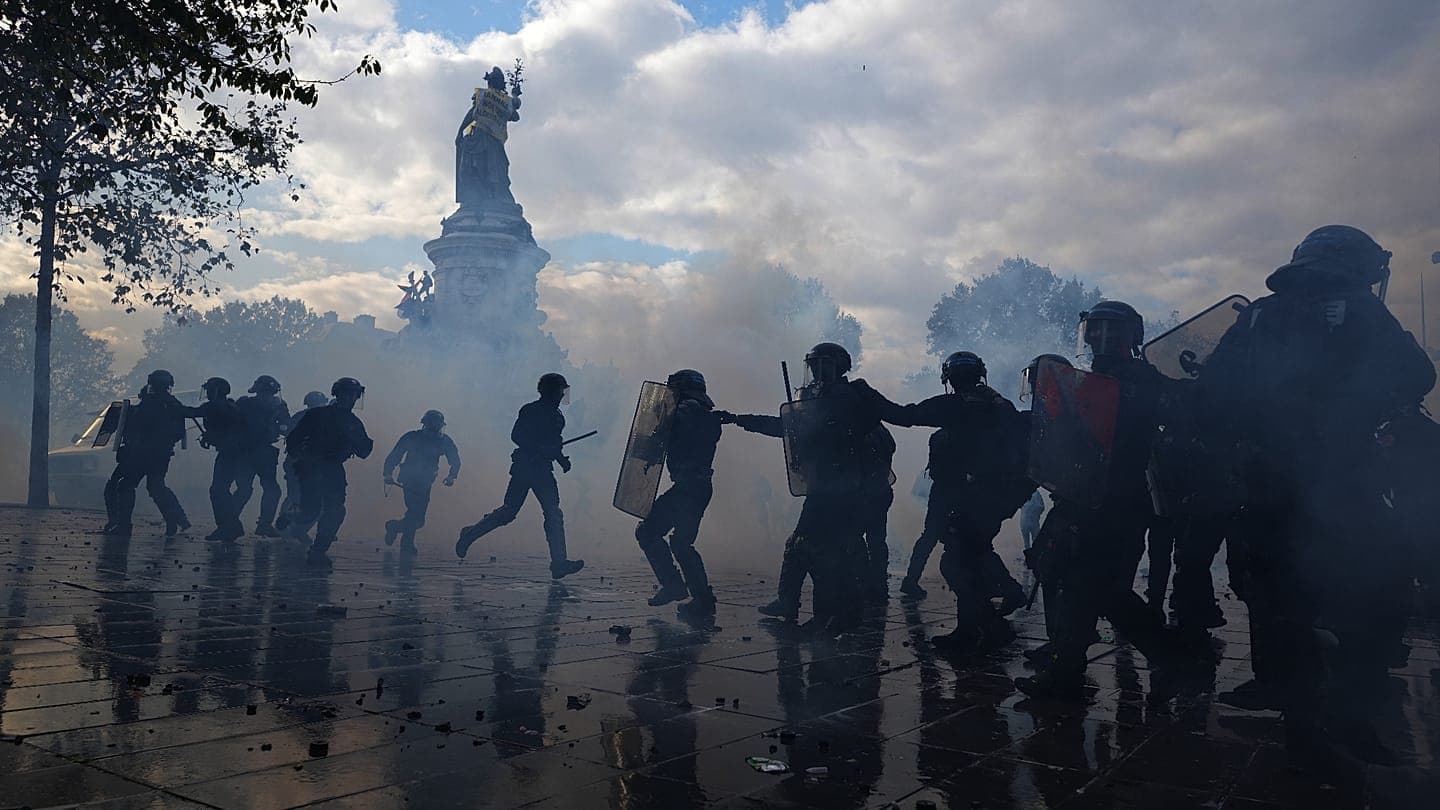
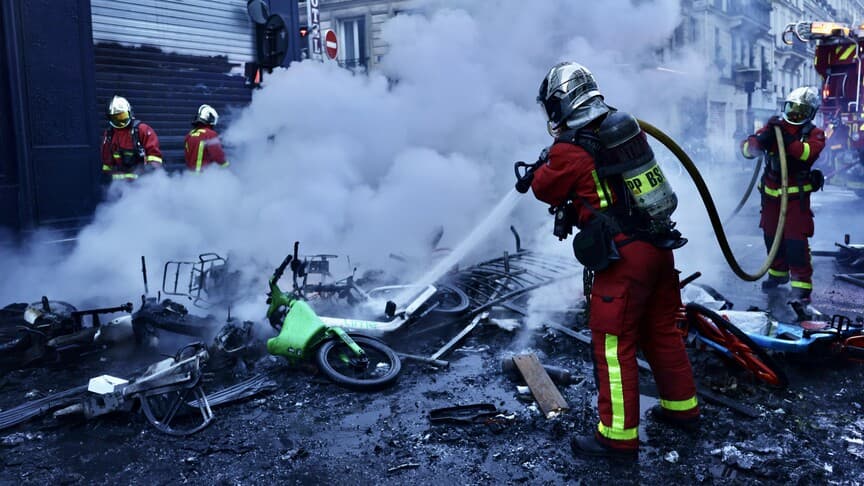
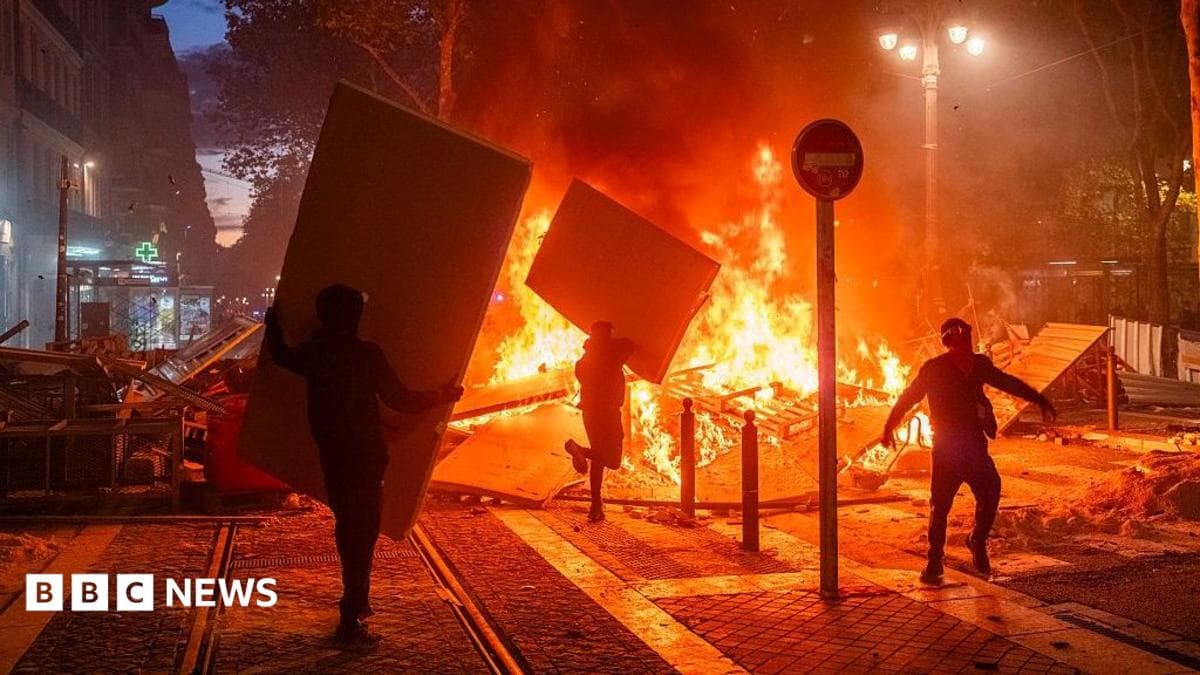
Marseille is cleaning up after some of the worst riots in modern French history. According to local business associations, more than 500 businesses were damaged, most of them looted. Looting was recorded in the city centre, including La Canebière boulevard, Rue Paradis and the Centre Bourse shopping mall, as well as in the northern shopping centres Grand Littoral and Le Merlan. 101 arrests were made in the city, a quarter of those detained being minors.
Police: 'It was war'
UN1TE union representative Arnaud Blaise described the weekend as an 'apocalyptic' hell for police officers: 118 officers were injured — more than a tenth of the national total. In his view, the riots were provoked by far-left activists known as Black Bloc, while youths from poor northern suburbs took advantage of the chaos to loot. He rejected accusations of selective policing, saying that more police officers were injured than students, and that after 4,000 tear gas grenades were used, the police 'ran out of ammunition' and had to retreat.
Government measures and the mayor's reaction
On Monday, demonstrations and gatherings were banned in Marseille for eight hours to prevent a third day of unrest; the largest crowds on the streets turned out to be tourists. From Tuesday, a night-time curfew for minors is expected in some districts of the city. Interior Minister Laurent Nuñez, whose resignation after the riots was rejected by President Macron, arrived in Marseille on Monday evening and met with socialist mayor Benoît Payan at the city hall, which was briefly occupied by protesters on Saturday. Payan demanded explanations from the government: 'Order was lost, and the attempt to restore it... from start to finish it was a failure.' He warned that without a radical change of approach, if schoolchildren remain the police's sole target, scenes of looting will be repeated.
Testimonies of participants and residents
The protests began in September over poor conditions in schools, but grew into broader demands, including the cost of living. 18-year-old student Mariam, taking part in a demonstration for the first time, described the solidarity of the march as 'beautiful' and the ensuing chaos as 'terrifying'; at the same time, she admitted she was not sure whether violence could be justified, noting that France's history 'is based on revolution', but 'sometimes it goes too far'. 79-year-old Chantal Bellanger said she had long been worried about the country: in her words, public services, hospitals and education are in a terrible state, and the outlying districts are abandoned; she fears that an entire generation will 'criminalise itself' out of anger and despair. Despite a temporary lull thanks to bans and a curfew in other cities, new demonstrations are planned for the weekend.

Maryam (R) joined the protests on Saturday, which began in September over poor school conditions before escalating to cover broader issues such as the cost of living
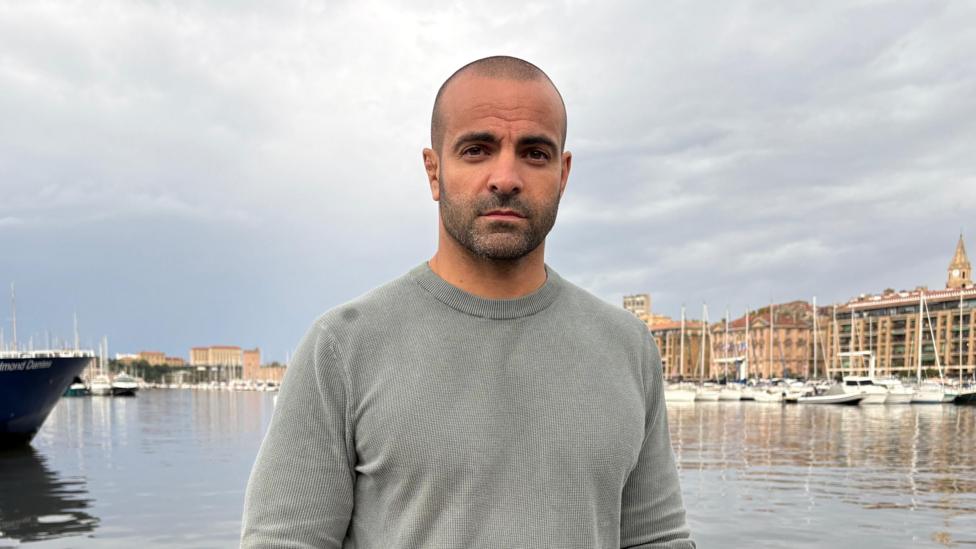
Police union representative Arnaud Blaise said police had eventually run out of ammunition
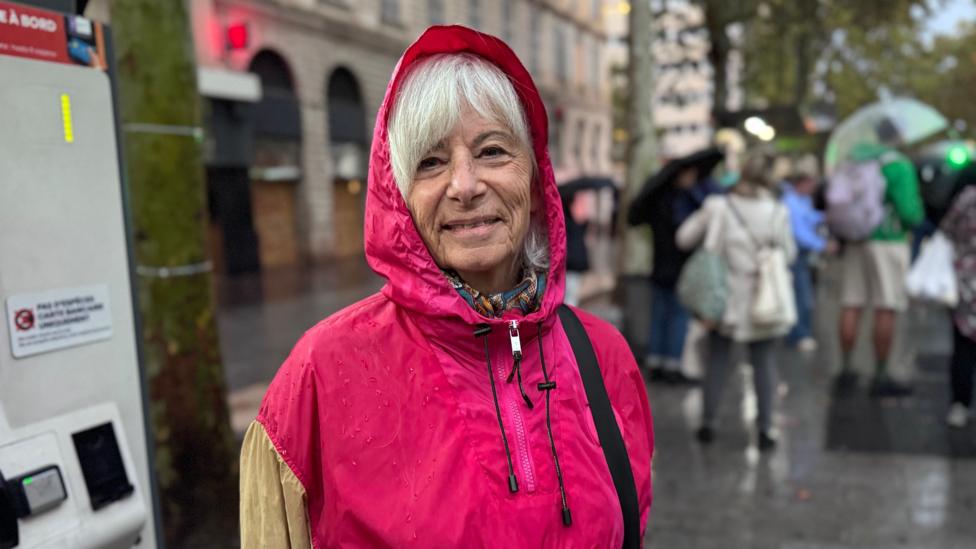
Chantal Bellanger said she was worried for young people rioting out of anger and despair