The key facts
- Protests over student living conditions escalated into riots and looting in major French cities
- Libération: there were five times more demonstrators than the 150,000 expected by Interior Minister Laurent Nuñez
- Le Monde and historians examine the notion of the “far left” and warn against a false symmetry with the far right
Weekend of Unrest
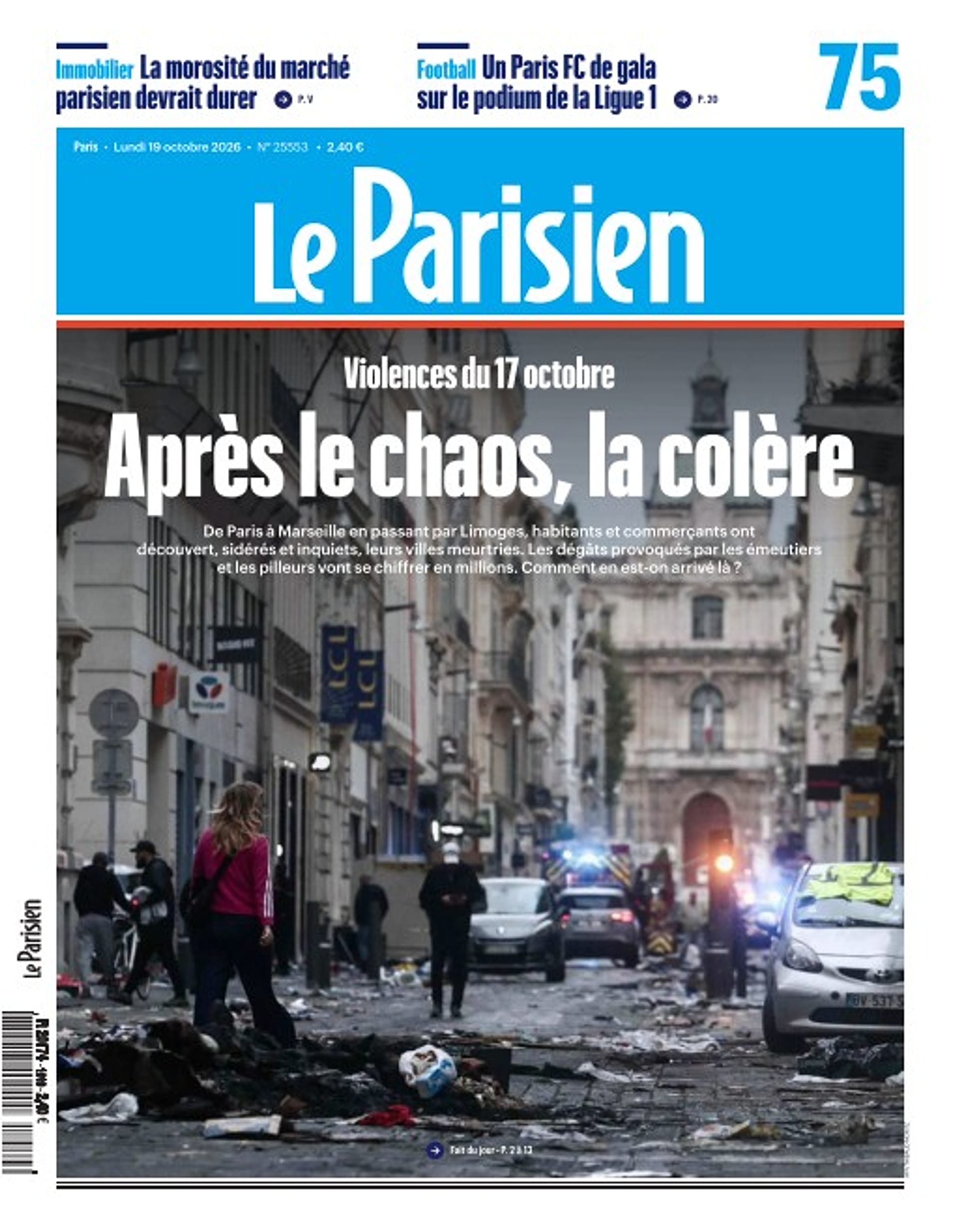
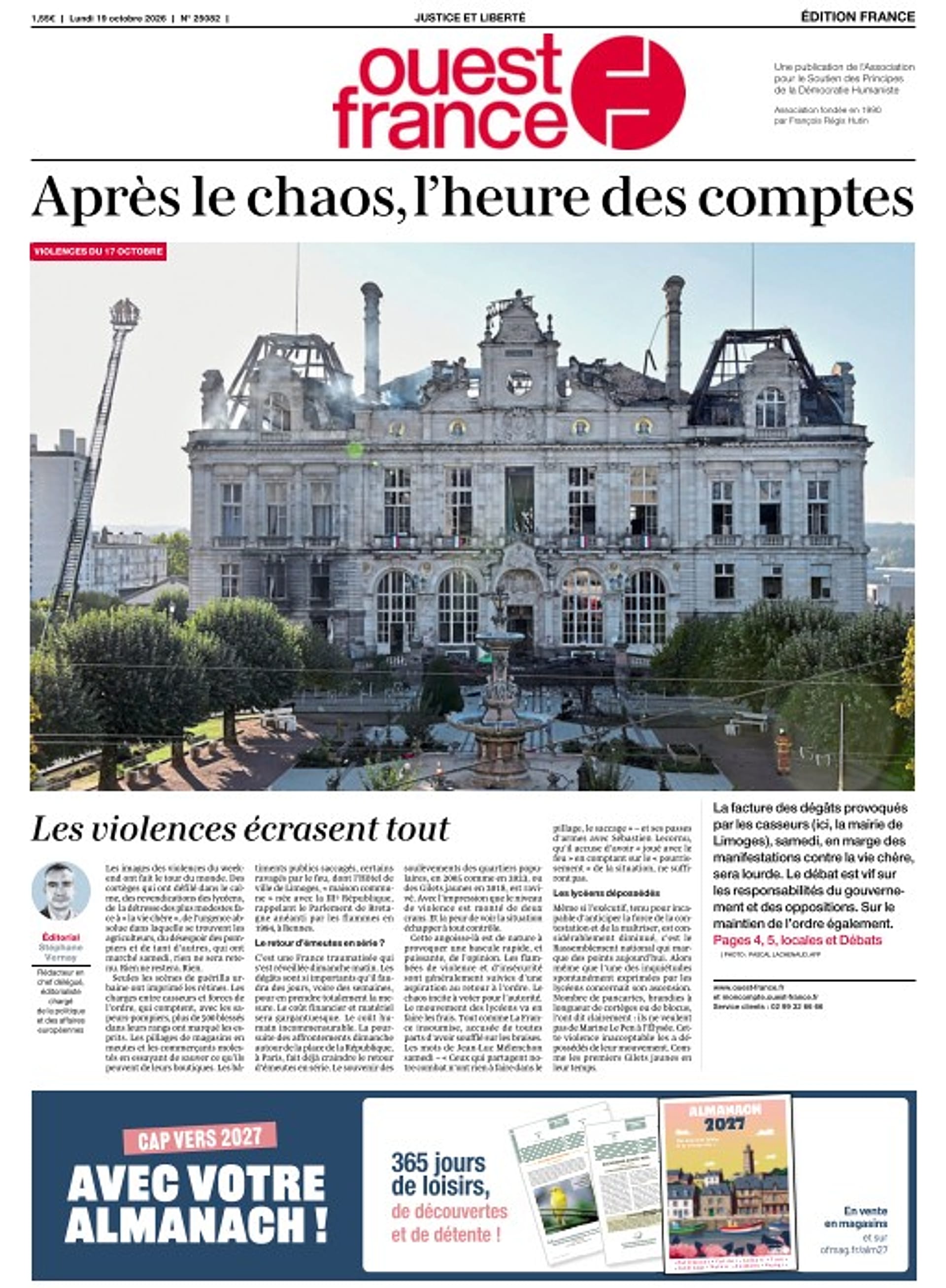
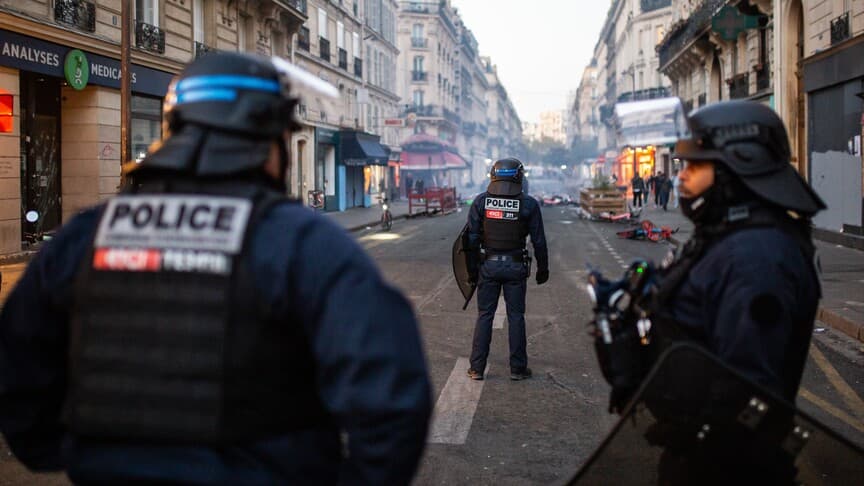
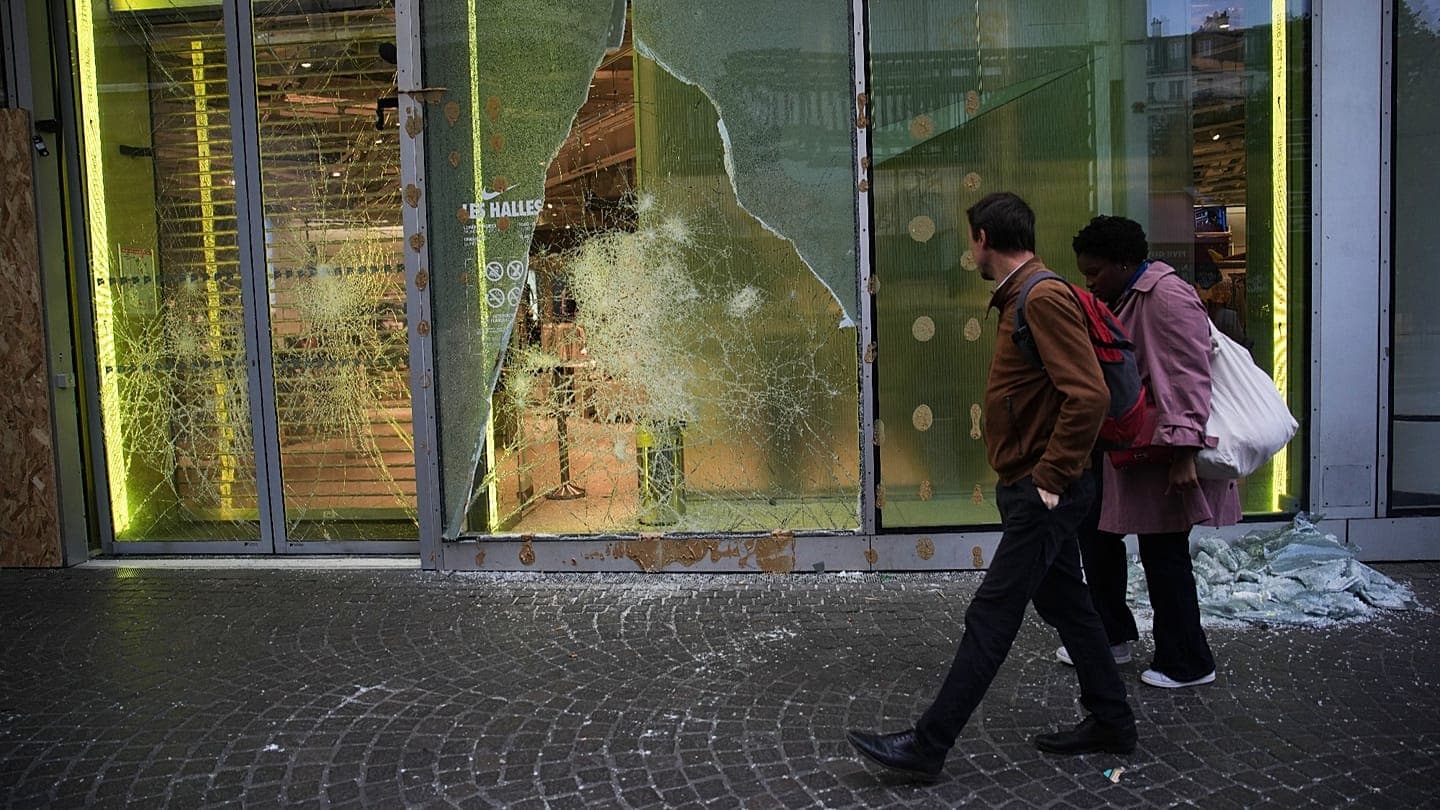
French newspapers on Monday, October 19, 2026, analyze the outcome of the weekend, when protests over student living conditions escalated into unrest: clashes, rampages and looting were reported in major cities across the country.
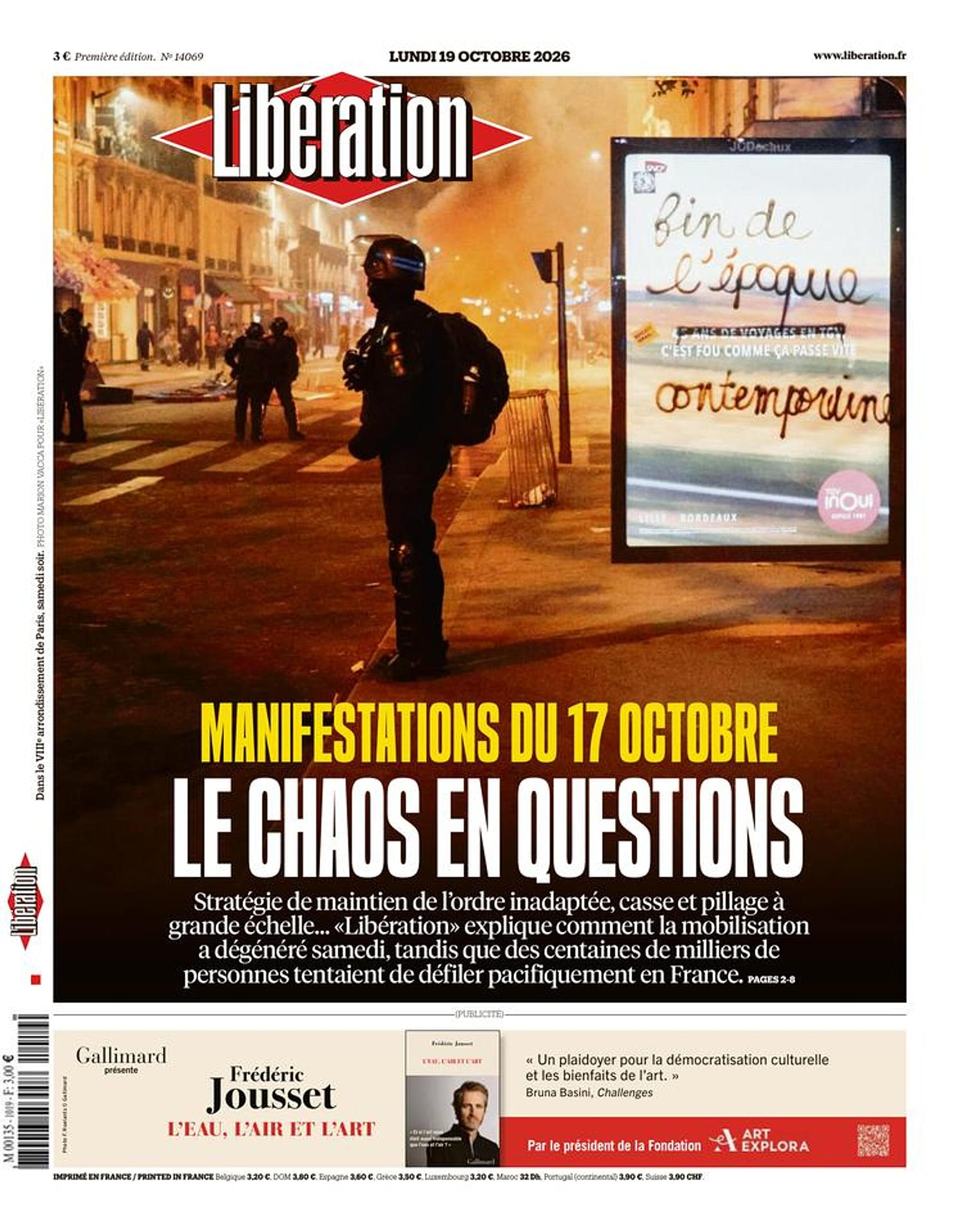
Libération: “Anatomy of a Fiasco”
Libération questions the authorities’ actions, noting that turnout at the demonstrations far exceeded expectations: “There were five times more of them than the 150,000 demonstrators expected by Interior Minister Laurent Nuñez,” the paper writes. The newspaper asks whether the government and law enforcement took the calls to take to the streets seriously enough, and describes the events as an “anatomy of a fiasco.” Sébastien Roché, a sociologist specializing in policing practices, describes how police tactics contributed to the unrest: “As early as around 12:20, tear gas began to spread across the sky over the Place de la République in Paris amid deafening grenade blasts” — almost two hours before the march was due to begin. Similar scenes unfolded in Marseille and Bordeaux, where gatherings turned into chaos within minutes; clashes also occurred in Clermont-Ferrand. In Roché’s view, police actions fragmented the marches, dispersing demonstrators and making the situation harder to control, which, he says, contributed to the damage.
Le Figaro: A Harsh Editorial
Le Figaro deputy editor-in-chief Vincent Trémolet de Villers, in Monday’s editorial, condemns what he calls “a state humiliated in its town halls, prefectures and police stations.” The Europe 1 columnist (the media outlet is owned by billionaire Vincent Bolloré) criticizes the judicial system, which he portrays as “lenient toward criminals but merciless toward law-abiding citizens.” He also attacks “far-left militias,” “uncontrolled immigration” and “the various forms of socialism that have governed us for the past fifteen years.” In particularly sharp terms, he addresses supporters of La France Insoumise leader Jean-Luc Mélenchon, calling them “useful idiots” who “wear not only a keffiyeh but also a tie,” and denounces “a technocratic monarchy intoxicated with its own power.”
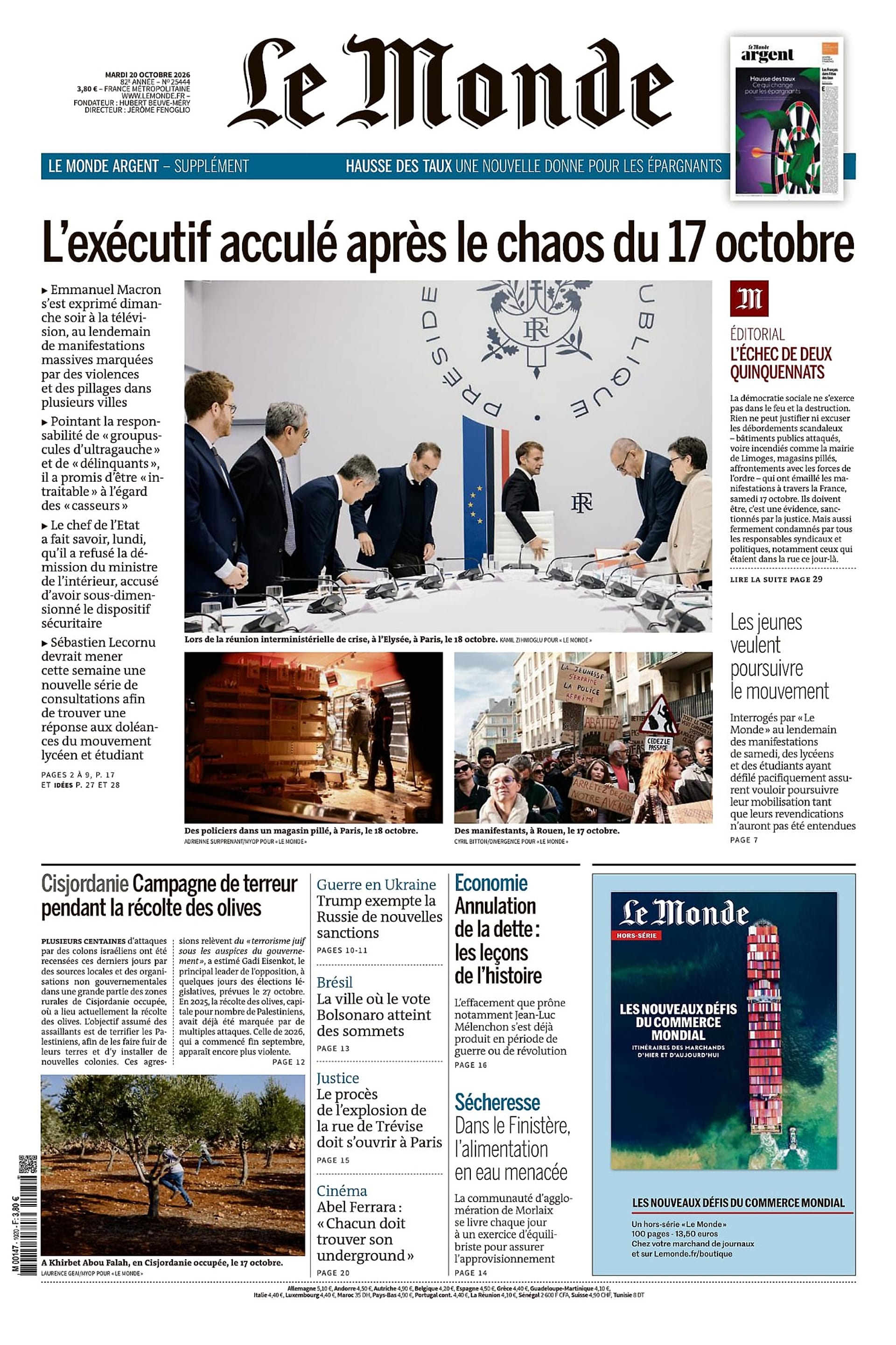
Le Monde: Who Are the Far Left?
Le Monde examines the far-left movement, which several political leaders blamed after the unrest. The newspaper traces its roots back to 20th-century political currents that emerged to the left of the communist parties, including Soviet communism, which advocates the direct organization of workers into soviets and rejects political parties. Historian Sylvain Boulouque, a specialist in anarchism and the extreme left, explains that the far left originally referred to groups that rejected the political model of the French Communist Party, parliamentary politics and elections. The paper describes a movement whose actions may follow “a logic of confrontation with the symbols of the state, capitalism or power.” Historian Gilles Candar, a specialist in the French left, warns that the term “far left” carries a connotation of extremism and is now often used polemically. In his view, the tendency of some politicians to equate the far left with the far right creates, as he puts it, “a pitiful and harmful false symmetry.”