The key facts
- Sébastien Lecornu promised a 'massive' police deployment for protests over the coming weekend and acknowledged shortcomings in the security forces' response
- Partial curfews introduced in Paris, Bordeaux and Nice; in Marseille, a curfew for minors begins Tuesday evening
- Justice Minister Gérald Darmanin: nearly 150 people jailed, more than 800 to face trial
Authorities promise increased police presence
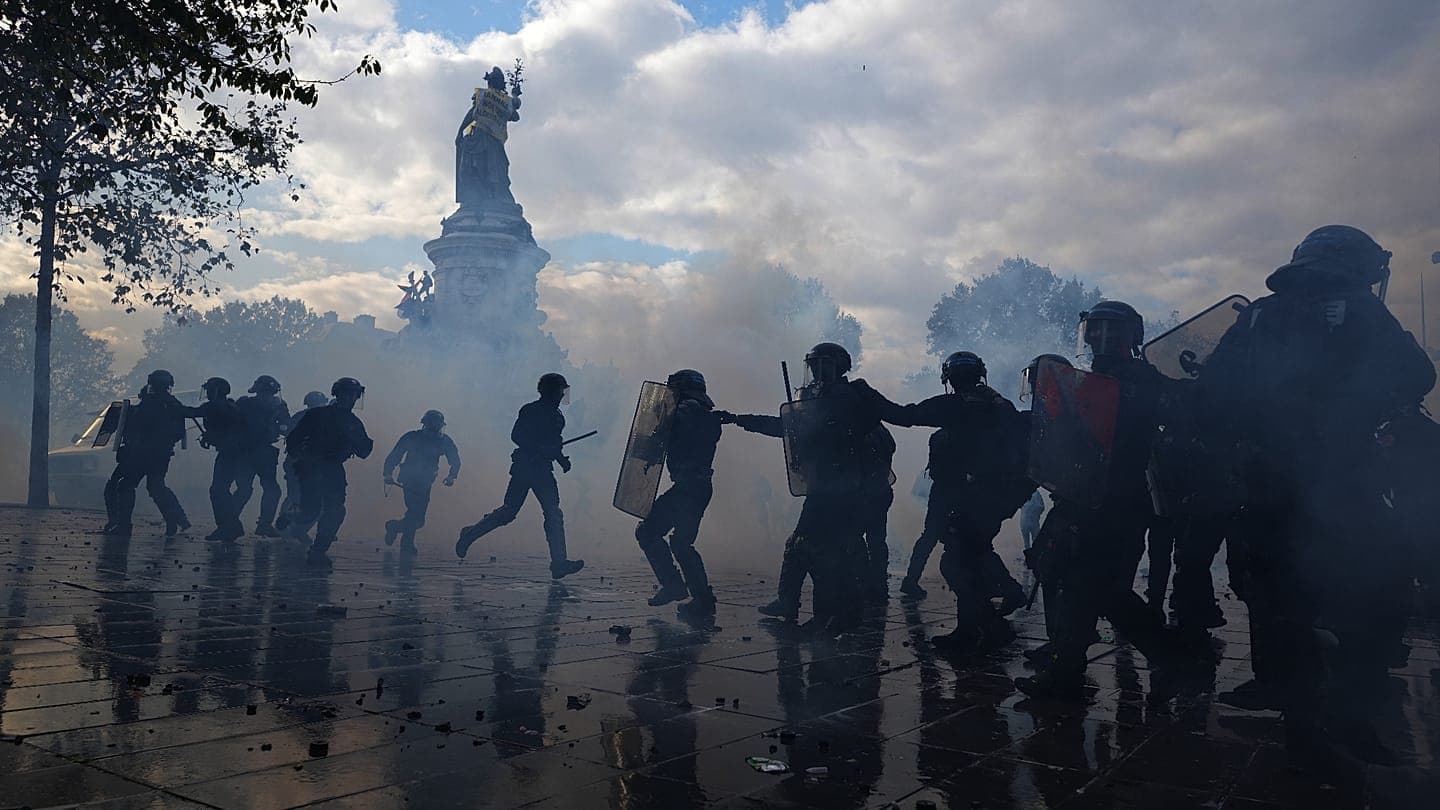
French Prime Minister Sébastien Lecornu said on Tuesday, October 20, that the police deployment for new protests scheduled for the coming weekend would be 'massive'. Speaking to disgruntled deputies in parliament, he acknowledged that the security forces' response to the recent riots had been insufficient. Lecornu blamed radical far-left groups for creating an 'insurrectionary plan' that led to the riots that erupted amid nationwide protests over the cost of living.
The riots and their scale
On Saturday, according to AFP, France saw some of the most serious riots in recent years — roughly six months before elections to succeed President Emmanuel Macron. Demonstrations against rising prices drew about half a million people across the country after four weeks of school protests. Amid clashes, crowds looted shops and set fire to public buildings; the burned historic town hall in Limoges became a symbol of the violence. A man, believed to be linked to the far left, has been detained on suspicion of involvement in the arson. Several countries, including the US, China and Germany, issued travel advisories for their citizens regarding France.
Curfew and security measures
On Monday, Paris, Bordeaux and Nice introduced partial curfews; Lecornu said new ones would be introduced on Tuesday if necessary. The Paris police temporarily banned carrying canisters and bottles of gasoline or gas. A source close to the situation told AFP that in Marseille a targeted curfew for minors would be in effect from Tuesday evening until at least Friday. A helicopter with a searchlight flew over the Place de la République in Paris at night, monitoring compliance with the curfew. Sylvain Courant, a resident of the Les Halles district, told AFP: 'The sound of the helicopter at one in the morning is a bit oppressive. It's something you see on TV, in all the good war movies.'
Judicial and economic response
Justice Minister Gérald Darmanin said nearly 150 people have been jailed and more than 800 will face trial. 'Justice is acting extremely tough. People with no criminal record are being sent to prison,' he said, adding that a tough response is necessary so that ordinary people do not start taking matters into their own hands. Under pressure over thousands of damaged or looted shops, the government announced interest-free loans for affected businesses from Friday, along with other measures. In recent weeks, investors have been selling off French government debt amid doubts about the government's ability to contain spending.
Political fallout and reactions
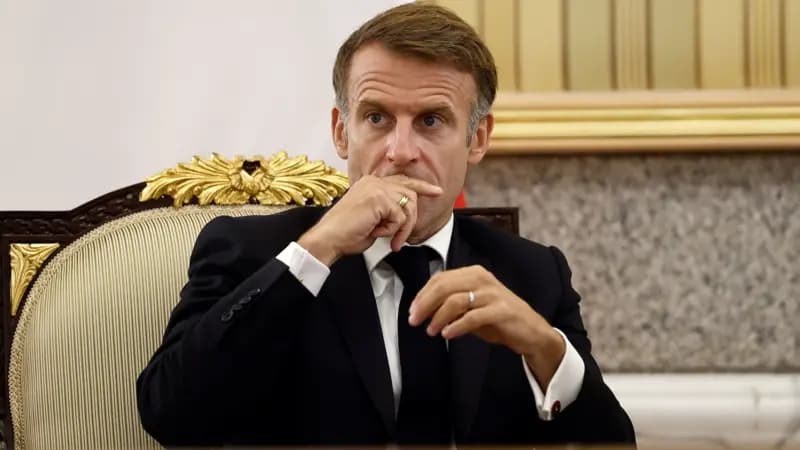
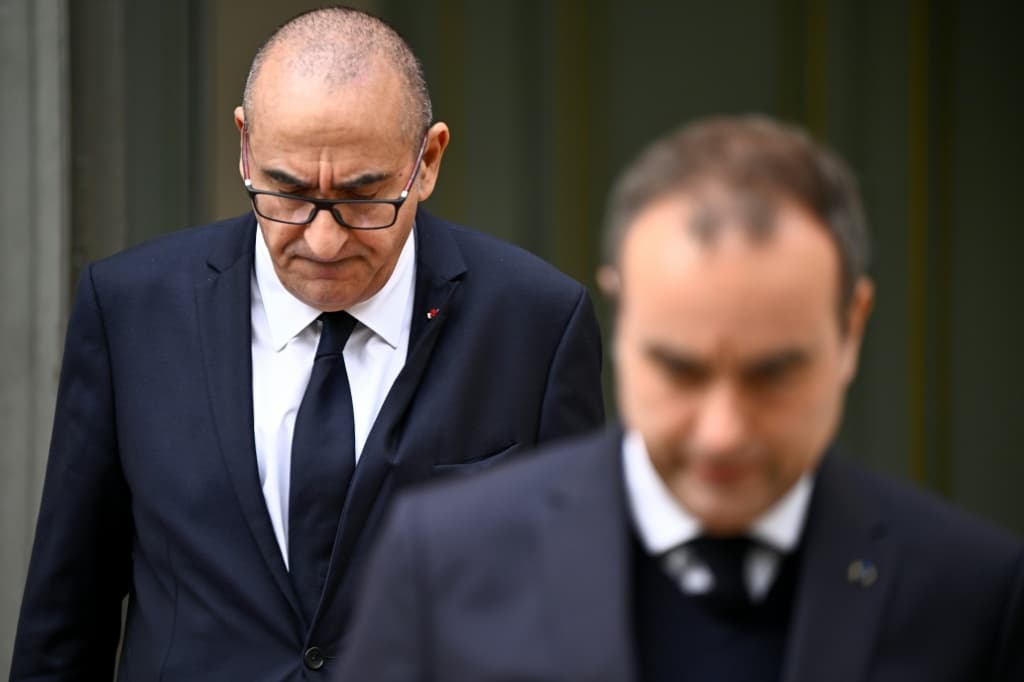
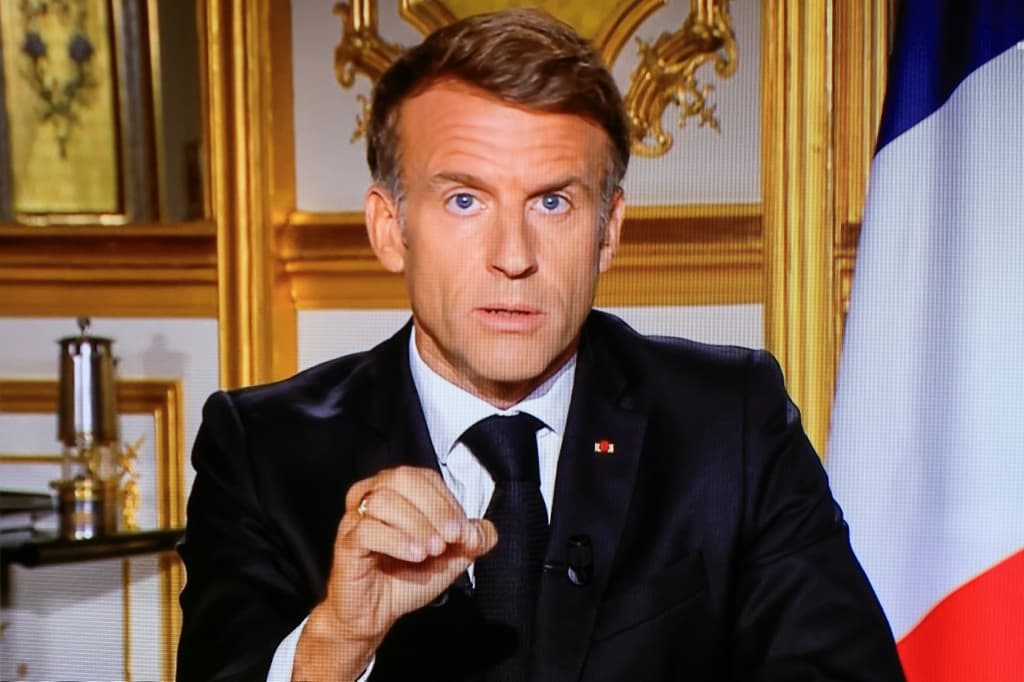
Interior Minister Laurent Nuñez offered his resignation on Sunday, saying the police had 'lost control' during the riots; Macron rejected it. Macron, who is on a tour of Persian Gulf countries where he secured additional diesel fuel supplies to lower prices, acknowledged shortcomings in handling the protests. Far-right presidential candidate Marine Le Pen called the riots a 'wake-up call' that exposed a 'deep crisis' of governance. US President Donald Trump used the events to bolster his anti-immigration rhetoric: 'This is immigration, and I said to President Emmanuel Macron: close your borders.' A number of analysts countered that immigration was not the driving force behind the French unrest.
Context in Europe
Other European countries have also faced demonstrations over rising prices: small clashes occurred over the weekend in Milan and Belgium. Italy was preparing to send 500 troops to Milan while the government considers broader measures against the riots.