The key facts
- Lecornu: state of emergency 'if needed', but a curfew remains preferable for now
- At least 3,000 businesses affected; a special support fund will be created
- Interior Minister Nuñez submitted his resignation, but Macron did not accept it
State of emergency 'if needed'
French Prime Minister Sébastien Lecornu said on Monday that he is ready to declare a state of emergency if necessary, but, according to him, curfews are better suited to the current situation. 'I am absolutely determined to restore order,' he said after a crisis meeting. In France, a state of emergency gives authorities temporary powers beyond ordinary police work: a curfew, restrictions on movement and a ban on public demonstrations.
Local curfews and business protection
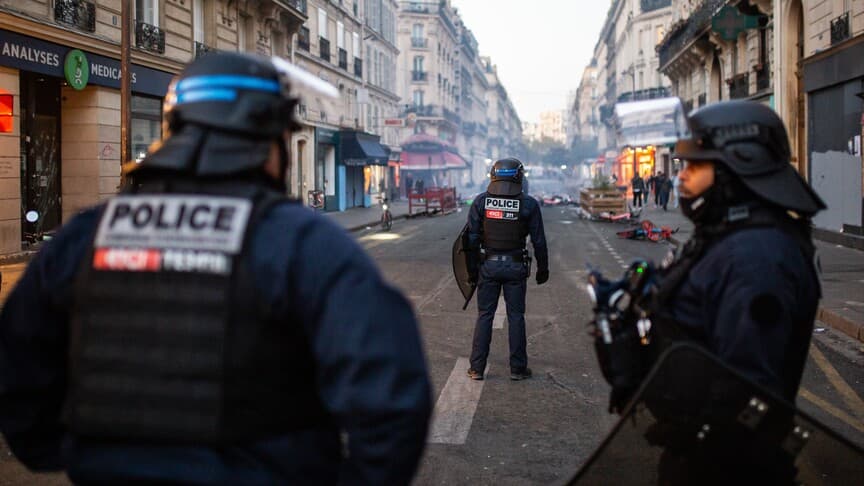
Lecornu instructed regional authorities to introduce 'localized' curfews from Monday evening, in particular to protect businesses. The map of curfew zones was to be published later that same day after consultations with mayors. According to Trade and Small Business Minister Serge Papin, at least 3,000 businesses have been affected by the riots; a 'special support fund' and other measures are provided for them. The Prime Minister stressed that the riots are 'heavily concentrated in urban centers' and that the 'impression of chaos everywhere' does not correspond to reality.
Interior minister's resignation not accepted
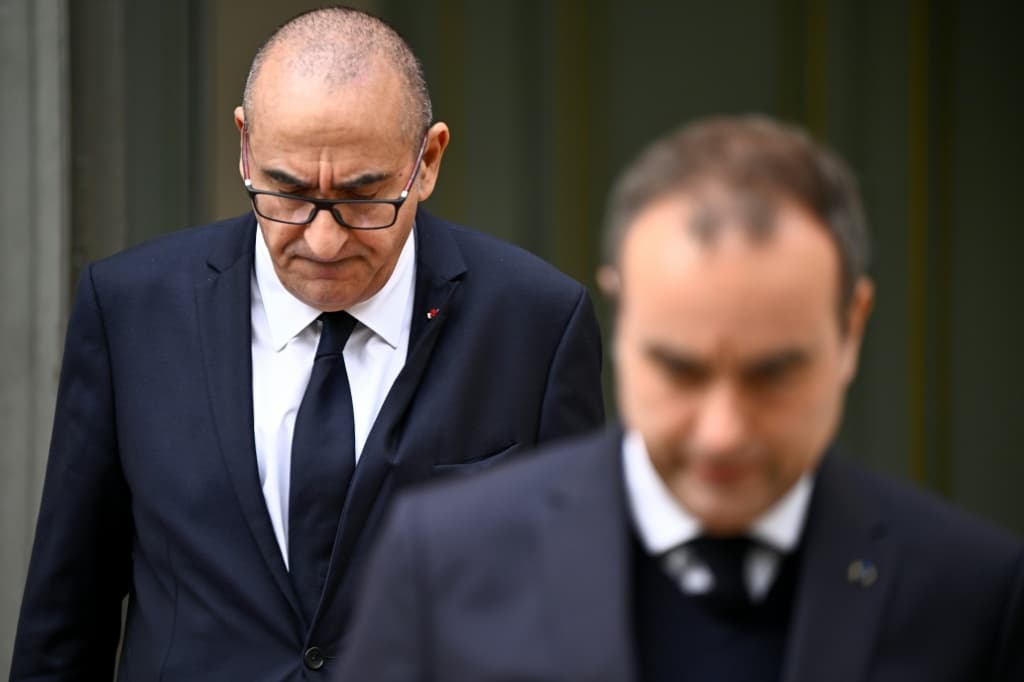
Interior Minister Laurent Nuñez earlier on Monday submitted his resignation, saying that the police 'lost control' in some cities over the weekend. President Emmanuel Macron did not accept the resignation. Speaking alongside Lecornu, Nuñez said that a number of measures to contain and prevent the actions of looters and vandals would be implemented 'starting this evening,' and the number of deployed police officers and gendarmes on the streets would be increased.
Accusations against the 'far left' and election context
Lecornu accused the 'far-left movement' of attempting to 'provoke deep unrest across the country' ahead of elections to be held in the spring, six months away, when a successor to President Emmanuel Macron will be elected. According to him, there is an 'entire network' that can be mobilized to 'call into question the schedule of the presidential election and its very holding.' The riots flared up after weeks of student demonstrations demanding improved conditions in schools; over the past weekend France experienced some of the fiercest street clashes in recent years.