The key facts
- Former MI5 head Jonathan Evans: far-right extremism is a 'real problem' for intelligence, partly due to hostile states' operations
- MI5 records a rise in cases with anti-immigrant and anti-Muslim motives; in May the threat level was raised to 'severe'
- Referrals to the Prevent programme rose 39% to a record 10,293 in the year to September 2025
Warning from the former MI5 chief
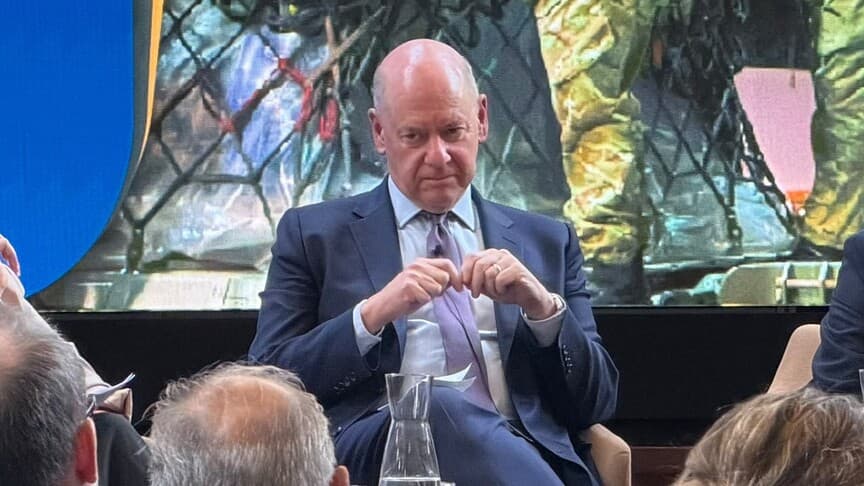
Former MI5 head Jonathan Evans told Anadolu that far-right extremism has become a 'real problem for British intelligence'. According to him, 20 years ago such a threat barely existed, but now there is a rise in organised violence and politically motivated attacks. He recalled the murder of MP Jo Cox in June 2016 by far-right extremist Thomas Mair, motivated by white supremacy and extreme nationalism; Mair was sentenced to life imprisonment with no possibility of parole.
Hostile states and domestic problems
Evans believes the rise in extremism is not primarily a consequence of Britain's foreign policy: a significant part is connected to domestic politics and 'the deliberate promotion of these views, including by some hostile states'. He suggested that an information operation is being conducted against the country, but stressed that the threat also reflects broader social and economic problems seen across Europe and partly in the US. Regarding dependence on American technology companies, Evans rejected the view that the companies themselves pose a direct threat to national security, noting, however, unresolved questions of information use and sovereignty.
Threat assessment from the current MI5 leadership
MI5 Director Sir Ken McCallum, in his annual threat assessment on 13 October, reported a rise in far-right terrorism, especially cases where 'extremist versions of anti-immigrant and anti-Muslim grievances turn into terrorist intent'. He described an investigation into a radicalised 13-year-old far-right extremist whose data helped an international partner prevent a deadly attack, as well as the case of a 16-year-old from Inverclyde (Scotland), sentenced in 2025 to 10 years for planning an attack on an Islamic community centre. In May, the Joint Terrorism Analysis Centre raised the threat level to 'severe' (an attack is highly likely) for the first time in almost five years; according to McCallum, the recent rise was largely driven by far-right terrorism.
Statistics and context
According to Home Office data published in August, referrals to the Prevent counter-extremism programme in the year to September 2025 rose 39% to a record 10,293, with referrals linked to far-right ideology up 42% to 2,103 (20% of the total). The warnings were preceded by the 2024 riots in England and Northern Ireland after a deadly knife attack in Southport, when crowds attacked mosques, asylum seekers and migrant-related facilities amid false claims about the attacker's identity and immigration status. An analysis in The Lancet described the riots as directed against asylum seekers, Muslims and immigration lawyers against the backdrop of a decade of xenophobic rhetoric. An investigation by Sky News and the company Prose in October 2024 found that 14 of the 20 most influential Telegram accounts in discussions after the Southport attack were based outside Britain; Prose managing director Al Baker said at the time that 'the people stoking violence… are mostly located outside the UK'. McCallum urged the public to be more critical of online information: 'Think about what you are prepared to believe, from whom and why.'