The key facts
- Norway is finalizing a bill banning social media for children under 16; submission to parliament is due by the end of the year.
- The restrictions will extend to potentially harmful online games and messengers; TikTok, Snapchat and Roblox are likely to fall under the law.
- Age verification will be the responsibility of tech companies, in compliance with European data protection rules.
The bill is almost ready
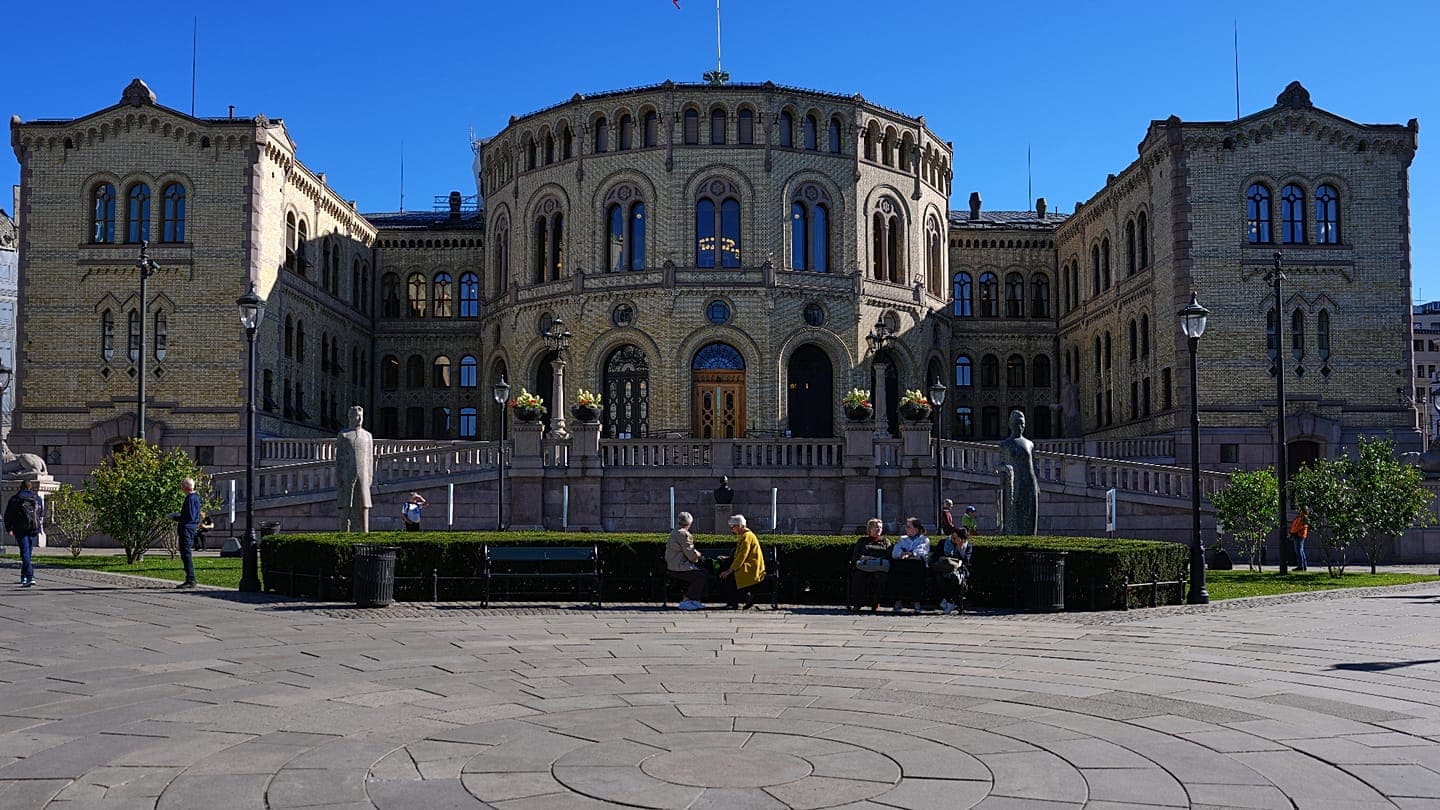
The Norwegian government announced on Monday, October 19, 2026, that it is completing work on a bill banning social media for children under 16. The document is planned to be submitted to parliament by the end of the year. According to the government, the restrictions will affect not only traditional social networks but also potentially harmful online games and messengers. Minister of Children and Family Affairs Lene Vogsliid stated: 'Children's safety must come first,' adding that work on the bill is nearly complete.
Which platforms the law will affect
TikTok, Snapchat and Roblox — a popular gaming platform where users create and run games while communicating with each other — are likely to fall under the future law. The aim of the restrictions is to protect children from harmful content, addictive features, illegal advertising and unwanted contact with strangers. It was initially assumed that online games and messengers would receive broad exemptions, but the government decided to assess platforms based on potential risks to children. This means that services deemed harmless — for example, messengers for school communication — may remain accessible.
Right to participate and age verification
According to Vogsliid, the authorities also seek to protect 'children's right to participate,' however Monday's statement does not clarify how exactly this will be ensured under the new restrictions. Responsibility for verifying users' age will fall on tech companies, and verification systems must comply with European data protection rules.
History of the bill
Norway's centre-left Labour government presented the draft law in 2025 with a minimum social media age of 15, but in April 2026 the threshold was raised to 16. Since then, the document has undergone public consultations in Norway and in countries of the European Economic Area (EEA).
Context: restrictions in Europe
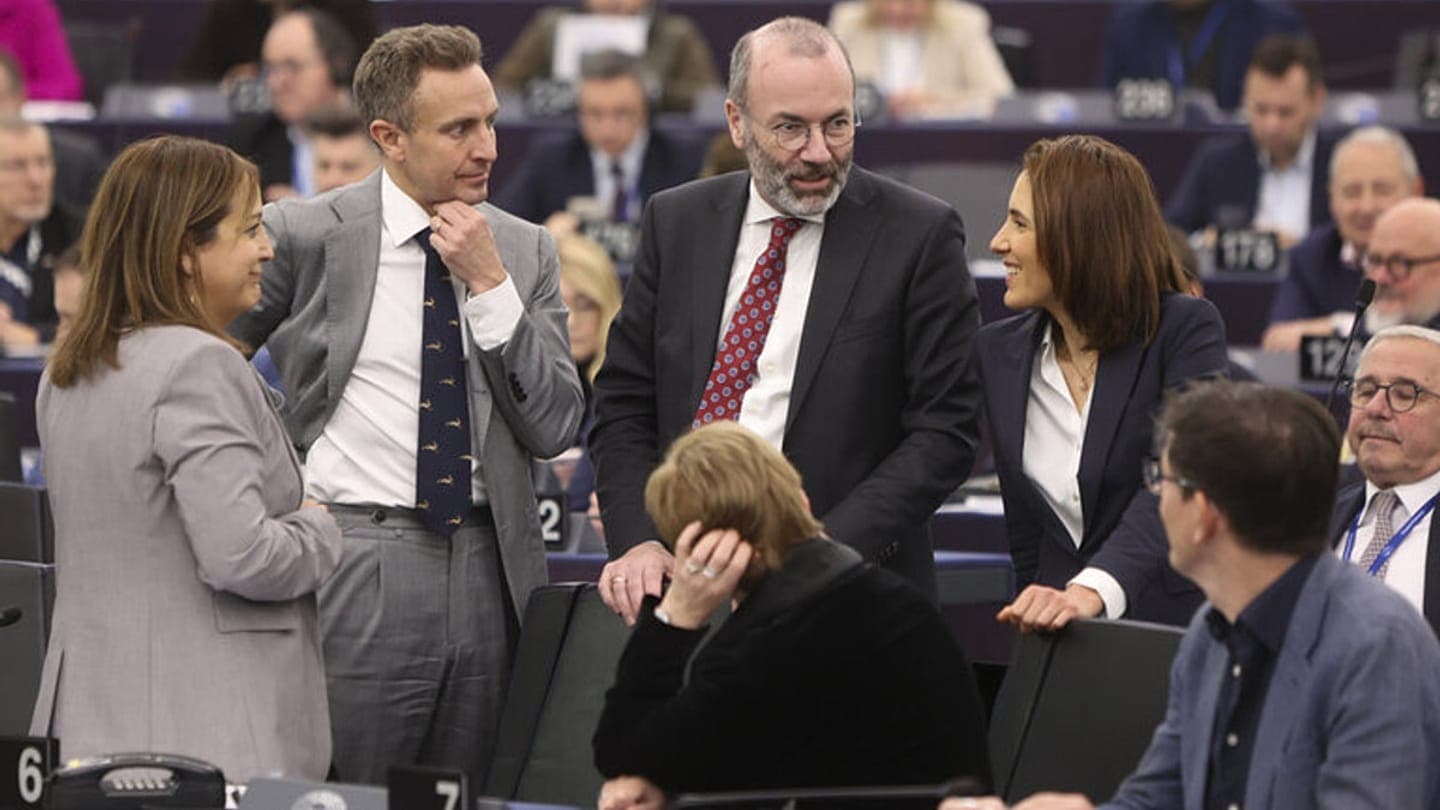
Norway is joining a growing number of European countries restricting children's access to social media amid concerns about online safety and addiction. Denmark has already introduced similar restrictions, and Spain is seeking a ban for schoolchildren under 16. In September, France attempted to ban social media for children under 15, but the Constitutional Council rejected the initiative over freedom of expression concerns. At the EU level, the European Commission in September presented the EU Kids Act initiative, providing for age restrictions for social media, online games and other digital services.