The key facts
- NHS Alliance: maternity organisation 'not fit for purpose', small units (1,500–2,000 births a year) may close
- Problems: staff shortages, rising caesarean rates, outdated buildings, worst outcomes in deprived communities and among Black and Asian women
- Example: in Barnstaple (Devon) routine births suspended since August, women sent 53 miles to Exeter
Call to reorganise services
NHS leaders in England have said the organisation of maternity care is 'not fit for purpose' and creates risks to patient safety. The NHS Alliance — an organisation representing healthcare managers — warned that unpopular decisions lie ahead and that maternity services must be consolidated for safer and more sustainable care. In its view, the government's neonatal and maternity taskforce must address the key problems: shortages of specialist medical staff and the rising number of caesarean sections.
Pressure on small units
According to the NHS Alliance, small units in rural and coastal areas face particular pressure; institutions handling 1,500–2,000 births a year may have to close. The organisation also noted that some small units cannot provide a safe round-the-clock staffing establishment — including midwives and consultants such as obstetricians and gynaecologists. The rise in caesarean sections is compounded by shortages of operating theatres and beds in outdated buildings, creating a safety risk. Matthew Hopkins, director of the NHS Alliance's acute and emergency care network, said: 'Difficult decisions lie ahead — consolidating maternity services for safer and more sustainable care.' He added that any local plans must involve NHS leaders, medical staff, women and communities, and that politicians 'must have the courage to stand up for patient safety.' 'It is time to step back and think about how best to organise maternity care across England and where these services should be located,' he said.
Government response
The Department of Health and Social Care said every woman deserves safe maternity care, and that the taskforce 'will deliver the reforms needed to ensure services meet the needs of women and families now and in the future.'
The Devon example
In August, the Royal Devon University Healthcare NHS Foundation Trust suspended routine births at Barnstaple hospital, meaning pregnant women have to travel 53 miles to Exeter. The trust called this 'the only safe option' due to staffing problems, adding that it had tried every option, including locum cover and support from other organisations. The suspension in North Devon remains in place; the trust said it would carry out a 'readiness assessment' in October, in which patient safety is named the priority. Campaigners call the delay 'frustrating'; one couple told the BBC that the prospect of a long journey for the birth of their second son caused them anxiety and anger. Catherine Mchomvu, head of the Devon Antenatal Family Centre, who is campaigning to keep the Barnstaple unit open, warned that cuts across the country would undermine the quality of care: if small units close, women will lose continuity of care and will not see the same team of doctors during the antenatal and postnatal periods.
Context of previous reviews
In June, the review by Baroness Valerie Amos found that women and babies were 'not listened to, not heard and not believed', and that racism and discrimination were 'embedded throughout the system'. Earlier, a BBC analysis showed that one in four deliveries in England is an emergency caesarean section, and February reports recorded racism and poor staff relations as factors in maternity failures, as well as inadequate staffing levels.
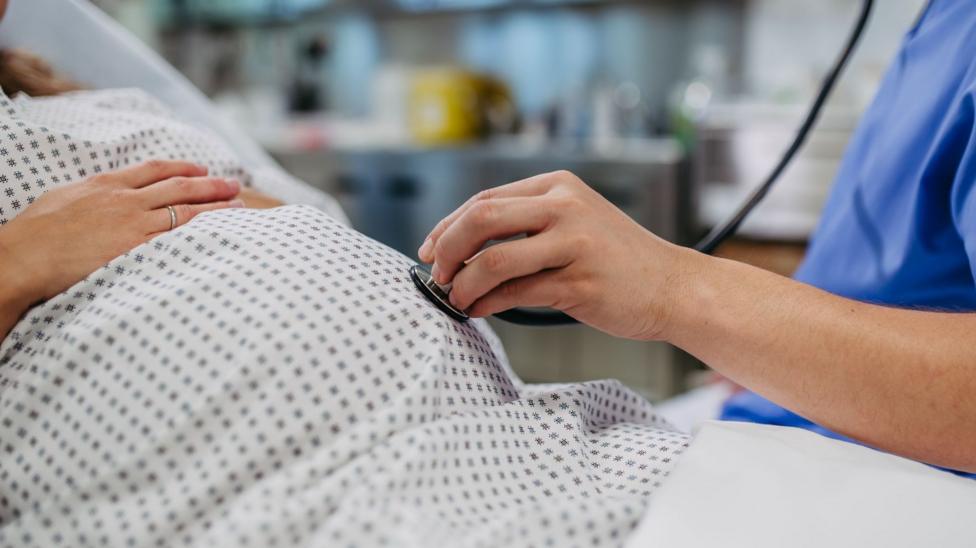 Image source, Getty Images