The key facts
- Five leaders of four lists agreed to stop mutual attacks and to create teams for turnout, media and government preparation, postponing the leadership question until after the election.
- Madad poll from October 14: Yashar Eisenkot — 20 mandates, Likud — 18, the four opposition lists together — 50 out of the 61 needed.
- External support from Arab lawmakers is possible, but Lieberman is against it and Eisenkot sets conditions; Netanyahu, in the researcher's view, is playing on the opposition's contradictions.
Pact against Netanyahu
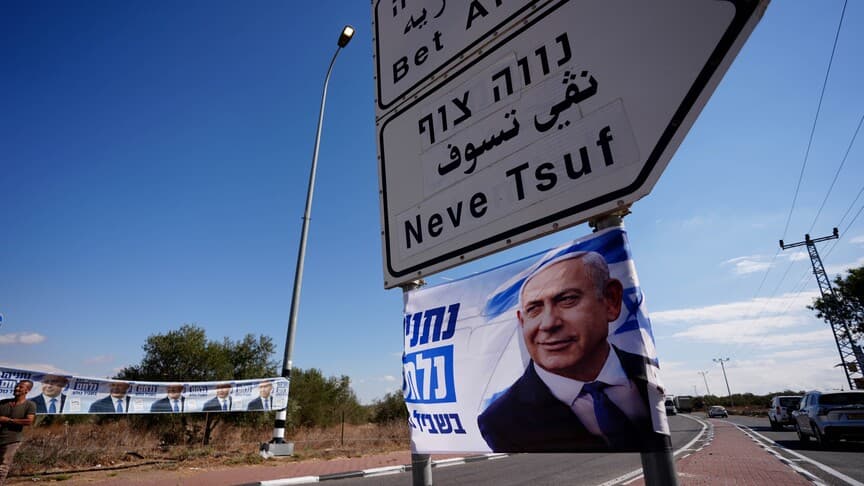
Leaders of the Israeli opposition agreed to coordinate their campaigns ahead of the October 27 parliamentary election in order to replace Prime Minister Benjamin Netanyahu. The agreement is meant to limit internal infighting and boost turnout, but it does not resolve the rivalry for leadership or the ideological differences that could hinder forming a government. At stake is either the continuation of the rule of a coalition described as the most right-wing in Israel's history, or the creation of a workable alternative.
Who is taking part and what was agreed
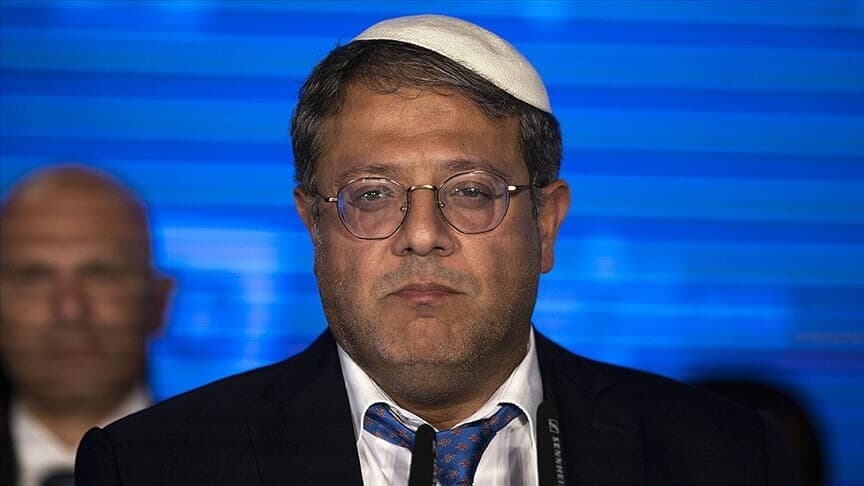
Five leaders represent four electoral lists. Former chief of staff Gadi Eisenkot heads the Yashar party with an emphasis on security and institutional reform. Former prime ministers Naftali Bennett and Yair Lapid are running together on the Beyachad list, combining Bennett's right-wing positions with Lapid's centrist Yesh Atid. Avigdor Lieberman (Yisrael Beiteinu) combines hardline security positions with a secular agenda, while Yair Golan leads the left-wing Democrats party, created by an alliance of Labor and Meretz. The parties pledged not to attack one another and created teams for turnout, media strategy and preparation for forming a government. They presented shared principles: expanding mandatory military service, a state inquiry into the failures of October 7, term limits for the prime minister, and a constitution. Palestinian researcher on Israeli affairs Mohammad Halase noted in an interview with Anadolu that the agreement does not reflect full political consensus: 'The opposition leaders have one single common denominator — the desire to remove Netanyahu from power, but they are divided by many differences.'
Can Eisenkot become prime minister
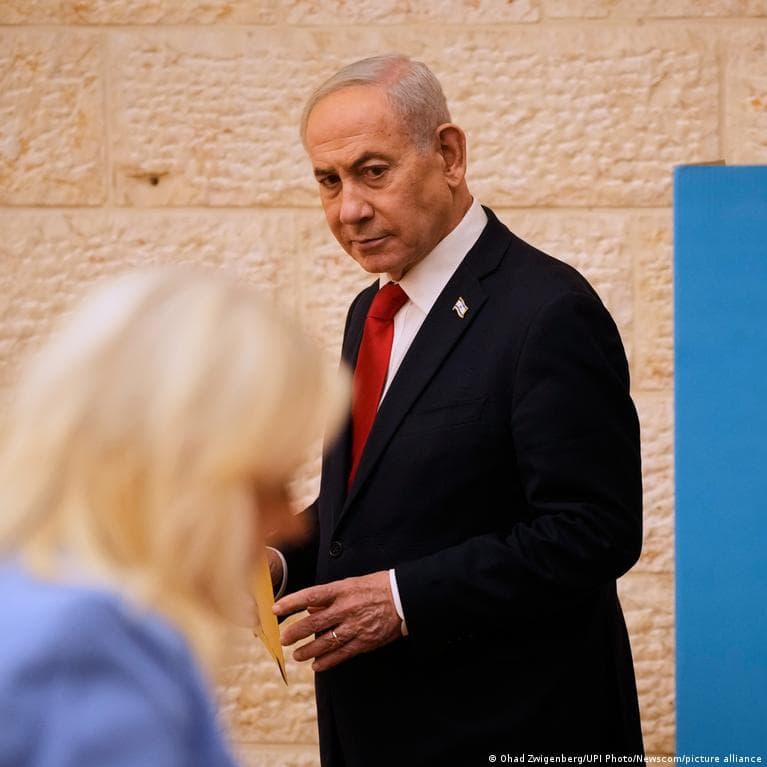
Eisenkot leads his rivals in the polls, but the agreement leaves the leadership question open — according to Halase, it was decided to postpone it until the election results. A Madad poll from October 14 projected 20 mandates for Yashar and 18 for Netanyahu's Likud, yet the four coordinating opposition lists together received only 50 seats — fewer than the 61 out of 120 needed in the Knesset. The parties of Netanyahu's outgoing coalition received 47 seats, and 51 with the right-wing Amcha Israel; the Arab lists received 15, and the reservists' list 4. Halase noted that the opposition bloc does not have a lead over the right-wing coalition bloc. Leadership of the opposition also does not guarantee the premiership: in 2021 Bennett's Yamina received only seven seats, but he became prime minister in a rotation with Lapid, who replaced him in 2022. Eisenkot must also hold together an ideologically diverse electorate — from left to right. 'That is exactly what Netanyahu is counting on: not only on the contradictions between the opposition leaders, but also on the contradictions within Eisenkot's party,' Halase said.
The role of potential partners
If the opposition fails to win a majority, Arab lawmakers could help it come to power by supporting or abstaining in a vote to approve the government, without joining the cabinet. Lieberman rejected governing with such external support. Eisenkot resisted the idea of Netanyahu remaining in power merely due to a lack of 61 mandates, but at the same time set conditions for the parties entering his government. He stated that Arab parties are not suitable as coalition partners because they would not accept his demands; the question of accepting their support from outside remains a separate matter. Halase believes it is easier for Netanyahu to use this uncertainty against Eisenkot than against Bennett — a former Netanyahu chief of staff with right-wing roots: 'It is hard for Netanyahu to confront someone who leads the opposition and is right-wing, just like him.'
The security question
Eisenkot recently demonstrated how opposition to Netanyahu combines with promises of continued military action: speaking near Gaza, he promised, according to The Jerusalem Post, to end Hamas rule within 18 months of taking office as prime minister — either as part of US President Donald Trump's plan or by military means. Likud doubted that Arab politicians Mansour Abbas and Ahmad Tibi would allow him to act; Eisenkot in turn accused Netanyahu and Likud of strengthening Hamas. Halase noted that the opposition wants to discuss the failures of October 7 and the reservists' call-up, but Netanyahu constantly shifts attention to external threats, presenting himself as the only one capable of completing the military objectives. 'His slogan today is