The key facts
- Likud published more than 1,800 posts with AI content — about a quarter of its social media materials (according to the Ze Be AI project)
- More than 14% of the 44,000 analyzed politician posts use AI in one form or another
- Bot networks promoting Netanyahu and Ben-Gvir's campaign were discovered; the latter denies any connection
A Deepfake That Sparked a Scandal
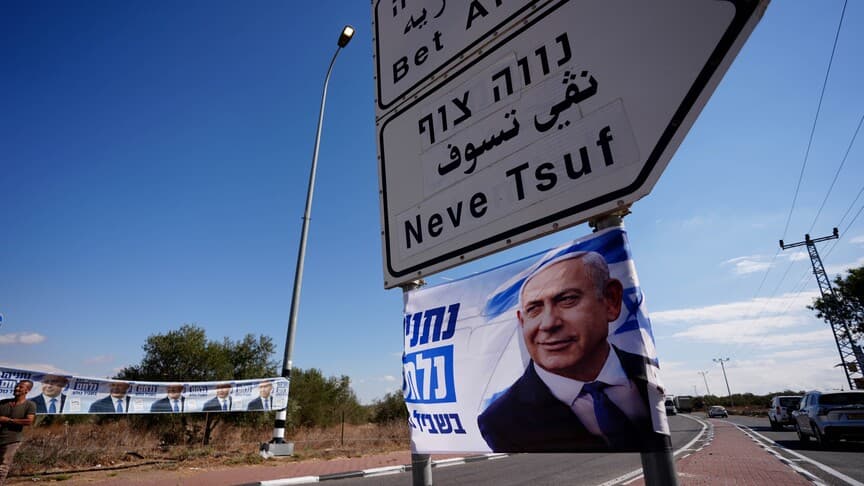
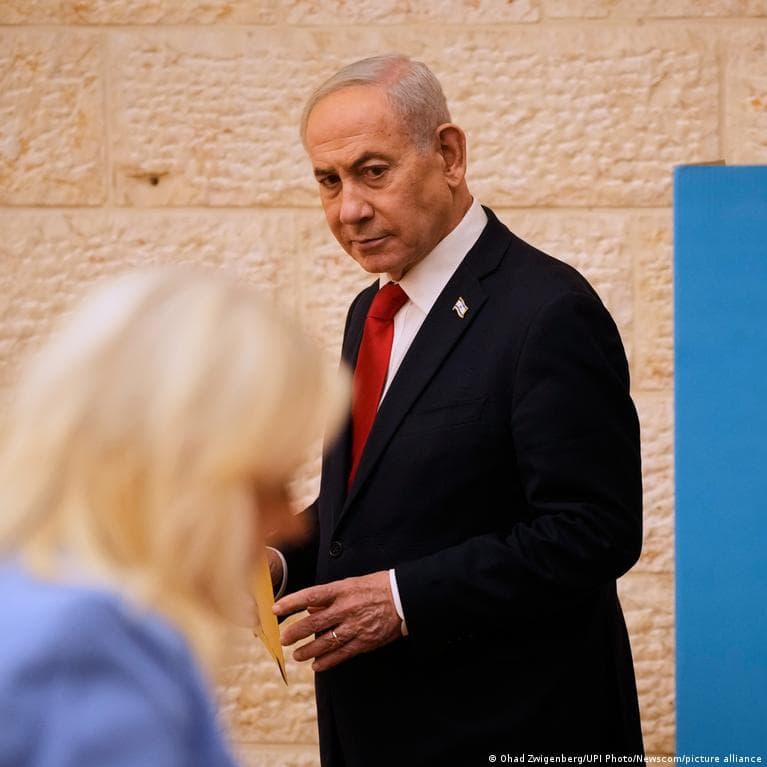
A 19-second AI video was posted on Prime Minister Benjamin Netanyahu's X account: prime ministerial candidate Gadi Eisenkot, a former army chief of staff, runs through a meadow past a man resembling his son wearing a T-shirt reading 'Israeli Unity', and embraces Mansour Abbas, leader of the Arab Raam party. The video garnered more than 1 million views and sparked outrage — Eisenkot's son was killed in 2023 in the war with Hamas. According to polls, Netanyahu and Eisenkot are running neck and neck. According to the Ze Be AI research project of the Open University of Israel, by mid-October Likud had published more than 1,800 posts with AI content — about a quarter of the party's materials analyzed.
The Scale of AI Use
Anat Ben-David's team has collected more than 44,000 posts on Facebook, Instagram, X and TikTok since late July; over 14% of the material used AI — most often in hybrid form, in images, music, subtitles, logos or full deepfakes. By absolute number of AI materials, Likud leads, followed by the left-wing Democrats and Eisenkot's Yashar party, but with far lower figures. The Central Elections Committee in July required AI content to be labeled, but there are almost no other restrictions: 'There is neither an AI Act nor a Digital Services Act, and the privacy law is outdated,' Ben-David noted.
Examples From Prominent Politicians
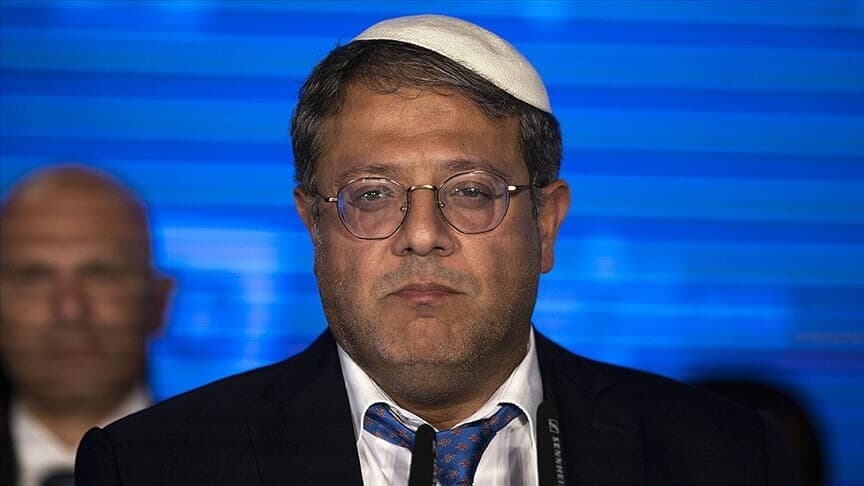
Democrats leader Yair Golan posted an AI video in which his clothes change with each rotation of a ceiling fan — from army uniform to a T-shirt with the slogan 'bring them home now' about the hostages in Gaza. Finance Minister Bezalel Smotrich in September posted a photorealistic AI video in which Attorney General Gali Baharav-Miara and Supreme Court justices are detained at a protest. National Security Minister Itamar Ben-Gvir published an AI clip with Palestinians on a conveyor belt heading toward something resembling a concentration camp; the German Foreign Ministry called the post 'completely unacceptable' and 'abhorrent'. In July, the head of the elections committee demanded Smotrich remove an unlabeled AI video deemed misleading.
A New Generation of Robocalls
Voters are receiving conversational AI robocalls. Nitzan Yisur, a disinformation researcher at the Israel Internet Association, shared a recording of a four-minute call: the voice introduced itself as 'Daniel', an employee of a polling institute, admitted that 'there is no live operator on the line', but five times refused to name who commissioned the poll — it remains unclear whether it was a campaign or a survey. 'You don't need real people making real calls, who are limited in time and capabilities,' said Tehilla Schwartz Altshuler of the Israel Democracy Institute.
Influence on Chatbots and Bot Networks
According to a survey by the Israel Internet Association, about a quarter of Israelis are willing to use AI tools to decide how to vote. This raises the question of generative engine optimization — creating content that influences AI chatbot responses. According to a filing under the Foreign Agents Registration Act, the Israeli government has already paid an American firm for websites that feed LLMs pro-Israel content so that chatbots would be more pro-Israel. Media monitoring company Scooper identified a network of inauthentic accounts promoting Netanyahu: more than 1,000 new accounts appear daily on X following the prime minister; about 70% of the accounts reposting his posts are located outside Israel and resemble bots. The watchdog FakeReporter discovered a bot campaign linked to Ben-Gvir's campaign (his office denies any connection) and a network of more than 100 accounts with AI-generated images and personas targeting Smotrich and others.
A 'Test Case' for the World
The October 27 election could either unseat Netanyahu or entrench his power. Political scientists already call it Israel's first 'AI election'. 'There is a scenario in which, at a strategic moment before the election, AI could be used in a way that affects the outcome,' Ben-David warned. Schwartz Altshuler considers Israel, where the population adopts new technologies early and eagerly, a test case for how AI is changing elections worldwide: 'The entire machine of political propaganda is becoming completely different.'