The key facts
- Araghchi: Iran supports collective security without foreign forces
- Talks with Lavrov covered the Caspian and Afghanistan
- Iran and Russia oppose US 'unilateralism'; the partnership treaty was signed in early 2025
Statement at the press conference in Tehran
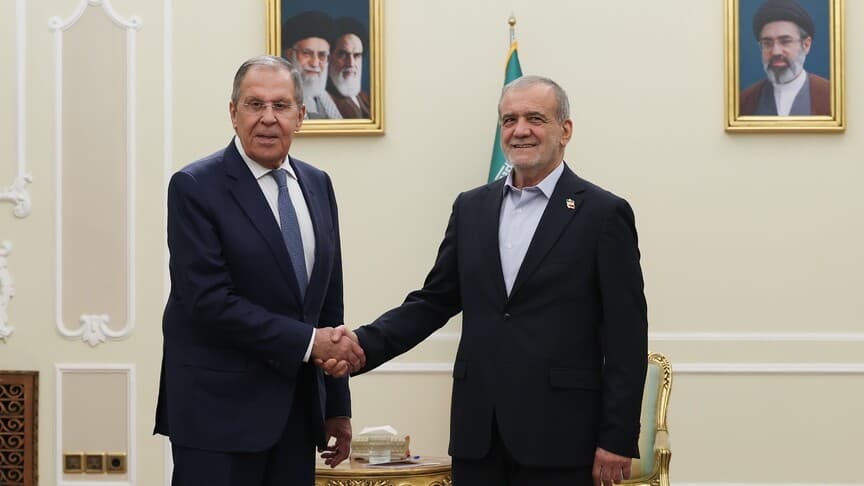
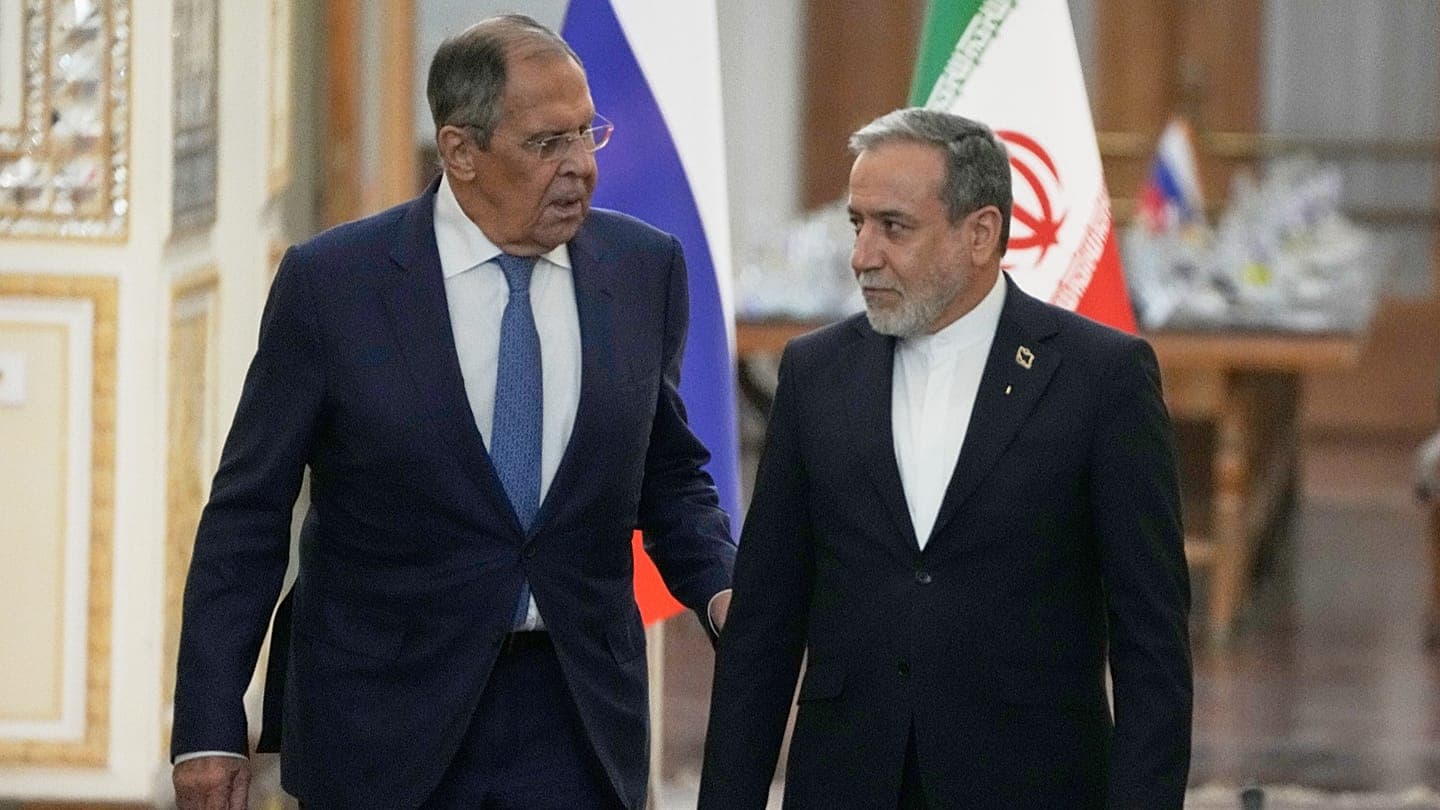
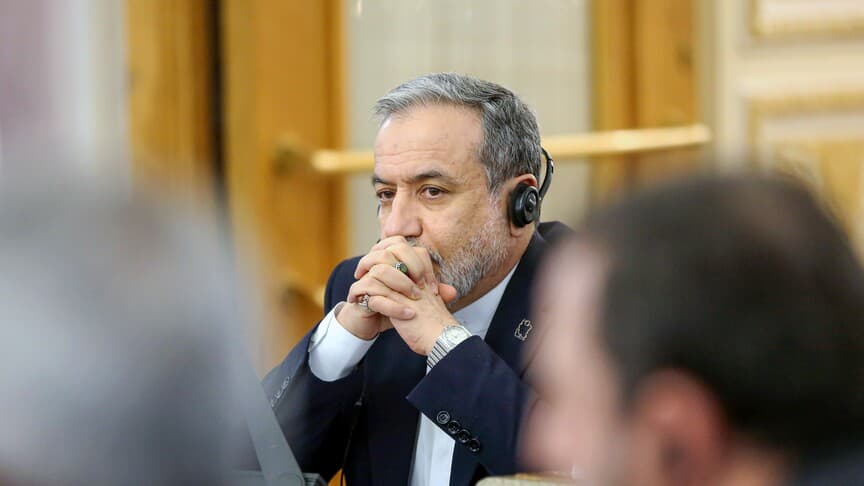
Iran welcomes regional security initiatives that do not envisage the 'presence or interference of foreign forces,' Iranian Foreign Minister Abbas Araghchi said on Monday. According to the state agency IRNA, he was speaking at a joint press conference with Russian Foreign Minister Sergey Lavrov in Tehran. According to Araghchi, Iran supports any initiative that leads to security based on regional capabilities and agreements on collective security among the countries of the region, and considers this a step in the right direction.
Criticism of the presence of foreign forces
Araghchi said that the recent war showed the countries of the region that the presence of foreign forces and American military bases on their territory 'not only failed to help ensure their security, but also became an obstacle to it.' He stressed that Tehran is ready to consult and cooperate with regional countries to create a comprehensive security mechanism based on their participation and designed by themselves in their own interests.
Topics of the talks with Lavrov
Araghchi said that the talks with Lavrov on Monday also concerned the situation in the Caspian region, and noted that Tehran and Moscow 'share a common position on the situation in Afghanistan.' According to him, Iran and Russia 'fundamentally oppose the aggressive unilateralism of the United States' and will work together through international institutions and platforms to strengthen multilateralism.
Context of Iranian-Russian relations
In recent years, against the backdrop of Western sanctions against both countries, Tehran and Moscow have strengthened political, economic and military cooperation. In early 2025, Iranian President Pezeshkian and Russian President Vladimir Putin signed the Treaty on Comprehensive Strategic Partnership in Moscow for a period of 20 years, covering cooperation in defense, security, energy, trade and transport. The agreement also provides for closer coordination on regional and international issues, but does not establish mutual defense obligations.