The key facts
- The EPP, S&D and Renew Europe will re-elect their leaders on October 20 in Strasbourg: Weber, García Pérez and Hayer stand without rivals
- In the EPP, the main contest is expected over the 10 vice-president posts, for which 12 candidates are running
- After the elections, the leaders will discuss the fate of the centrist alliance, weakened by the EPP's cooperation with the ECR and far-right groups on migration and climate
Re-election without intrigue
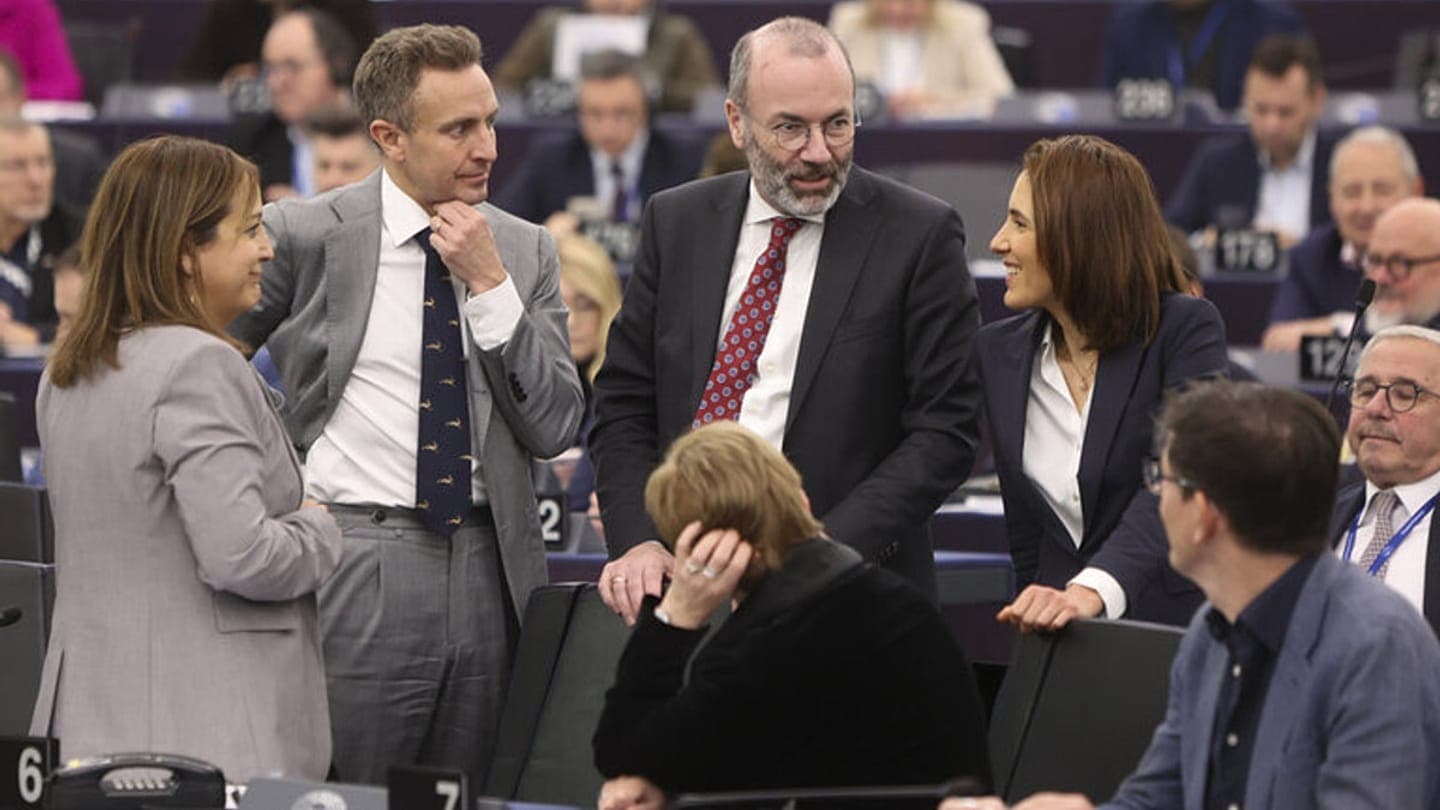
The three political groups that form the core of the European Parliament's centrist majority will hold internal leadership elections on Tuesday, October 20, in Strasbourg. According to Euronews, the outcome is practically predetermined: no serious competition is expected in any of the groups.
EPP: Weber without rivals
The European People's Party (EPP) is expected to re-elect the German Manfred Weber, who has led the group since 2014. No one has stood against him. 'He holds the group with an iron grip. No one would even think of trying to oust him,' a senior MEP told Euronews. The main contest will be for the vice-president posts: 12 candidates are vying for 10 seats. All incumbent vice-presidents standing for re-election must keep their positions, and Portuguese MEP Lídia Pereira, who is leaving the post, will likely be replaced by the Hungarian Esthér Lakos.
Socialists and liberals
Among the Socialists and Democrats (S&D), Spanish MEP Iratxe García Pérez is being re-elected without rivals, which will extend her tenure and make her the longest-serving leader in the group's history. The liberal group Renew Europe will also be led by a single candidate — the Frenchwoman Valérie Hayer from Emmanuel Macron's political camp. According to a source in the group, she is expected to be elected by acclamation with overwhelming support. In theory, a contender could still emerge before the vote, which would lead to a secret ballot.
The fate of the centrist alliance
After their re-election, Weber, García Pérez and Hayer are expected to discuss the future of the centrist alliance supporting European Commission President Ursula von der Leyen until the end of the parliamentary term. The informal coalition agreement has repeatedly come under strain over the past year: the EPP has increasingly relied on a right-wing majority, joining forces with the European Conservatives and Reformists (ECR) and far-right groups on key migration and climate issues.