The key facts
- The European Commission is considering activating the blocking statute to protect the ICC from US sanctions; no decision has been made yet.
- The sanctions were announced by Secretary of State Marco Rubio, who threatened to 'finish off the ICC'.
- Practical measures are being worked out with the participation of the court's states parties, with the Netherlands playing a leading role.
EU works out response to US sanctions against the ICC
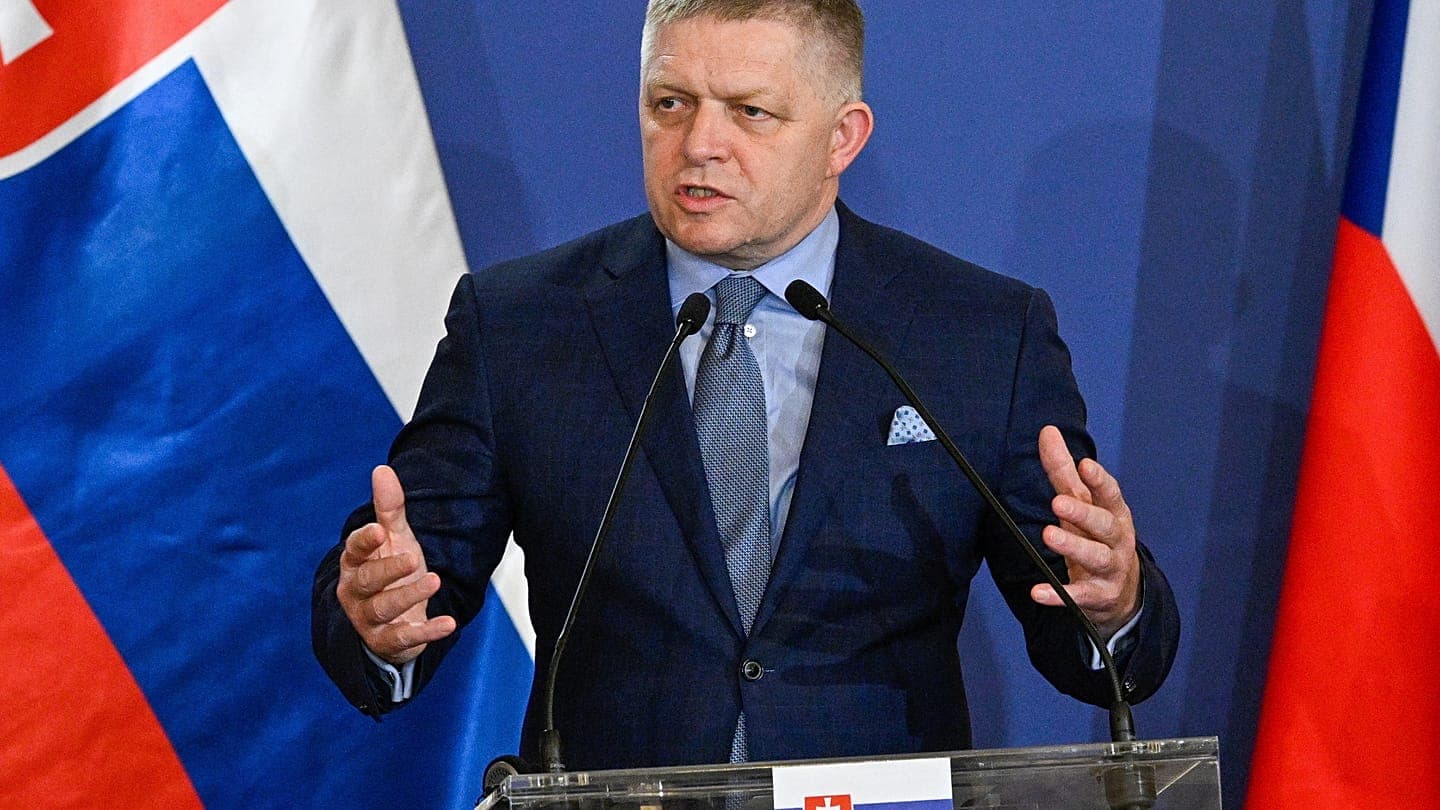
The European Commission is considering measures, including activating the blocking statute, to protect the International Criminal Court from US sanctions. This was announced on Monday at a briefing in Brussels by Commission spokesperson Siobhán McCarry. According to her, after Washington announced sanctions against the court, the EU held consultations with member states on the possible activation of the statute.
No decision yet
McCarry stressed that preparatory work to assess possible measures is underway, but a decision on whether to activate the statute, and when, has not yet been made. 'The blocking statute remains on the table,' she said, adding that the EU has no set date for activation and the Commission does not want to prejudge the outcome: 'We are obviously still hoping that we can find a more optimal outcome that allows the court to continue its vital work.' The blocking statute is designed to protect EU companies and citizens from the obligation to comply with certain foreign sanctions.
Consultations with states parties
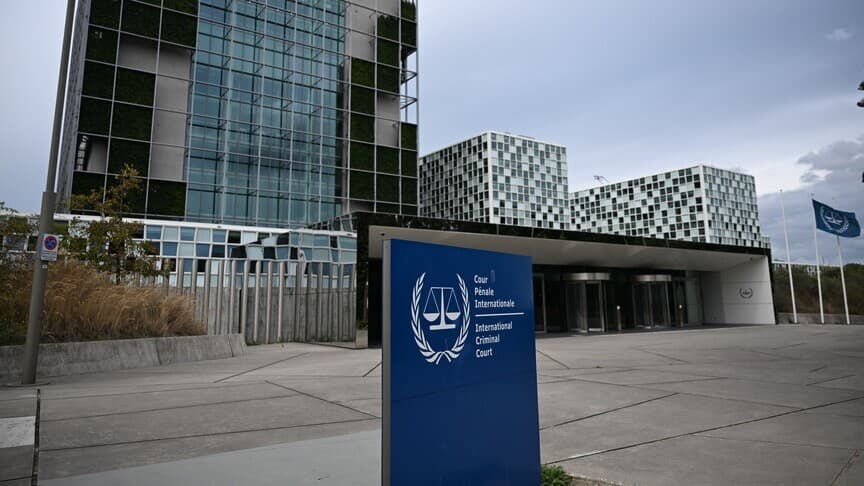
The Commission is also consulting with a number of the court's states parties on practical measures to protect its work in case the sanctions take effect. The spokesperson did not disclose specific measures, but noted that the Netherlands 'are very actively leading this work.' The European Commission's statements followed the announcement of sanctions by US Secretary of State Marco Rubio, who threatened to 'finish off the ICC' if it does not stop what he called 'threats.' The ICC, headquartered in The Hague, is an independent international tribunal handling cases of genocide, crimes against humanity, war crimes and the crime of aggression.