The key facts
- Protests over the cost of life took place in France, Belgium, Portugal and Italy; in France, according to Euronews, 550,000–800,000 people took part.
- In France, arson and ransacking of buildings were recorded in Limoges, Lyon, Marseille, Lille, Angers and Bordeaux; in Italy, clashes in Milan, Turin and Bologna led to injuries and dozens of arrests in Milan.
- According to Eurostat data analysed by Euronews Business, food and non-alcoholic beverage prices in the EU rose by 34% from August 2021 to August 2026.
Mass actions in several countries
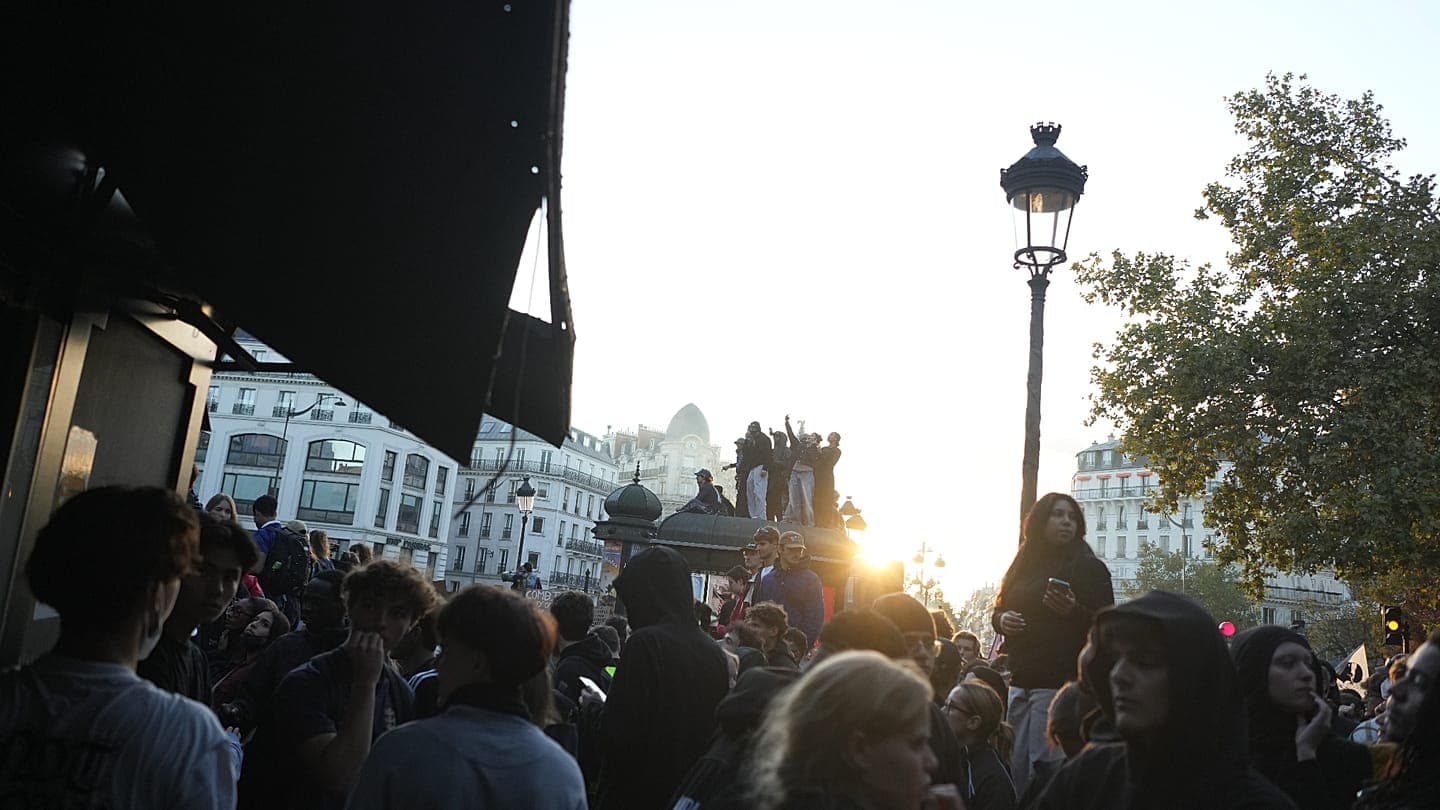
Over the past weekend, thousands of people took to the streets across Europe, protesting against the rising cost of living, unaffordable housing, low wages and overstretched public services. The demands differed from country to country, but, as Euronews notes, the actions reflect growing frustration over pressure on household budgets. The outlet stresses that the protests do not constitute a single pan-European movement.
France: hundreds of thousands of participants and outbreaks of violence
In France, hundreds of thousands of people took part in the demonstrations, including students and other groups speaking out against rising living costs and problems in public services. According to Euronews, between 550,000 and 800,000 people joined the actions across the country. Most of the marches proceeded peacefully, but in a number of cities there were lootings, arson attacks and clashes with police; businesses and government buildings were damaged. The Limoges city hall and the tourist office on Place Bellecour in Lyon were set on fire. Vandals broke into municipal buildings in Marseille, Lille and Angers, and in Bordeaux the prefect's residence was ransacked. The mayor of Limoges, Guillaume Guérin, stated: 'The right to protest exists, and anger must be heard. But no grievances or resentments can justify the destruction of public property,' calling the violence 'unacceptable'.
Belgium, Portugal and Italy
In Belgium, police clashed with demonstrators in Brussels and Liège during actions against the rising cost of living. In recent weeks, high school students have protested against rising education costs, joining students in France who are speaking out against conditions in schools and teacher shortages. Belgian Interior Minister Bernard Quintin said on Saturday that what was happening was 'no longer simply a protest,' calling it 'pure and simple violence'. In Portugal, trade unions and housing rights organisations demanded wage increases, more decent pensions, better public services and measures to make housing affordable, pointing to rising rents, mortgage costs and everyday expenses. In Italy, demonstrations took place against the economic situation and rising prices; clashes in Milan, Turin and Bologna led to people being injured, and in Milan alone dozens of people were detained.
Economic context
According to Eurostat data analysed by Euronews Business, from August 2021 to August 2026 food and non-alcoholic beverage prices in the EU rose by 34%. The volume of groceries that can be bought with the gross monthly minimum wage fell by 6% in Malta, 5% in Spain and 4% in France, while in most of the countries studied it increased. The outlet notes that this comparison does not take into account taxes, rent and other household expenses and does not reflect the full severity of the rising cost of living. Even as inflation slows, price levels remain higher than before, and the housing problem is particularly acute for renters and young people in cities. Anxiety over education and other public services has added to discontent in a number of countries.