The key facts
- 18.7% of land and 10% of the ocean are protected against the 30% target for 2030; the high seas account for only 1.7% protection
- 83% of Convention parties (162) have set national targets, but fewer than half consider themselves on track to achieve them
- COP17 in Yerevan (October 19–30) is the first global review of the Kunming-Montreal Global Biodiversity Framework
The world is failing the 30x30 commitment
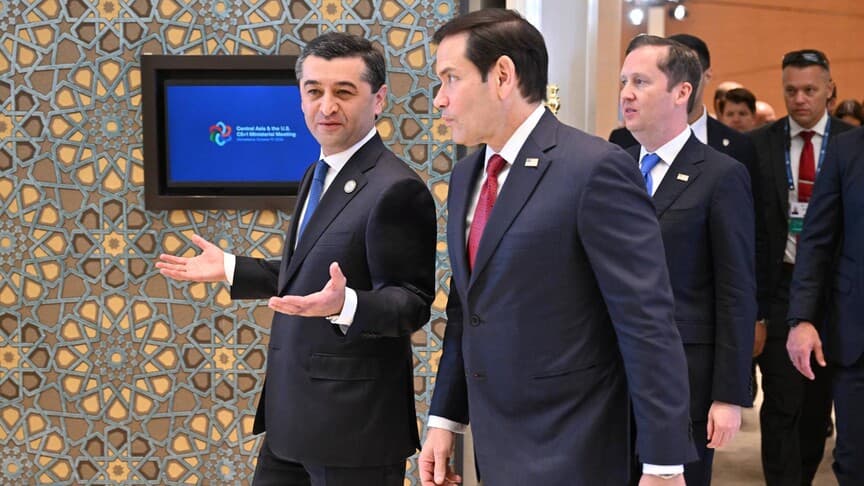
Countries are falling behind on the pledge to protect 30% of the planet's land and oceans by 2030: according to October data from the Protected Planet database, supported by UNEP-WCMC and IUCN, there are more than 514,000 protected areas worldwide covering 18.7% of land and 10% of oceans. The review is published by Anadolu on the occasion of the opening of the UN biodiversity conference COP17 in Yerevan, taking place from October 19 to 30 under the motto 'Actions for Nature.' It is the first global review of the Kunming-Montreal Global Biodiversity Framework, adopted at COP15 in Montreal in 2022 with the aim of halting and reversing biodiversity loss by 2030.
Target 3 — more than numbers
The 30x30 goal, officially known as Target 3, is the best-known of the framework's 23 targets. It requires not merely designating areas as protected, but their effective conservation and management through ecologically representative, well-connected and equitably governed systems. Other targets include restoring degraded ecosystems and cutting harmful subsidies by at least $500 billion a year. Ecosystems — forests, wetlands, oceans and soils — store large amounts of carbon, so their destruction is directly linked to global warming.
Uneven progress across regions
According to a Campaign for Nature assessment published in September, existing government commitments would raise protection to roughly 27% of land but only 12% of the global ocean by 2030. Progress varies sharply by region: Latin America has protected 29% of land and 26% of ocean, Oceania 24% and 41% respectively. Seychelles leads in land protection with 68%, while Libya, Eritrea and Somalia have protected no territory at all.
UN report: commitments outpace action
The 'State of Biodiversity Action' report, published by the secretariat of the Convention on Biological Diversity on October 15, contains the first global assessment of progress. 162 parties (83%) have set national targets under the framework — compared with roughly half of parties under the previous Aichi targets in 2020. However, fewer than half of the reporting parties considered their national targets consistent with a trajectory toward achieving at least one global target, and negative indicator trends were more common than positive ones. 'We are still not on track to meet our collective goals,' said Inger Andersen, Executive Director of the UN Environment Programme. The contrast on Target 3 is telling: countries most often assess protected-area-related national targets as on track, but indicator data show that less collective progress has been made on Target 3 than on most other targets. Marine, coastal and inland water ecosystems consistently lag behind terrestrial ones.
The high seas — the biggest gap
The shortfall is most pronounced in international waters: 23.3% is protected in national waters, while the high seas, which make up 61% of the world's ocean, are only 1.7% protected. Existing marine reserves are not always permanent: governments can weaken, shrink or revoke protection. In 2018 Australia reduced protective measures in the Coral Sea marine park covering more than 740,000 sq. km, and the United States over the past two years opened all five marine national monuments to fishing.
Finance — a key theme in Yerevan
At the conference, countries are to review progress, address gaps in financing and discuss how to turn national commitments into action. Financing remains a major obstacle: according to the UN report, the 2025 benchmark — $20 billion a year in international biodiversity finance — is likely to be missed, although a final assessment is possible only once complete data are received. The negotiations will test whether the momentum of the framework can translate into broader and more effective protection of nature.