
The key facts
- Constable Shannon Parsons was dismissed without notice and barred from policing for gross misconduct.
- More than 2,000 unlawful accesses to records over about five years, many concerning incidents near her home.
- The panel took into account that the officer felt isolated after maternity leave, but found the access was made 'for personal benefit'.
Dismissal for gross misconduct
A West Midlands Police misconduct hearing ruled to dismiss Constable Shannon Parsons without notice and to bar her from future policing. As BBC News reports, the officer unlawfully accessed police records more than 2,000 times, and the panel found this amounted to gross misconduct.
Nature and duration of the searches
According to the panel, the searches were carried out over approximately five years, and many of them concerned incidents near Parsons' home address. Many records were sensitive and contained, in the panel's wording, 'intimate information', including about some of the most serious crimes. The officer herself claimed her searches had a policing purpose: she wanted to 'stay in the loop' and could often assist colleagues with operational matters.
Panel's findings
Panel chair Debra Tedds concluded that the searches were carried out 'for personal benefit' of the officer. 'I do not consider the officer's behaviour to be targeted, however I do consider it to be deliberate and intentional, and, by her own admission, it became a habit between shifts,' she said. Tedds stressed that accessing confidential police information without a legitimate policing purpose is an abuse of an officer's position and undermines public trust in the profession.
Mitigating factors and lack of remorse
The panel acknowledged that Parsons felt 'isolated and detached' from the service while working part-time and having returned from maternity leave, and also took into account her difficult personal and medical circumstances. At the same time, the panel's report noted that the officer, who had 13 years of unblemished service with West Midlands, did not demonstrate understanding or remorse regarding the potential harm of accessing such a volume of information over a significant period.
No data passed to third parties
Tedds added that there is no evidence that any of the viewed information was passed to third parties. Nevertheless, the panel found the allegations proven and determined that Parsons did not handle sensitive police information appropriately.
 Image source, Getty Images
Many of the records accessed were sensitive and held "intimate information" the panel said
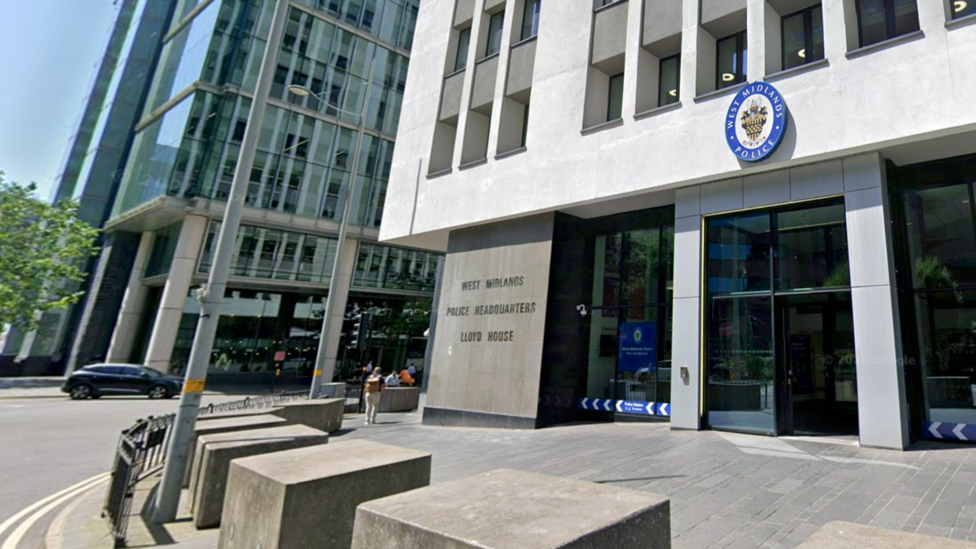 Image source, Google
The panel said accessing confidential police information without a legitimate policing purpose was an abuse of an officer's position