The key facts
- Rivian is pursuing vertical integration: an AI assistant, autonomous driving with Uber, a 5nm processor with Arm and TSMC, and a $5.8 billion JV with VW
- Doug Field (ex-Ford, Apple, Tesla) became president of Mind Robotics, which is 31% owned by Rivian
- Waymo received approval for a pilot in Toronto and removed waitlists in San Antonio, San Diego, and Tampa
Rivian's strategy: from EV maker to technology supplier
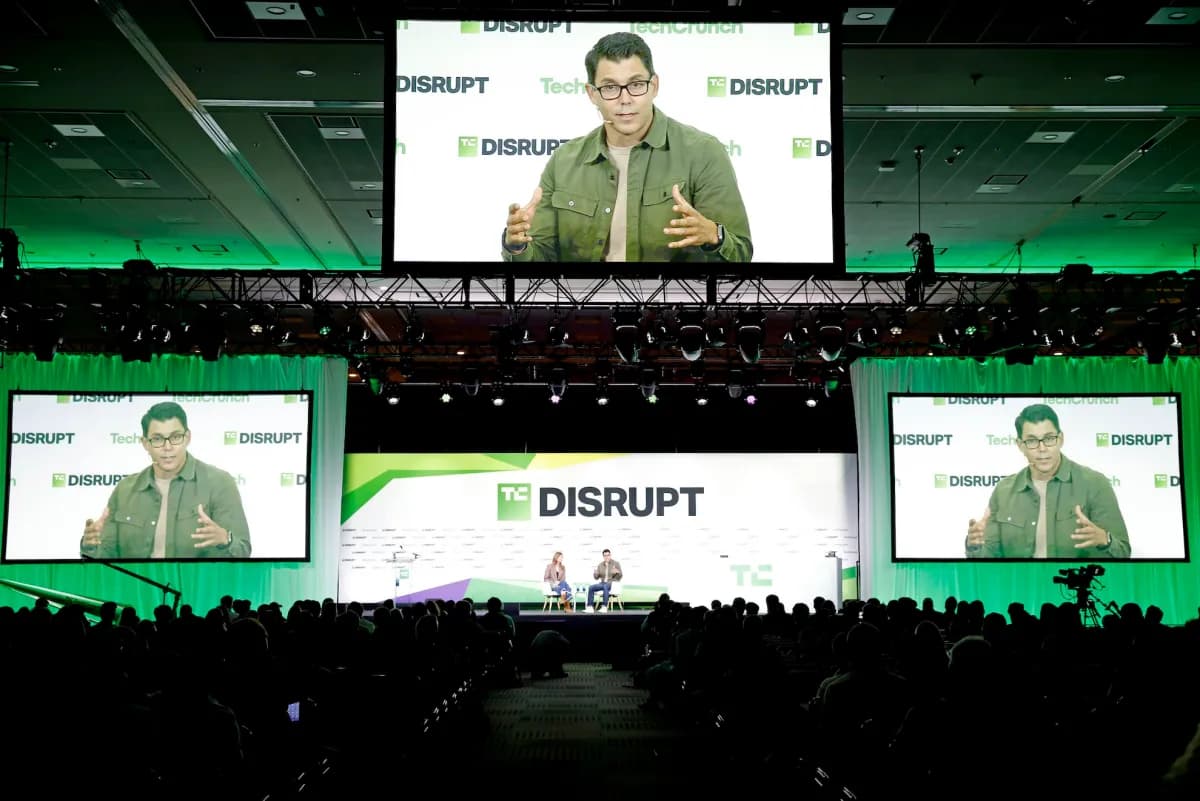
In an interview at TechCrunch Disrupt, Rivian founder and CEO RJ Scaringe outlined ambitions that extend far beyond electric vehicle manufacturing. Over the past few years, the company has become significantly more vertically integrated: it has developed its own AI models for an in-cabin assistant, is building an end-to-end autonomous driving stack for passenger cars and future robotaxis in partnership with Uber, and is creating a custom 5nm processor together with Arm and TSMC. A separate direction is a joint technology venture with VW Group worth $5.8 billion, focused on electrical architecture and software.
Subsidiary projects and licensing
Scaringe also launched a micromobility skunkworks project that spun out into the startup Also, and founded the industrial robotics company Mind Robotics, 31% of which is owned by Rivian, with the automaker itself as a potential customer. On stage, Scaringe announced that Doug Field — a former top executive at Ford, Apple, and Tesla — has been hired as president of Mind Robotics. He said he intends to expand the VW joint venture into AI and autonomy and to license Rivian's technologies to 'a bunch of different brands.' In the columnist's view, by the end of the decade Rivian will look like a 'technology supplier': licensing architecture, software, AI models, and the autonomy stack, industrial robots for its own and other companies' factories, and a successful robotaxi launch with Uber could open the door to new deals.
Scaringe quote
'Where it gets really interesting is when you think beyond R2 and R3 and start to imagine form factors for a personally owned autonomous vehicle. That opens up a ton of design opportunities and could create a fundamentally different experience,' Scaringe said in an interview with TechCrunch, adding that he is 'wildly excited' about what transportation will look like over the next 10 years.
Deals of the week
Bedrock Robotics, which develops autonomous technology for construction equipment, is raising $600 million, according to Axios (citing sources). Dot Ai closed a deal to acquire EV carsharing company Envoy Technologies for $65 million in an all-stock transaction — per regulatory filings. Evos, which builds AI agents to automate the work of industrial companies, including freight brokerage firms, raised $9 million in a pre-seed round co-led by Uncork Capital and Field Ventures. Colorado-based Mana Battery, developing anode-free sodium batteries, raised $10.15 million led by Voyager Ventures. PlusAI (autonomous trucks) and Texas Ventures Acquisition III filed an S-4 form with the SEC, advancing the previously announced SPAC merger to go public. Volvo is expanding its nearly decade-long partnership with Nvidia for an automated driving system — financial terms were not disclosed; point-to-point 'hands-free' driving on highways and city streets is planned using three Nvidia products. Waabi signed a commercial partnership with carrier Warrior Logistics: its driverless trucks will haul freight between Dallas and Houston.
Other industry news
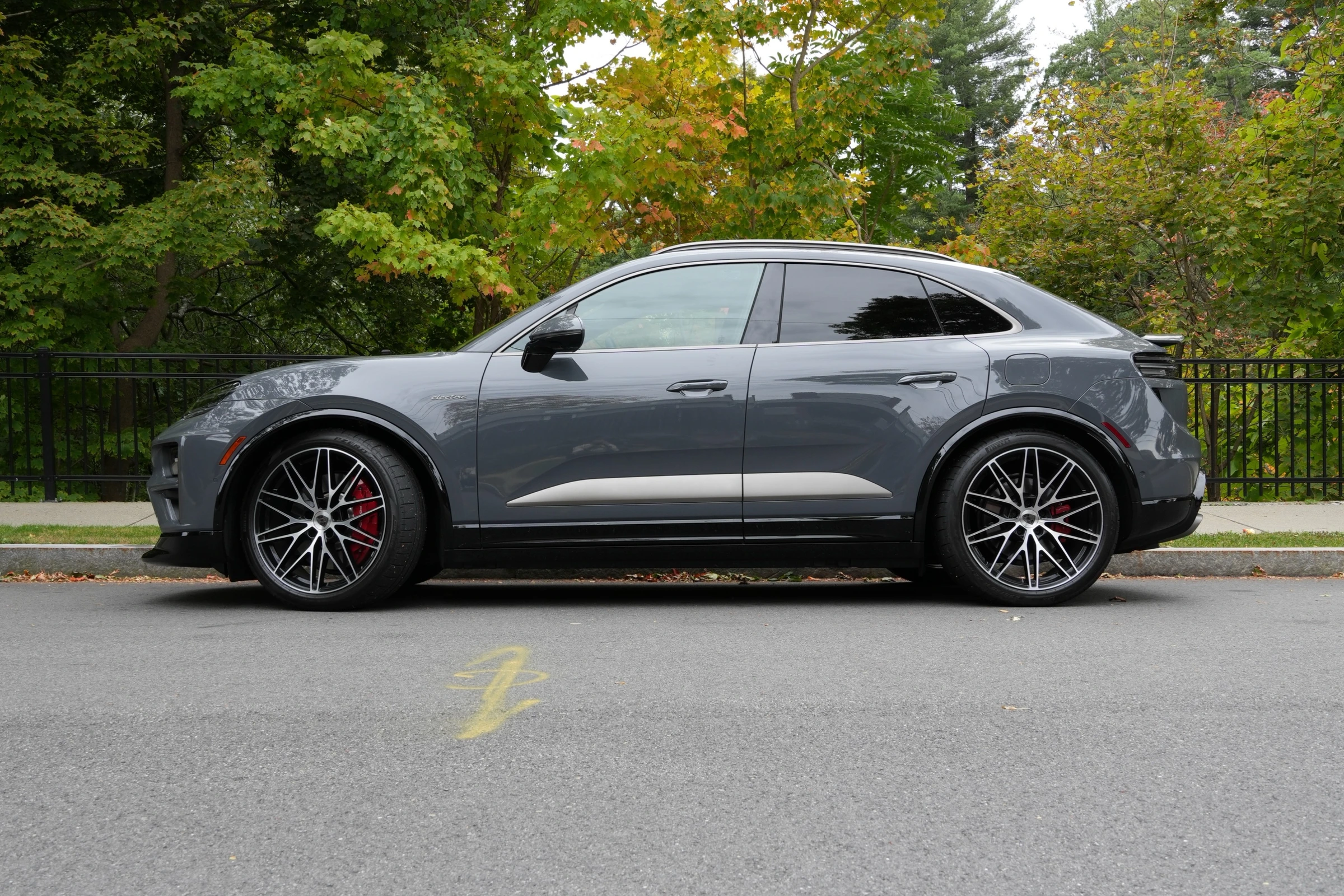
EV sales in the US are showing signs of a rebound. Laplace Intelligence, a Startup Battlefield 200 participant, is building automated red-teaming for stress-testing robots and driverless cars. MIT startup LNK Energies claims to have technology for converting existing heavy-duty trucks from diesel to hydrogen. Chinese cars took center stage at the Paris Auto Show. Tesla showed off the Roadster with SpaceX technologies in a theatrical 'kickflip' stunt: the car, using powerful fans and motors, drove up an inverted ramp, flipped, and landed. Elon Musk claims the car will hit the road by 2028; the columnist doubts such maneuvers would be legal on public roads. Waymo, after receiving approval to participate in a driverless vehicle pilot program, is expanding into Canada — in Toronto — and also opened its robotaxi service to everyone without waitlists in San Antonio, San Diego, and Tampa. In addition, reporter Tim De Chant tested the 2026 Porsche Macan Turbo EV; his week with the EV prompted reflection on what a sports car really is — the full review is published on TechCrunch.