The key facts
- The 'Giudizio Universale' lawsuit was filed in June 2021 by the group A Sud together with more than 200 associations and individuals; they demand that the state sharply cut emissions.
- In 2024, the Rome court declined to hear the case, saying it lacked jurisdiction; the plaintiffs' lawyer called such a ruling unique in Europe.
- The Rome Court of Appeal will rule later in October 2026; the plaintiffs cite the 2024 ECtHR ruling in the Swiss case and new scientific data.
The essence of the case and the plaintiffs' demands
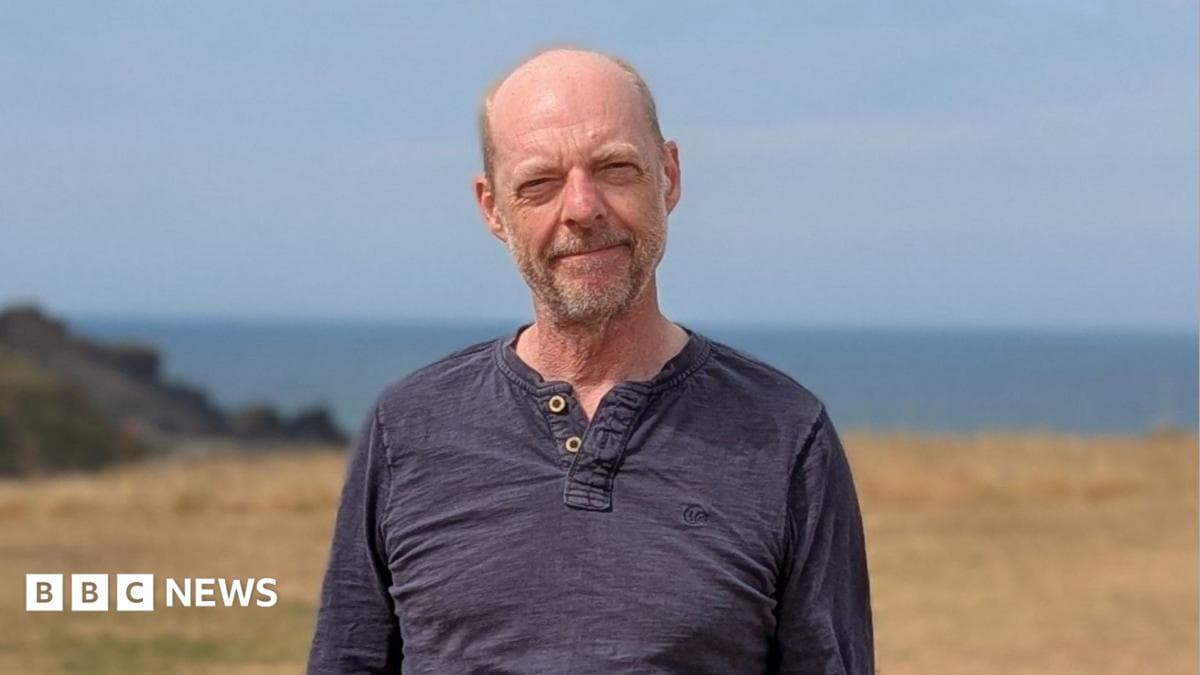
The lawsuit, known as 'Giudizio Universale' ('Last Judgment'), was filed in June 2021 by the environmental organization A Sud together with more than 200 associations and individuals. The plaintiffs accuse the state of violating fundamental rights through insufficient action to achieve the goals of the 2015 Paris Agreement. Initially, they asked the court to find the state responsible for its contribution to the climate crisis and to order it to cut emissions by 92% compared with 1990 levels by 2030. Among the plaintiffs is climatologist Luca Mercalli, who told AFP that he joined the proceedings to inform society about the risks of climate change, and moved to the mountains in northern Italy to escape the increasingly frequent heatwaves on the plains.
Refusal by the court of first instance
In 2024, the court in Rome accepted the state's argument that civil courts have no jurisdiction over government climate decisions. A Sud lawyer Luca Saltalamacchia called this ruling unique in Europe: according to him, courts either uphold lawsuits and order the state to act, or reject them on the merits, but never before had a judge in a European country declared that he could not hear a case.
Appeal and the plaintiffs' arguments
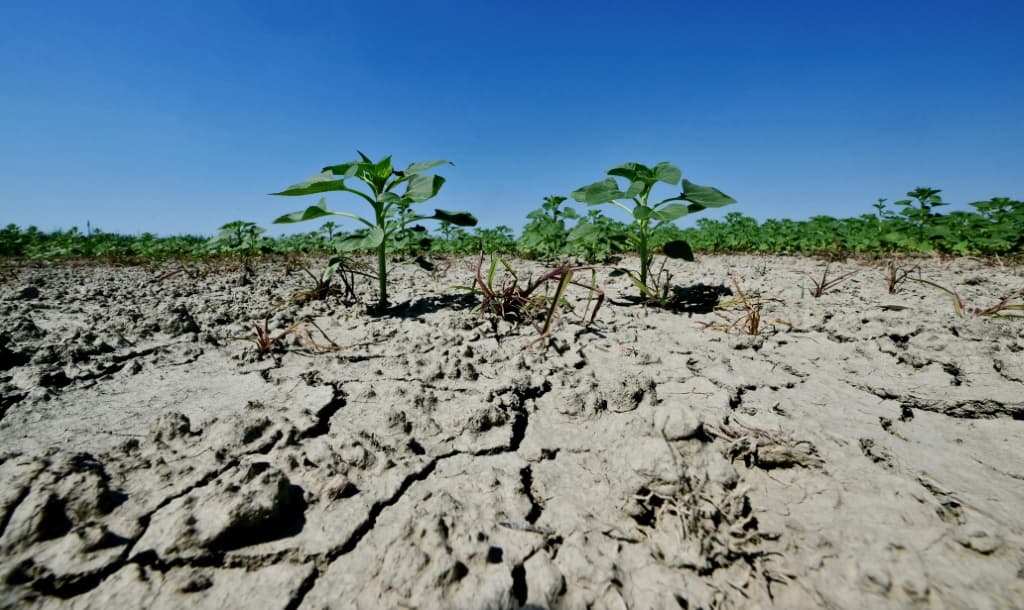
The plaintiffs filed an appeal, pointing to case law — in particular, the 2024 ruling by the European Court of Human Rights in the Swiss case, which supports the link between climate protection and human rights. They presented new scientific data, including information on a significant number of heat-related deaths in Italy, and forecasts of desertification and floods. Saltalamacchia said the plaintiffs hope not only for the case to be heard on its merits, but also for an order requiring the state to improve its climate policy: according to him, there are norms, including the Paris Agreement, that require concrete steps which, in the plaintiffs' view, have not been taken.
Context: climate policy and case law
Under the Paris Agreement, countries agreed to strive to limit warming to 1.5°C above pre-industrial levels, but, according to scientists, this threshold may be exceeded around 2030. Italy's 2022 constitutional reform added the state's duty to 'protect the environment, biodiversity and ecosystems, also in the interest of future generations'. According to the World Meteorological Organization, Europe is warming roughly twice as fast as the global average, and Italy increasingly suffers from extreme weather events. Jameela Joy Reyes, a climate law expert at the Grantham Research Institute at the London School of Economics, classified the case as a 'framework case' — a lawsuit against governments challenging the ambition or implementation of climate goals; there are about 160 such cases worldwide, with about 15 filed in the past year. According to her, at least 200 lawsuits against governments have reached higher courts since 2015, and more than half ended with outcomes in favour of climate action. A Sud also cites the Greenpeace proceedings against the energy company Eni, in which Italy's highest court last year rejected the argument that judges lack the authority to hear climate lawsuits.