The key facts
- On August 26, a mountain collapse near the border with China triggered catastrophic floods: more than 1,400 dead, over 5,000 missing
- Scientists linked the disaster to climate change; the recovery estimate is $4.78 billion
- The UN requested $49.6 million for emergency aid; Nepal's prime minister called the flood 'a warning to the world'
The August disaster and the UN appeal
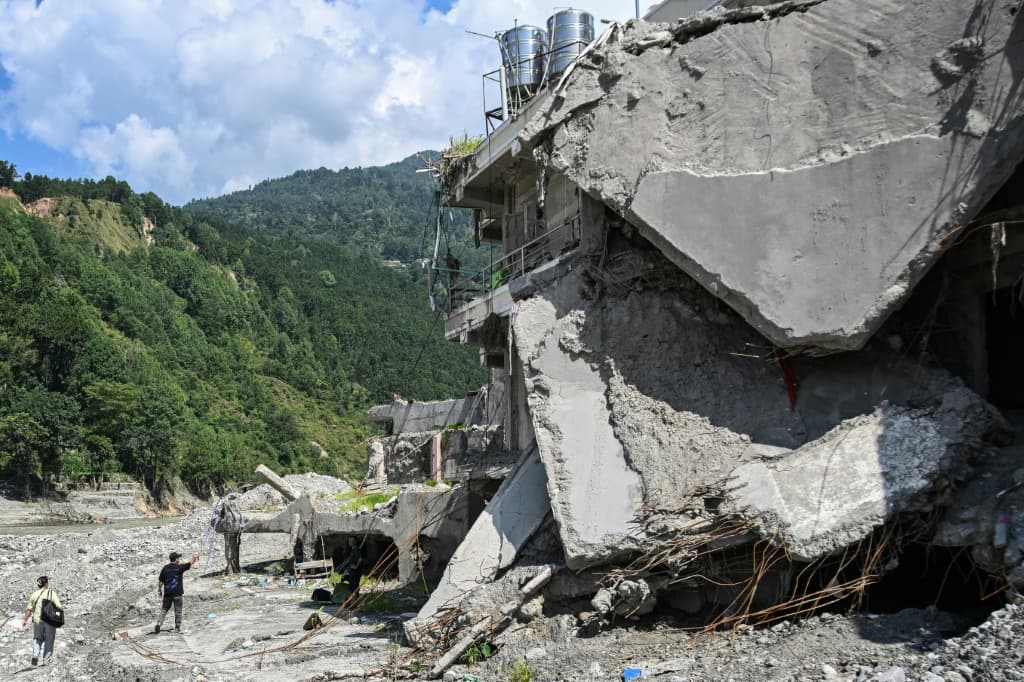
The floods in Nepal should become a turning point for global climate action, and the international community should help the country recover, Jorge Moreira da Silva, executive director of the UN Office for Project Services (UNOPS), told AFP on Saturday. The disaster occurred on August 26: a mountain collapse near the border with China triggered devastating floods that killed more than 1,400 people and left over 5,000 missing. According to scientists, climate change played a significant role in this disaster.
'Defining moment' and climate justice
During a visit to the affected areas, Moreira da Silva said he saw 'massive destruction.' 'This is a defining moment not only for Nepal, it is a defining moment for the international community,' he said in Kathmandu. Nepal, a predominantly rural country with a population of 30 million, contributes minimally to global greenhouse gas emissions but estimates the cost of recovery at $4.78 billion. 'It is unfair to demand that a country that emits almost no CO2 pay alone for the consequences of something it did not cause,' the UNOPS head noted, emphasizing the need for 'global solidarity.' According to him, recovery and resettlement must take future climate risks into account, and the international community must 'renew its commitment to climate.' He called this a matter of 'climate justice and climate responsibility' and warned that low-emission countries will continue to suffer more from climate change 'if the countries that emit the most... do not change their path.'
Humanitarian response and global context
The UN and its humanitarian partners launched an appeal for $49.6 million last month for emergency assistance to those affected by the floods. Nepal's Prime Minister Balendra Shah told the United Nations that the flood 'was a warning to the world' about the growing dangers of climate change. Moreira da Silva also noted that Nepal is recovering amid global disruptions threatening food security. Heading the UN task force on the Strait of Hormuz, he pointed out that 'the simultaneous disruption of three maritime chokepoints — the Strait of Hormuz, the Black Sea and the Red Sea — creates a serious challenge, especially for food security.'