The key facts
- Trump put the Graham Act into effect but suspended the tariffs (up to 500% on Russian goods, 100% for the largest oil buyers) in the US interest
- The decision followed a deal on supplies of Russian diesel and amid deteriorating relations with Zelensky
- Russia called the suspension 'a historic moment'; Zelensky in Brussels is asking the EU for an additional 70 billion euros for 2027
The order at the last moment
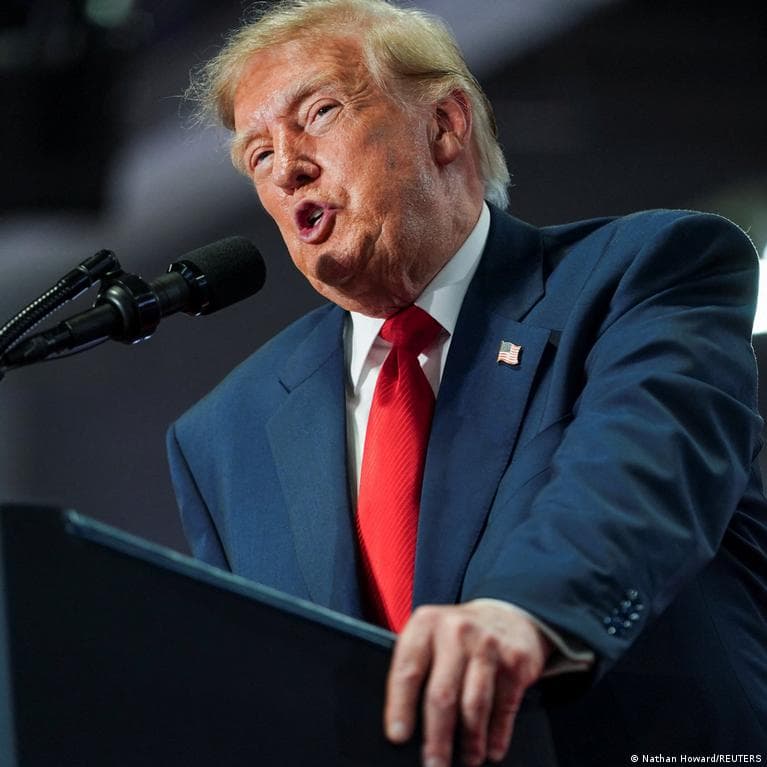
US President Donald Trump on Friday evening signed an order putting into effect the 'Lindsey Graham Act on Sanctions Against Russia and Iran of 2026', which he had signed on September 18. The law was due to take effect on October 18. The order provided for raising tariffs on Russian goods by 500%, as well as additional tariffs of 100% on goods of the five largest importers of Russian oil and gas making new purchases from October 18, and the five largest intermediaries in circumventing sanctions on Russian oil. However, Trump suspended the tariffs and most of the sanctions, citing US national interests, and sent the corresponding certification to Congress. According to the White House, the deferral will remain in effect until the president or secretary of state deem it necessary to take further steps. The White House did not immediately explain how the pause serves the national interest.
Contents of the law
The law, named after the late Republican senator from South Carolina Lindsey Graham — one of Ukraine's foremost defenders in Washington, who died on July 11 — received bipartisan support in Congress. It was aimed at pressuring the Russian economy: sanctions against Putin, senior officials, banks and financial institutions, the 'shadow fleet' of tankers, as well as authority to impose tariffs of up to 100% on the five largest buyers of Russian oil and gas — primarily China and India. According to the BBC, many previous sanctions were based on presidential executive orders, so Trump had the ability to repeal or soften them; he had previously eased some restrictions on Russian petroleum products, citing energy prices.
Context: the diesel deal and the elections
The suspension of sanctions came a week after Trump announced an agreement with Putin to purchase Russian diesel to lower fuel prices. According to him on Truth Social, Russia will supply more than 300,000 tons of diesel immediately, another 500,000 tons in November, 1 million tons after that, and 3 million tons within a short period. The deal drew bipartisan criticism in Congress: on Thursday a group of 20 lawmakers called on Trump to 'fully and in good faith' implement the law. Democrat Richard Blumenthal, a co-author of the bill, said the deferrals 'have nothing to do with national security, but are connected with pandering to Putin'. Analysts noted that ahead of the midterm elections in November, the sanctions could have raised oil prices, which had already risen because of the US war with Iran.
Reaction from Moscow and Kyiv
Putin's envoy Kirill Dmitriev called the suspension of the law 'an important and truly historic moment', saying it would have caused 'serious damage primarily to the US economy and global markets'. The Kremlin and Putin himself have not yet reacted. Volodymyr Zelensky, who was in Brussels at the EU summit, called the diesel deal 'a gift to Putin' and 'an investment in a war that needs to be ended'. Asked whether he felt like a 'scapegoat' ahead of the elections, he answered after a pause: 'That is my answer.' He also warned: 'We cannot accept diesel deals, because gas deals will come next', expressing concern that this would be followed by the lifting of sanctions on the banking system, specific individuals, the chemical industry, and questions about frozen assets.
Deterioration of US-Ukraine relations
Trump called Zelensky's renewed strikes on Russian oil refineries a 'disgrace'; Zelensky replied that he 'defends solely the interests of Ukraine and the Ukrainian people'. Allies' concern was heightened by disruptions in the satellite system provided by the US, which hampered counteraction to Russian shelling: Elon Musk stated that his SpaceX was not involved, and an American official denied Trump's interference. On Friday Putin, speaking in military uniform before the military leadership, said that one of the main goals remains the 'liberation of the Donetsk People's Republic'.
Europe's position and the situation in Ukraine
European leaders demonstrated unity with Zelensky. European Council President Antonio Costa said: 'Now is not the time to retreat from supporting Ukraine. Now is not the time to lift sanctions on Russia. Now is the time to increase our support and our pressure.' Dutch Prime Minister Rob Jetten called the situation in Ukraine 'truly difficult'. Zelensky asked the EU for an additional 70 billion euros (about $79 billion) for the next year and more Patriot missiles. Ursula von der Leyen confirmed that the request 'must be covered', Emmanuel Macron said the request would be analyzed, and Friedrich Merz said the EU would discuss it before the end of the year. The discussion of funding again raised the question of using about 200 billion euros of frozen Russian assets, which Belgium, where most of the funds are held, opposes. The EU is already paying out tranches of a 90 billion euro loan. Meanwhile, Russian strikes on Kherson and Zaporizhzhia, according to Ukrainian authorities, killed at least 18 people, including an 11-year-old girl; on Saturday a strike on Kherson, according to local authorities, killed one person and wounded 22.