The key facts
- The Roadster uses 10 thrusters fed by 600 liters of compressed air and a fan-based suction system delivering up to 2 g
- Three versions: Performance ($50,000 deposit), Thrust ($250,000), Rocket — invitation only
- Production is promised for 2028 after repeated delays since 2017
Demonstration near Waco
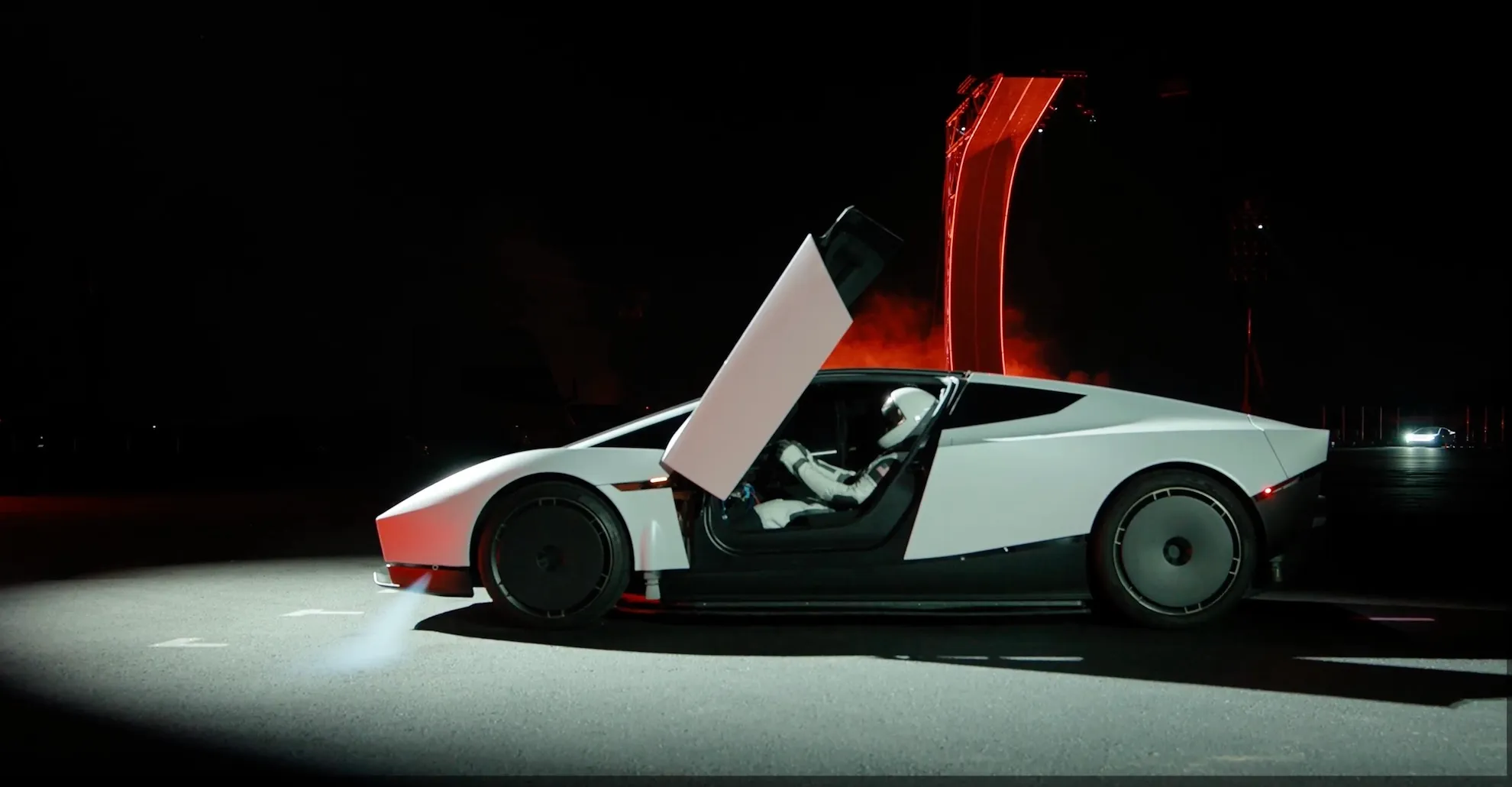
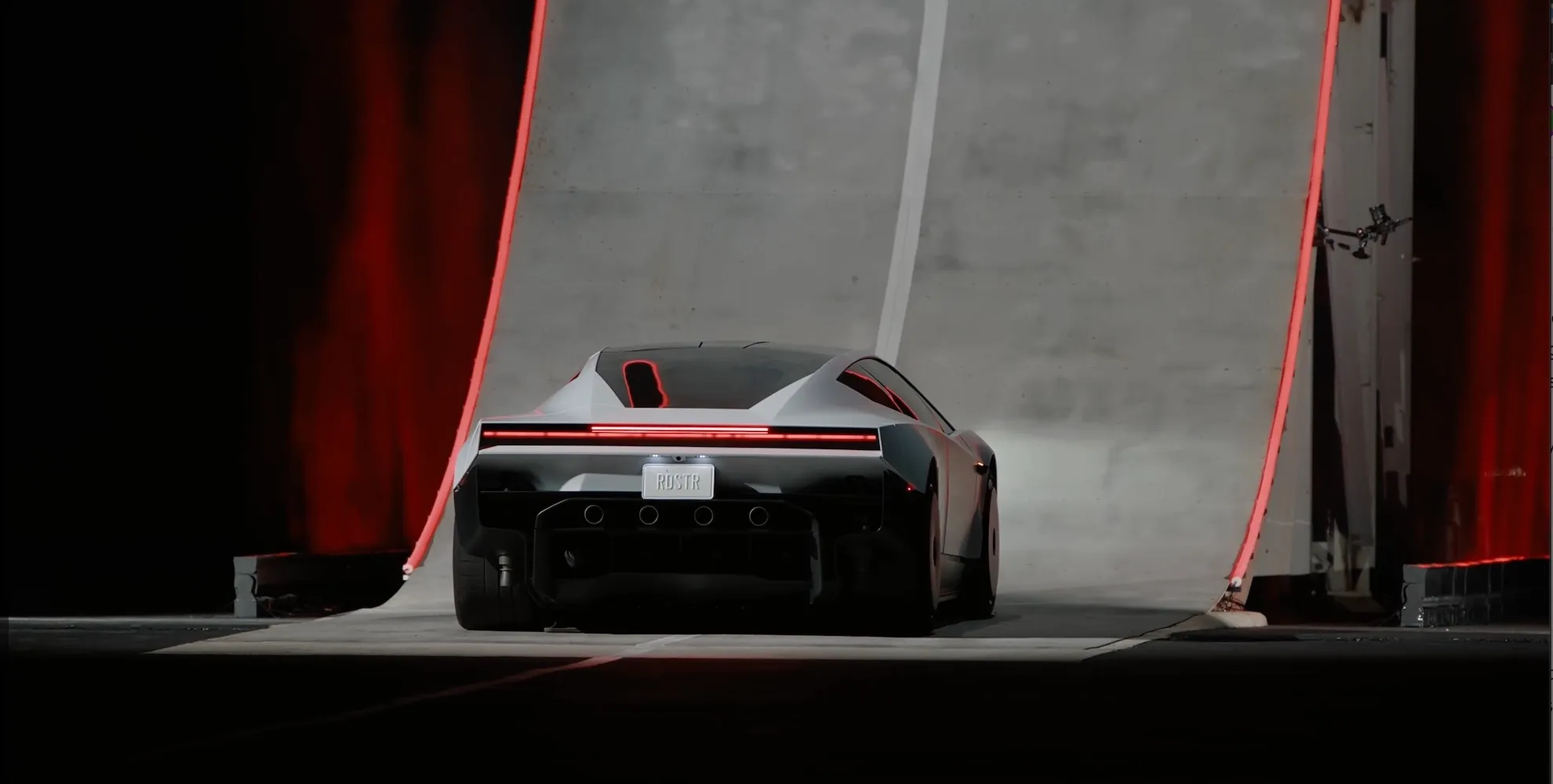
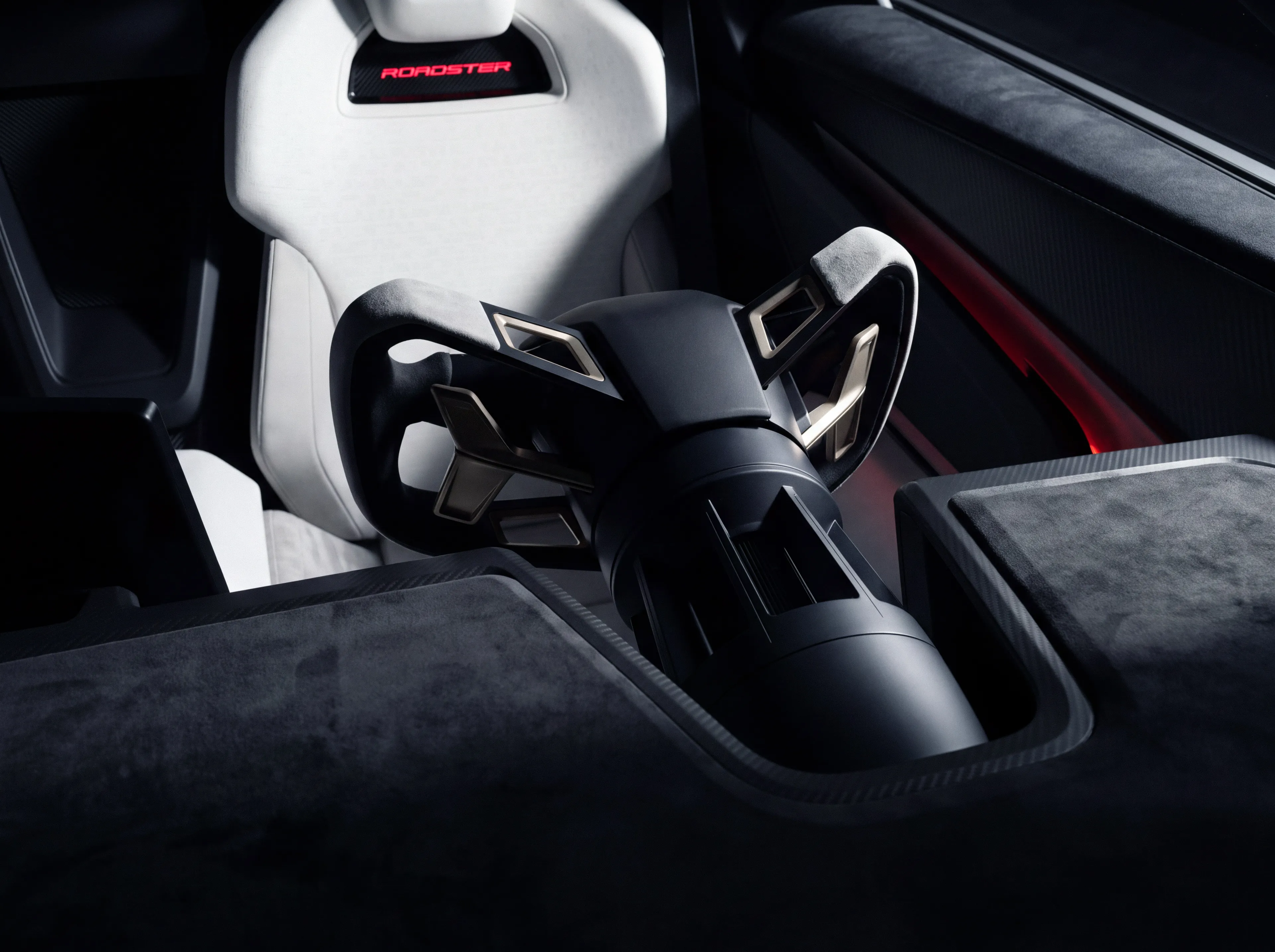
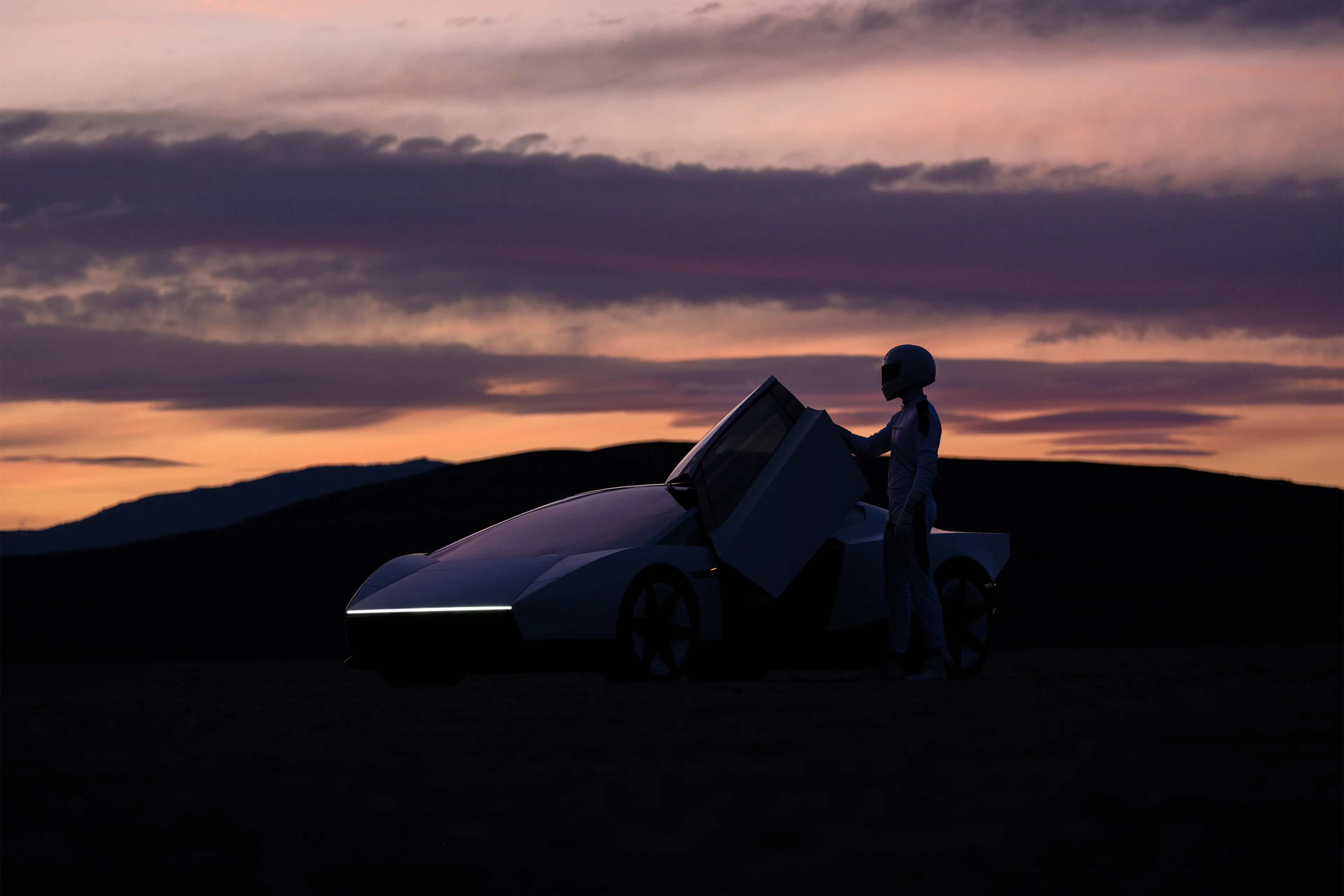
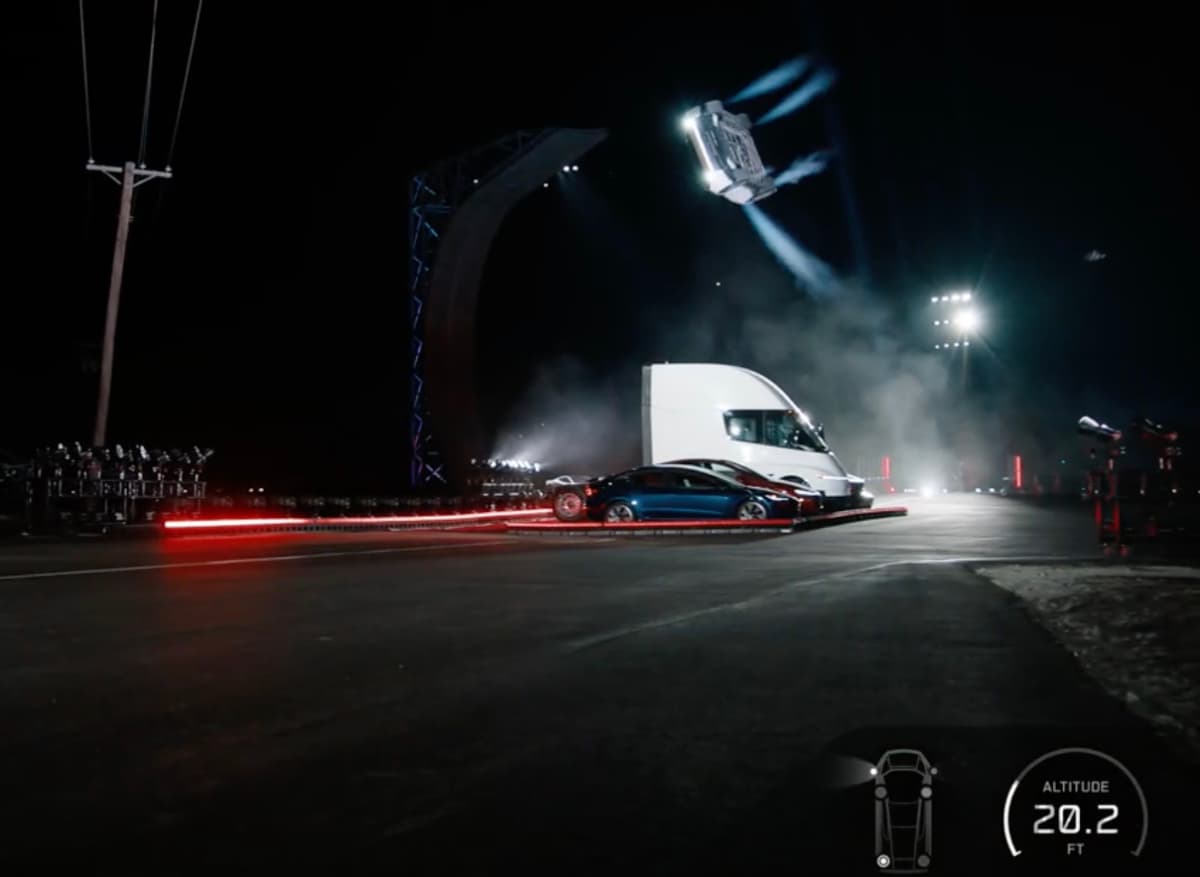
On the evening of Thursday, October 15, 2026, at an event near Waco, Texas, broadcast live, Elon Musk presented the redesigned second-generation Roadster with SpaceX technologies. “We need an audience to prove this isn’t AI,” Musk told the audience. In the demonstration, the car — the only Tesla model with manual controls — using powerful fans and thrusters, climbed a tall curved ramp, drove upside down, flipped in the air, and landed on the asphalt. “Well, it worked,” Musk commented. In a second demonstration, the car, while in motion, jumped over a Cybercab, Cybertruck, Tesla Semi, Model Y, and Model 3, performing a “kickflip.” A 0-to-60 mph acceleration in under one second was also shown.
Technical details
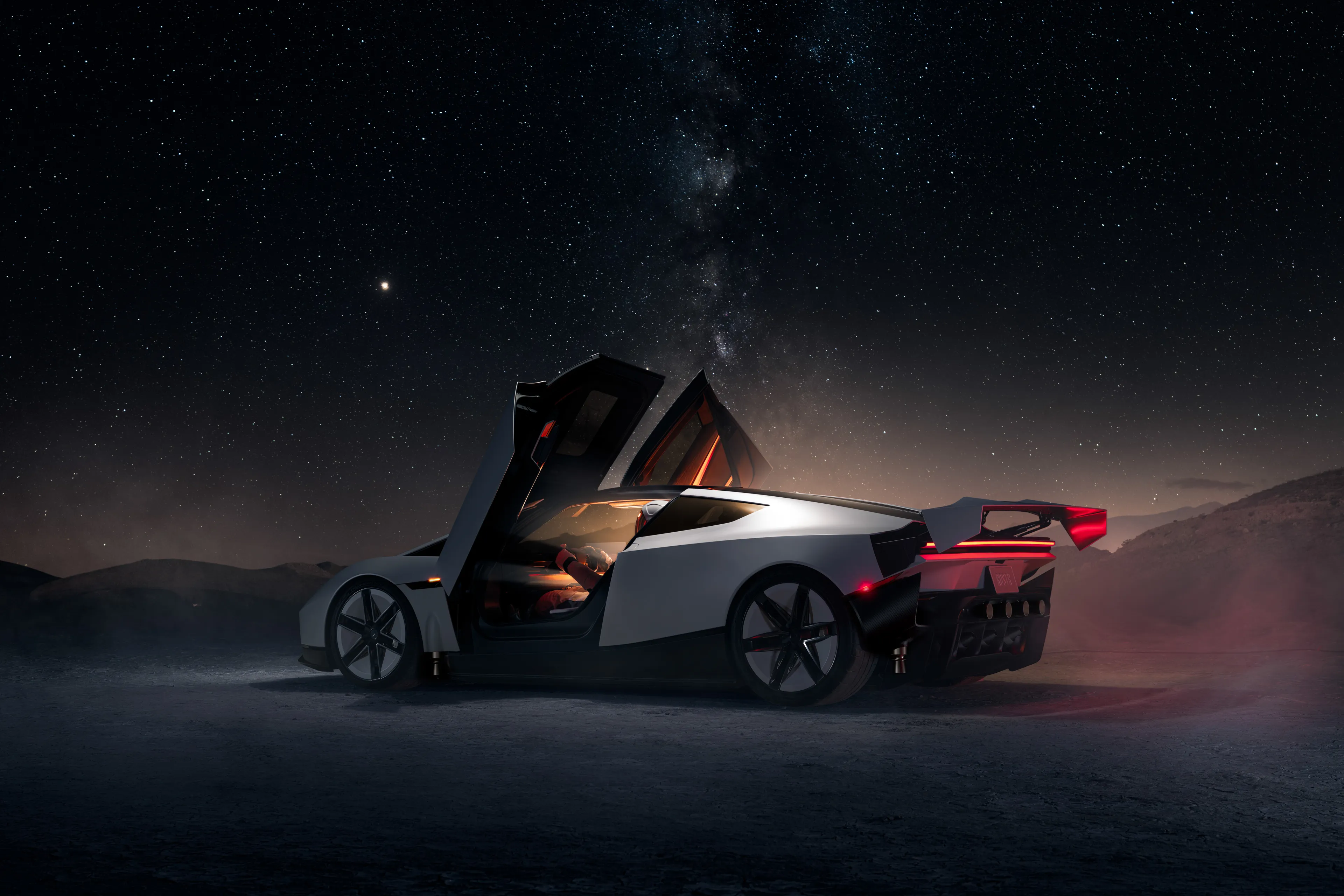
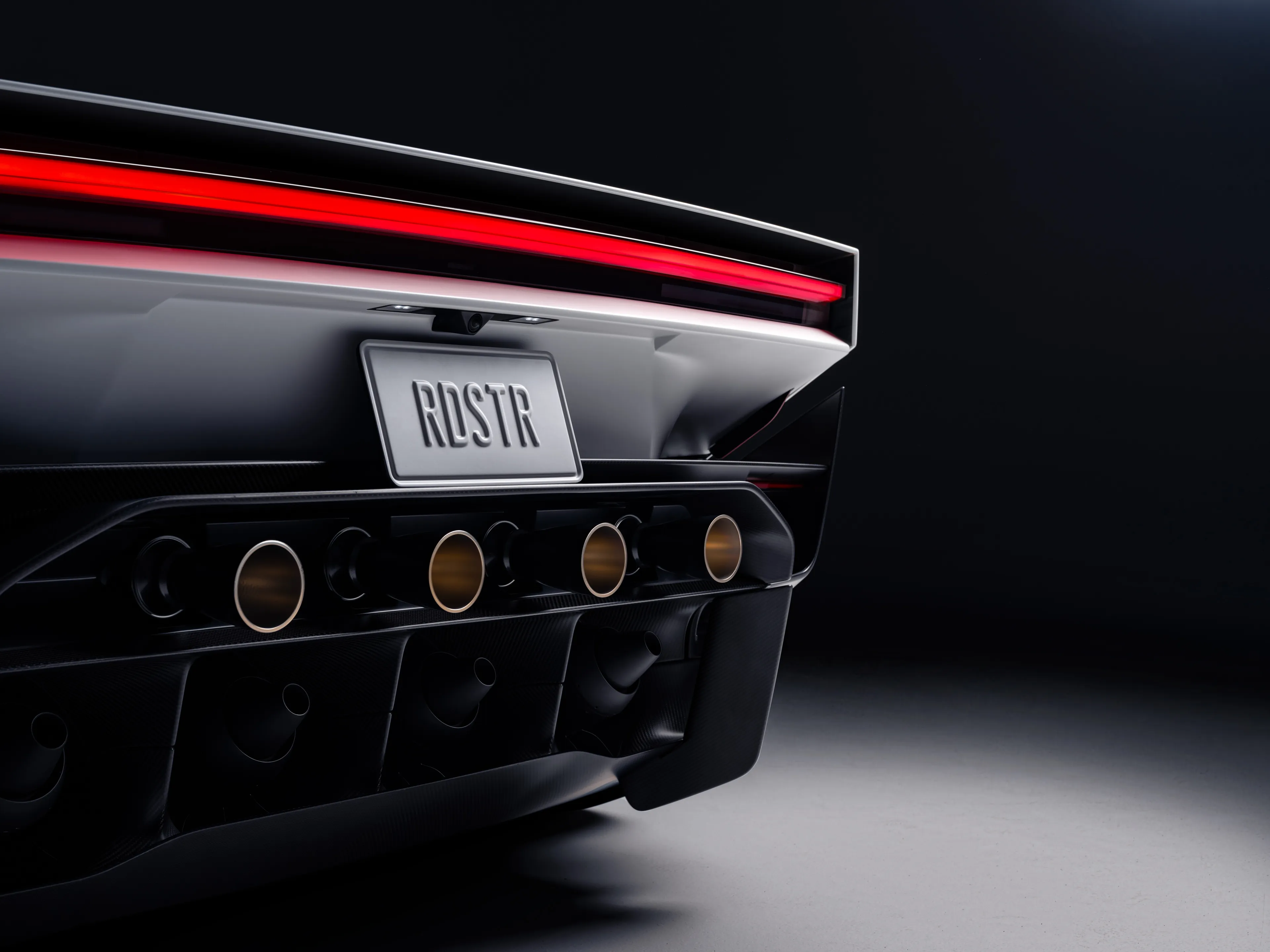
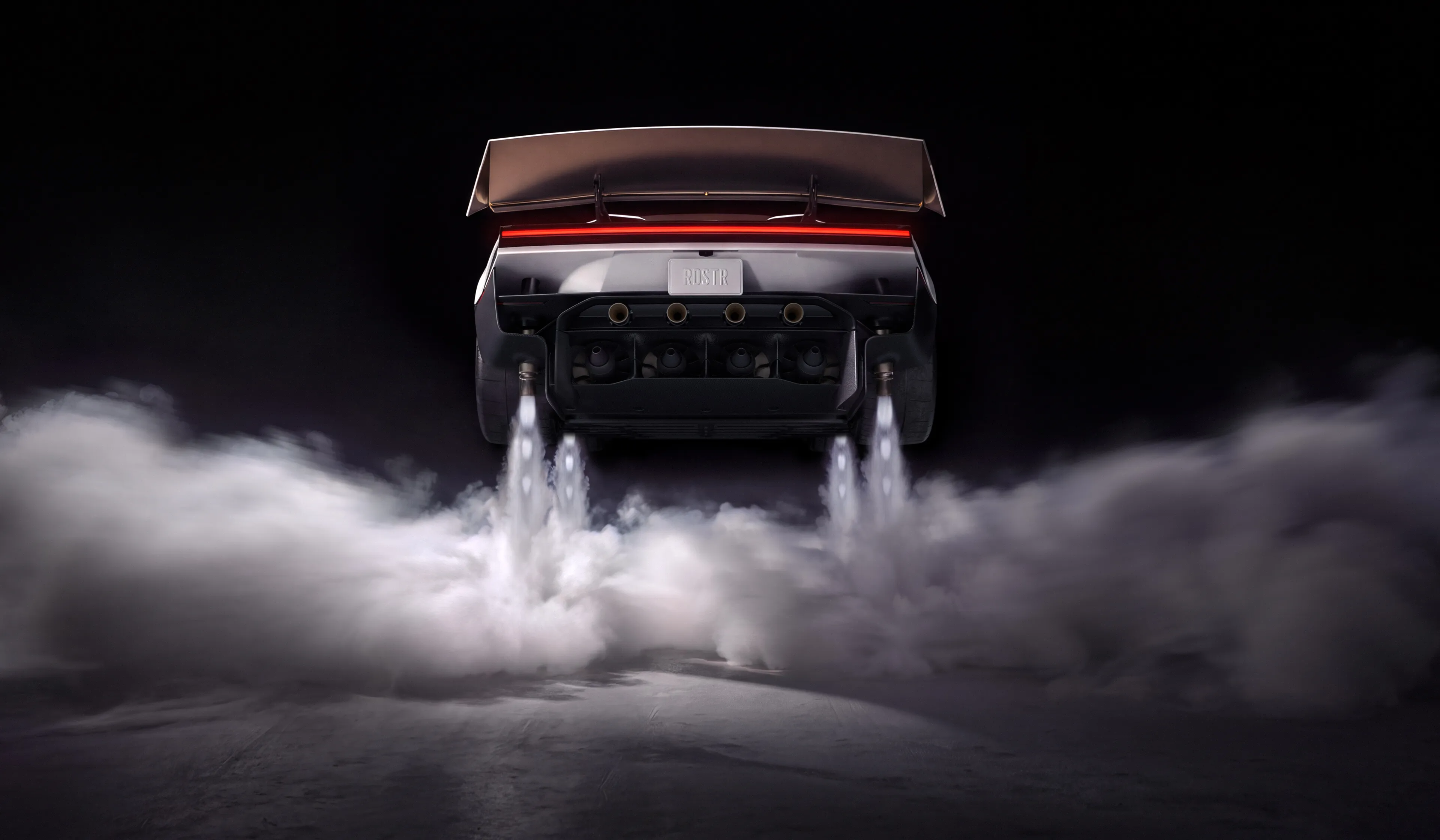
Tesla’s vice president of vehicle engineering, Lars Moravy, explained that the Roadster uses 10 thrusters connected to 600 liters of compressed air to lift and rotate the car in the air; the tank can be recharged. According to him, a fan-based suction system on the underbody creates up to 2 g of downforce, allowing the car to drive upside down, while “the rest” was borrowed from SpaceX. Tesla said on X that “every usable volume” in the body is filled with carbon-wrapped pressure vessels (COPV) — the same type of vessels involved in several SpaceX rocket explosions. Musk added that the car has altitude-control thrusters and main thrusters at the rear, so it “can essentially fly like a rocket” and “do somersaults and crazy gymnastics.”
Three versions and prices
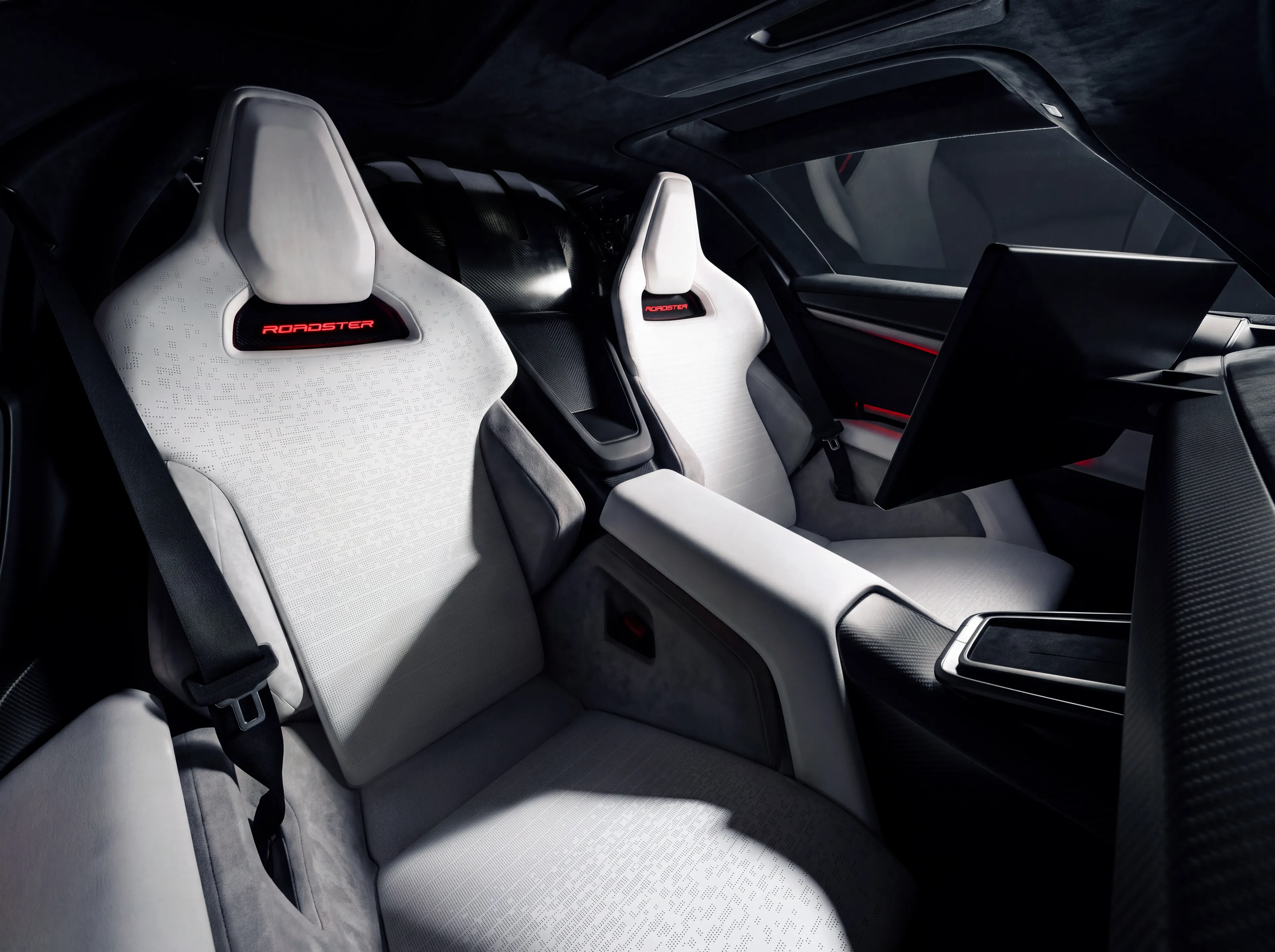
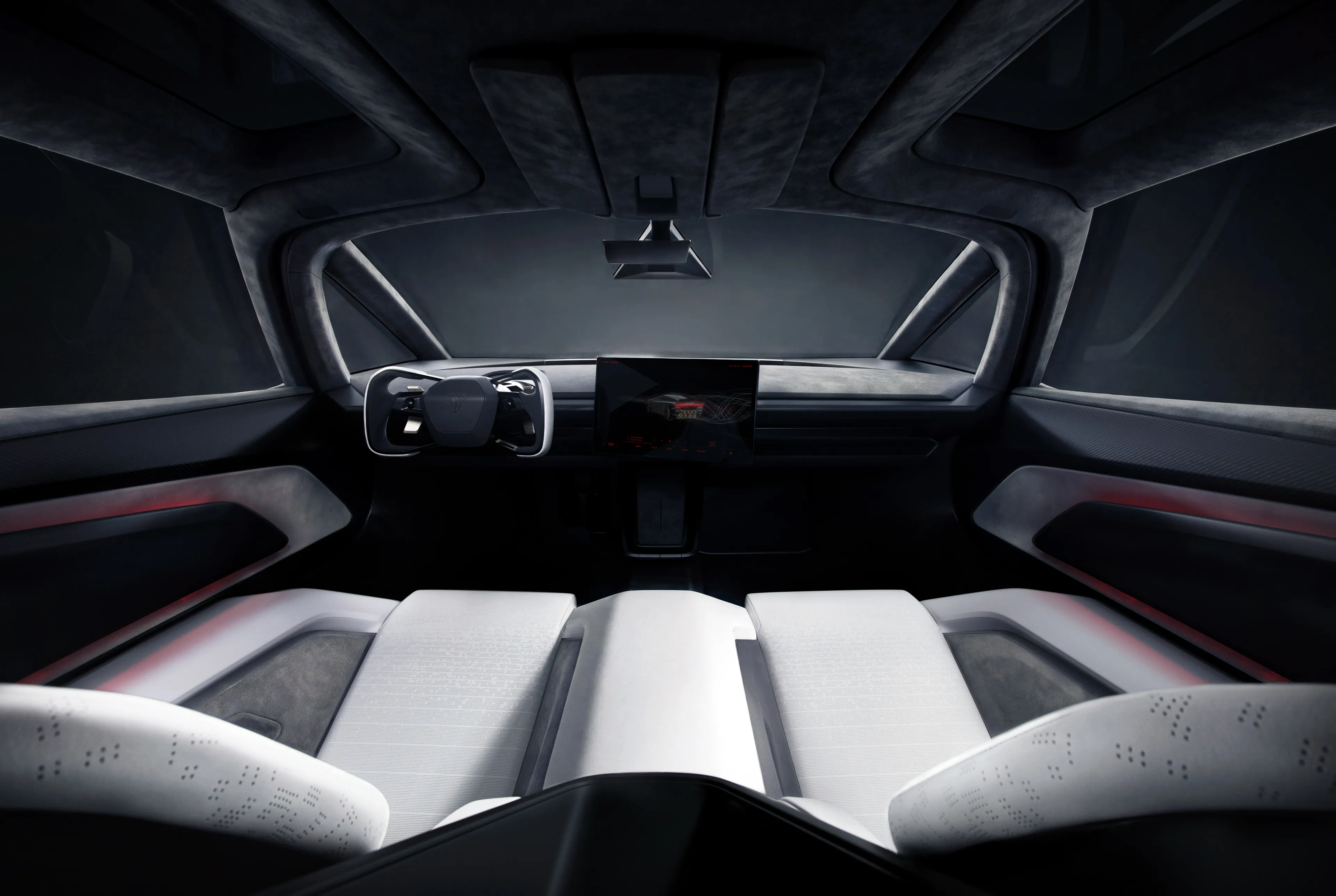
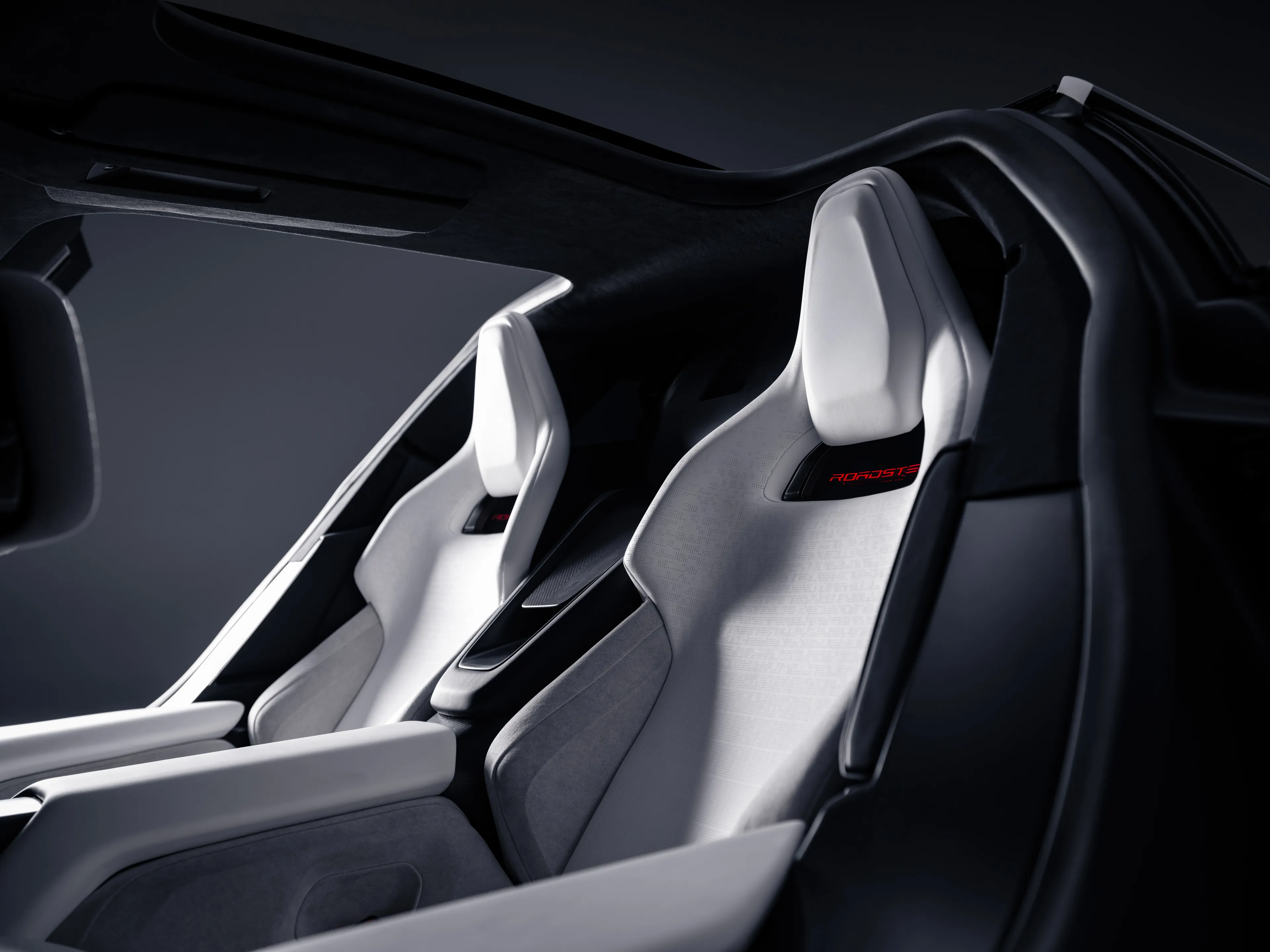
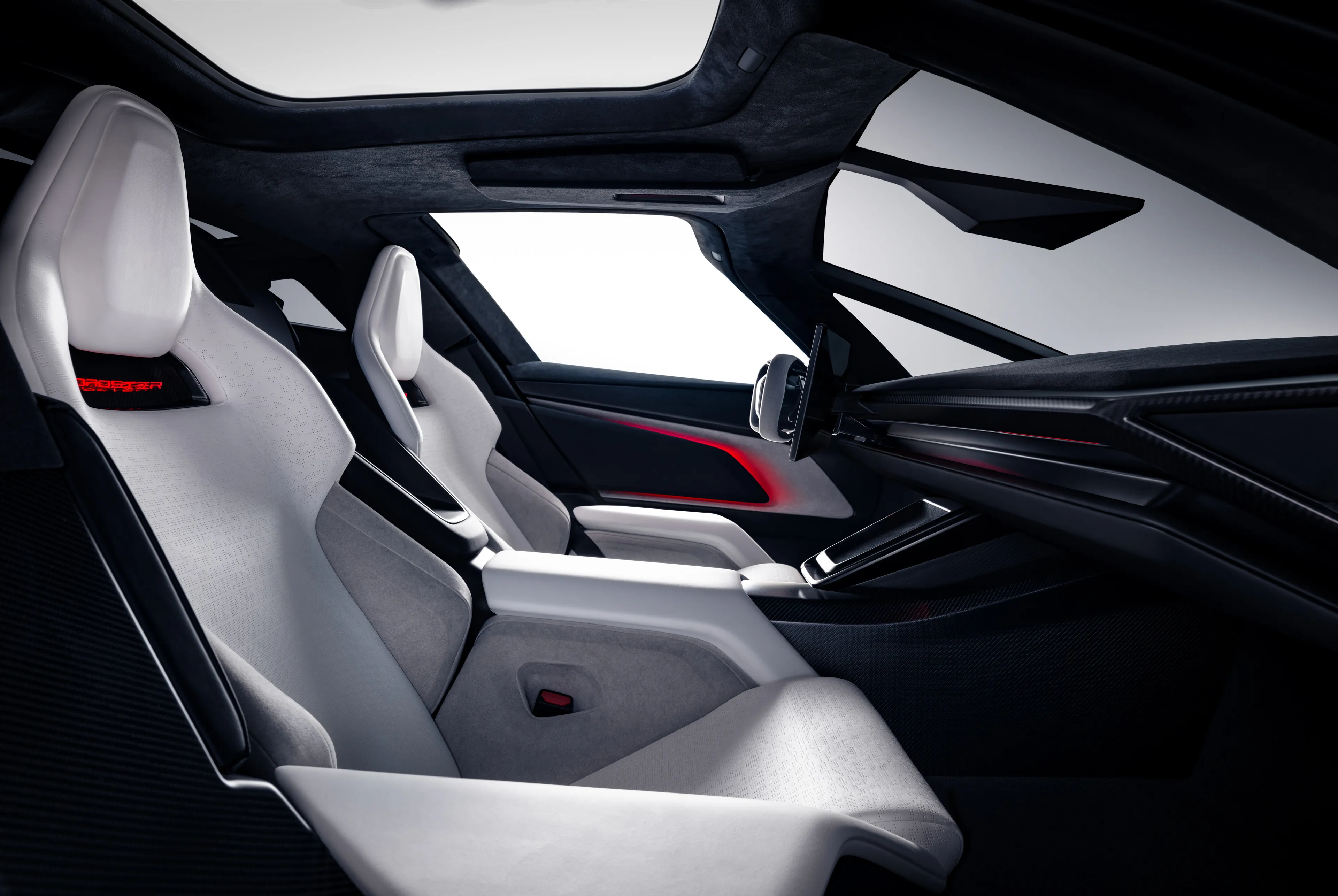
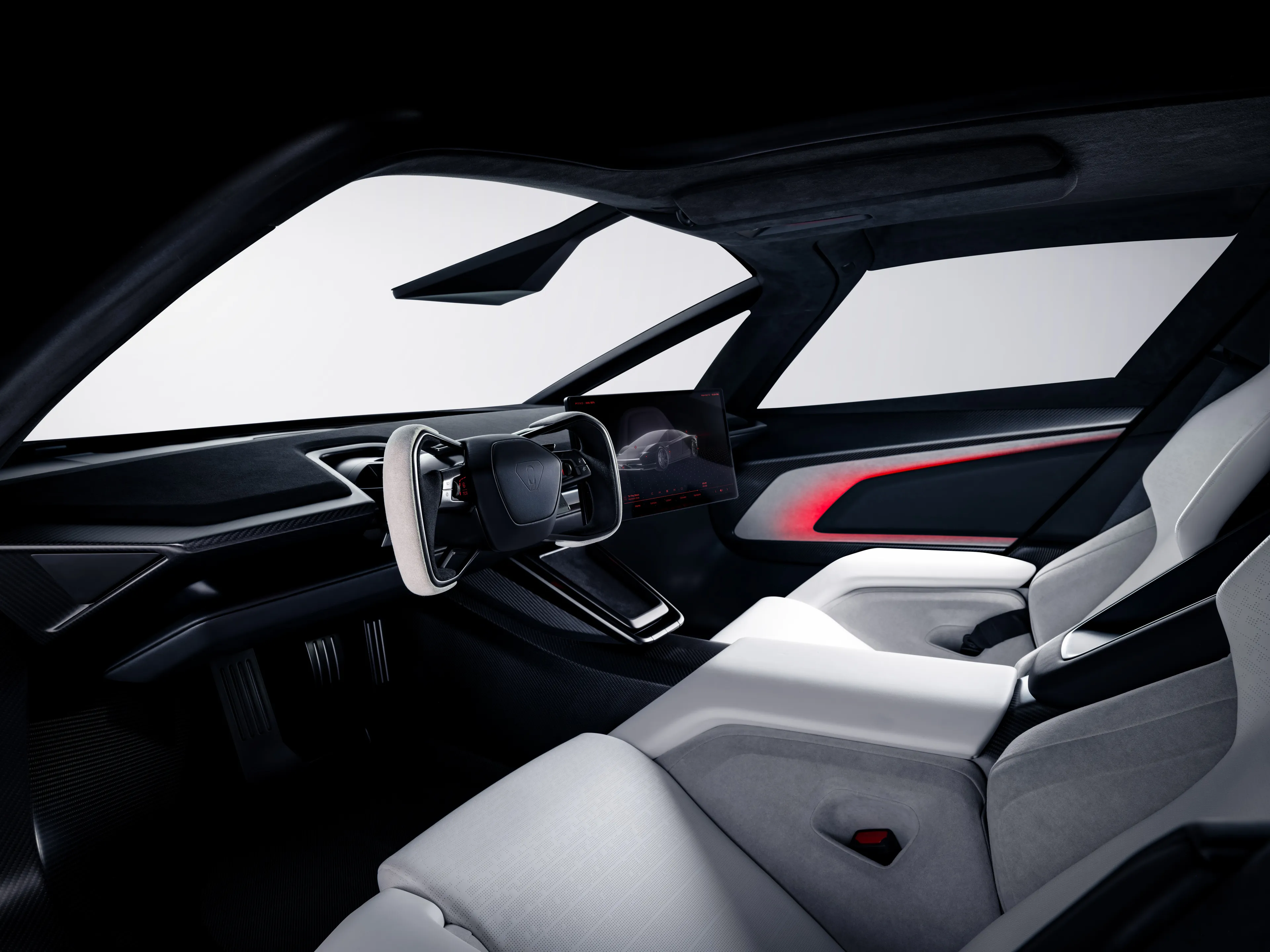
Tesla offers three trim levels. Performance is “road-ready,” two-seater, with active aerodynamics and a “multimodal suction system.” Thrust is “race-ready,” two-seater, with aft cold-gas thrusters for sub-one-second acceleration to 60 mph. Rocket is “air-ready,” single-seater, with 10 cold-gas thrusters around the perimeter. All three versions have a 300-mile range and a top speed above 230 mph. According to Tesla’s website, the deposit for the Performance is $50,000 and for the Thrust $250,000; the Rocket version is available by invitation only. Musk did not name the price of the car itself. Production is scheduled for 2028.
Design and positioning
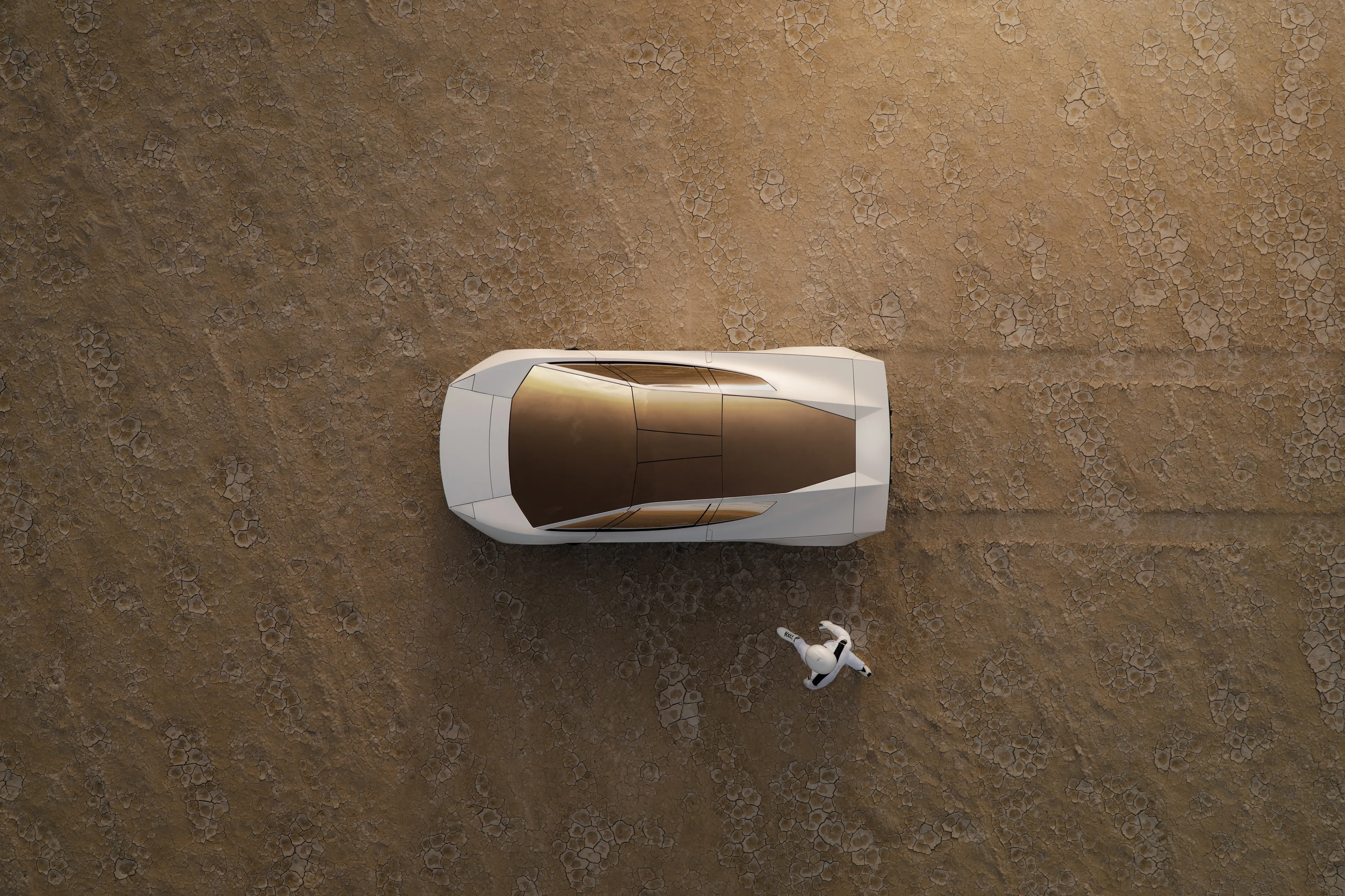
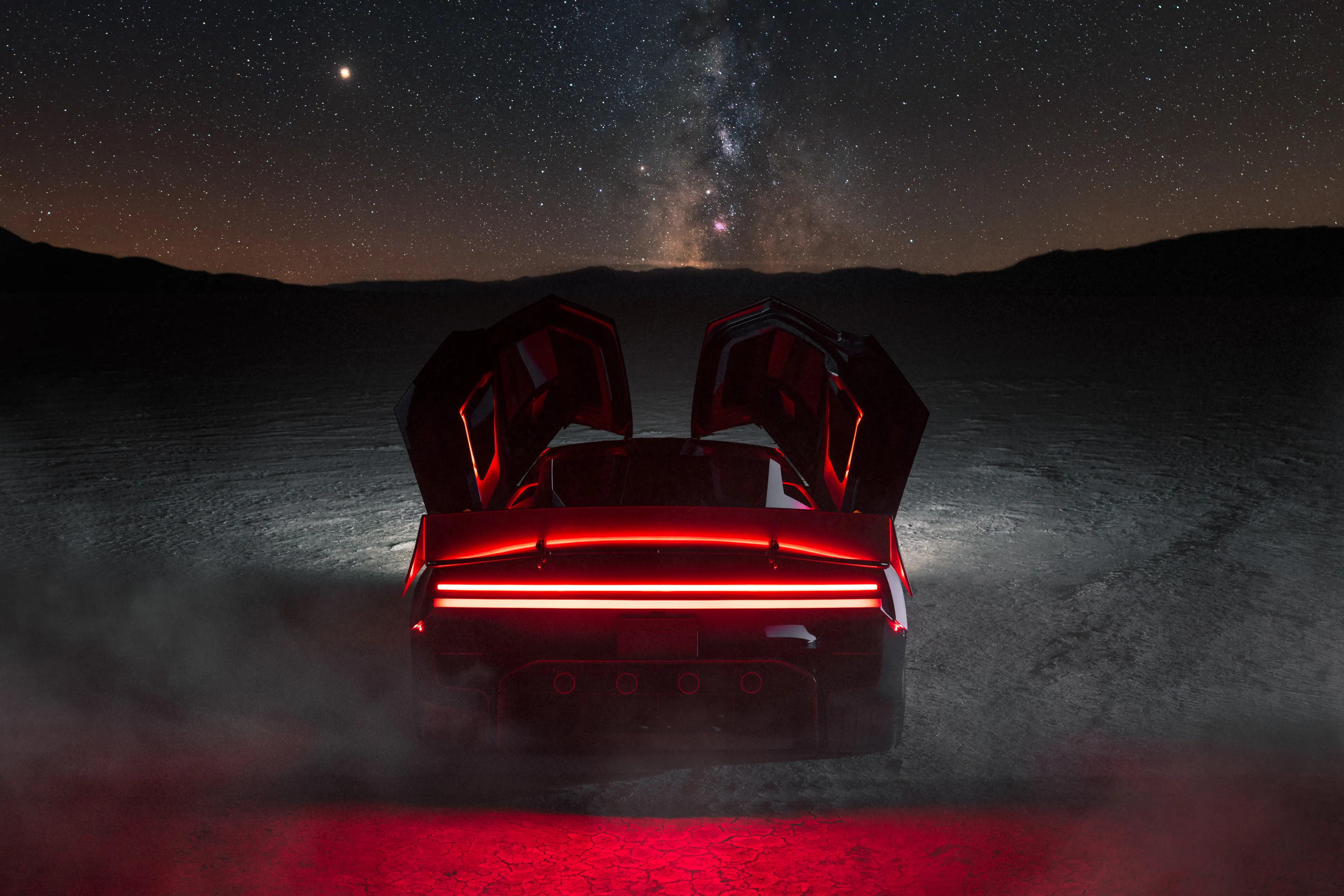
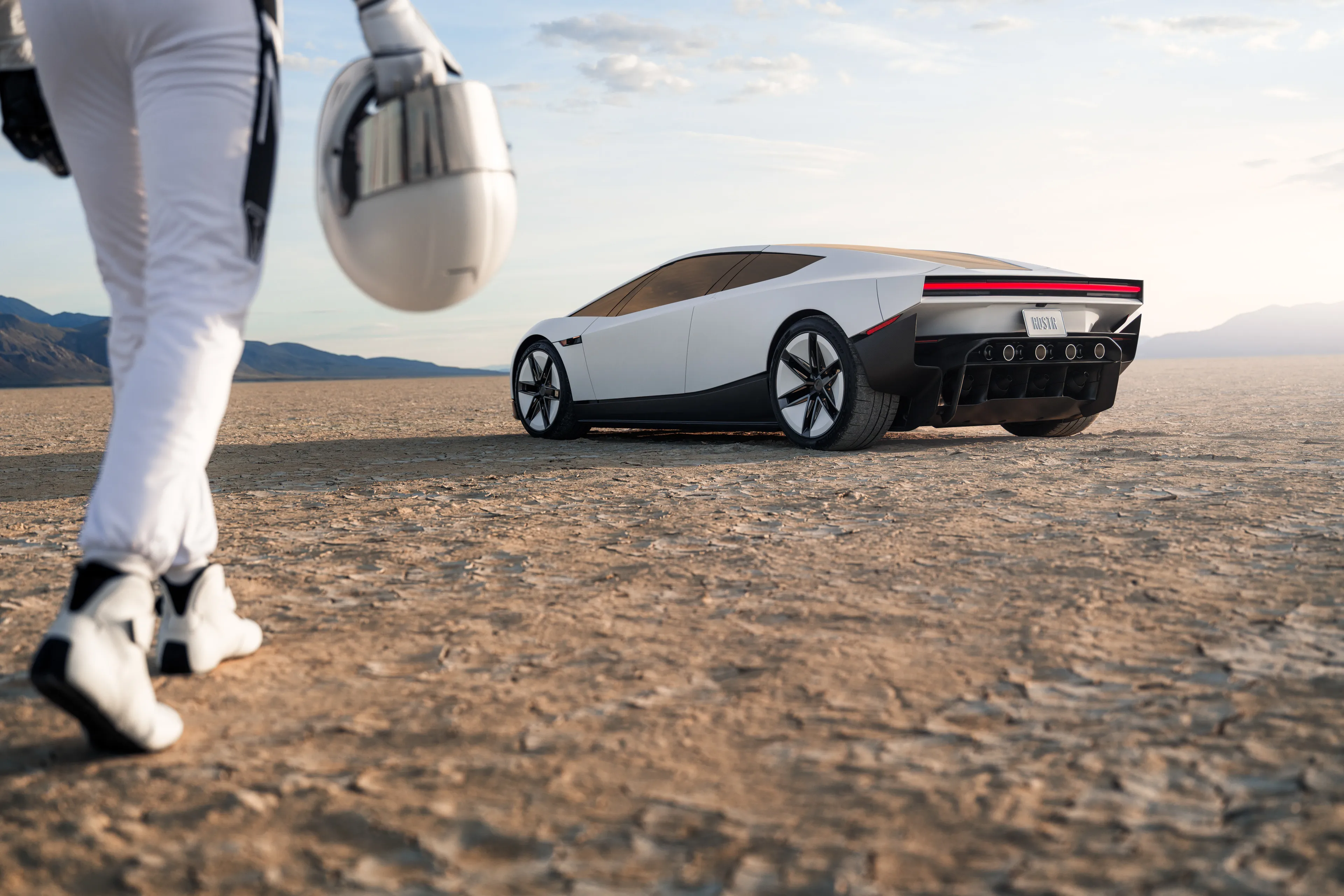
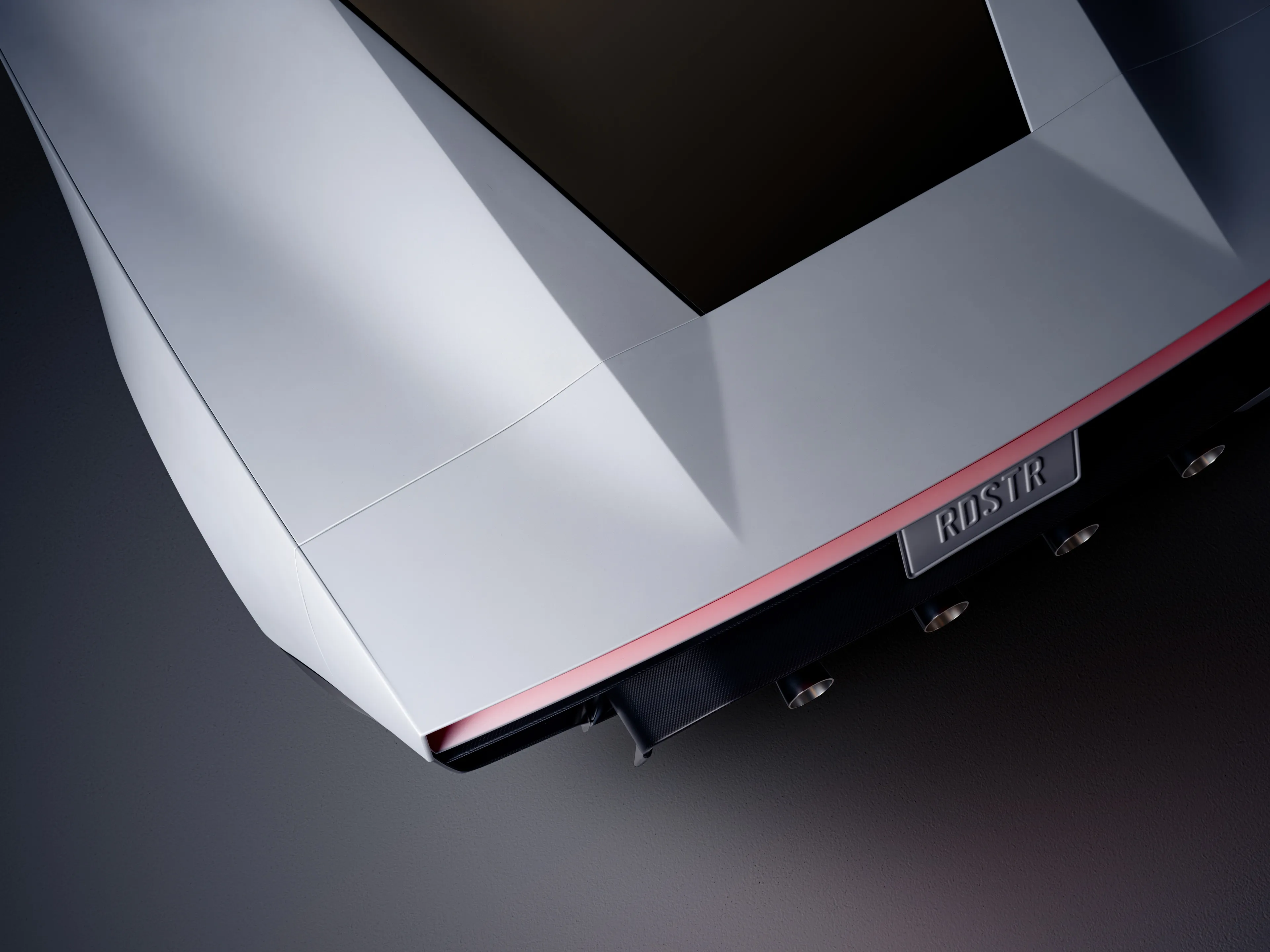
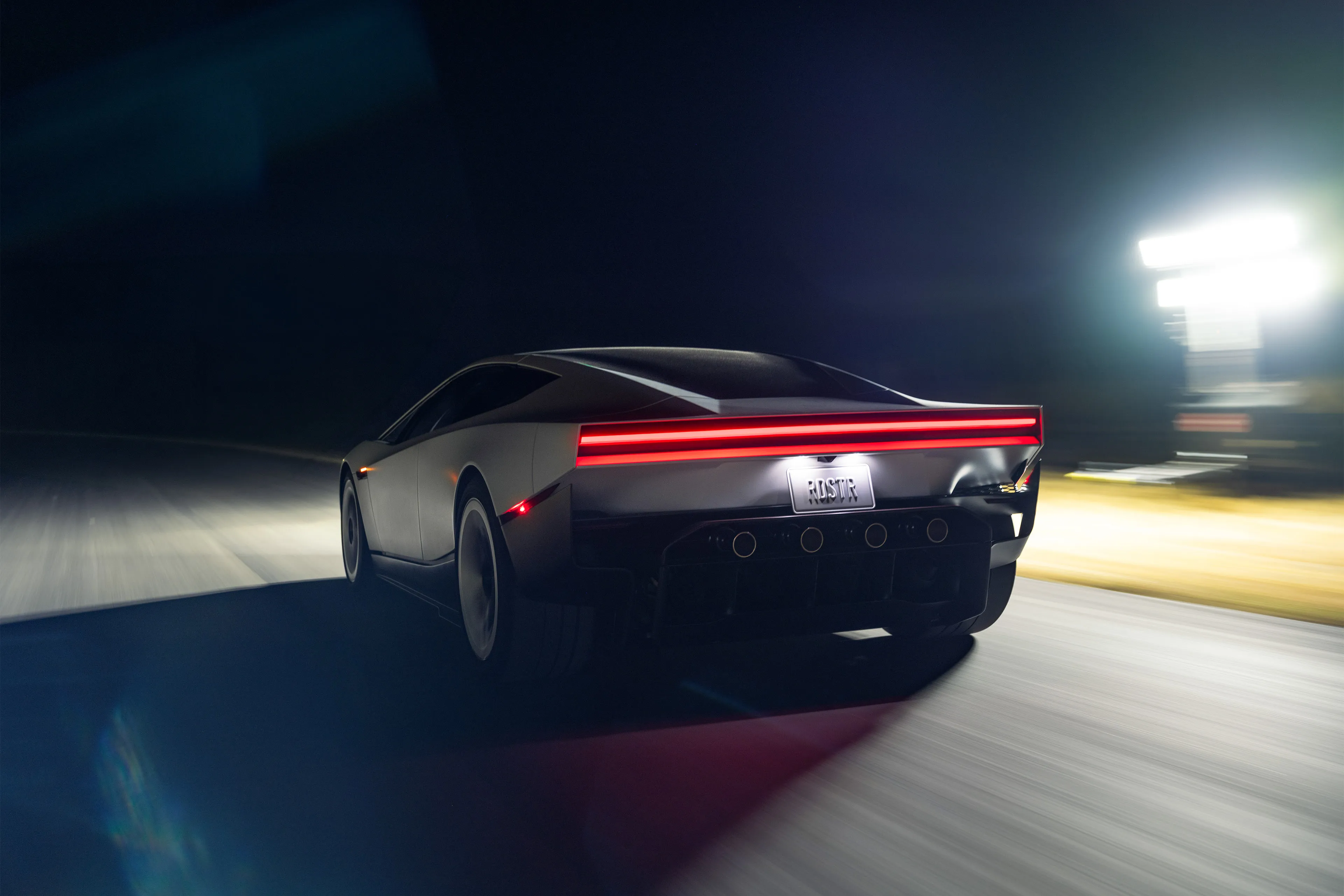
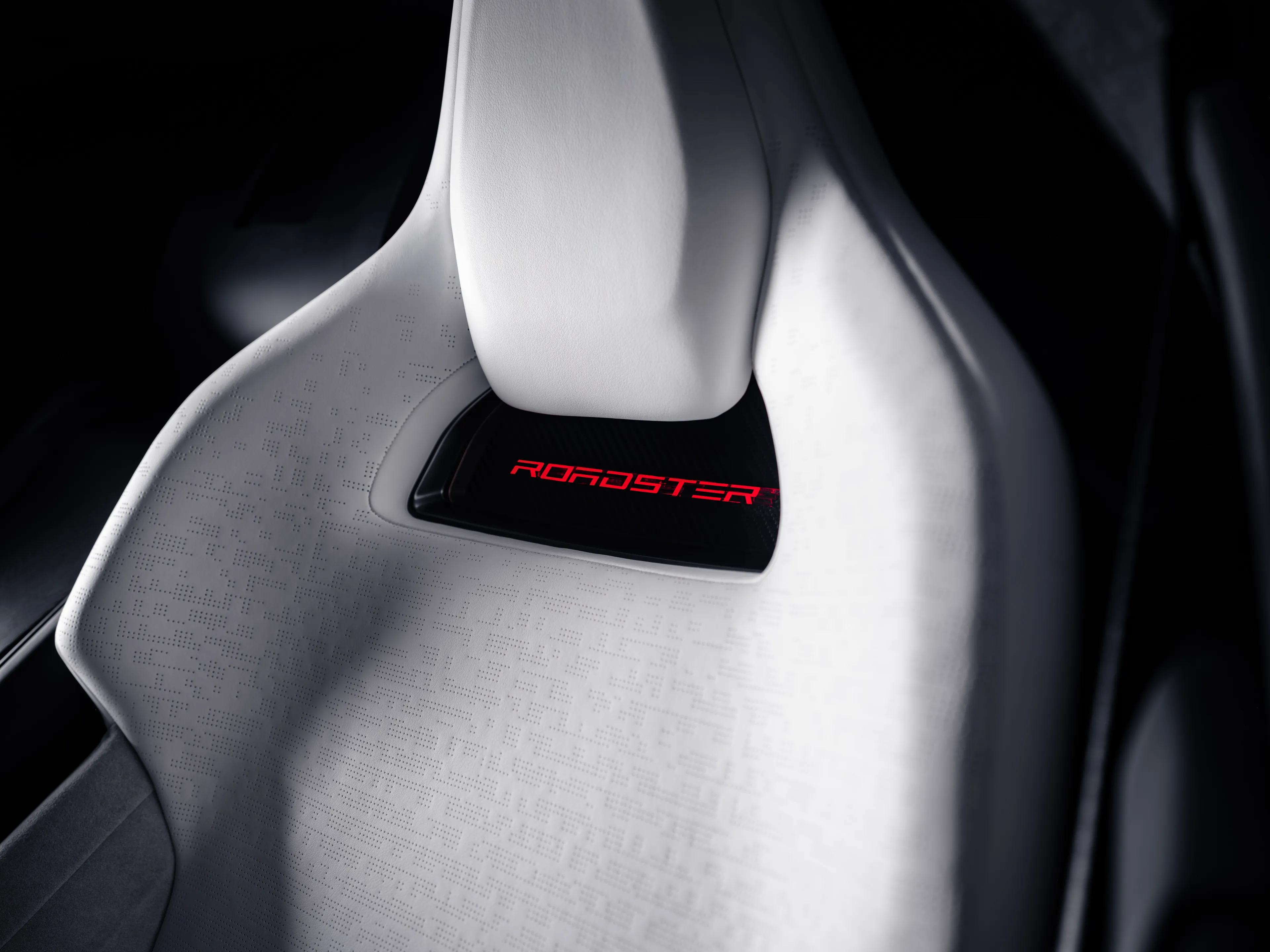
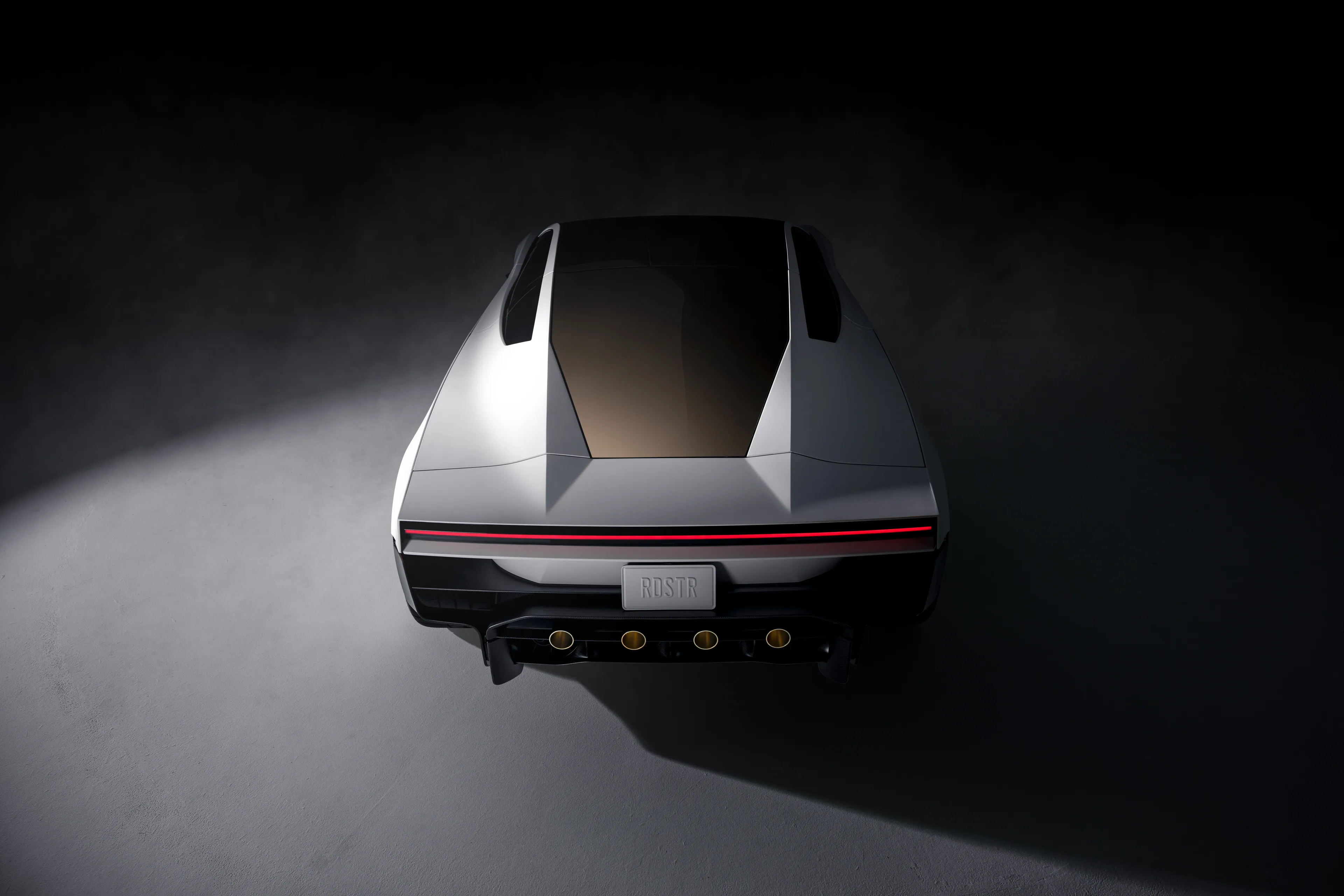
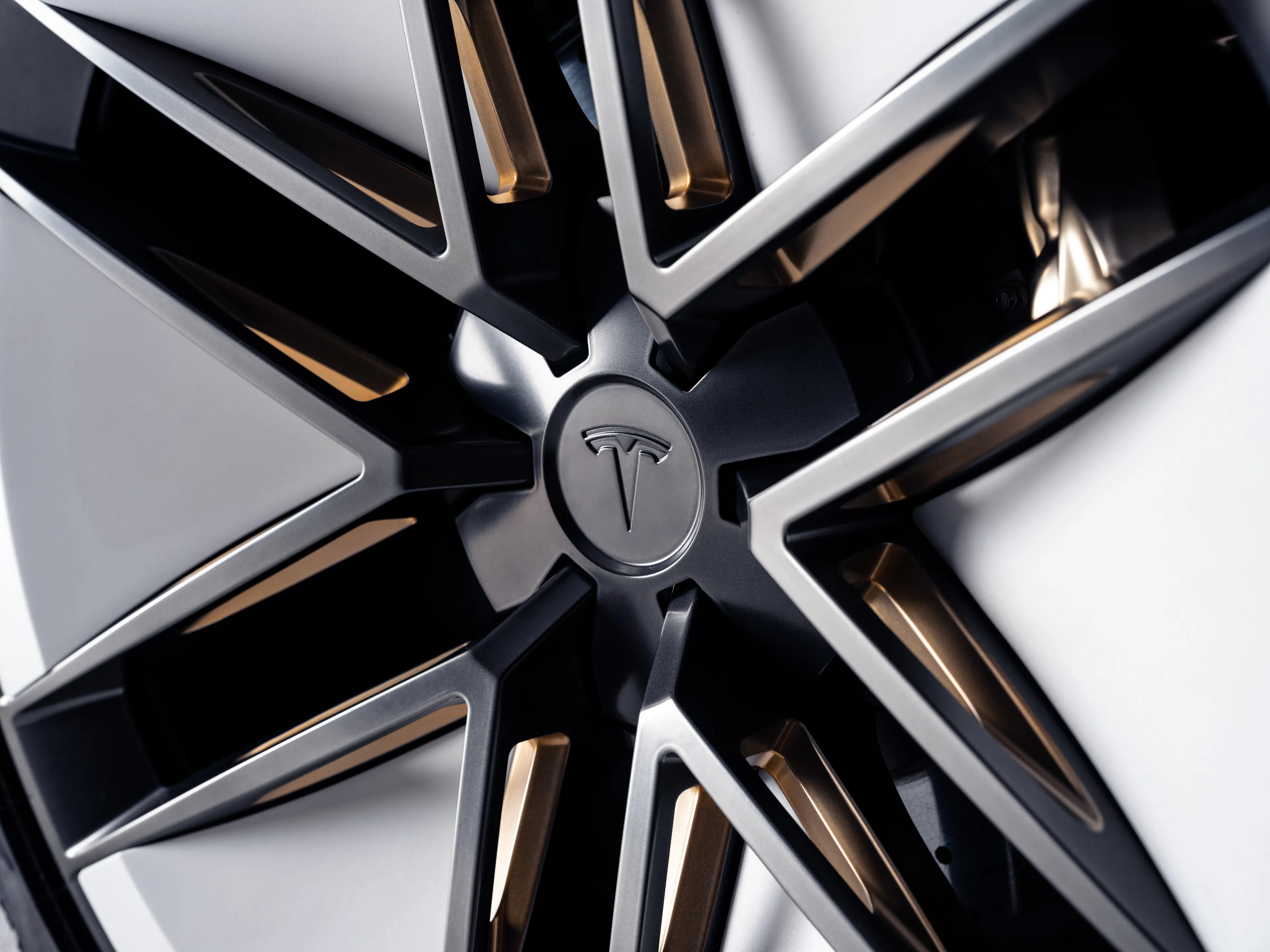
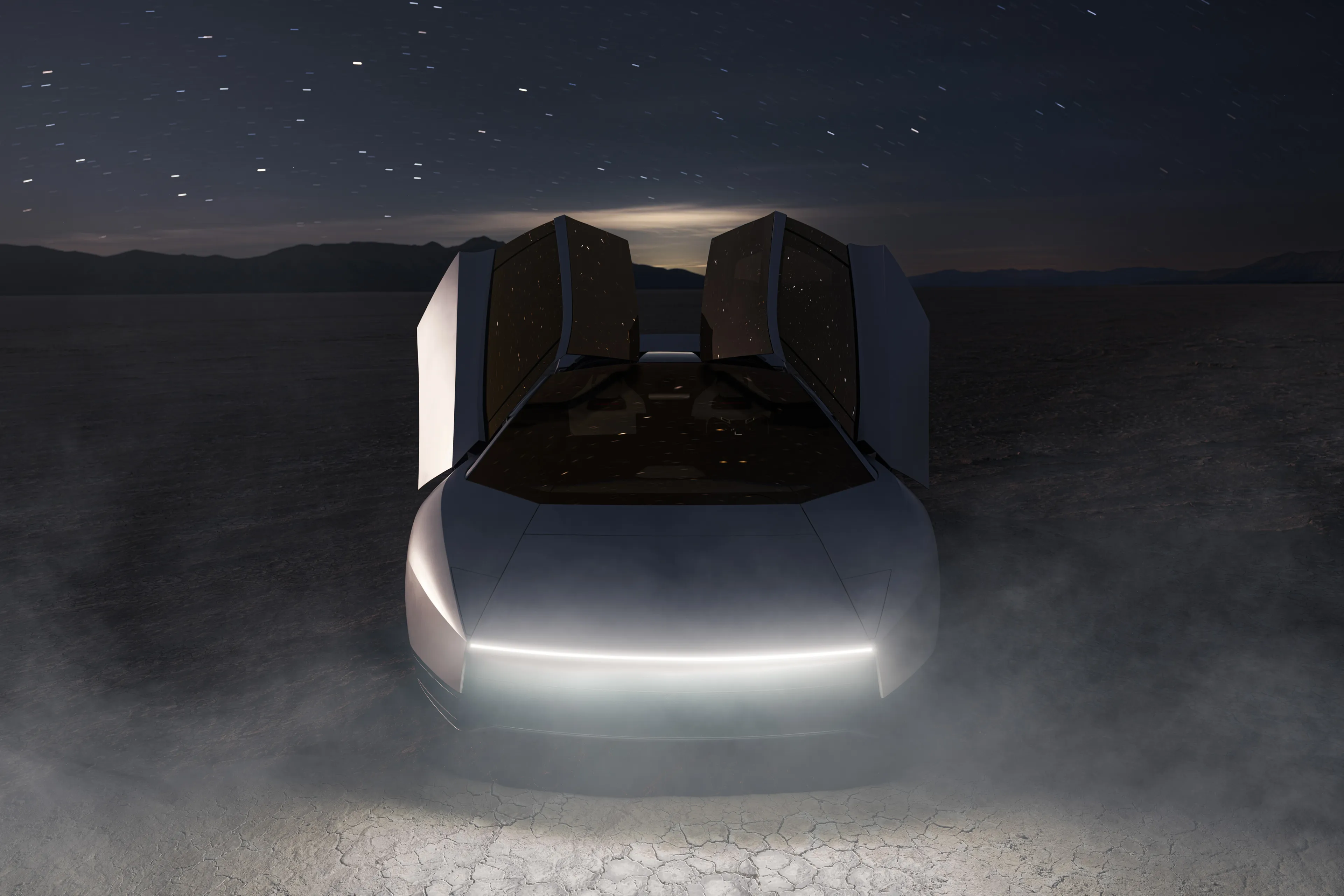
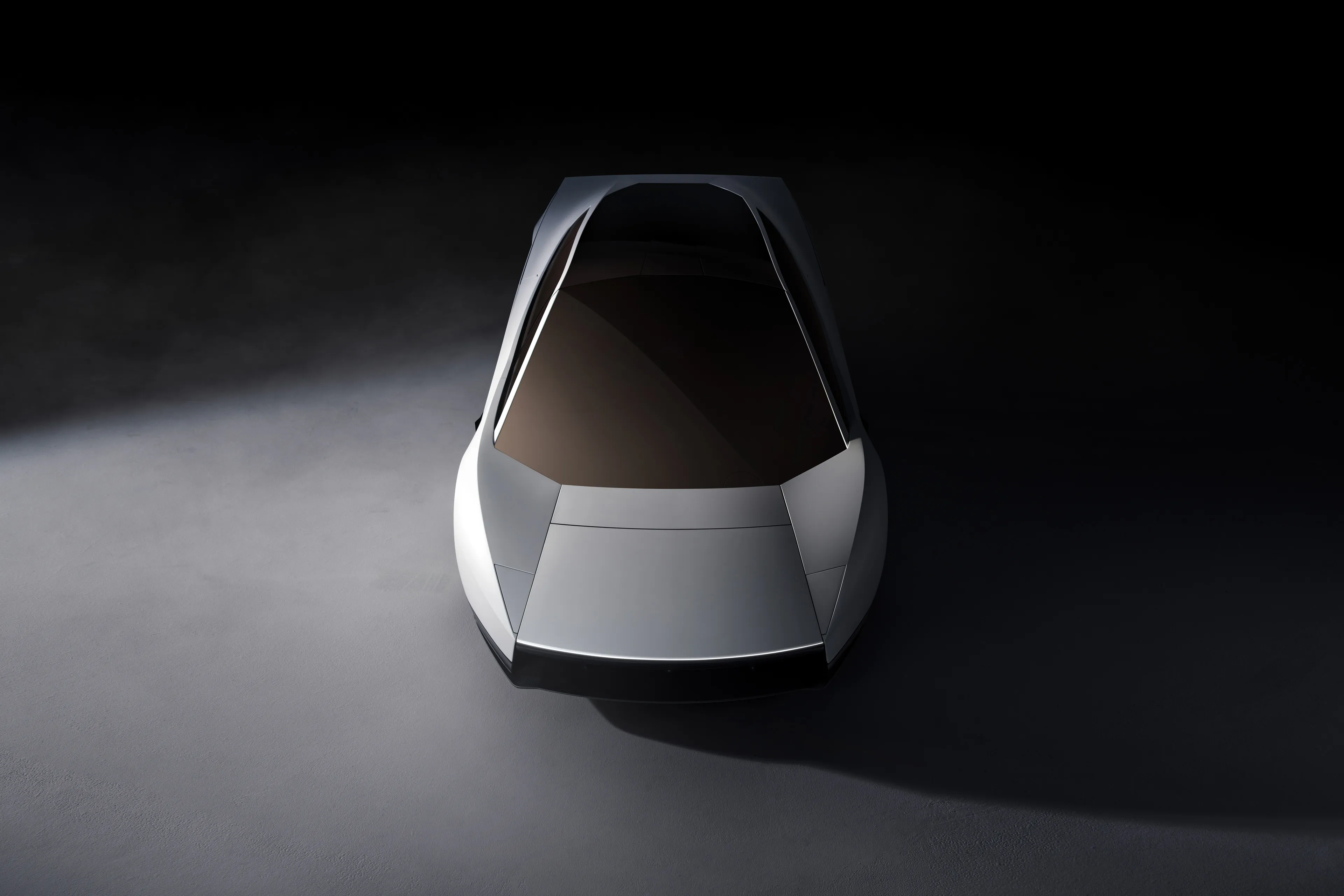
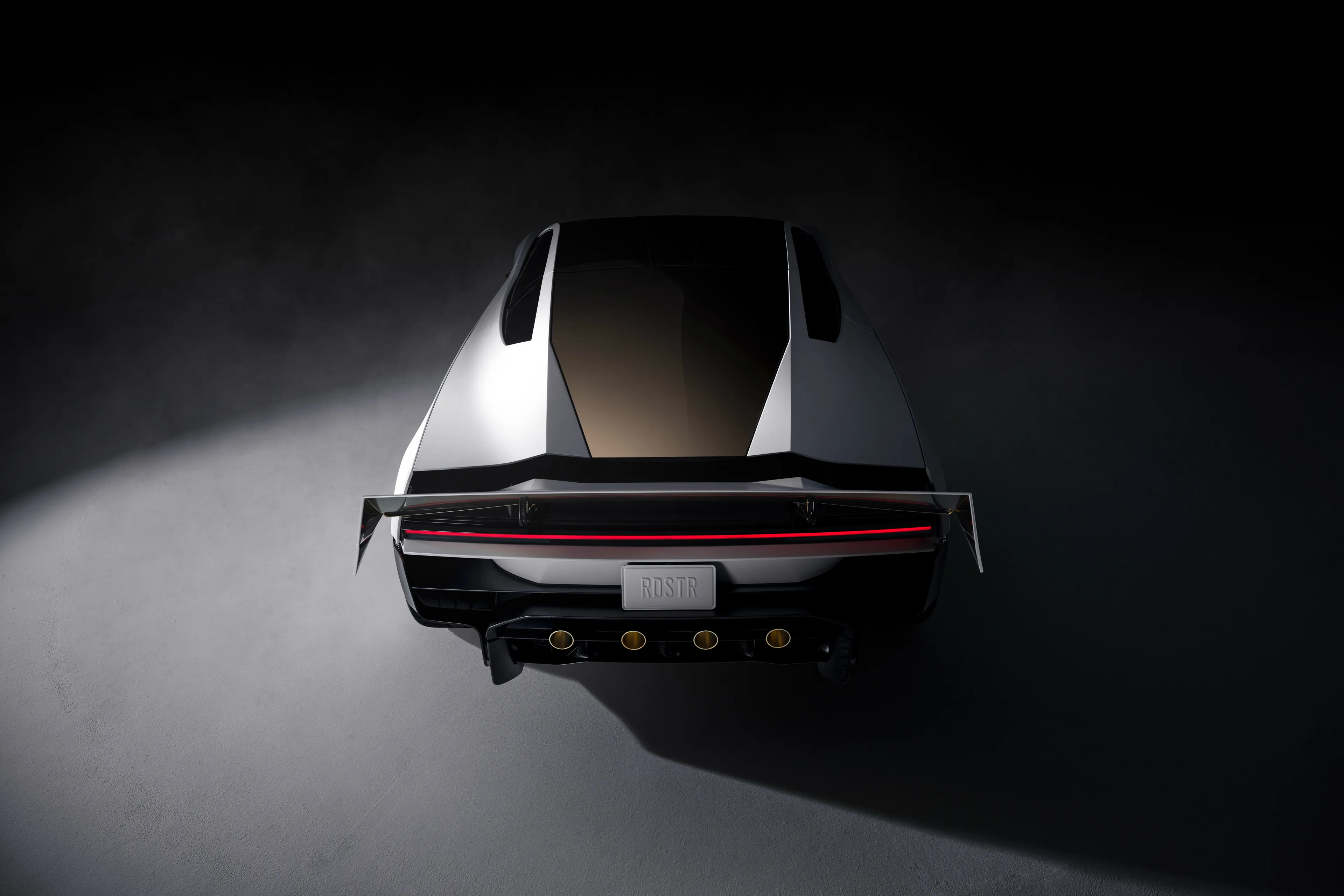
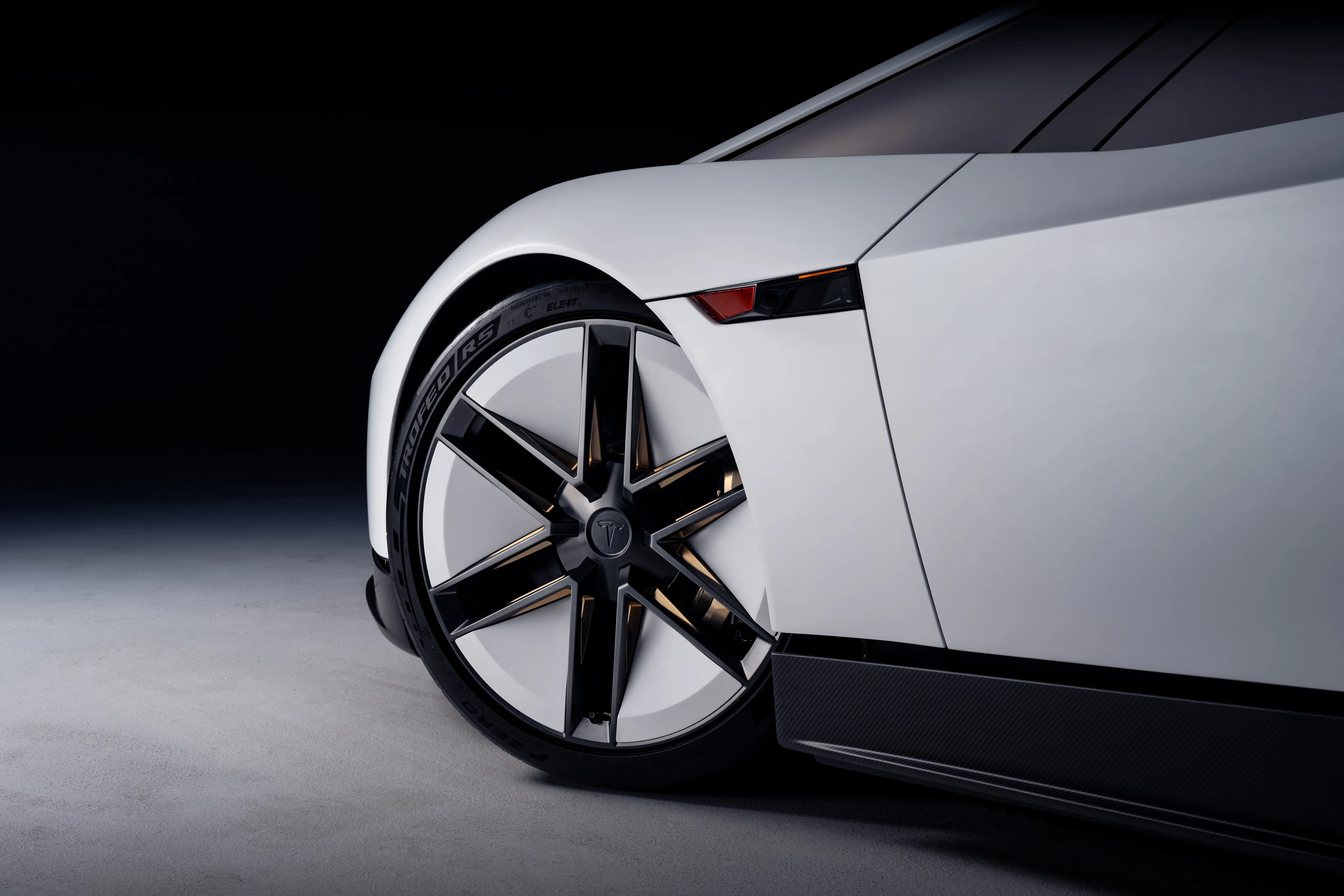
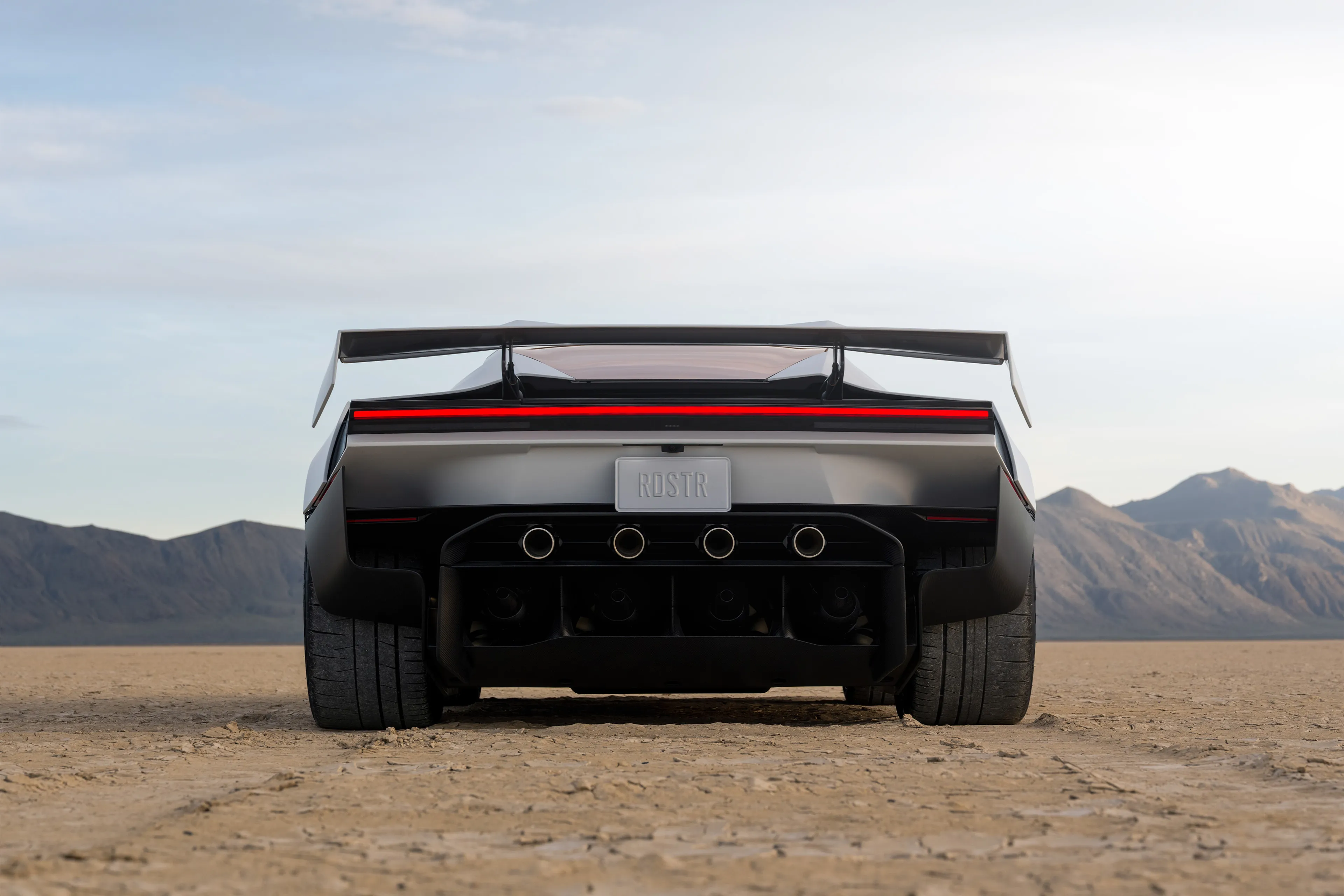
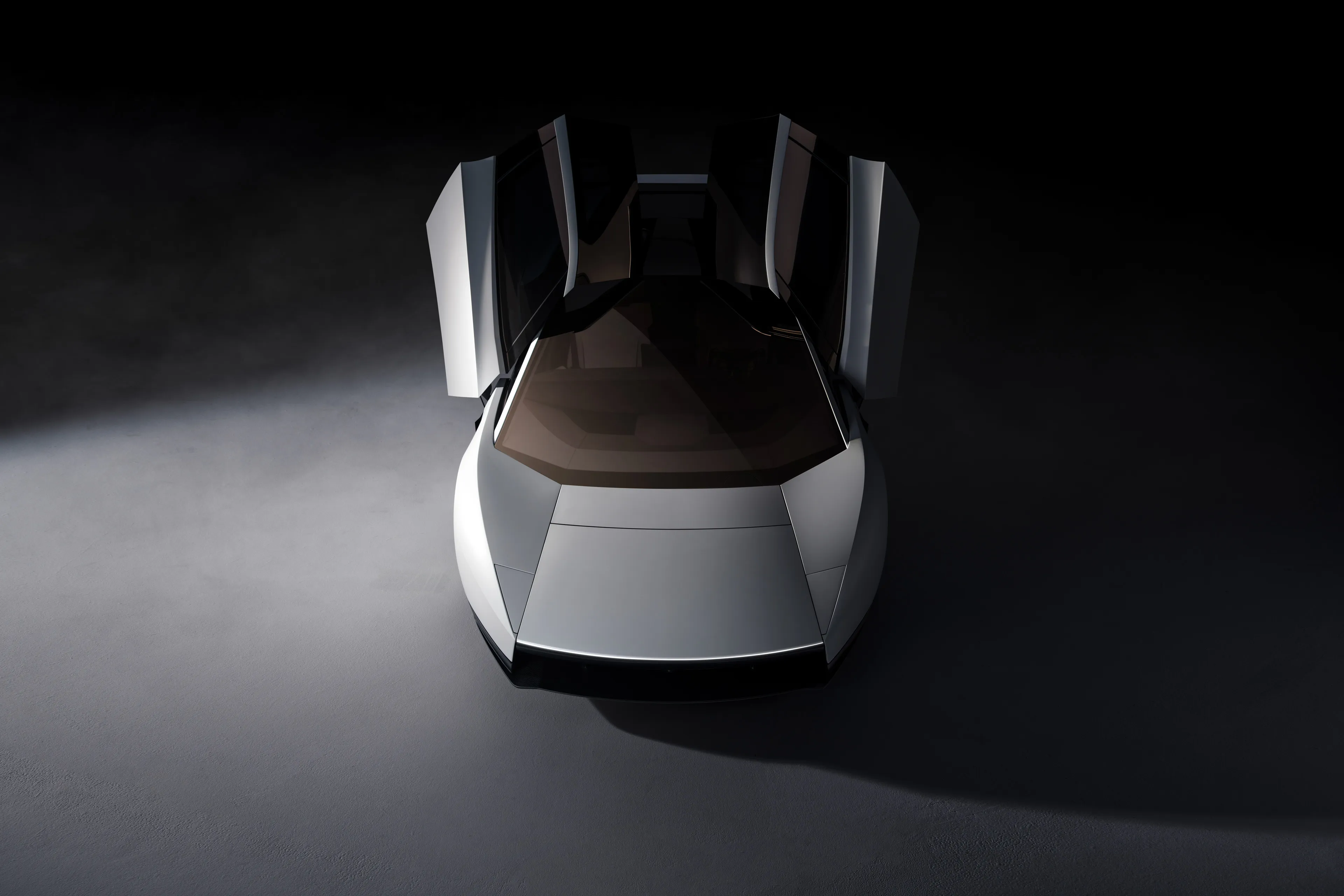
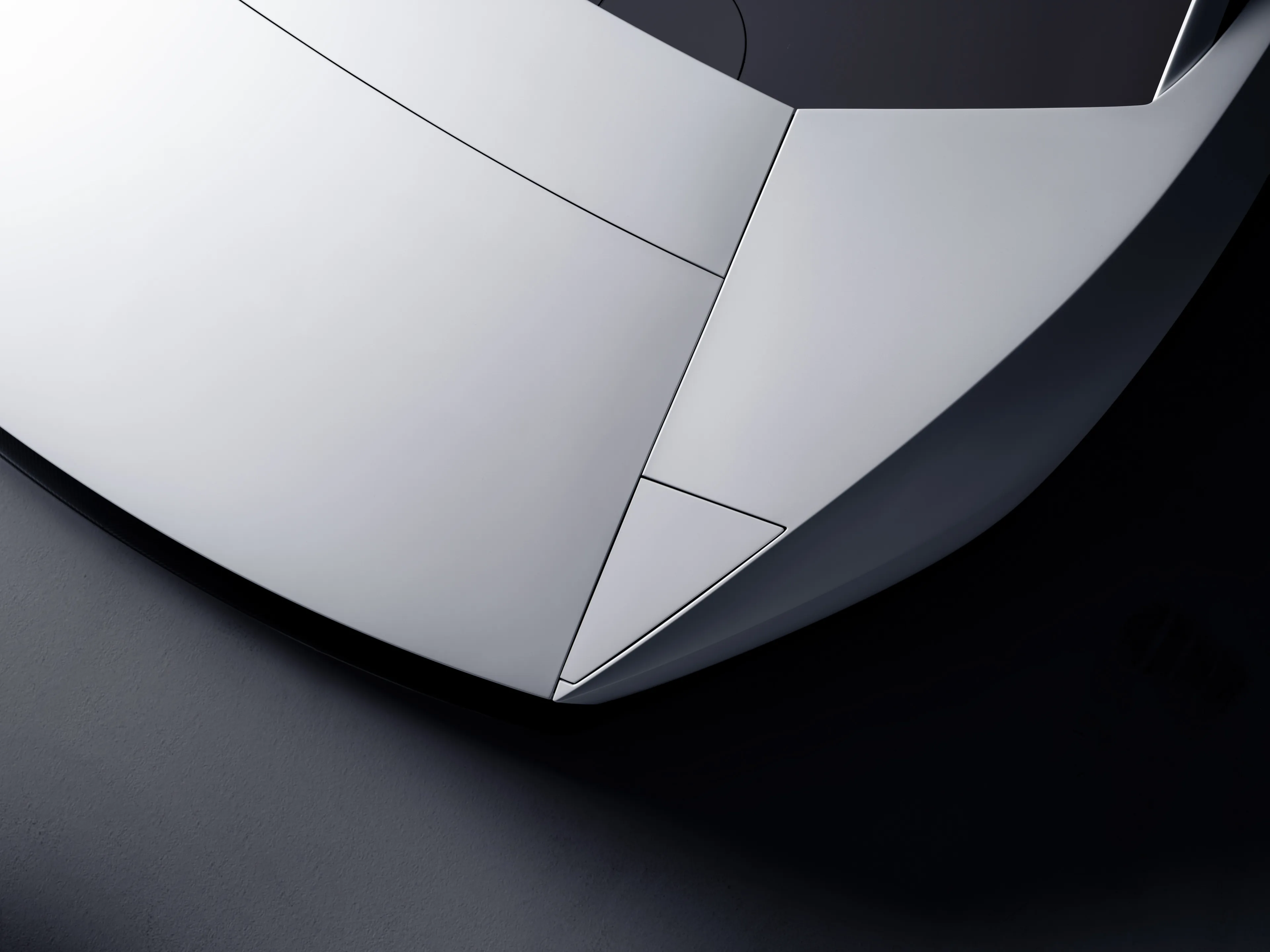
The car was shown in white with a more angular design reminiscent of the Lamborghini and the Lotus Esprit from the James Bond film “The Spy Who Loved Me” — that car, owned by Musk, was on display. Tesla said the design was inspired by the SR-71 aircraft and the F-35 fighter jet. Musk called the car “one of the last great manual-control cars” and “better than any James Bond car,” while admitting he is “not sure it will move the revenue needle much.” Earlier, on a podcast, he said: “If safety is your number one goal, don’t buy the Roadster,” adding that Tesla “aims to not kill anyone in this car.”
History of delays
The event took place nearly nine years after the first unveiling of the second-generation Roadster in 2017, when Tesla was taking deposits of $50,000 and $250,000 for 1,000 “Founders Series” units. Musk first announced the addition of thrusters in 2018. The project was delayed amid Model 3 “production hell,” followed by postponements in 2020, 2021, 2023, and 2024. Late last year, Musk promised to show the car by the end of 2025, then moved it to April 1, 2026, joking that the date would give him an “excuse” in case of another delay. An attempt to hold the event on October 1 fell through due to bad weather. The delays prompted public complaints from well-known customers, including Marques Brownlee and OpenAI CEO Sam Altman. After the presentation, Brownlee wrote: “They really went on stage and said this 4,000+ pound car can do backflips and travel at half the speed of sound and will ship in 2028. This is a prank, right?”