The key facts
- Online sales accounted for 27.3% of UK retail turnover in August versus 18.1% in August 2019 (ONS).
- Primark, which previously did not sell online even during the pandemic, is preparing to launch home delivery and has bought a warehouse in Sheffield; no launch date has been given.
- Analysts link Primark's decision to pressure from ultra-fast fashion brands like Shein and stress the importance of a simple and free returns policy.
Shoppers explain why they are moving online
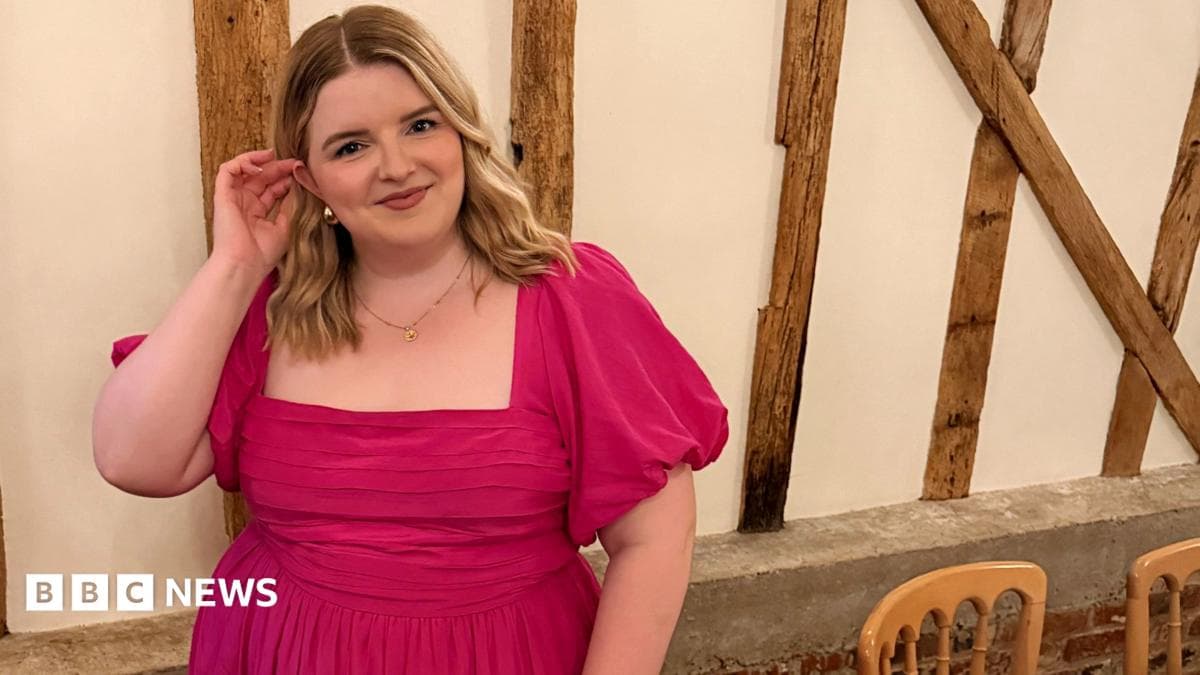
Jess Bacon, a 29-year-old journalist from Peterborough, buys all her clothes exclusively online. As a plus-size woman, she considers the size ranges in shops unreliable: 'Sizes in shops are notoriously bad, I find it quite demoralising.' According to her, the average UK woman's size is 14–16, and many 'do not feel seen'. She notes that Primark is one of the few High Street retailers where you can buy plus-size clothing (usually up to size 22), and that returning items by post is less hassle for her than returning them in store. Julia Mitchell, 32, who lives near Chichester, describes trips to clothing shops as overwhelmingly overstimulating and says she 'practically never' goes to them, choosing the best price online; she makes most of her purchases on Vinted, buying second-hand items, but she buys books only in shops on principle, which, according to her, are 'cultural and public spaces'. Sandra Davis, 61, from Sheffield, who has survived three strokes, does all her shopping online: standing in a queue for more than 10 minutes has twice caused her to faint. At the same time, waiting for deliveries is also exhausting — she worries that she will miss the postman and will have to reschedule the delivery.
Primark prepares to launch delivery
After years of refusing to trade online, Primark plans to launch home delivery in the UK. Even during the pandemic, when shops were closed, the company did not sell online; in 2022 a click-and-collect service appeared, but customers still had to travel to collect their purchases. The retailer has not named a launch date, but announced the purchase of a warehouse in Sheffield for sending goods to customers. Analysts believe the decision reflects serious pressure from ultra-fast fashion brands like Shein.
Growth of online retail and the decline of the High Street
According to the Office for National Statistics (ONS), online sales accounted for 27.3% of all retail sales in August this year versus 18.1% in August 2019 — the growth began even before the pandemic surge. Jess Bacon links this also to the decline of the High Street: in Peterborough, according to her, there is no longer a John Lewis, and 'there are not many reasons to go into the centre'.
Returns policy as the decisive factor
Retail analyst Julie Palmer is not surprised by Primark's move into delivery: the company has evidently realised that 'online sales give scale'. However, according to her, the returns policy can be called the factor that will 'make or break' the business: customers want returns to be 'free, easy and quick — a generous time frame, plenty of drop-off points and refunds within days, not weeks'. At the same time, returns are costly for retailers: some, such as Asos, have started charging for frequent returns. Palmer calls this a balancing act, since 'a fee can easily push a customer towards a competitor', and notes that most retailers charging fees keep free in-store returns — a deliberate way to bring people inside and encourage new purchases.
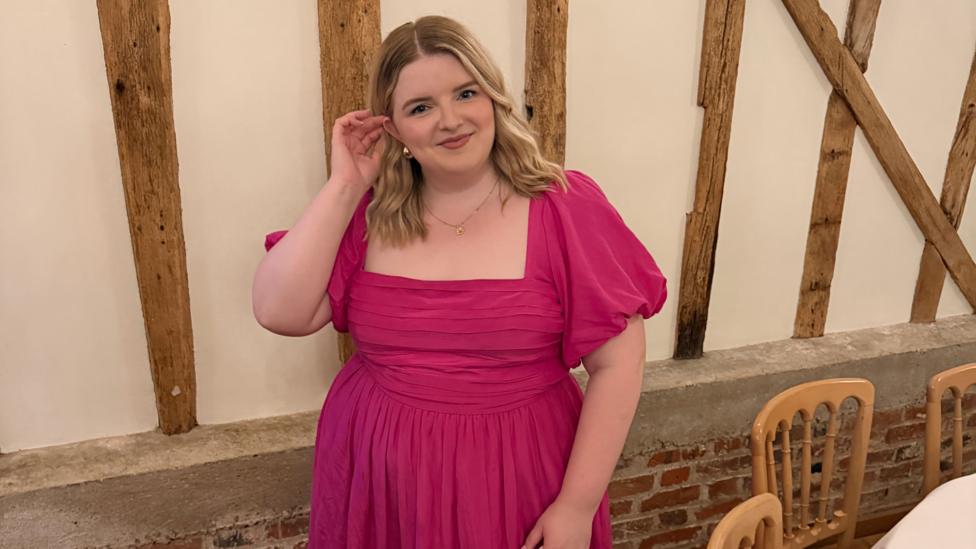 Image source, Jess Bacon
Jess says returning online purchases is less hassle than shopping in person
 Image source, Julia Mitchell
Julia does most of her shopping online, but likes going into book stores



