The key facts
- Rwanda will host a Formula 1 Grand Prix from the early 2030s; the circuit will be built in Bugesera next to Kigali airport, 60% of which is owned by Qatar Airways — an F1 sponsor.
- Human rights activists call the deal 'sportswashing' and point to Rwanda's involvement with the M23 group in DR Congo; HRW and the Human Rights Foundation report that their appeals to F1 went unanswered.
- South Africa, which hosted the last African race at Kyalami in 1993, is also bidding for the race: sports minister Gayton McKenzie said South Africa 'will get F1 even before 2030'.
Formula 1's Return to Africa
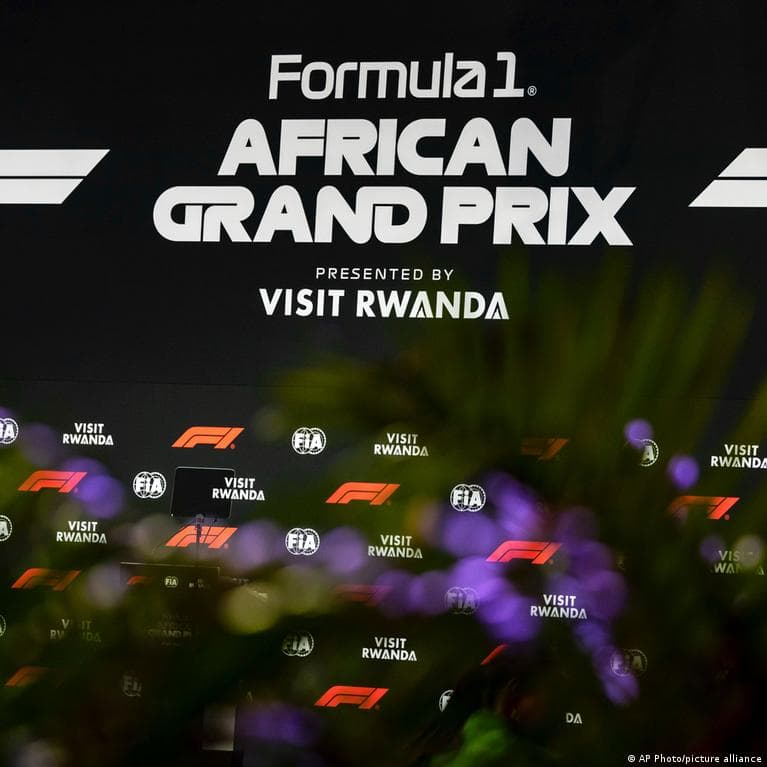
Rwanda has confirmed that it will host Formula 1 races from the early 2030s. This will be the first round of the series on the African continent since 1993, when the race was held at the Kyalami circuit in Johannesburg (South Africa). F1's history in Africa dates back to 1958, when a race took place in Morocco; many South African rounds were held against the backdrop of apartheid policies. The circuit in Rwanda will be built in the Bugesera district next to Kigali International Airport, 60% of which is owned by Qatar Airways — a sponsor of Formula 1.
Reaction and Expectations
Supporters of the deal emphasize the symbolic significance of the series' return to Africa. South African presenter Nkobile Kwesi told Sky Sports that, as an African, seeing an F1 race on the continent is a great joy for her, especially since Kyalami hosted a round before she was born. An F1 spokesperson, in a comment to The Athletic, said the race would provide an opportunity to 'inspire' more than 100 million F1 fans in Africa and that sport can be 'a positive force for good'. Deutsche Welle contacted Rwanda's ministry of sports for comment but did not receive the promised response.
Criticism: Sportswashing and Human Rights
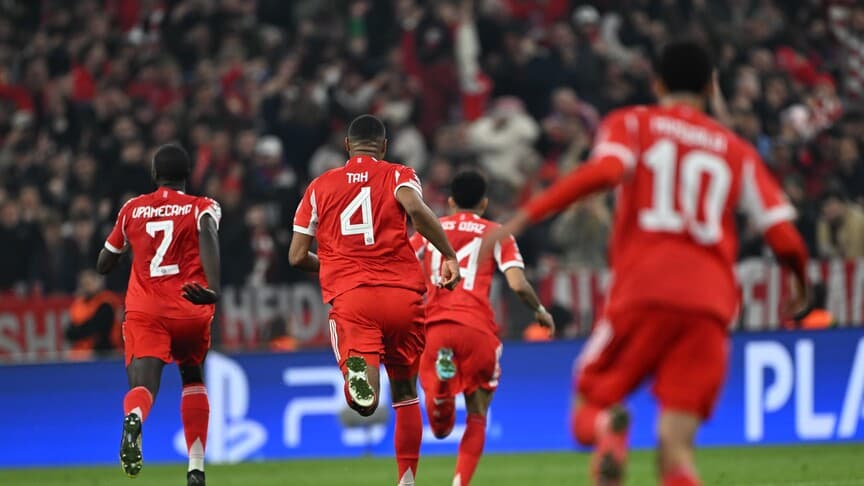
Rwandan President Paul Kagame has actively invested in sport in recent years: the country has sponsored European football and the NBA, including Bayern Munich, but due to discontent among fans and the media, the club last year abandoned the commercial element of its cooperation with the tourism organization Visit Rwanda. Critics accuse Kagame of 'sportswashing', especially given that F1 is valued at approximately $34 billion (€30 billion) according to Sportico. Lewis Mudge, Human Rights Watch's Central Africa director, told DW that the organization wrote to F1 in February 2025 asking about the impact of its activities on human rights, including Rwanda's bid for a Grand Prix, but received no reply. According to him, Rwanda 'has used high-profile sports deals to distract attention from the dismal human rights situation' and is 'the force behind the brutal M23 group' in eastern DR Congo, whose fighters are implicated in the unlawful displacement and killing of civilians. Mohamed Keita of the Human Rights Foundation called F1's return to Africa long overdue, but the choice of Rwanda 'deeply controversial': according to him, the regime is under partial US sanctions due to the military occupation of territories in eastern DR Congo and arms and finances a group implicated in rape, mass killings, forced recruitment and the looting of resources. He also noted that Rwanda consistently ranks among the UN's list of the world's 25 least developed countries.
South Africa's Claims and the Question of Legacy
Although Rwanda was the first to announce it would host the race, South Africa believes it will host a round earlier. South African President Cyril Ramaphosa congratulated Rwanda on social media, calling the contract a recognition of the capabilities of the Rwandan nation and of the entire continent. South Africa's sports minister Gayton McKenzie also congratulated Rwanda, but added that South Africa 'will get F1, even before 2030'. Holding a race in South Africa would require noticeably less time and money thanks to existing infrastructure. South African events industry expert Dr Kamilla Swart-Arries told DW in 2024 that hosting a round could contribute to the development of STEM education, technology and the expansion of opportunities for women in sport, where most executives, drivers and engineers are white men. Keita expressed hope that F1 would invest in developing African motorsport talent, adding that Rwanda 'makes no sense at the moment' unless it is about benefiting one dictator and the beauty of the hilly landscape.