The key facts
- Drought and heat cut Europe's grain harvest forecast by ~16.7 million tonnes, with farmer losses exceeding €3 billion (ECIU).
- Farmers are switching to drought-resistant crops — aromatic plants, pistachios, spelt — and restoring soil health.
- Farmers are asking for CAP reform, insurance against droughts and frosts, and a 'fair market', but not everyone agrees on expanding subsidies.
- Farmers are asking for CAP reform, insurance against droughts and frosts, and a 'fair market', but not everyone agrees with expanding subsidies.
A hard year for European agriculture
Frosts destroyed almond crops, abnormal heat disrupted tomatoes, drought withered pumpkins ahead of Halloween — it was a hard year for European agriculture. According to the Energy and Climate Intelligence Unit (ECIU) think tank, the hot and dry summer, which would have been 'practically impossible' without climate change, cut the continent's forecast grain harvest by roughly 16.7 million tonnes and cost farmers more than €3 billion. The French vegetable producers' association Légumes de France warned in July that losses in individual segments could reach 50 percent. 'After this summer, many European farmers are standing on the edge of an abyss,' says Joséphine Hertz, managing director of the European Alliance for Regenerative Agriculture (EARA). According to her, price swings — a collapse from overproduction one moment, punishment by drought the next — are handing an ever larger share of the market to a few processors and retailers, who at the same time raise prices for consumers. Supply chain disruptions added to the pressure: interruptions to shipping through the Strait of Hormuz, caused by the war against Iran, hit the fuel and fertiliser markets, while drought restricted cargo transport on several European inland waterways.
Crop diversification helps spread the risks
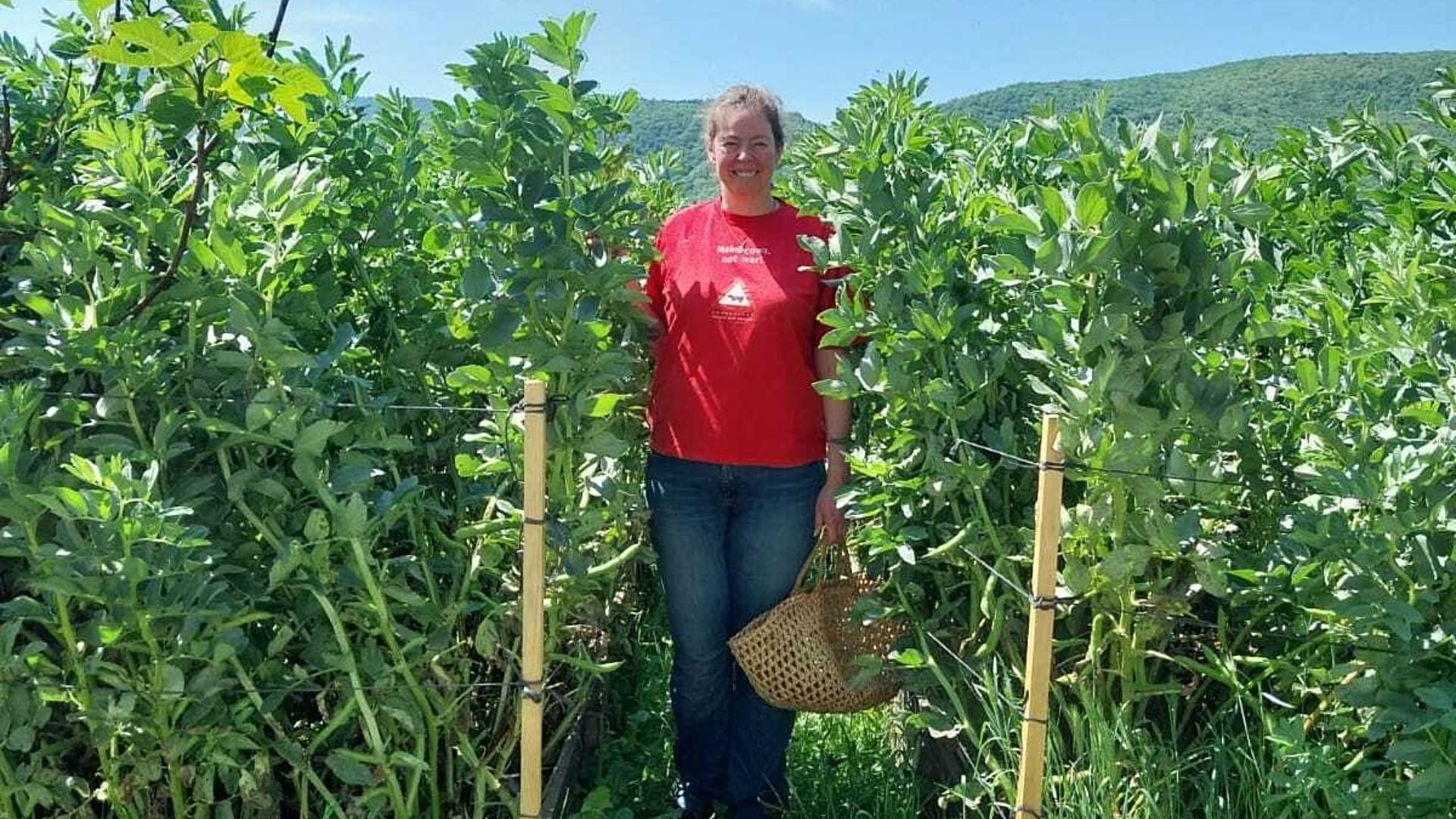
At Curly Creek Ranch in the Basque Country (Spain), tomatoes — one of the most profitable crops, selling at €7 per kilogram — stopped flowering in extreme heat. 'Imagine the length of a tomato plant: the middle third of the stem is an empty stretch with no fruit. We had never seen anything like that before,' says farmer Megan Sapp, also EARA's director of external relations. Flowering later resumed, and she hopes the season's shift to a later date will partly make up for the shortfall. Water scarcity made pumpkins smaller than usual, and corn, according to Megan, began showing signs of leaf scorch earlier than usual. The heat also exposed weaknesses in the local water supply system: the farm regularly received less than its allotted volume, and the authorities had to deliver 50,000 litres by tanker trucks. Diversification helped, though: 'For many years in a row we got not a single eggplant due to lack of heat and still planted them — just in case. This year the bet paid off: for the first time we had a huge eggplant harvest,' says Sapp. Yanniek Schoonhoven, owner of the La Junquera farm in Murcia, follows the same approach: 'Historically, our farm was heavily dependent on cereals. We gradually diversified production, looking for systems more resilient to an increasingly unpredictable climate.' Aromatic plants — rosemary, lavender, sage, oregano — are well adapted to the dry Mediterranean climate and bring in about €2,000 per hectare with costs of roughly €1,000. Pistachios yield even more — about €2,350 per hectare with comparable costs. But frost during a critical period completely destroyed the almonds at La Junquera — a loss of roughly €700–€1,050 per hectare.
The difficulties of moving away from commodity crops
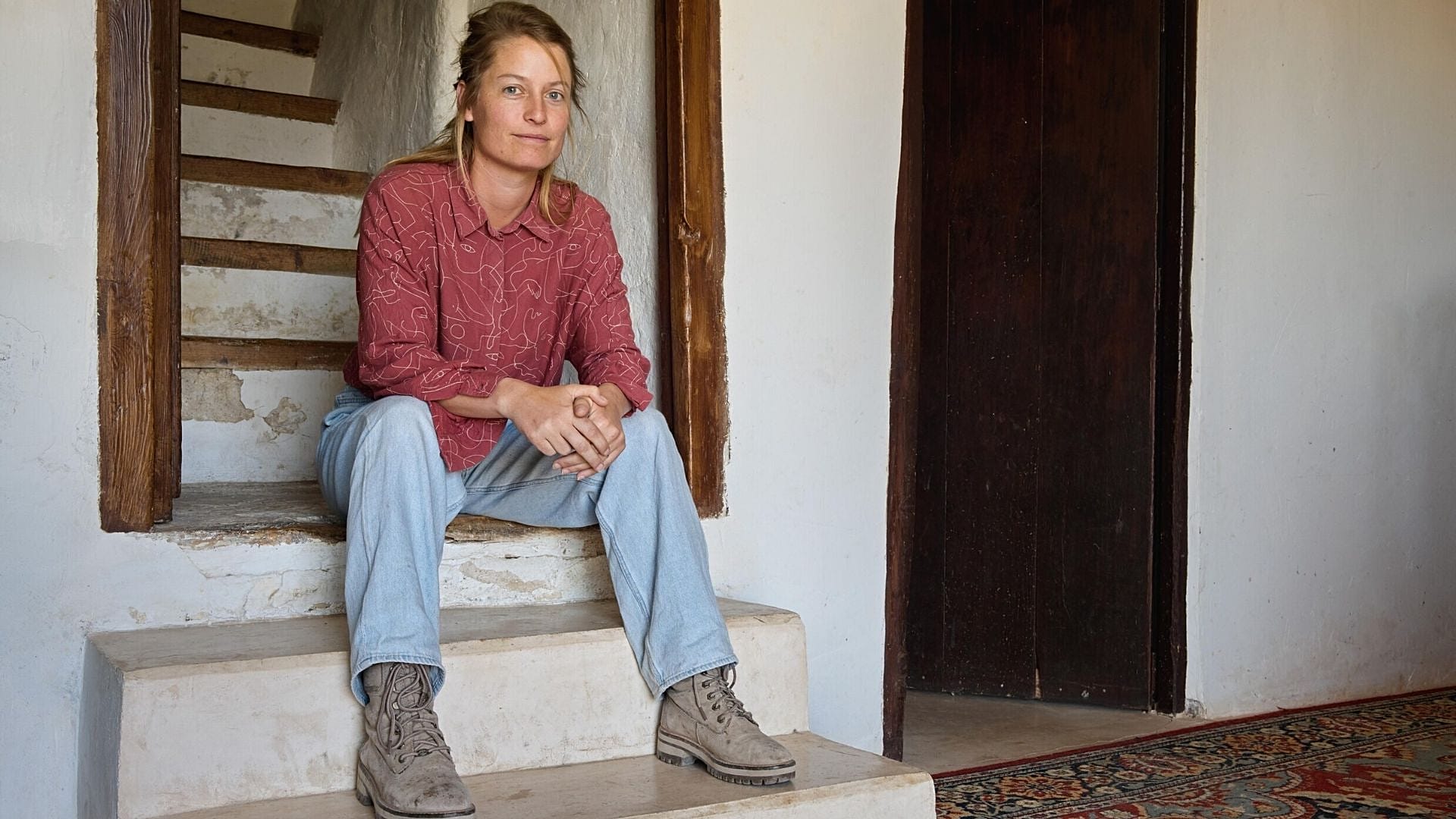
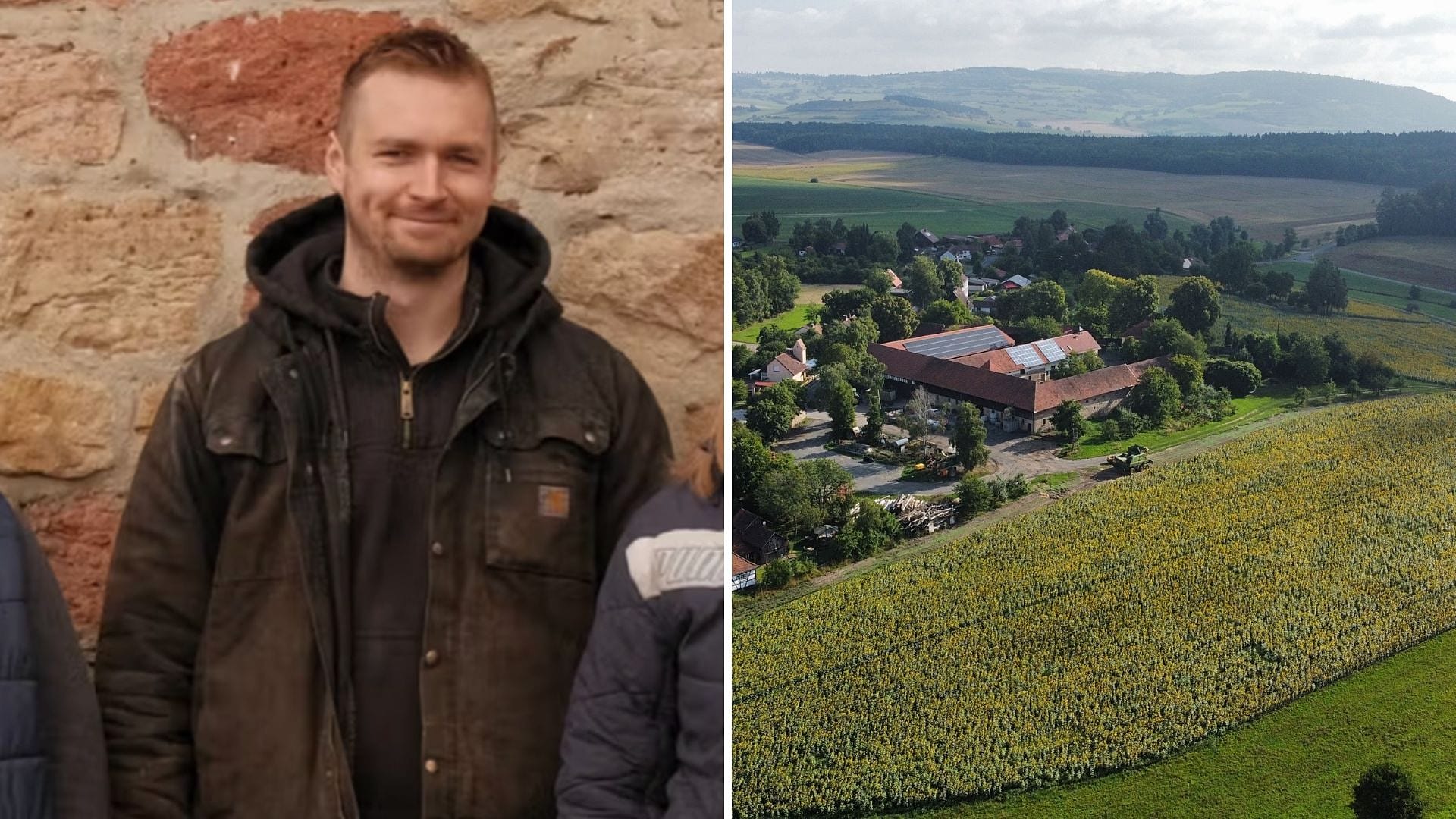
Despite the attractive profitability of drought-resistant crops, switching to them is not easy. Aromatic plants can be processed into essential oils — a product with higher added value than grain — but 'these markets require processing, investment and reliable buyers,' Schoonhoven explains. Cereals and oilseeds, by contrast, are commodity crops: standardised products are sold in bulk at global market prices, and farmers have almost no opportunity to ask for a premium for climate-risk resilience. At La Junquera, wheat brings in about €600 per hectare with costs of around €500. Subsidies also favour commodity crops: the EU's Common Agricultural Policy (CAP) pays basic support per hectare rather than per crop type or volume, so most of the funding goes to large farms, which often grow exactly such crops; the EU also intervenes if market prices fall below a set threshold. But even commodity crops are not protected from extreme weather. At Gut Weimarschmieden — a 700-hectare organic farm in Fladungen (Germany) — spring barley and winter wheat suffered from the heat, and the corn harvest came to about 17 tonnes instead of the usual 25–30, says manager Maximilian Krümm. Spelt and rapeseed fared better. Krümm is considering sowing spelt — an old wheat variety with yields 20–30 percent lower than usual at only a slightly higher price: 'Overall, we try not to grow things that give lower added value: the prices don't justify it.'
Restoring soil health
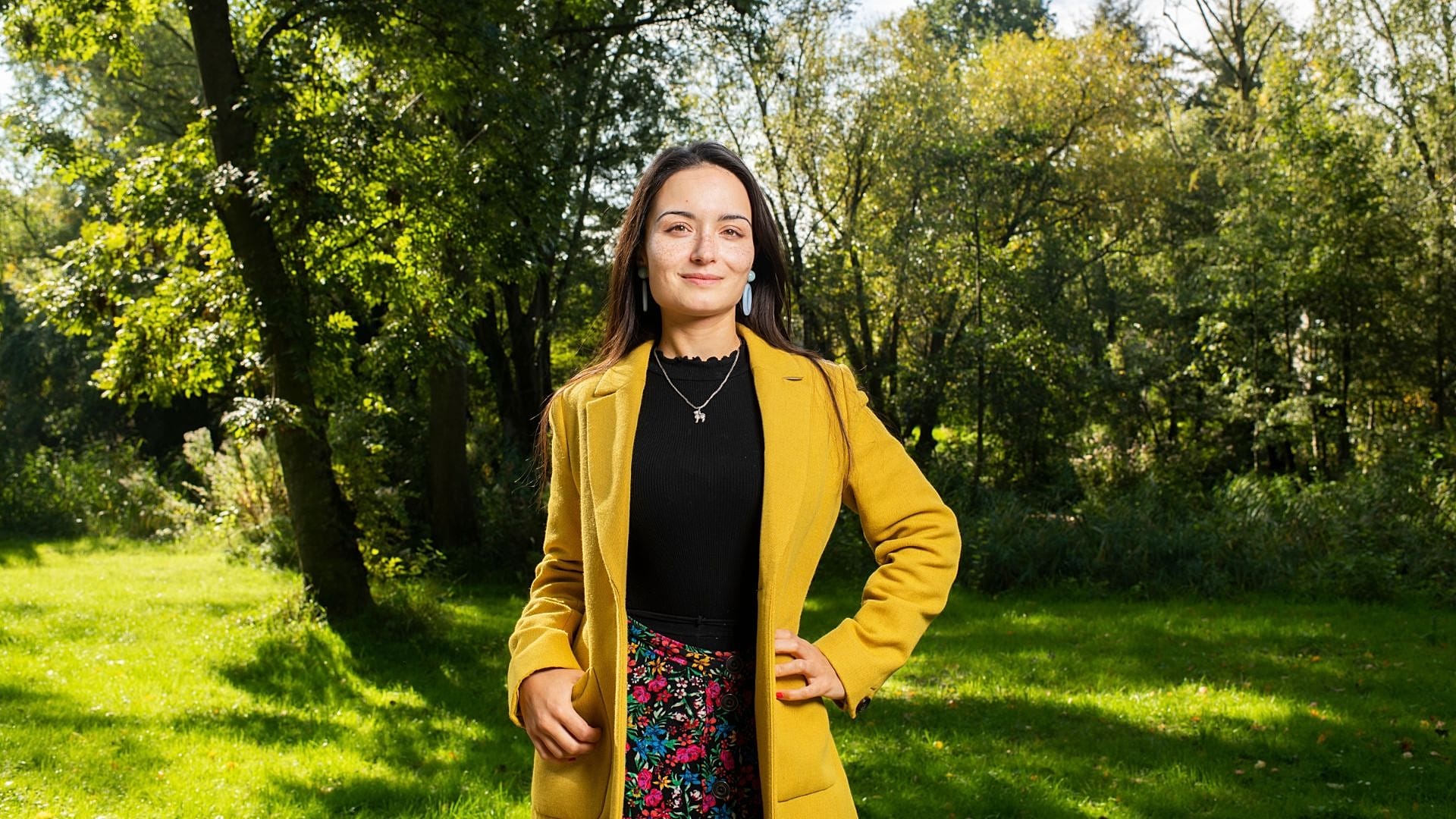
Commodity crop production usually relies on intensive methods that deplete the soil and increase emissions, including from synthetic fertilisers — and the problem cannot be solved by crop choice alone. 'A drought-resistant crop sown in dead, compacted soil with virtually no biodiversity will still suffer: there is nothing left there that could hold water when it does arrive,' explains Lily Maxwell-Lwin, head of advocacy at the international non-profit Commonland, which works with communities in more than 50 countries. 'Years of ploughing, monocultures and synthetic chemicals have turned the soil into hard, dry land with low organic carbon content... The water simply runs off, causing erosion,' adds Megan Sapp. Healthier soil, according to the interviewees, increases yields, reduces the need for expensive fertilisers and holds more moisture, softening the effects of both droughts and floods. 'We have seen degraded landscapes change within a decade: soil that used to crust over starts absorbing rain again, and slopes turn into something like a sponge,' says Maxwell-Lwin. At La Junquera, ponds, swales, vegetation cover and keyline design slow water runoff: 'For us, adapting to drought is not about finding additional water resources, but about using every drop of rain far more efficiently,' says Schoonhoven. 'If we want farmers to take the risk of switching to less productive but more climate-resilient varieties, we first need to invest in restoring the land beneath them, not just hand them a different packet of seeds,' Maxwell-Lwin stresses.
What support farmers are asking for — and not everyone agrees
The CAP subsidy scheme rewards regenerative practices — crop rotation, cover crops, growing legumes — but farmers still mostly bear the costs of implementing them themselves. 'We need policies that make adaptation less risky for farmers,' says Schoonhoven, listing improved insurance against droughts and frosts and financial support for the years needed for perennial crops to become established as priorities. Megan Sapp calls on regional politicians to quickly allocate funds for the transition to regenerative land management — through advisory services, insurance during the transformation period and joint investment in equipment. Joséphine Hertz notes that EARA farmers receive equal il
Details
and better harvests with less water and fewer resources, but 'neither the market nor the CAP pays for the resilience created', and he calls for 'a fair market and a CAP that pays for outcomes, not just for practices and hectares'. One of the alliance's farmers, Gunnar Telin of the five-hectare Västra Gatugård farm in Vederslöv (Sweden), proposes a scheme: satellite measurements over the season would verify that the photosynthesis level is above regionally agreed values, and that the area of bare ground and soil temperature are below thresholds; meet the criteria — you receive CAP money. 'That is the incentive to switch to regenerative practices,' he says. Not everyone shares this approach: Maximilian Krimm admits he is 'not a big fan of subsidies' and believes farmers should adapt through regenerative farming, and that a price rise alone is not enough to solve the underlying problem. For many, the missing element remains a fair market: 'Growing a drought-resistant crop is only half the solution. Farmers also need a market that pays enough to make growing it worthwhile,' says Schonhoven. Without this, Herz warns, 'Europe is losing hundreds of farms a day — precisely the farms that hold the key to its regeneration in their hands.'