The key facts
- The Australian bill would require platforms to give users the ability to turn off recommendation algorithms; fines — up to 100 million Australian dollars
- Chanel Contos's 'Fix Our Feeds' campaign gathered more than 15,000 signatures and the support of two former prime ministers
- Criticism from right-wing parties and the Trump administration; major tech companies refrained from public statements
The essence of the reform
The government of Prime Minister Anthony Albanese has introduced the Digital Duty of Care bill to the Australian parliament. Its central measure is an 'algorithm switch': social media platforms would have to allow users to turn off recommended content and see only posts from accounts they follow. The law also introduces a duty of care for online services — social media, gaming platforms, chatbots and others: they must ensure a safe online environment 'as far as reasonably practicable'. Children are to be protected from 'harmful' materials and design decisions — for example, pornography and content encouraging eating disorders or negative attitudes towards women; adults — from a narrower list of 'seriously harmful' unlawful materials. Fines for violations could reach 100 million Australian dollars (about 52 million pounds or 70 million US dollars). 'This is not about giving control to the government, it is about giving control to the people,' Albanese said. Communications Minister Anika Wells told the BBC that the law 'shifts the burden of responsibility from victims to big tech operators'.
Personal stories
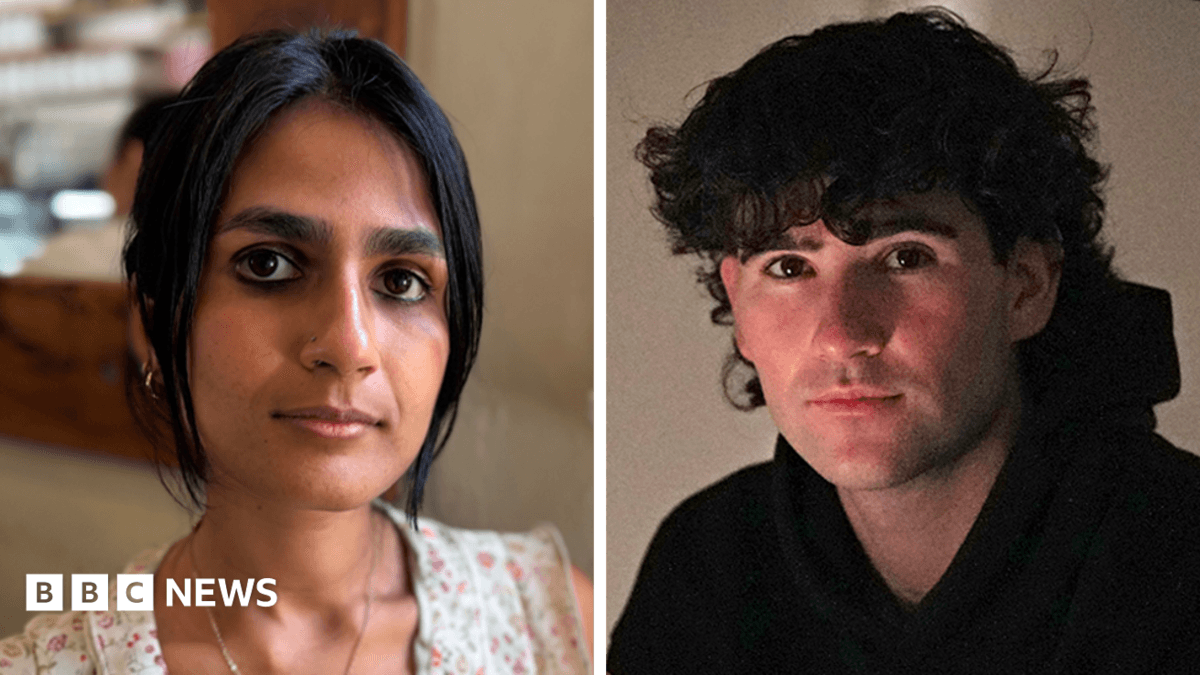
The BBC cites the stories of people whose experiences underpinned the reform. Varsha Yajman, now 24 and recovering from anorexia, said that from the age of 13 her feed was filled with workout videos and 'calorie challenges'; she says that even now, with safety settings and a list of banned words enabled, she still receives weight-loss content. Flynn Martin from Melbourne said that about four years ago his feeds were flooded with Andrew Tate and other figures of the 'manosphere'; he became absorbed in that rhetoric, went viral in Australia with two provocative videos, and left the 'manosphere' after a psychotic episode and hospitalisation; he was later diagnosed with bipolar disorder. Both note that social media is not the sole cause, but a significant factor.
The 'Fix Our Feeds' campaign
Activist Chanel Contos, founder of the Teach Us Consent website and a participant in the reform of sex education in Australia, launched the 'Fix Our Feeds' campaign, which demanded that recommendation algorithms be turned off by default with the option of voluntary re-enabling. More than 15,000 people signed the petition; it was supported by two former prime ministers, a number of MPs, and mental health and online safety experts. In September the government announced its version of the proposal — without the default-off requirement. Contos now intends to take the campaign global, counting on alignment between Canada, the UK and Australia on online safety issues.
Reaction and criticism
Meta, Snap, TikTok, X and Google (owner of YouTube) declined to comment to the BBC on the bill. Instagram head Adam Mosseri said at a press briefing in Sydney that feeds without algorithms would mean fewer posts from friends, and that he does not consider the app clinically addictive — although, as the BBC notes, an American jury recently reached a different verdict. Australia's right-wing parties and the Trump administration said the reforms risk excessive moderation and censorship. Wells countered that adults would be able to listen to 'manosphere' podcasts, criticise the government, make memes and deny the Moon landing without restrictions.
Implementation challenges
An open question is Australia's ability to enforce the law: surveys show that most children who used social media before the ban on minors continue to use it, and no fines have yet been issued. The EU's 2023 experience serves as a cautionary tale: platforms introduced 'following-only' feeds, but according to the companies, usage of such features is low. Researcher Chris Zomer of the ARC Centre of Excellence for the Digital Child wrote in The Conversation that platforms implement the requirements 'clumsily', and users are left with the algorithmic feed by default. On Instagram, when the algorithm is turned off, direct messages, profile and settings are unavailable, and after leaving the app the feed becomes algorithmic again. The exception is the Netherlands, where, following a court ruling in a Meta case over violation of the EU Digital Services Act (the appeal was lost in March), users retain the choice of home feed. The Australian rules are not yet final, but the government requires that 'following-only' feeds not be less functional, that algorithm settings be 'obvious' and not change without the user's 'explicit choice'.
User sentiment
A survey earlier this month showed that two-thirds of Generation Z would keep their algorithms, while almost half of Australians overall would turn them off. Yajman and Martin themselves are sceptical: Yajman doubts Australia can 'out-argue' big tech, and Martin urges lawmakers to be 'realistic' about the switch's potential. Nevertheless, Yajman values the very possibility of choice: 'Knowing that on a bad day I can switch off makes me feel really good.'
 Image source, Tiffanie Turnbull / BBC
Varsha Yajman says social media aggravated her eating disorder
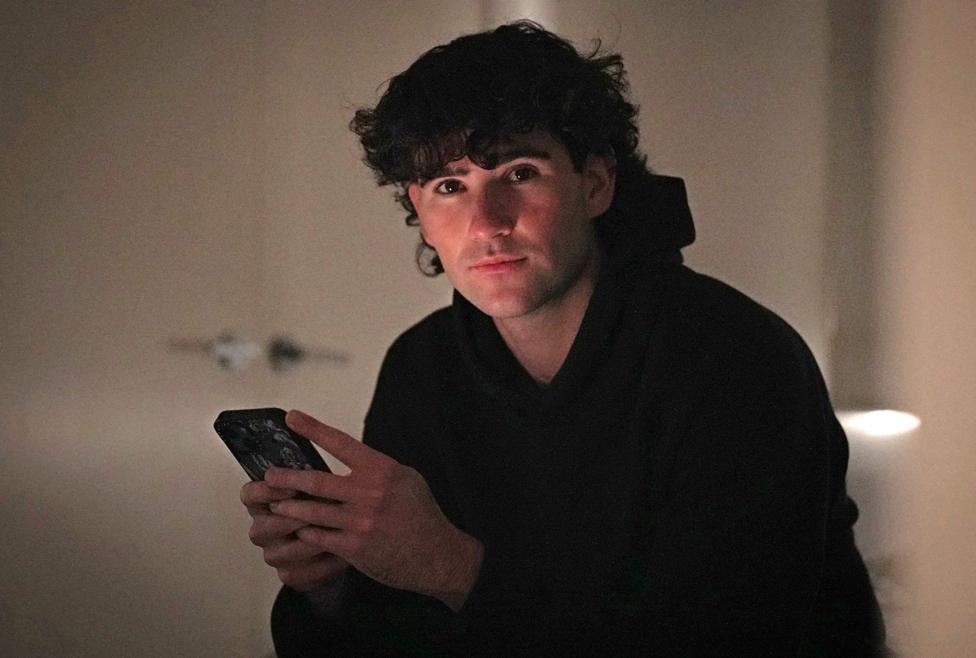 Image source, Daniel Fermer / ABC News
Flynn Martin says he's still finding a healthy balance with social media
 Image source, Cordelia Hsu/Reuters
Consent education campaigner Chanel Contos lobbied the government for change after founding the Teach Us Consent website in 2021
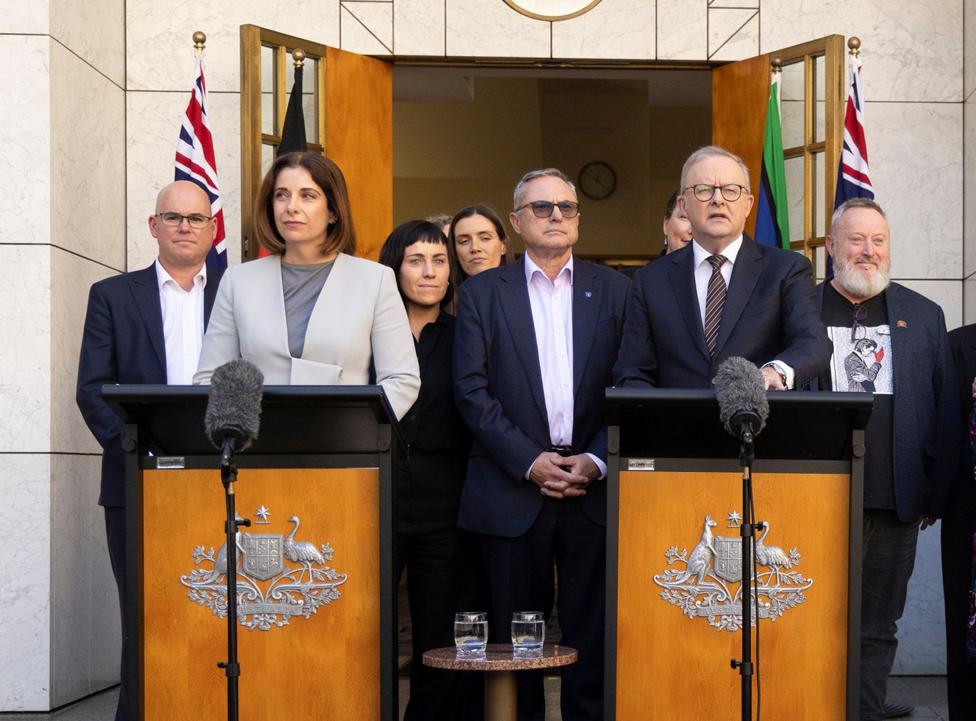 Image source, Hilary Wardhaugh/Getty Images
Communications Minister Anika Wells (left podium) and Australian PM Anthony Albanese (right podium) announcing the upcoming Digital Duty of Care bill
 Image source, Jason Henry/Bloomberg via Getty Images
Instagram chief Adam Mosseri argues recommender algorithms are essential to user enjoyment
 Image source, Getty Images
Australian regulators are investigating potential breaches of the social media ban
 Image source, Benjamin Fanjoy/Bloomberg via Getty Images
Meta lost an appeal against the Dutch court's ruling in March, meaning users in the Netherlands retain choice over their home feeds


