The key facts
- The pipeline explosion occurred on October 13 near the village of Volchkovo in Penza region; the flame reached about 70 meters, there were no casualties
- Uzbek agencies assure that gas supplies are proceeding on schedule under the intergovernmental agreement
- In eight months of 2026, gas imports from Russia and Turkmenistan grew by 15.2% to $1.21 billion
Uzbek authorities: gas supplies are not disrupted
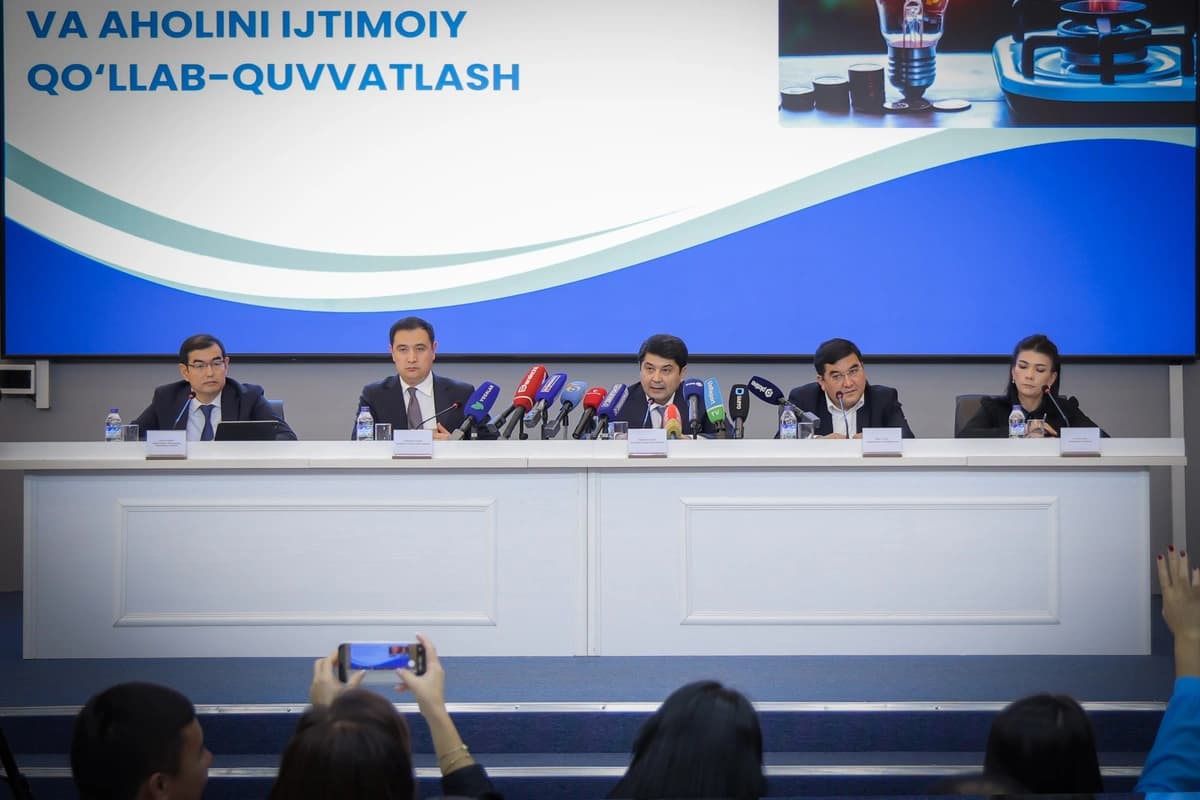
Gas supplies to Uzbekistan continue in accordance with contractual obligations, despite the explosion on the Central Asia–Center trunk gas pipeline in Russia. This was announced on October 14 at a press conference dedicated to the energy tariff reform by representatives of the Ministry of Energy and the Ministry of Economy and Finance. A representative of the Ministry of Energy stated that there is an intergovernmental agreement with Russia, under which all parties fulfill their obligations in a timely manner. Khurshid Mustafayev, Deputy Minister of Economy and Finance overseeing the oil and gas sector, also noted that 'there are no problems with this': 'Supplies are carried out in a timely manner in accordance with the terms of the contract concluded between the two companies.'
Explosion on the gas pipeline
On October 13, Kommersant reported an explosion on the gas pipeline near the village of Volchkovo in Russia's Penza region. After the incident, intense flaring began, with the height of the fire column reaching about 70 meters. According to the authorities, the pipeline was promptly shut off. No information about deaths or injuries was received. The Central Asia–Center gas pipeline is part of a transport system about 5,000 km long, connecting the fields of Turkmenistan, Uzbekistan and Kazakhstan with Russia and European consumers.
Gas import dynamics
In eight months of 2026, imports of natural gas from Russia and Turkmenistan grew by 15.2% compared to the same period last year and amounted to $1.21 billion. Of this amount, $124.3 million accounted for liquefied gas (propane), purchases of which increased 3.5-fold. In August, imports of natural and liquefied gas in monetary terms amounted to $206.1 million after dropping to $38.3 million in July. Earlier, Spot reported that from November 1, liquefied gas for citizens may rise in price 2.5-fold — up to 5,000 sums per kilogram.