The key facts
- About 50% of British sports fans admit to illegally watching paid broadcasts; among 18–34-year-olds it is more than 70% (Ampere Analysis)
- The damage to the industry is estimated at £700 million a year (WPI Economics); in the summer of 2026 the first major sentences were handed down to organisers of pirate streams
- The 2026 Champions League final was behind a paywall for the first time in 30+ years (£4.99); 3.7 million IP addresses watched it illegally versus ~7 million legal viewers
The paid sport model under pressure
The paid model of showing sport in Great Britain took shape in the early 1990s, when the newly created Premier League signed its first contract with Sky — more than £300 million for five years of rights, which for the first time put live top-flight football behind a paywall. The model proved profitable and was copied by other sports. Today the Premier League sells domestic rights for £6.7 billion over four years, with foreign rights bringing in almost as much. However, according to the consultancy Ampere Analysis, about half of sports fans in Britain admit to watching paid content by 'alternative' means. Ampere researcher Daniel Monaghan specifies: among 18–34-year-olds more than 70% do so, among 35–44-year-olds more than half, and among 45–64-year-olds about a third.
Summer wave of punishments
In the summer of 2026 there were signs of a crackdown on piracy. In August, a resident of Lancashire was sentenced to six and a half years in prison for an illegal streaming service that, according to police, brought in almost £1 million in illegal profits. In June, a postman from Pembrokeshire received more than three years for selling illegal subscriptions and pirate software to almost 2,000 people. A third defendant from Merseyside received a suspended sentence of 32 months in August. A number of pubs were fined thousands of pounds for illegally showing matches.
The Champions League final and politicians' reaction
The 2026 Champions League final (won by Paris Saint-Germain) was behind a paywall in Great Britain for the first time in more than 30 years — the minimum price to watch was £4.99. This drew criticism, including from the then prime minister and Arsenal fan Sir Keir Starmer, who wrote on X: 'Hardworking people should not have to pay for a subscription to watch this match.' According to research by the consultancy Gaming Compliance International for The Guardian, 3.7 million IP addresses in Great Britain watched the match via illegal streams, while about 7 million people watched it legally.
Why viewers turn to piracy
A tech-sector worker interviewed by the BBC under the pseudonym 'Kieran' explains his habits by the financial side, ease of access and the famous 'blackout' — the ban on live broadcasts of matches on Saturdays from 14:45 to 17:15, in place for decades to protect lower-league attendance. A full set of legal subscriptions (Sky Sports, TNT Sports, Premier Sports, DAZN) can cost a fan £80–100 a month. According to Sports Industry Group, 58% of fans surveyed consider illegal streaming socially acceptable. The government's Intellectual Property Office notes that the main driver of illegal access is the perception of legal services' prices as unfairly high. Illegal viewing options include stream links from social media, 'jailbroken' devices such as the Amazon Fire Stick, and VPNs that make one appear to be a user from another country with cheaper or free access.
Economic consequences
According to a WPI Economics report, illegal sports streaming costs the broadcasting industry about £700 million a year. Sky and TNT Sports have reported losses; advertising is falling, and viewers are moving away from long-term subscriptions to flexible streaming platforms. DAZN's head of global rights Tom Barrows called piracy 'a huge problem' and 'almost a crisis for the sports rights industry'. Shortly afterwards, DAZN terminated its contract with the French league, paying, according to reports, €100 million for the termination plus €140 million in rights debts. The league's broadcasting revenue fell from about €700 million a year to €412 million this season (football-finance.com). The club Angers SCO said the conflict cost it €30 million over two seasons and forced it to sell striker Esteban Lepaul. Kieran Maguire, associate professor of football finance at the University of Liverpool, notes that broadcasters are losing money and piracy is eating an ever larger share of expected subscription revenues. Monaghan considers piracy 'at the very least a significant constraint' on the sports-rights models of the last 30 years: at best it will slow growth, at worst it will lead to falling revenues, including the £1.6 billion the Premier League directed to football from the grassroots level over the three years to 2025.
The fight: education or punishment
Hundreds of thousands of illegal streams are blocked every year, but, according to Monaghan, this resembles 'whack-a-mole': some sites are shut down, others appear, often in other countries. Nick Sumner, investigations manager at the industry-funded Federation Against Copyright Theft (Fact), stresses that organised crime stands behind piracy, collecting users' personal data for sale, and that the priority now is education, but he did not rule out more punitive measures in the future: 'Crimes are being committed here.' The likelihood of prosecuting viewers themselves is extremely low, but a mass campaign against them would be difficult and could cause discontent — with no guarantee that illegal viewers would buy legal subscriptions tomorrow.
 Image source, Getty Images

 Image source, Rico Brouwer/Soccrates/Getty Images
This year's Champions League final - won by Paris Saint-Germain - sparked an argument about TV viewing rights
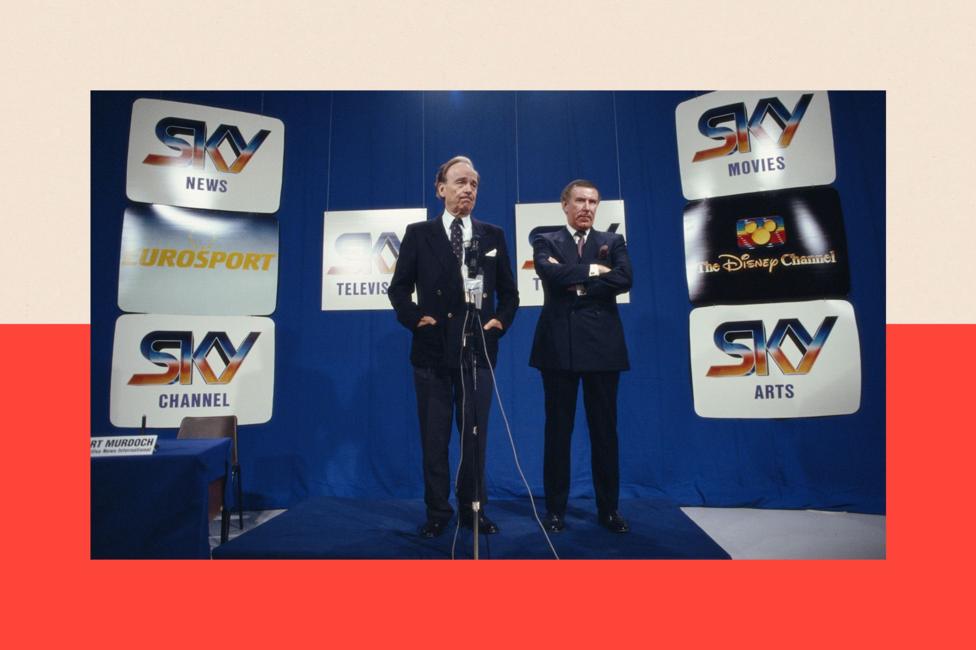 Image source, Georges De Keerle/Getty Images)
Rupert Murdoch (left) launched Sky TV with the broadcaster Andrew Neil in 1989. It went on to transform Britain's sports-watching landscape
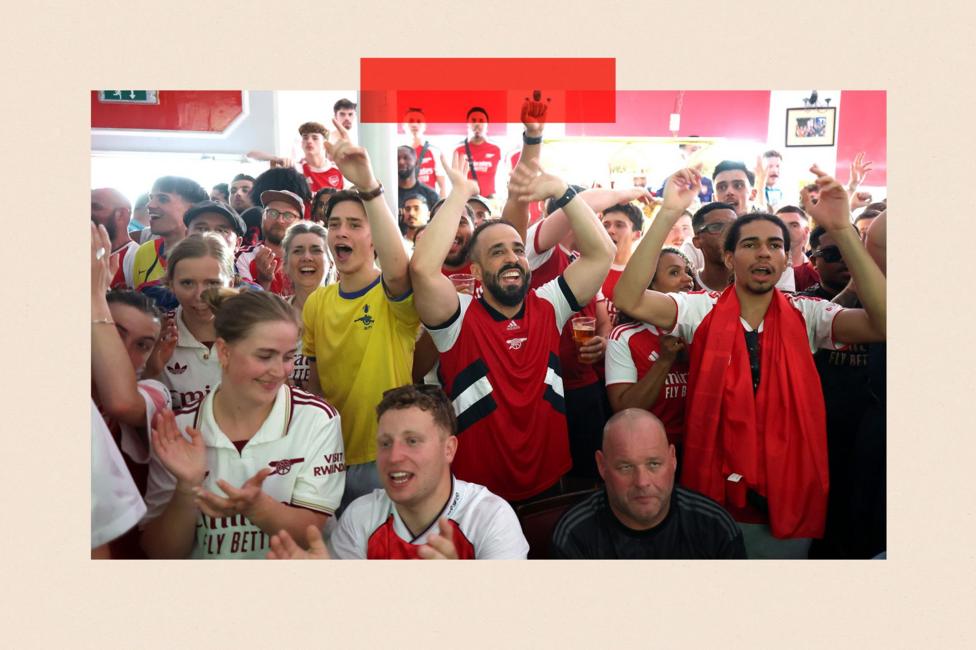 Image source, Alex Pantling/Getty Images
Many fans watched this year's Champions League final legally at pubs - but at home, 3.7 million IP addresses accessed illegal streams of the match, according to one analysis
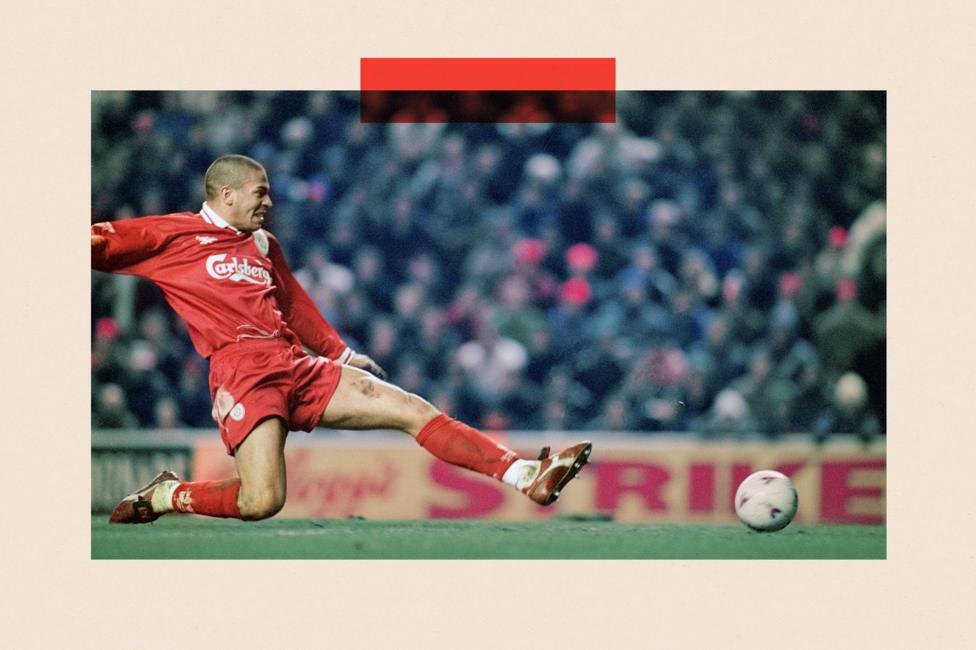 Image source, Clive Brunskill/Getty Images
Stan Collymore's transfer from Nottingham Forest to Liverpool, for £8.5m, set a British record in 1995
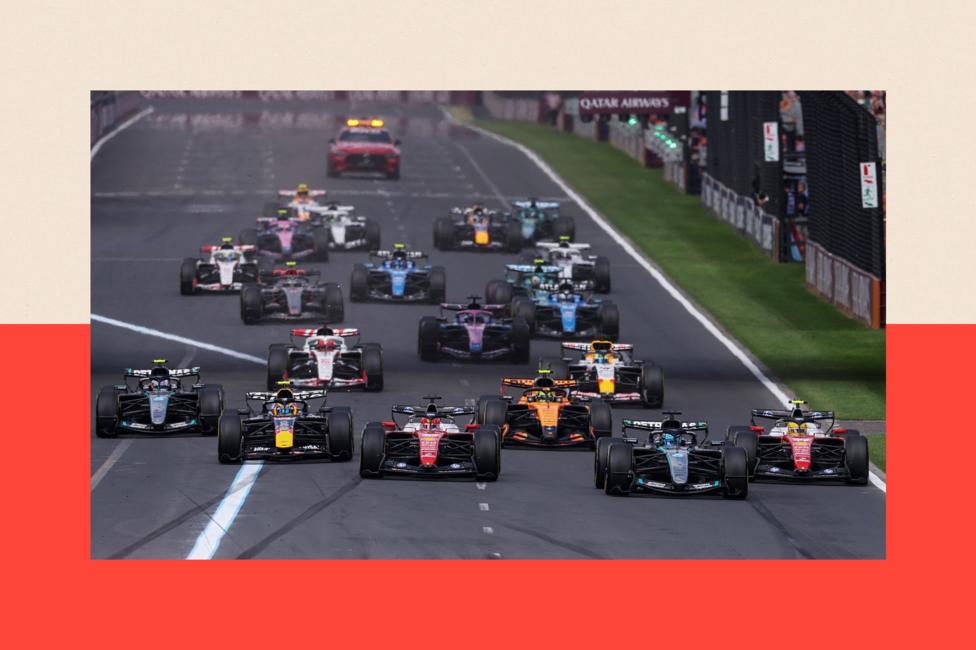 Image source, Lars Baron/Getty Images
Formula 1 is another sport that's been able to command high fees for selling exclusive TV viewing rights
 Image source, Damien Meyer / AFP via Getty Images
The French club Angers SCO was forced to sell its striker Estéban Lepaul last year



