The key facts
- EU budget talks deadlocked: Costa is preparing a compromise text ahead of the 26 November summit
- EU budget talks deadlocked: Costa is preparing a compromise text ahead of the November 26 summit
- Italy and the Visegrad Group demand postponing the ETS2 carbon market until 2030
- Zelensky arrived in Brussels: Ukraine, according to CNN, has run out of Patriot interceptor missiles
- Zelensky arrived in Brussels: Ukraine, according to CNN, has exhausted interceptor missiles for Patriot systems
Budget talks deadlocked
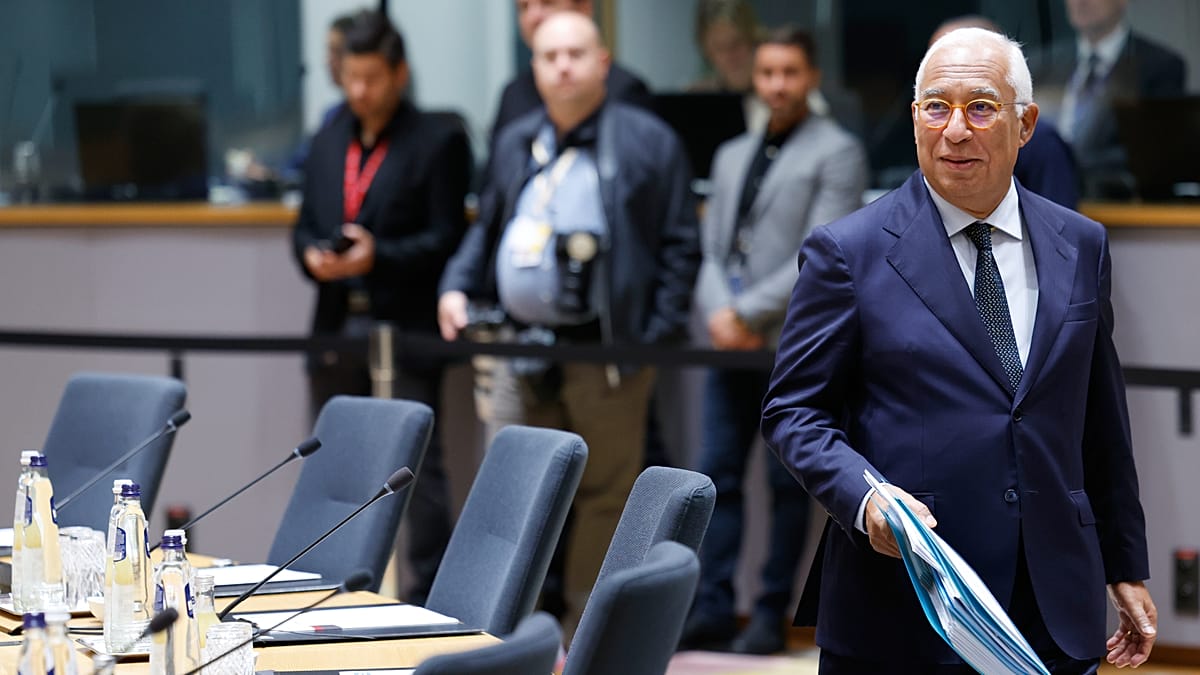
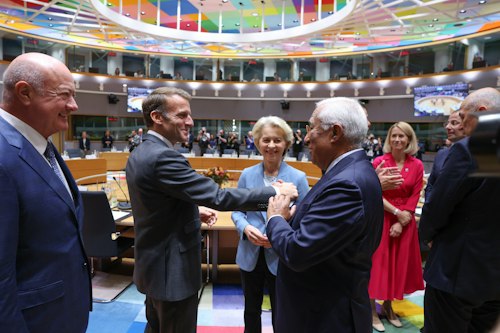
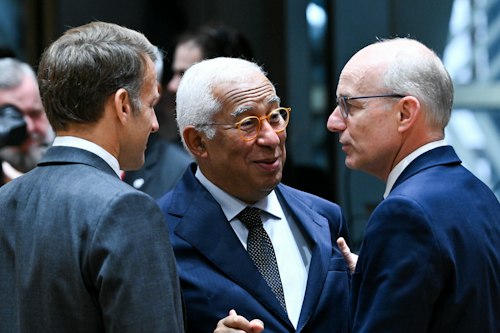
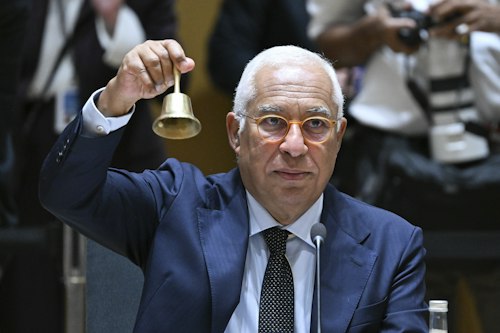
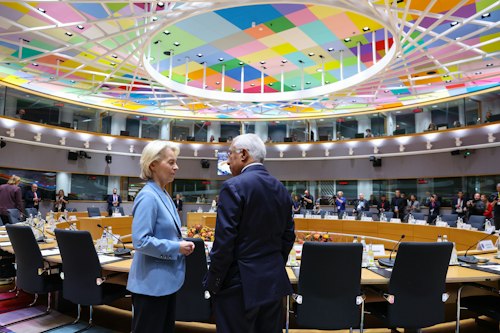
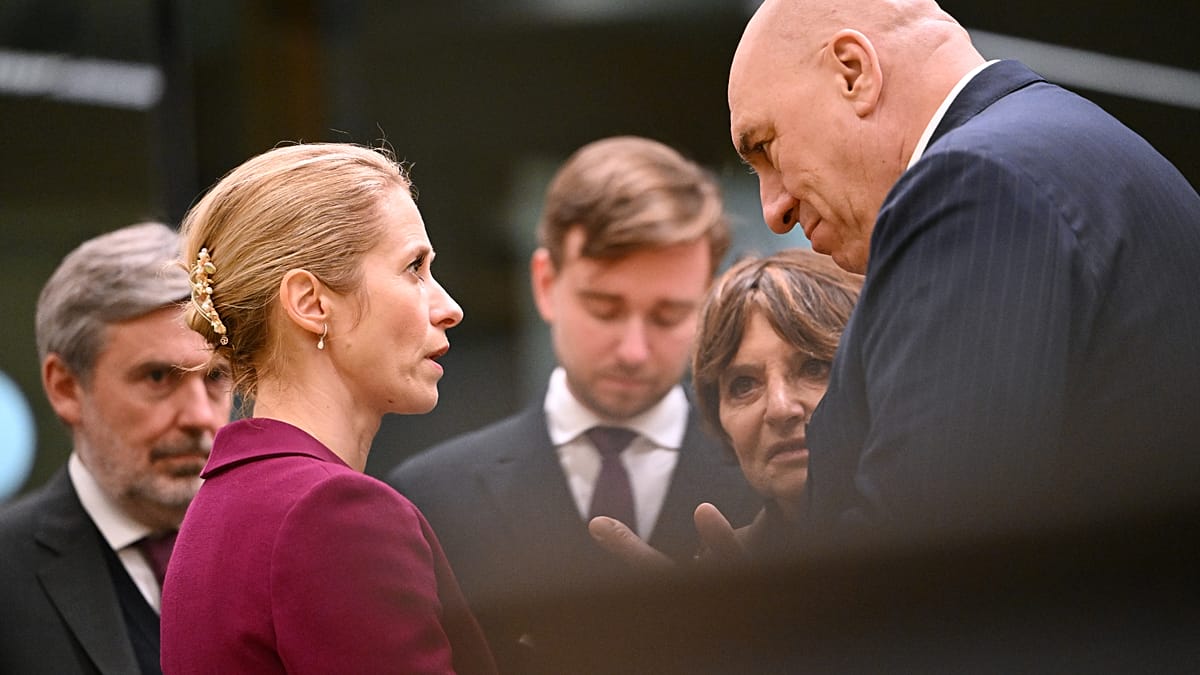
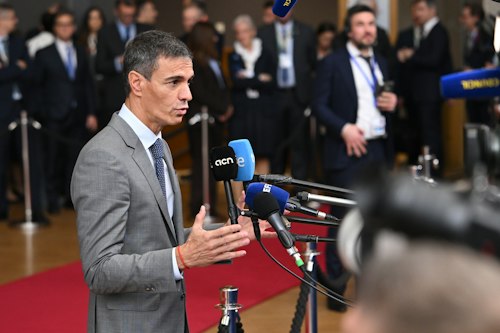
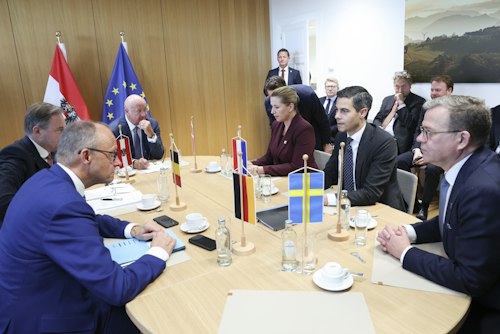
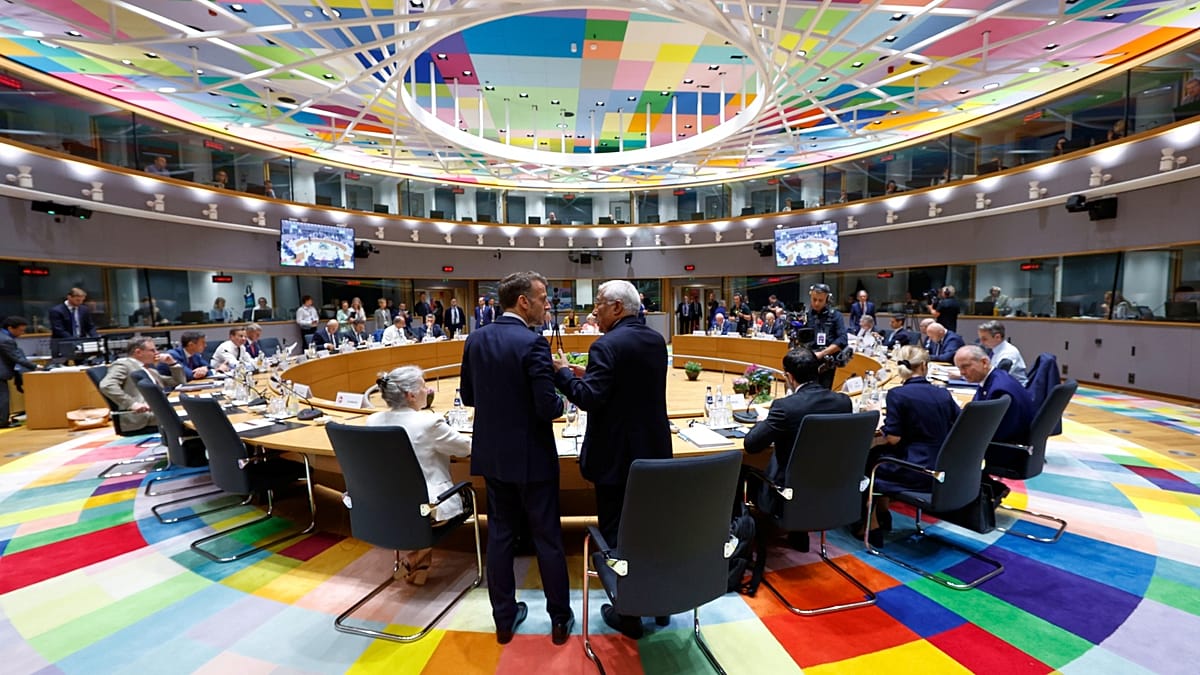
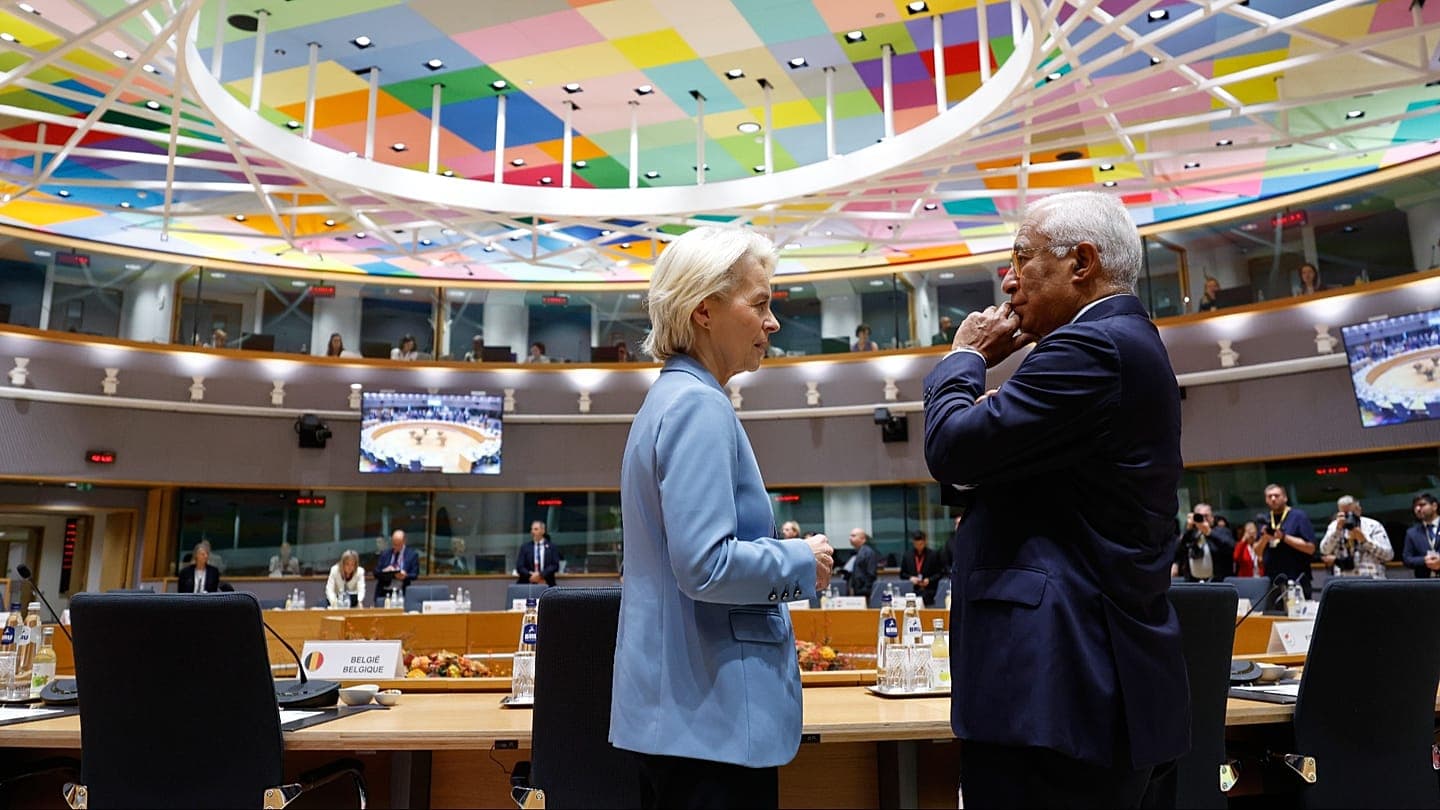
Negotiations on the next seven-year EU budget have hit a new deadlock: leaders at Thursday's summit reaffirmed their commitment to their 'red lines', and a number of countries are now rejecting the presumed December deadline. After the inconclusive summit, European Council President António Costa took the budget negotiations into his own hands: he intends to take into account feedback from member states and present a new compromise text in the coming weeks. The compromise will seek a different logic from Ireland's proposal, which alarmed Brussels with a sharp cut to the reserve funds of the so-called EU mechanism. Officials believe that the lessons of recent years (COVID, Ukraine, the energy crisis, climate change) justify leaving a significant portion of funds unallocated. Another priority for Costa is 'new own resources', Europe-wide taxes to replenish the common budget. A special summit on the budget will take place on 26 November; a compromise must be proposed before that date. According to Euronews, Costa has repeated for months that leaders must agree on the budget unanimously no later than December, otherwise there will not be enough time for legislative work by 1 January 2028. Leaders, however, say they prefer quality over speed. The standoff is between the 'frugal' countries demanding cuts (Germany and Sweden being the most radical) and the 'friends of cohesion', among whom Spain and Italy are interested in agricultural funds, and the Baltic states in defence spending. France has not picked a side. The budget proposal amounts to 2 trillion euros and has drawn criticism from the 'frugal' countries: German Chancellor Friedrich Merz stated that today 'no member can afford to make contributions to the budget of the European Union on such a scale'. The first day's press conference of the summit was cancelled due to prolonged debates. MEP Siegfried Mureșan (Romania/EPP) warned that without taking Parliament's demands into account, an absolute majority cannot be secured: even with the support of all governing parties, the budget would receive only 270 votes, 91 fewer than required.
Energy — the summit's most contentious issue
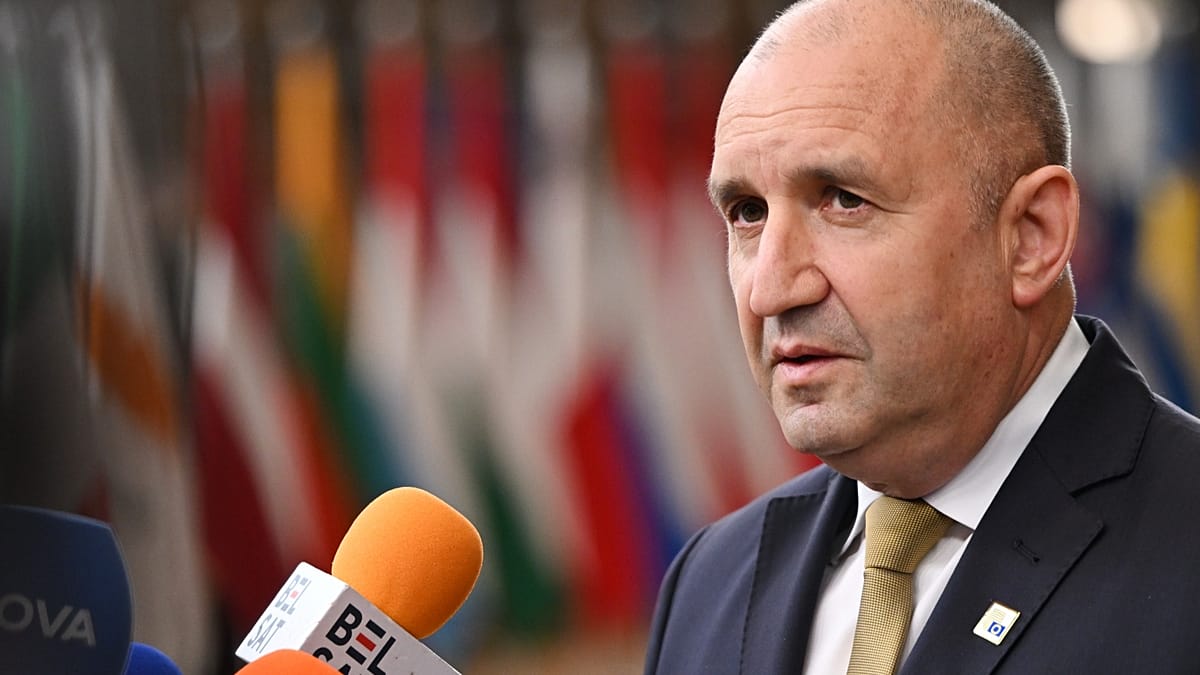
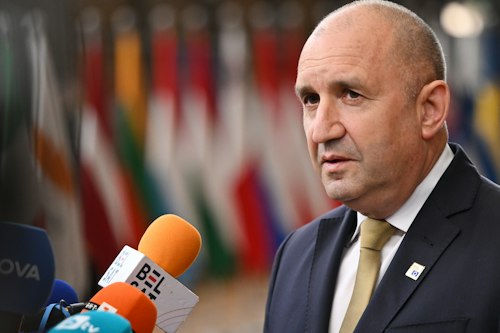
Energy became the most acute topic of the summit. After three hours of debate, diplomats were still agreeing the final conclusions, with Italy and Sweden on opposite sides, according to two diplomats. Rome is backing the four Visegrad Group countries — Slovakia, Hungary, the Czech Republic and Poland — in demanding the postponement of the next emissions trading system (ETS2) until 2030. They argue that the conditions for introducing the system in 2028 have changed due to the war in the Middle East. According to one diplomat, the summit risks ending without agreed conclusions on one of the most politically sensitive issues. According to several Euronews diplomats, the Visegrad Group's plan is likely to fail: one of them said the proposed amendments 'will never get the required unanimity', while another noted that the issue was brought to the European Council because there is no majority for it in the Environment Council. ETS2 is a new carbon market that will cover fuel for road transport and buildings from 2029; it has already been postponed due to concerns about its social impact, as it will inevitably raise energy bills. Finnish Prime Minister Petteri Orpo stated: 'As for energy, it is clear that we need short-term measures to guarantee low energy prices for households and businesses. But at the same time we must adhere to climate goals.' Meanwhile, Bulgarian Prime Minister Rumen Radev surprised colleagues by supporting Trump's diesel deal with Putin: 'We welcome any step aimed at lowering fuel prices and ensuring our competitiveness.'
Trade with China and new protection instruments
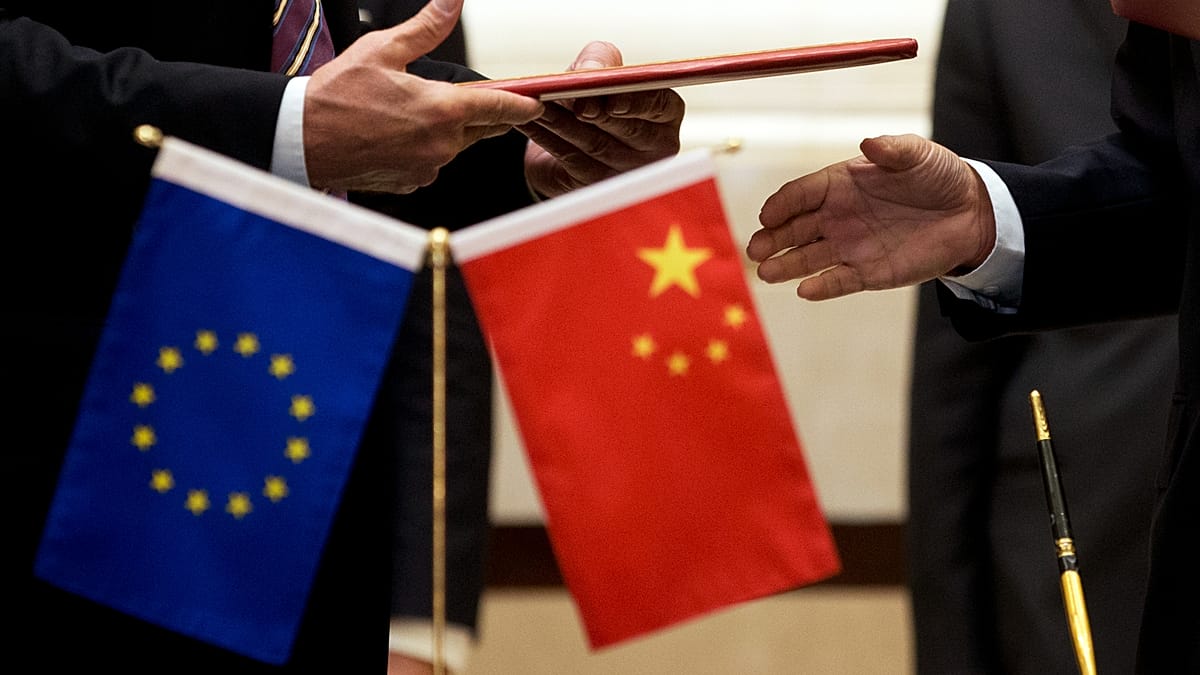
Leaders discussed the EU's record-high trade deficit with China — 360 billion euros per year (about 1 billion euros per day), while Chinese imports grew by 25% last year according to Chinese customs. At a lunch with European Commission President Ursula von der Leyen, member states, according to Euronews, pushed for import quotas to protect the chemical industry and industrial machinery — the sectors most affected by Chinese competition. Last week the EU and China struck a deal: country-specific quotas were introduced allowing 350,000 Chinese hybrid cars annually for four years with a fixed 6% adjustment. Beijing also agreed to relax licensing requirements for rare earth exports and to cancel tariffs on European auto parts, olive oil and footwear — nearly 4 billion euros of exports; the European Commission estimated tariff savings at a minimum of 225 million euros. However, Chinese car exports are worth only 15 billion euros against a deficit of 360 billion. Costa called to 'step up a results-oriented dialogue with international partners', adding that 'European companies must compete on a level playing field'. France and Germany last week called on the Commission to develop a new instrument to respond quickly to market distortions — measures could go as far as cutting off China's access to the EU market. A senior EU official said the Commission will present by the end of the year an instrument for diversifying suppliers and a solidarity mechanism for countries affected by Chinese countermeasures. In the summit's final conclusions, China is almost never mentioned by name — instead the phrase 'macroeconomic imbalances' is used.
Ukraine: Zelensky's arrival and the Patriot missile shortage
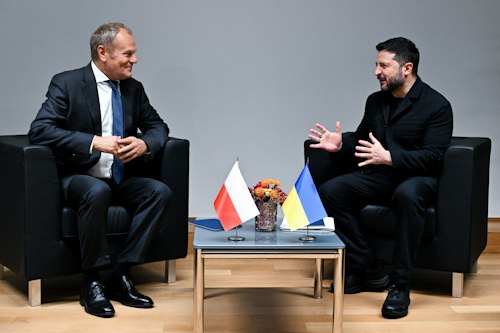
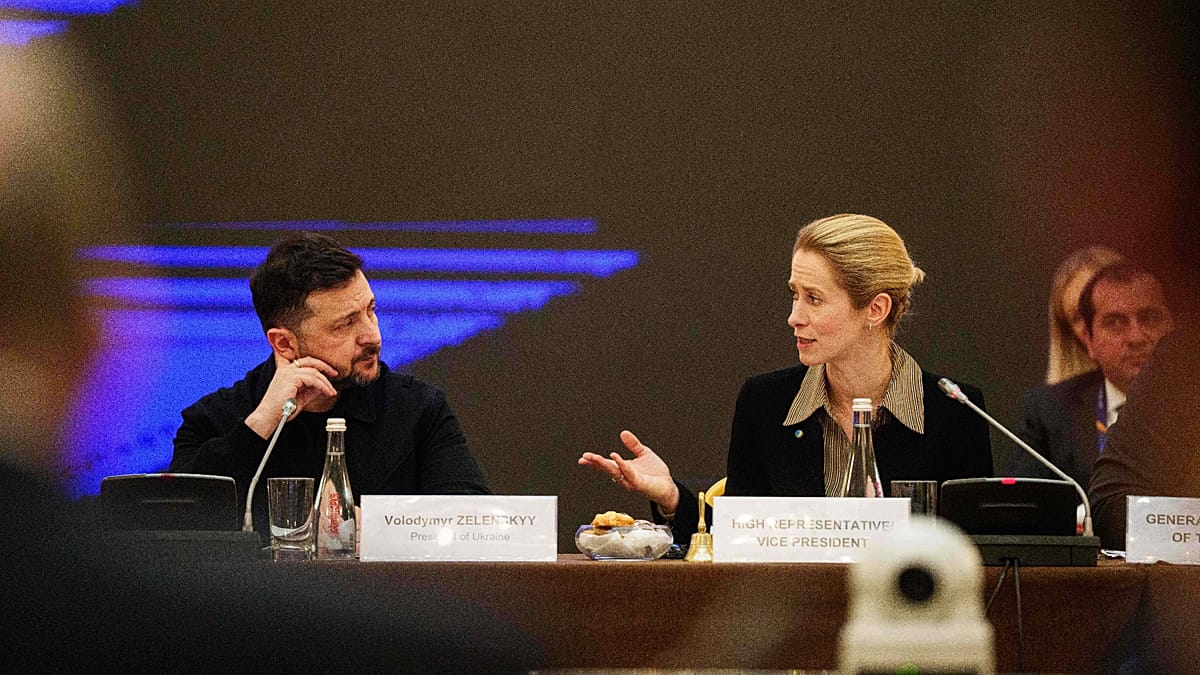
Ukraine was not formally on Thursday's agenda, but leaders will discuss it on Friday in the presence of President Volodymyr Zelensky, who arrived in Brussels on Thursday evening. He held bilateral meetings with NATO Secretary General Mark Rutte, and then with Polish Prime Minister Donald Tusk, French President Emmanuel Macron, and the Prime Ministers of Belgium, Bart De Wever, and Denmark, Mette Frederiksen. With Rutte, military aid, energy security and Ukraine's EU accession were discussed; Rutte spoke of the importance of an 'energy ceasefire' and support through the PURL mechanism. The meeting took place amid concerns that the US could halt arms sales and intelligence sharing in response to Kyiv's strikes on Russian oil refineries; NATO officials insist this has not yet happened. Moscow rejected the idea of an energy ceasefire: Foreign Minister Sergey Lavrov stated that 'there will be no ceasefire to bring him back to his senses and rearm him'. Zelensky said that since midnight on Wednesday Russia launched about 1,000 drones, accusing Moscow of ignoring Trump's calls to reduce the intensity of strikes. According to CNN, citing a source, Ukraine has exhausted interceptor missiles for Patriot systems, making it vulnerable to Russian ballistic missiles; Zelensky emphasized the urgent need for interceptors and ammunition for F-16s amid restrictions on Starlink's operation. Tusk said after the meeting: 'We are not just neighbours. We are friends who can count on each other in difficult times. And no one will ever change that.' Zelensky thanked Tus
Ukraine: relations with Poland, EU aid tranche
...over the position on sanctions. Relations between the two countries deteriorated earlier this year after Zelensky renamed a military unit in honor of the UPA, which Warsaw considers responsible for the massacres of Poles in Volhynia and Eastern Galicia. Meanwhile, the Ukrainian parliament passed a package of laws needed to unlock an EU aid tranche of 3.7 billion euros under a 90 billion euro loan; the tranche was expected in September but was delayed due to a bill on abolishing duty-free import of international parcels that was twice rejected. Finance Minister Sergii Marchenko stated that "despite the war, Ukraine continues to carry out reforms and fulfill its obligations." The European Commission will confirm the payment in the coming days.