The key facts
- Tsui Hark was honoured with a golden plaque on Rue du Premier Film next to the Institut Lumière at the festival in Lyon
- The festival screened Shanghai Blues (1984), Peking Opera Blues (1986), Once Upon a Time in China (1991) and Time And Tide (2000); Peking Opera Blues is released in French cinemas on 21 October in 4K
- The director considers himself more of a comedy filmmaker, wants to make a horror film, and expressed concerns about the future amid AI and wars
Recognition in the birthplace of cinema
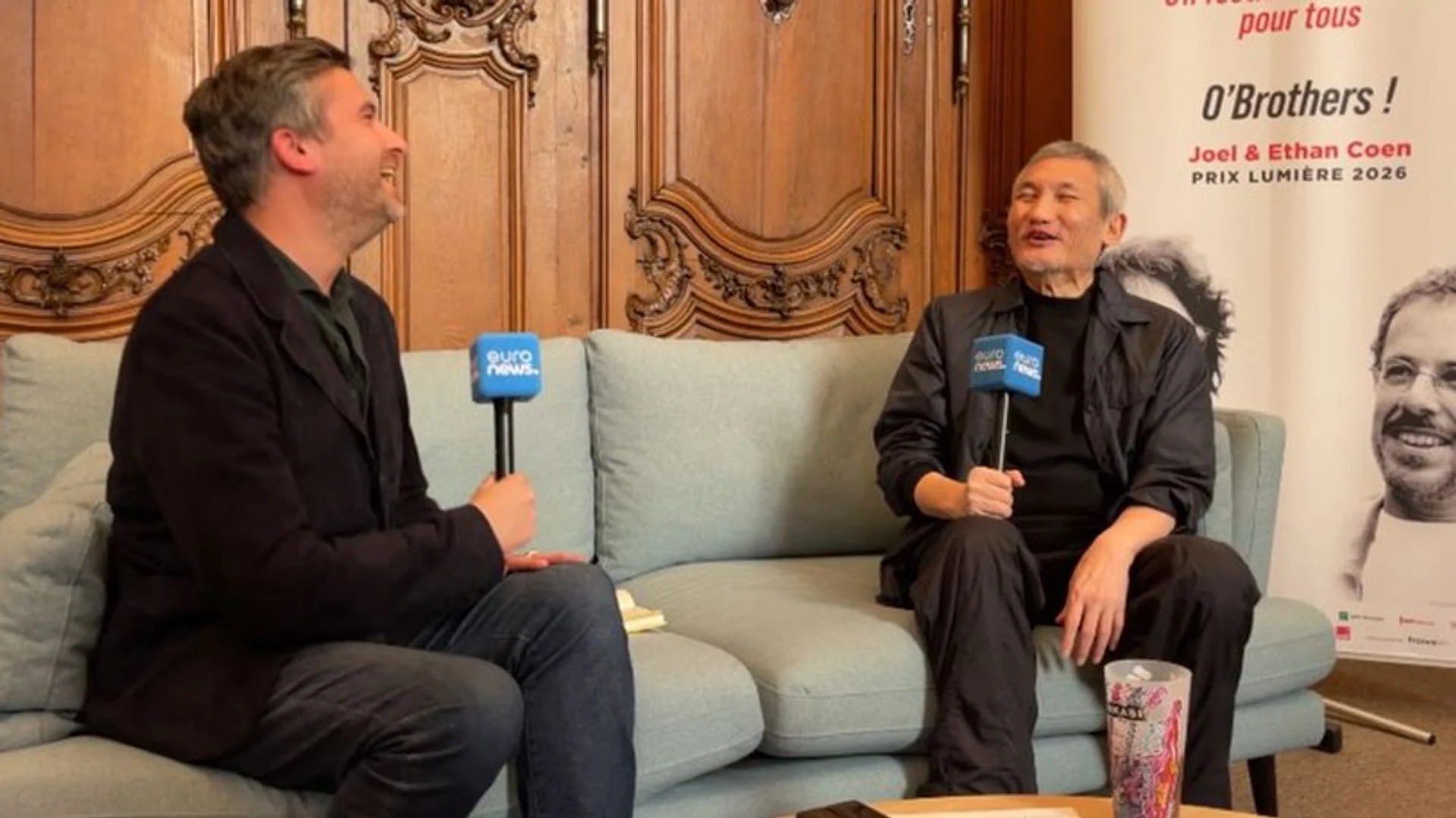
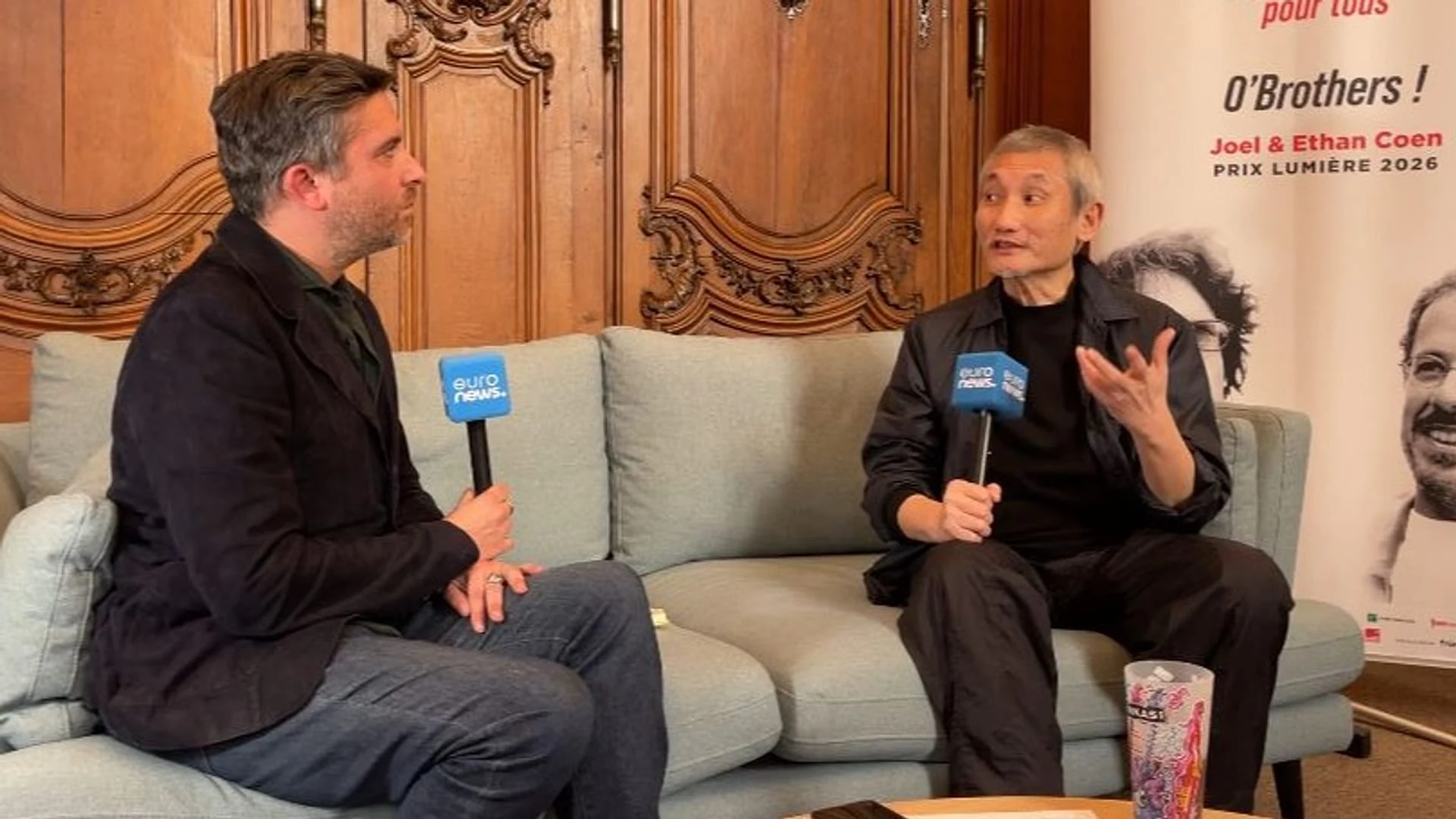
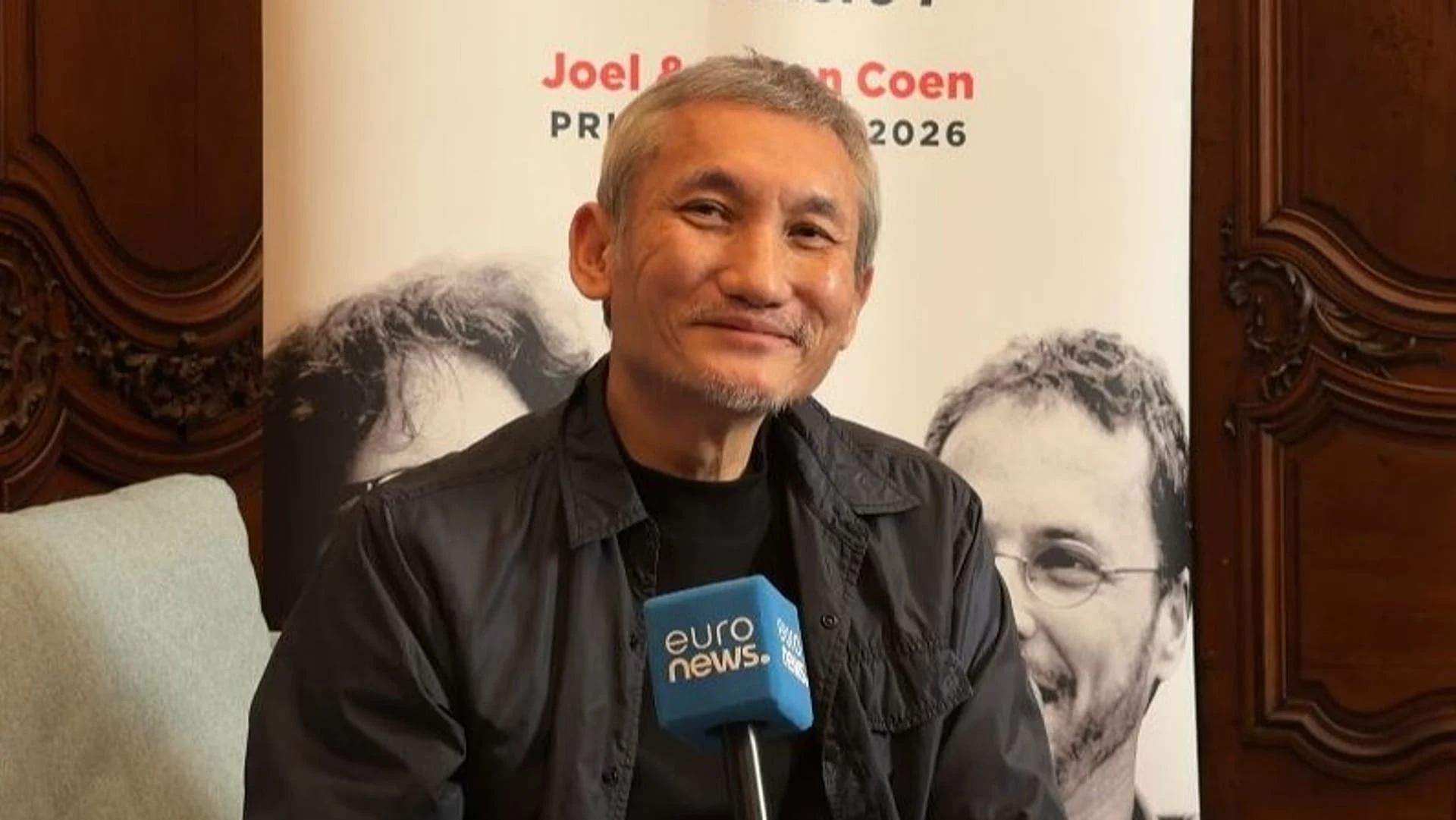
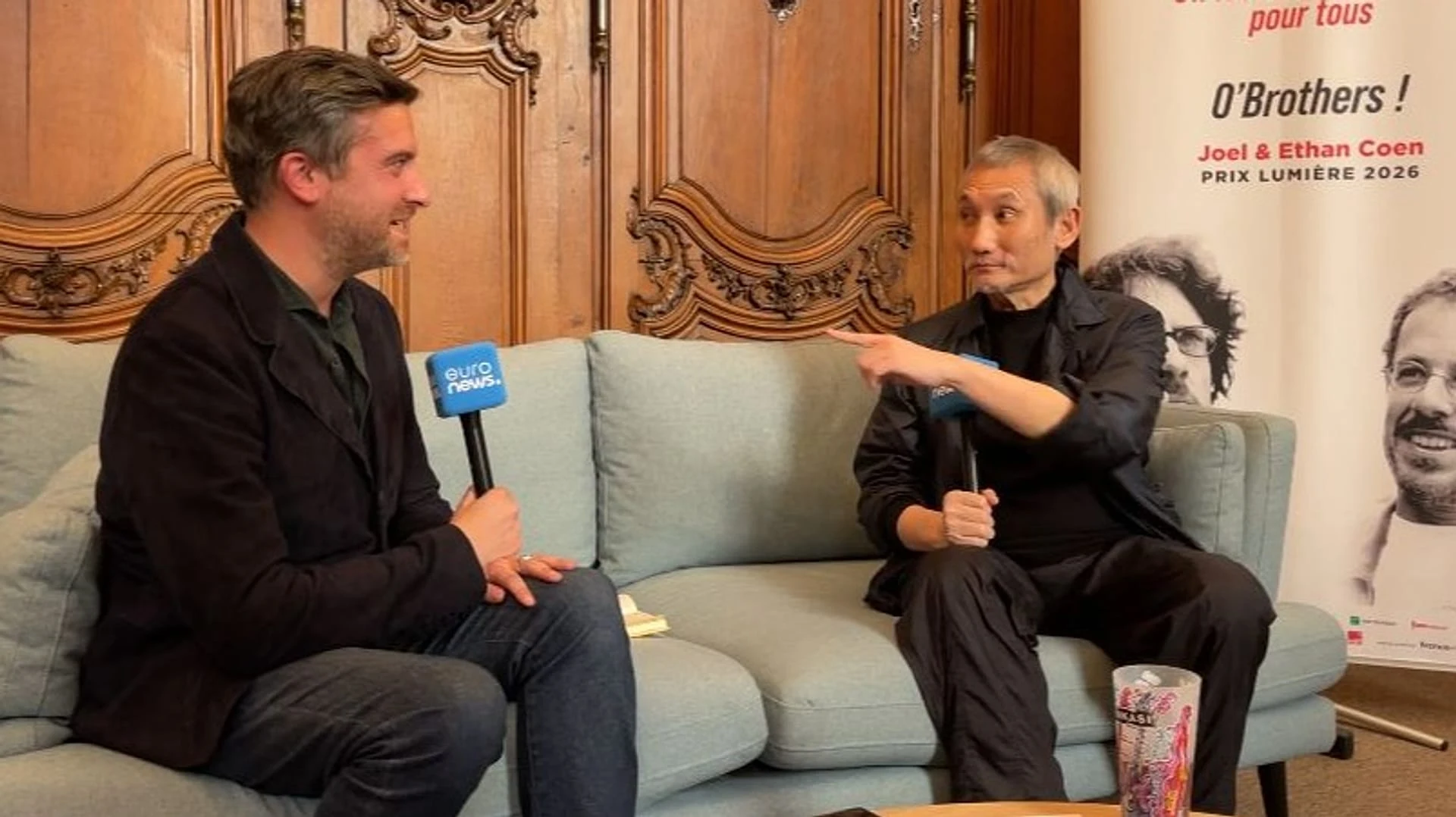
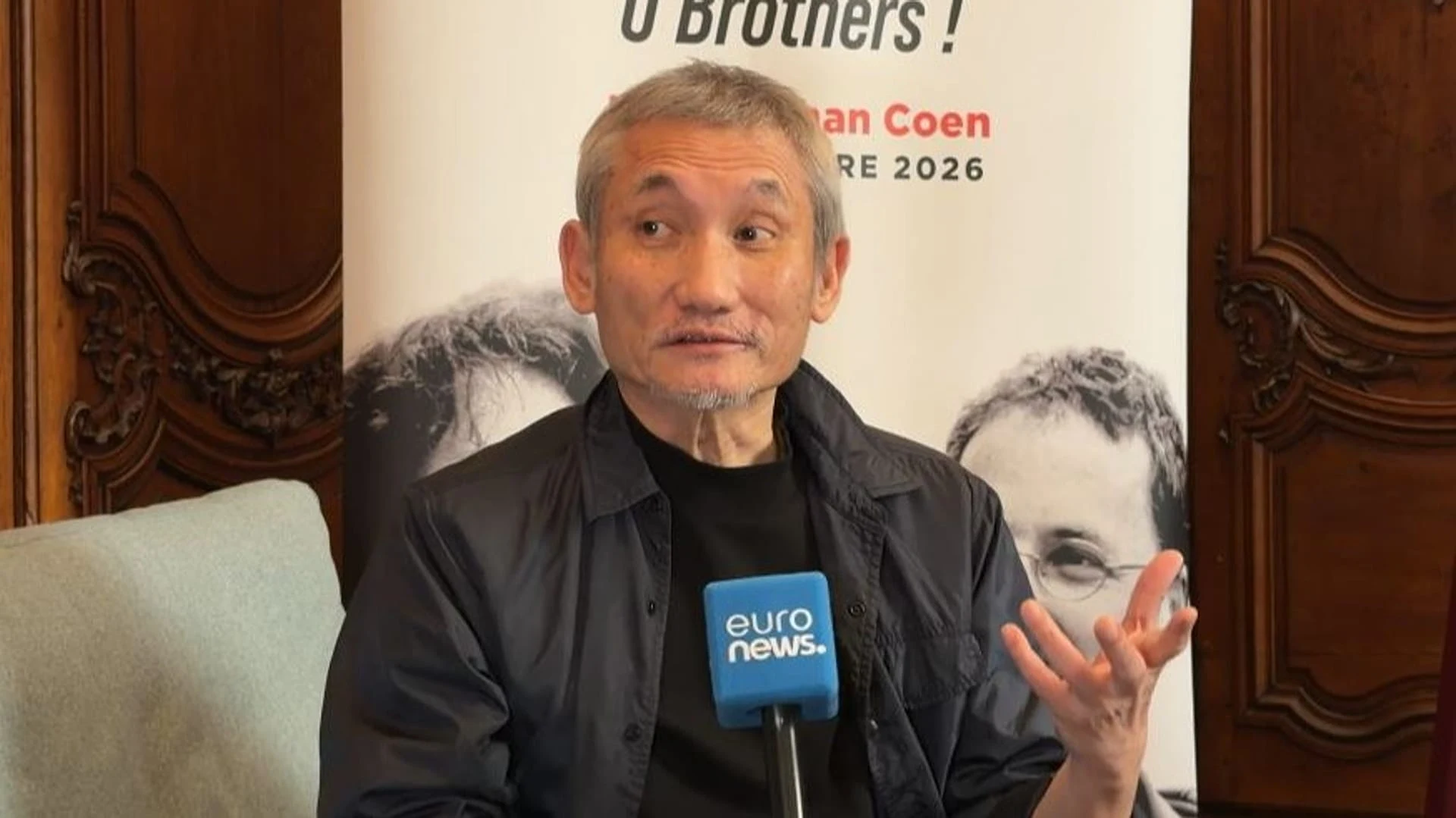
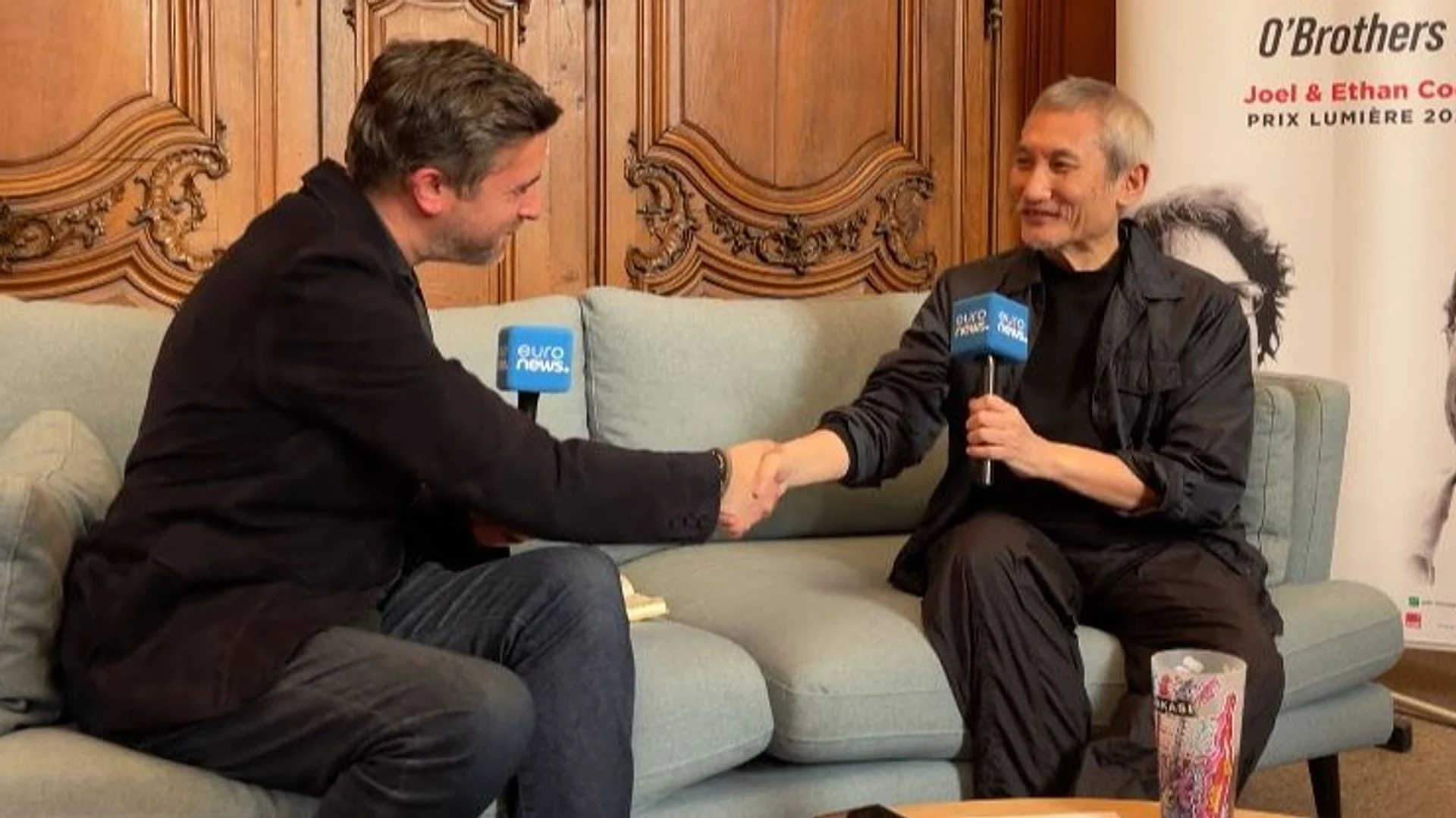
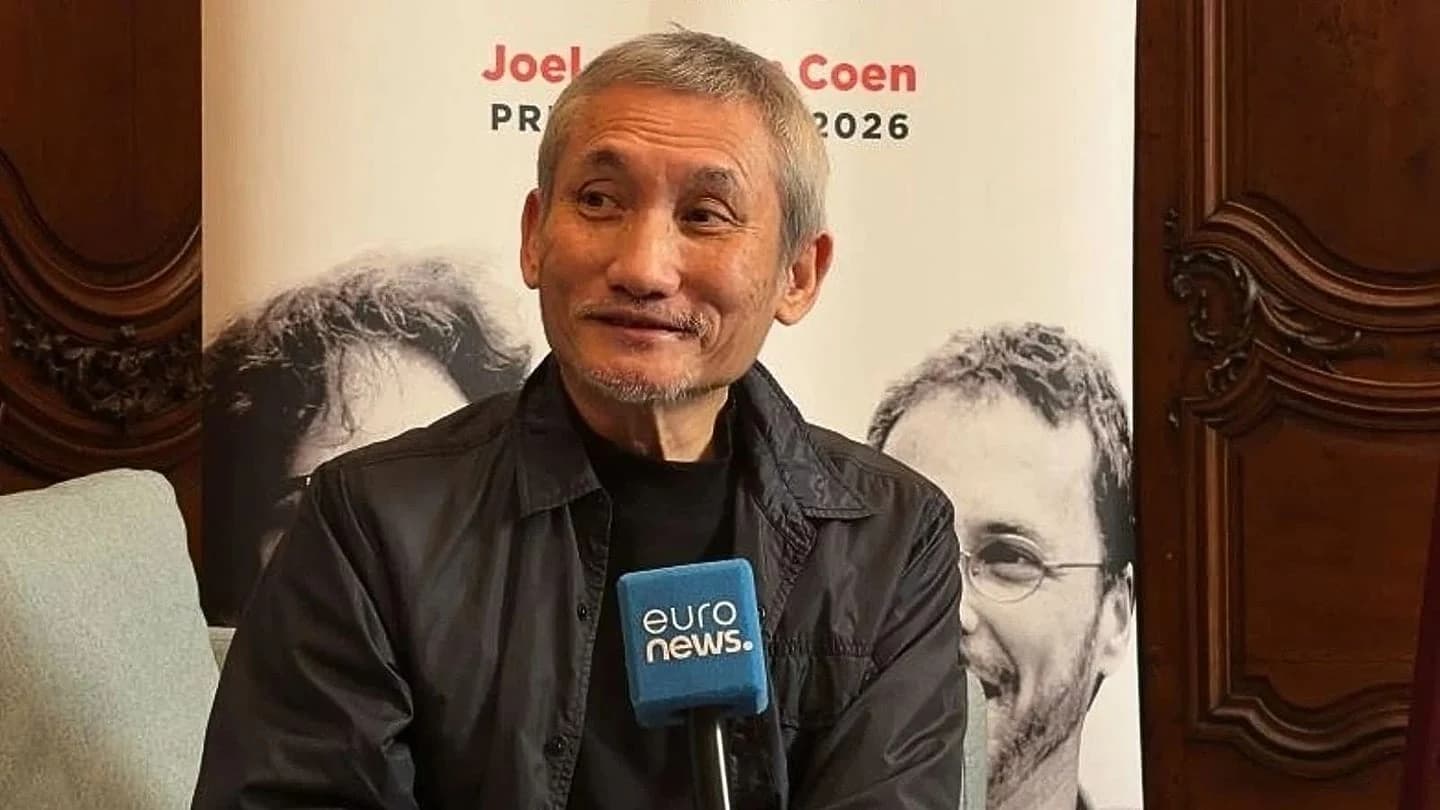
Tsui Hark, a key figure of the Hong Kong New Wave, was honoured at the Lumière festival in Lyon with a golden plaque on Rue du Premier Film next to the Institut Lumière. The 75-year-old director, screenwriter and producer, who effectively reinvented the martial arts film genre and boosted the careers of Chow Yun-fat, Jet Li and John Woo, called what happened “surreal”: he said he found himself in the place where cinema was born, at the origins set by the Lumière brothers — people he never knew, but who became the source of his creativity. Until last year’s box-office success of Ne Zha 2, his film The Battle at Lake Changjin remained the highest-grossing Chinese film of all time.
Four films at the festival
The festival is screening four of the director’s films: the costume romantic comedy Shanghai Blues (1984), the groundbreaking action comedy Peking Opera Blues (1986), the epic martial arts film Once Upon a Time in China (1991) and the thriller Time And Tide (2000), including restored versions of Shanghai Blues and Peking Opera Blues. Tsui Hark admitted that seeing 40-year-old films on the big screen feels strange: it creates a sense that time has not gone anywhere, and audiences still enjoy them. Peking Opera Blues is being released in French cinemas for the first time on 21 October in a restored 4K version; the Lyon festival runs until 18 October.
“I am more of a comedy director”
Despite his reputation as a master of action, Tsui Hark said he sees himself more as a comedy filmmaker: everything changed in 1979, when television assigned him to direct the costume action film The Butterfly Murders, after which he was associated with the action genre for years. He sees no secret to balancing spectacle and personal motifs: he strives for audiences to recognise themselves in his characters, and believes cinema should be for viewers of all ages and, where possible, all cultures. The reception from European audiences also surprises him: on his first visit to Cannes, he was amazed that people had seen his films made for a different audience.
Horror and a look at the future
The director confirmed his desire to make another horror film after the horror comedy We're Going To Eat You (1980): in his words, horror is not only about fear but about a special kind of energy, and he would like to move away from the genre’s negative view of humanity. On the development of AI, he said that the fear of being replaced arises everywhere — in relationships, careers, the economy and the notion of freedom. In his view, humanity is facing crises — from viruses and technology to wars — without solutions, because it is itself a destructive element of nature; he hopes he is wrong. “I want to remain an optimist, but there is too much evidence of the negative,” he noted, adding that after World War II everyone wanted to prevent its repetition, yet it “is happening without stopping.” He sees a way out in reminding people of the bright sides of human nature: “cinema is a good starting point.”